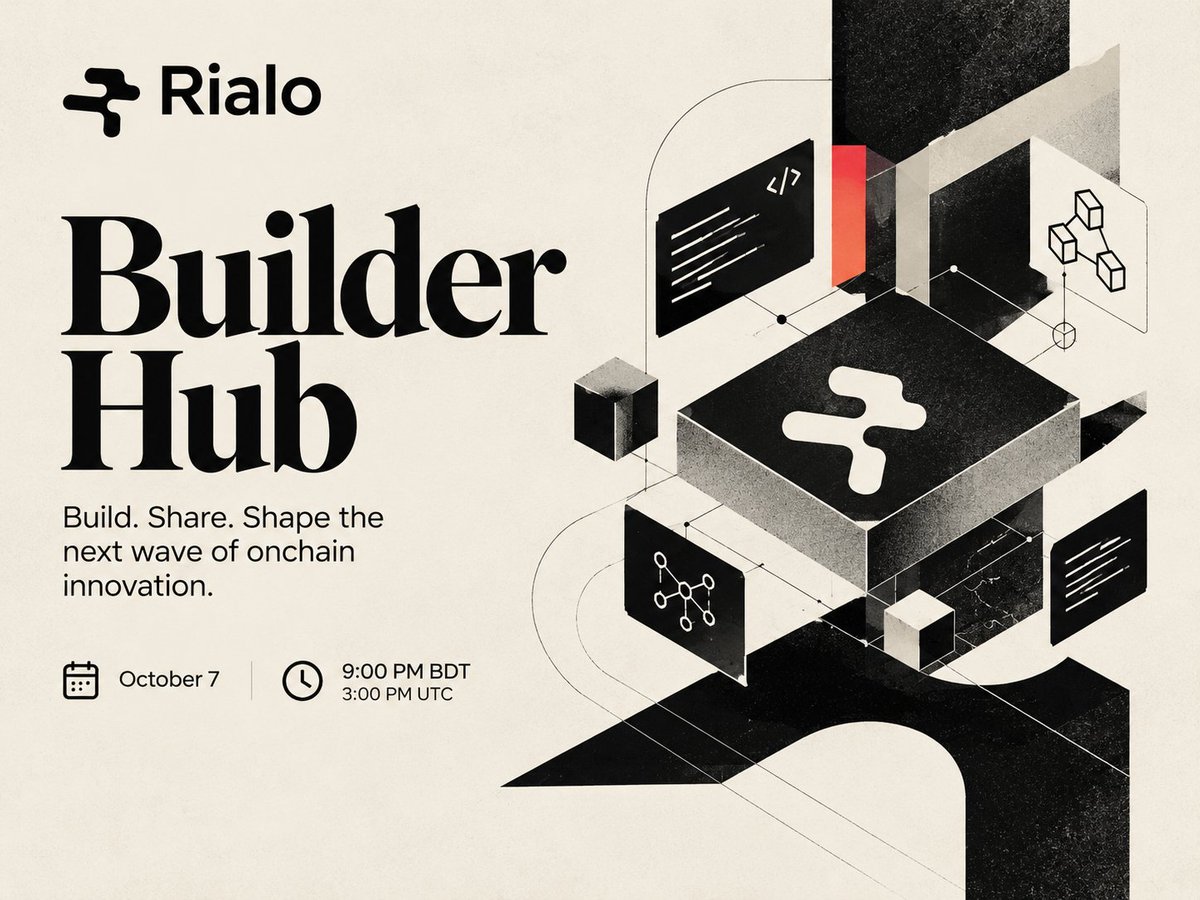
Builders are shaping what comes next for onchain innovation.
Join the next Rialo Builder Hub to explore ideas, exchange perspectives, and see what developers can create within the ecosystem.
▫️ October 7
▫️ 9 PM BDT | 3 PM UTC
If you’re building or curious about @RialoHQ
Most crypto projects do not fail because the product is weak. They fail because nobody sees it.
Distribution is the part of a launch that quietly eats the budget. You chase agencies, negotiate with creators one by one, and hope the reach justifies the spend.
@RallyOnChain just shipped Permissionless Campaigns, and it changes that starting point.
Here is how it works. Anyone can launch a marketing campaign without applying, without a gatekeeper, and without a private network. You write the brief, fund it with stablecoins or your own token, and the funds sit in escrow. In about five minutes, the campaign is live.
From there, creators find it, complete the missions, and submit their content. GenLayer evaluates each submission on alignment, accuracy, originality, engagement potential, and real engagement data. Creators get rewarded for the outcome they deliver, not for who they know.
That is why this matters. A builder can now set up marketing in the same sitting as deploying a product, a token, or a feature. Distribution stops being a separate phase you reach for after launch and becomes part of the launch itself.
I tried the flow myself if write the brief, fund it, lock it in escrow, go live. It took far less time than finding a single creator through DMs ever did.
Rally is also live on Robinhood Chain now.
If you are building in Web3, try launching one campaign before your next release. You may never plan distribution the old way again.
Blockchain Infrastructure Should Be More Native
Data moves. Markets shift. Events unfold.
Yet many blockchain applications still depend on external systems to coordinate execution.
@RialoHQ brings essential capabilities directly into the protocol.
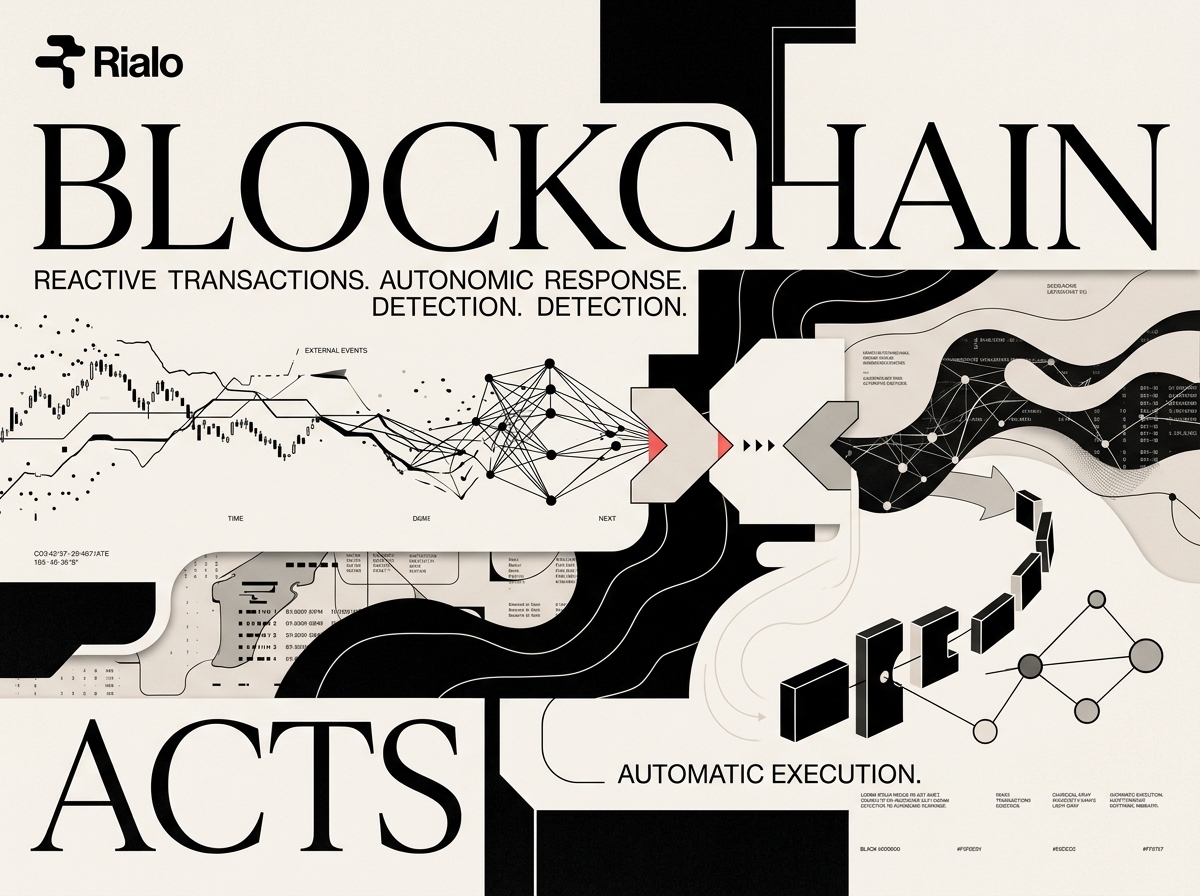
Blockchain Applications Should Respond Automatically
Markets evolve. Payments settle. Conditions change.
Yet many blockchain applications still rely on external systems to detect events and initiate execution.
@RialoHQ introduces Reactive Transactions
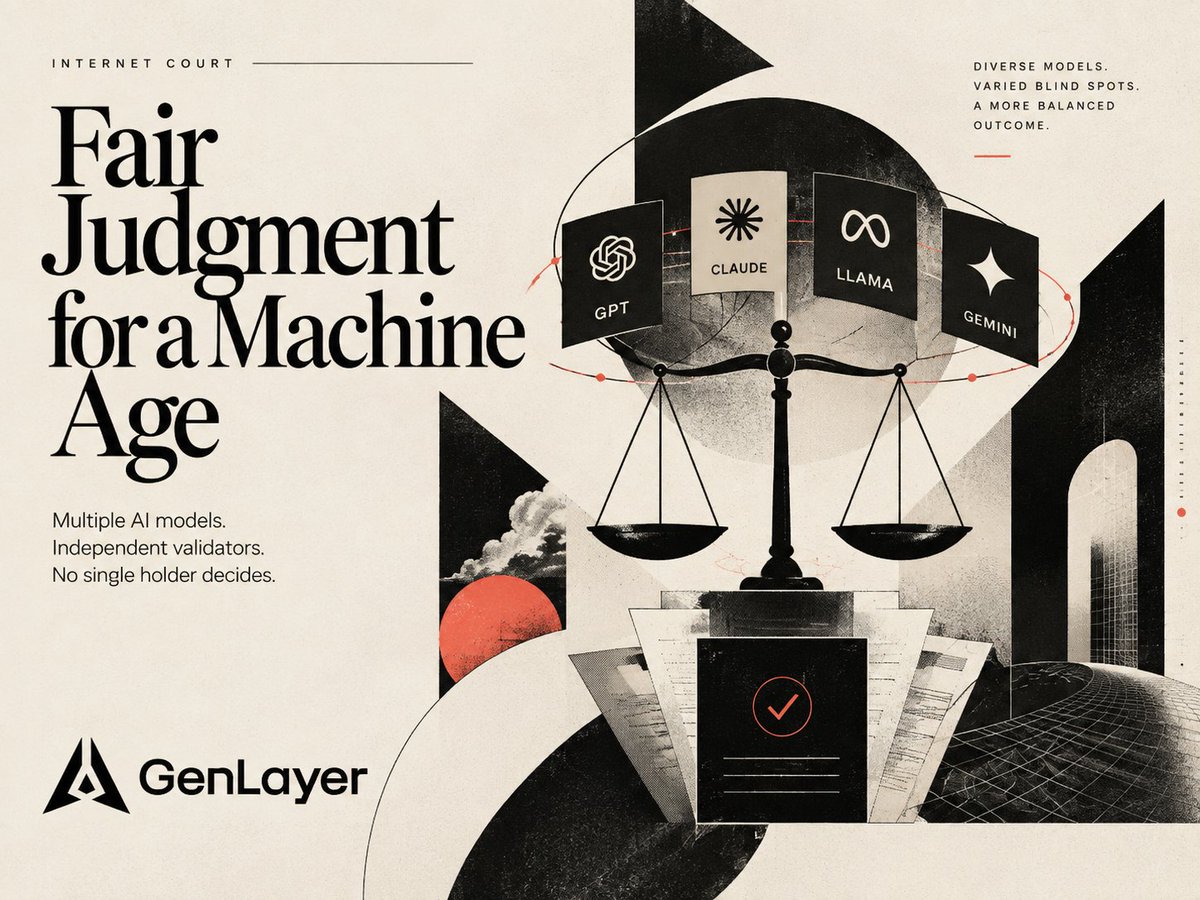
Who rules when the stakes are real and the parties are machines?
Every prediction market ends with a verdict. Too often, that verdict belongs to the same holders who profit from it. A judge should never share an interest with the defendant.
@GenLayer rebuilds the courtroom. A panel of validators, each powered by a different AI model, weighs the evidence independently and delivers a ruling. Varied models bring varied blind spots, so no single model and no single wallet can dictate the outcome.
The need grows sharper as autonomous agents begin to transact with one another. When a deal collapses, someone must adjudicate. Internet Court is that answer. It opened with 27 founding members, and Solana, Yellow, HOL and Blocksee have since joined.
My view: the intelligence is impressive, but the real breakthrough is the open standard. Disputes finally get a shared rulebook instead of a private referee inside every app.
Begin at the GenLayer Portal, where your contributions to GenLayer are recorded and earn GenLayer Points.
https://t.co/2BTVKt7JaX
Some campaigns reward noise. This one rewards thinking.
I have joined the GenLayer campaign on @RallyOnChain, with a 100,000 GLP prize pool.
@why_fahad44, you have not joined yet.
Pick an angle you truly believe in and write it your way.
Join before the deadline.