See the trades. Make your own call.
OwnCall is where traders scan what's moving, open the chart and compare how others read the same setup.
Follow the people whose thinking you want to see again.
Have a look at https://t.co/UBxDjuW3HH.
What's the first chart you'd open?
@CryptoMichNL A breakout above the 21-day MA on ETH/BTC would get my attention, but I'd also want to see price hold above it before reading too much into any move
The last big print before 9 Dec is out.
US core PCE came in at 3.3% against 3.2% expected, with headline at 3.8% y/y.
CME FedWatch has a December hike at 98.1%.
Was your plan written before the number, or after?
Per the CFTC letter, each dollar of bitcoin or ether counts as 80 cents at most, so the volatility is priced in before it counts.
The haircut is the detail to note.
CFTC staff: derivatives venues may count bitcoin:native and ethereum:native as reserves.
Payment stablecoins too, toward a year of operating costs, after haircuts (20% minimum on BTC and ETH). The cash slice stays cash.
It's a staff advisory, not a rule.
Do you follow plumbing news, or just price?
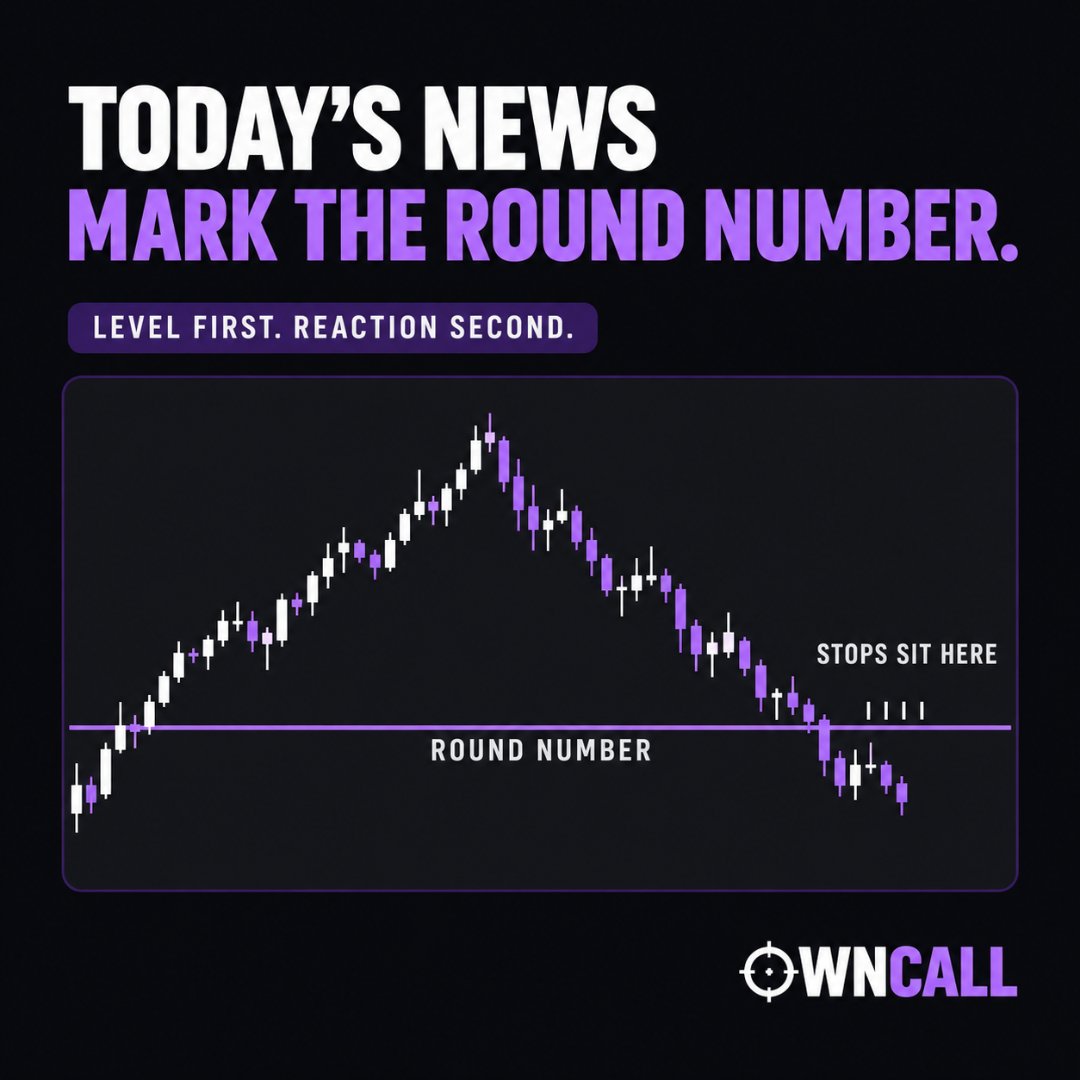
A stop at a round number sits in the crowd.
Price back through that zone means the setup is wrong, so you're out.
Put it beyond the new-direction iFVG instead.
Then measure the 3:1 target from there.
Round number or structure: where does yours go?
@john_diaz86905 The key is adjusting position size to the wider stop rather than forcing the trade into a fixed risk distance.
A stop beyond the iFVG makes sense if that zone genuinely defines invalidation.
Per bitcoin:native network, $60,000 has been lost and won back more than once since 20 Nov. A level that keeps flipping is one to mark on the chart, not one to guess.
bitcoin:native is back under $60,000.
It touched $59,716 early Tuesday, a day after bouncing to $64,603.
A round number is an obvious place to park a stop. Mark the level first, then react to price there.
Do you mark round numbers, or ignore them?