¿Sabías que Joaquín Sabina tuvo que pagar la factura de un club de alterne a un abogado de Bilbao por culpa de una figura del Derecho Romano? Abro hilo para explicar cómo la "Magdalena" se convirtió en una obligación jurídica real. 👇 #DerechoRomano
En 1994 se prohibió que el Presidente imprimiera dinero
.
Esa es la razón de la autonomía de @Banxico
.
Ahora con una Junta de Gobierno a modo de la 4T, Banxico le compra deuda al Gobierno y le entrega dinero
.
La Presidenta nuevamente tiene bajo su control la impresión de dinero
.
ÉTICA NICOMÁQUEA
¿La edición de Gredos o la del CSIC?
Esta es la del CSIC 👇 publicada en 2025
Con traducción del filólogo y filósofo José Manuel García Valverde
Bilingüe griego-español
Con impresionante aparato crítico
⬇️⬇️
Jordan Peterson explained how to use reading and writing to find your life's purpose:
1. Reading is how you gather raw material before you can write clearly. Once you have a problem you want to solve, read everything you can get your hands on that addresses it. You cannot organize thoughts you have never been exposed to.
2. Writing is described as a weapon, literally. Your sword. Your bulletproof vest. Learning to use words properly makes you nearly impossible to stop in any negotiation or argument.
3. People who are staggeringly successful are almost always unbelievably articulate. You do not want to argue with them because they will organize their points so clearly that anyone unprepared looks like an idiot.
4. Your words are the single most powerful thing about you. If you can write and speak effectively, you carry all the authority and competence there is.
5. Peterson rewrote every sentence in his first book Maps of Meaning roughly fifty times. He read it, rewrote it, compared versions, and kept the better one. That obsession over fourteen years built the foundation for everything he taught afterward.
6. Fiction is not a lesser form of truth. It is often a deeper one. Stories distill what people actually go through, stripping away the boring parts and leaving only what matters.
7. You do not need to understand exactly why a story moves you. You do not know what music means either, and that has never stopped you from listening to it. Profound things mean more than you can fully articulate.
8. People who lose the external structure in their life, a job, a schedule, a responsibility, tend to drift, get anxious, and lose direction. We are built like sled dogs. We need a load to pull.
9. Pain is the one reality nobody argues with. Everyone who suffers acts as though their suffering is real. That single observation is the starting point for thinking seriously about meaning.
10. Human beings are the only creatures who have discovered the future, which is both our greatest advantage and our deepest burden. Knowing the future is finite changes everything about how we experience the present.
11. The self-authoring program Peterson built has three parts: write your past to understand who you actually are, write your present to identify your real faults and virtues, and write your future to clarify exactly what you want in the next three to five years.
12. You cannot hit a target you refuse to name. Most people keep their goals vague on purpose, because naming what you want also means naming the exact conditions under which you will have failed.
13. At Erasmus University in Rotterdam, roughly 10,000 students went through the future authoring program. The improvement was largest among the students who started furthest behind, and many of them later overtook their peers entirely.
14. Writing out your own potential downfall is just as important as writing out your potential success. Naming the version of yourself you are most afraid of becoming gives you something concrete to fight against instead of a vague, paralyzing dread.
15. A memory that still produces strong negative emotion after eighteen months means you have not actually solved the problem it represents. Your brain is still tagging it as a live threat.
16. Writing through painful memories often makes you feel worse in the short term and significantly better three to six months later. Progress frequently requires doing the uncomfortable thing first.
17. The entire purpose of the humanities was never to please a professor or guess the expected answer. It was to help you find your true voice, because every argument you formulate becomes a permanent part of your character whether you intended it to or not.
Follow @yasminekho for more ideas on thinking better, becoming clearer & building a more intentional life.
*En clases de español para extranjeros.*
YO: Y díganme, ¿por qué quieren aprender español?
ALUMNA JAPONESA 🇯🇵: Mi empresa requiere que lo aprenda para poder trabajar en las sucursales que tenemos aquí.
YO: Oh, eso suena muy interesante.
ALUMNA ESTADOUNIDENSE 🇺🇸: Porque quiero aprender más de mis raíces. Mis padres son mexicanos que residen en Estados Unidos, pero nunca me enseñaron español para que no sufriera bullying en mi barrio.
YO: Lamento que fuera así, pero al aprender español verás que tus raíces son mucho más interesantes de lo que aparentan.
ALUMNO FRANCÉS 🇫🇷: Porque quiero darle una sorpresa a mi esposa mexicana. No se esperará que un día llegue yo hablándole en español. Creo que sería una bonita sorpresa.
YO: Ow, eso es muy tierno de tu parte.
ALUMNO ALEMÁN 🇩🇪: Porque me encantaría aprender más sobre las culturas latinoamericanas. Desde niño me sentí atraído hacia ellas por su manera tan alegre de vivir la vida. Me gustaría convertirme en parte de ellas.
YO: Y no te arrepentirás.
ALUMNO INGLÉS 🏴: Porque quiero ver "Shrek" en español.
*Todos lo miran confundidos.*
ALUMNO INGLÉS 🏴: Dicen que es mucho más chistosa en español latino, y yo soy muy fan de esa película, así que...
*El alumno inglés se encoge de hombros.*
YO: Pero... Debe haber alguna otra razón, ¿no?
ALUMNO 🏴: No. Sólo Shrek.
*Doy un paso hacia adelante y le tiendo mi mano para que la estreche.*
YO: Ese es el propósito más noble que he escuchado en todos mis años de enseñanza de la lengua española. Me comprometo a que aprendas español perfectamente para que puedas cumplir tan puro objetivo.
El Banco de México acaba de habilitar, mediante la Circular 8/2026, la posibilidad de comprar bonos del gobierno en el mercado secundario a través de subastas. Hasta ahora, su principal herramienta era vender estos instrumentos para retirar liquidez del sistema. Ahora también puede comprarlos, inyectando pesos nuevos directamente a la economía.
En la práctica se trata de un mecanismo que permite al banco central sostener los precios de los bonos gubernamentales cuando los inversionistas no quieran hacerlo. Esto ocurre en un momento en que la deuda pública sigue creciendo.
El principal riesgo es que esta facultad facilita la monetización indirecta del déficit
Al comprar bonos, el Banxico crea dinero para financiar el gasto del gobierno. El resultado es un aumento en la oferta de pesos, lo que genera mayor presión inflacionaria. Además, al inyectar liquidez y reducir el atractivo de los bonos mexicanos para los inversionistas que hacen carry trade, se incrementa el riesgo de salidas de capital y una mayor depreciación del peso, lo que a su vez alimenta la inflación importada.
En esencia, se está priorizando el financiamiento del gobierno por encima de la estabilidad de la moneda. En lugar de que el gobierno ajuste sus cuentas, se le da al banco central una herramienta para evitar que las tasas de la deuda suban demasiado.
El costo de esta decisión lo terminará pagando la economía en forma de más inflación y un peso más débil.
En resumen: El Banco de México se está convirtiendo en la caja chica del gobierno. Van a quebrar al país para rescatar las finanzas del gobierno.
Imágenes de @GabySillerP.
Lo que está pasando en la @SCJN es GRAVÍSIMO.
En el @DOF_SEGOB de hoy se publicó una "certificación" que en realidad altera el voto del presidente #HugoAguilar en una sentencia ya firmada y publicada: 🔻
La sentencia, del 1 de diciembre de 2025, lo dice con todas sus letras: el tema 2 se aprobó por mayoría de 8 votos y "el Ministro Presidente Aguilar Ortiz votó en #contra".
Así se firmó hace más de seis meses.
Así se publicó en el DOF del 25 de febrero de 2026.
Nadie objetó nada.
Y hoy, en pleno #Mundial, aparece una "certificación" del Secretario General de Acuerdos que dice lo contrario: que fue por unanimidad de 9 y que el Presidente —su jefe— votó a #favor.
Nadie revisa nada. Y luego se les hace fácil alterar una sentencia ya firmada y publicada.
Es gravísimo, pero no sorprende. Esta "nueva" Corte, la del Supremo Acordeón, es un desastre.
—A Andrés Manuel lo estimo mucho, pero la verdad… ¡Está loco! Sufre desmedidos sueños de grandeza. Quiere llegar a ser un moderno Julio César o Nerón. Déjeme contarle que, hace algunos años, le di cobijo a Andrés Manuel López Obrador cuando llegó huyendo de Macuspana, Tabasco, a los 19 años de edad; había asesinado, accidentalmente, a su hermano. Lo tuve aquí en mi casa por espacio de 9 meses, pasé deliciosas y divertidas noches con él. López Obrador, por dinero… ¡era capaz de hacer lo que fuera!
#CarlosMonsiváis en entrevista al periodista #EdmundoCázarez hace unas décadas.
(Monsiváis cumple 16 años de su muerte)
Entrevista completa en El Universal
https://t.co/1avAc8quJH
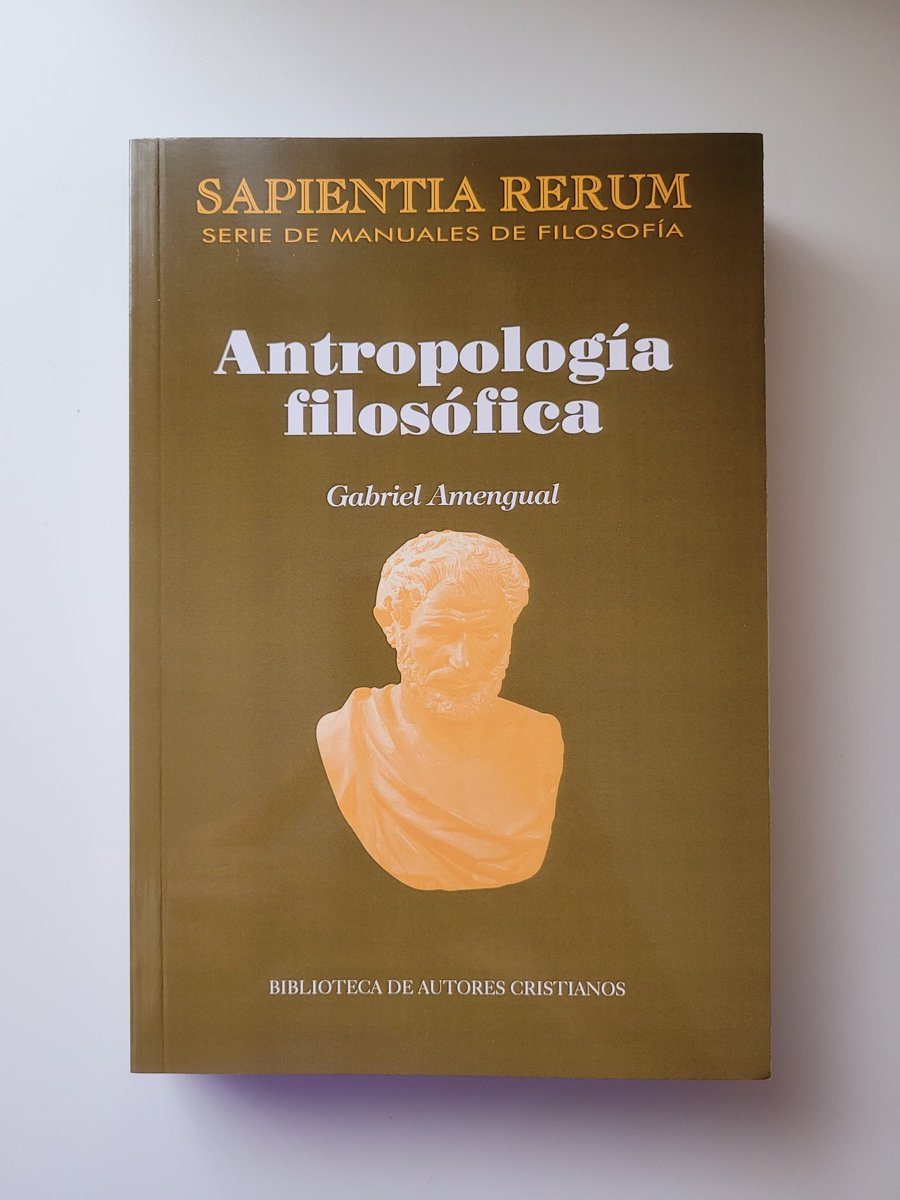
Gran libro de Amengual para introducirse en la Antropología filosófica.
Aborda el problema del ser humano de manera poliédrica con un itinerario completo desde su estructura y determinación (ontología, cuerpo, lenguaje, acción, libertad...) hasta sus límites (mal y muerte).
¿A qué hora respira la Ciudad de México?
🟥 6–10 a.m.: el centro SE LLENA. Cuauhtémoc recibe +65 mil viajes netos.
🔵 5–9 p.m.: SE VACÍA (−80 mil) y el oriente toma el relevo.
Mapeé los flujos de movilidad hora por hora, con datos anonimizados y agregados de telefonía celular. Míralo en 3D 👇
Una madre buscadora es cercada por la policía e investigada por la 4T para ver cómo financió su viaje a la CDMX. //
El político Cuauhtémoc Blanco, señalado por violación y delincuencia organizada, camina protegido por la Guardia Nacional de la 4T.
Mientras almuerzan escuchen este temazo, "Me lo dijo Adela" en la voz de Abbe Lane es puro sabor de los años 50. Con su carisma inconfundible y acompañada por el universo musical de Xavier Cugat, convirtió este divertido cha cha chá en una joya inolvidable de la música tropical.💃
¿Procede conceder la suspensión para que puedas registrar tu línea telefónica sin necesidad de entregar datos biométricos? En el Tribunal consideramos que sí.
Una persona promovió amparo contra la obligación que le impuso una operadora de servicios telefónicos de entregar sus datos biométricos o tramitar su CURP biométrica para poder registrar su línea.
Lo he recomendado infinidad de veces.
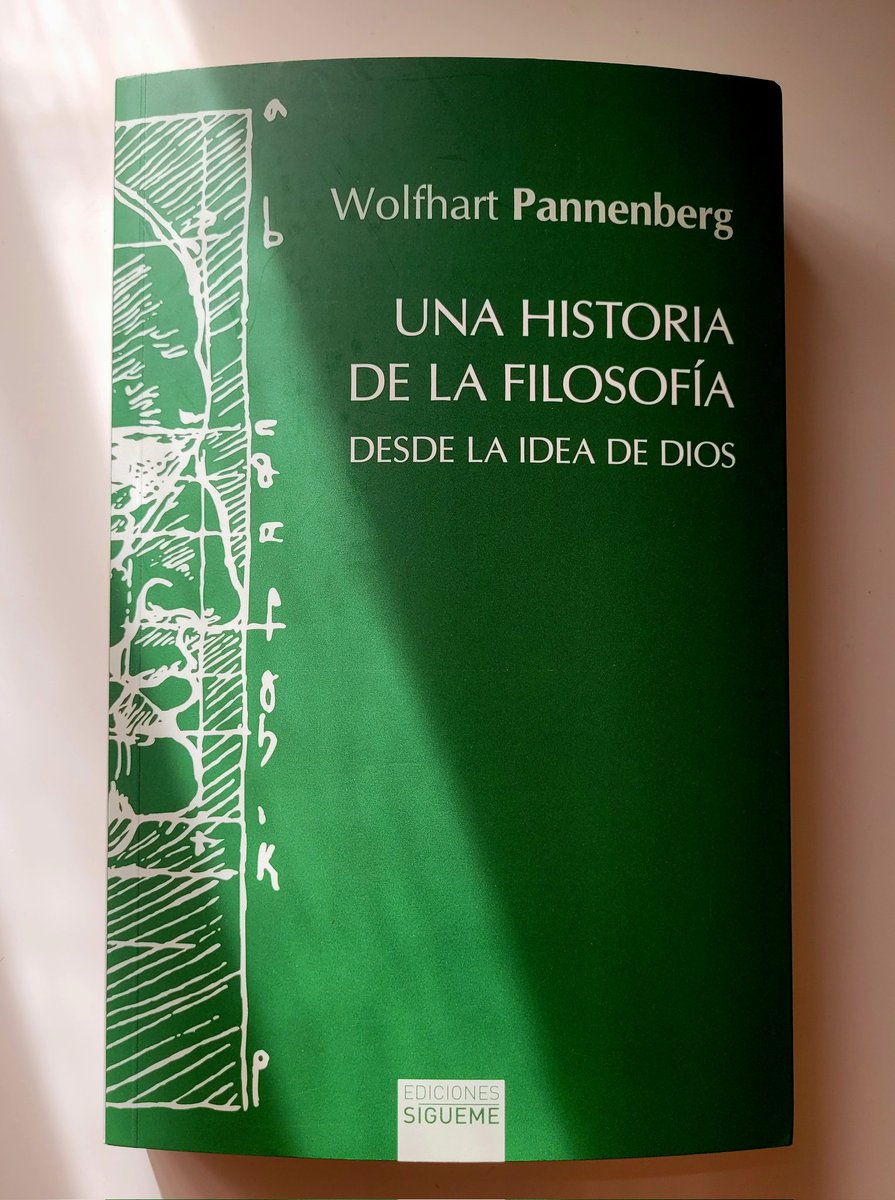
Uno de los libros de Historia de la Filosofía básicos que cualquiera que quiera dedicarse a esta disciplina debe leer.
Claro, conciso, preciso y con un hilo conductor fundamental: cómo un sistema filosófico interactúa con la idea de Dios.
Part 4. The avocado in your refrigerator was designed for an animal that went extinct 13,000 years ago. The fruit evolved its fat-rich flesh and enormous pit to be eaten whole by Pleistocene megafauna: giant ground sloths that weighed up to four tons, gomphotheres that carried four tusks, glyptodonts that were essentially armadillos the size of a car. These creatures would swallow a whole avocado, digest the flesh during a long walk, and deposit the seed far from the parent tree. The fat fed them. The seed survived. The arrangement worked for millions of years, until the megafauna went extinct around 13,000 years ago.
Botanists call the avocado an "evolutionary anachronism." No living wild animal can disperse its seed today. The pit falls to the ground, rots near the parent tree, and the plant loses. By the logic of natural selection, the avocado should have disappeared with the sloths.
What saved it was the people of Mexico. Indigenous communities in what is now Puebla began cultivating avocados around 5,000 BCE, more than 6,000 years after the megafauna vanished. The pit is still there, still enormous, still carrying specs for an animal that no longer exists. In evolutionary time, 13,000 years is too short to matter. The avocado is still waiting.
The word guacamole comes from ahuacamolli, a Nahuatl word meaning avocado sauce. That sauce now drives a $3 billion annual export industry. Mexico, and specifically the state of Michoacán, produces around 80% of all avocados sold in the United States. A truckload leaves the state every eight minutes. Avocados now outpace both tequila and beer as Mexico's most valuable agricultural export, generating roughly $9 billion in annual revenue as of 2021.
The industry attracted cartel attention in the 1980s. Farmers in Michoacán face annual extortion demands of $150 to $250 per hectare. In 2022, two US avocado inspectors were assaulted and detained at a police roadblock in the state; the US paused all imports for a week, and the price of a carton of avocados jumped 40% within days.
The avocado survived the Ice Age because people loved it enough to plant it. Five hundred years later, people love it enough to go to war over it.
Part 3. A Lebanese immigrant in 1930s Puebla set up a vertical lamb spit and called the result taco arabe: Arab taco. Three decades later, his children's version of that dish was the most iconic street food in Mexico City. The spit is still the same spit. Mexicans just call it a trompo now, which means spinning top.
Between the 1890s and 1930s, roughly 36,000 people left what is now Lebanon and settled in Mexico, most fleeing Ottoman conscription and sectarian violence. Despite never exceeding 5% of Mexico's immigrant population, they reportedly accounted for about half of all immigrant economic activity. They brought their food. In Puebla especially, they rebuilt shawarma: lamb slow-roasted on a vertical rotating spit, carved thin, served in flatbread. They called it taco arabe.
The shift to al pastor took one generation. Pork replaced lamb, because pork was cheaper and the Maronite Christian majority among the immigrants had no dietary restrictions against it. Corn tortillas replaced flatbread. Achiote, a smoky red spice paste, went into the marinade. A wedge of pineapple appeared on top of the spit. Food historian Jeffrey Pilcher, author of Planet Taco, documented that Mexican-born children of these immigrants were opening restaurants and building the hybrid by the 1960s. They named it al pastor, meaning shepherd's style, a nod to the original lamb. That lamb hasn't appeared on a Mexico City trompo in 60 years.
Blue agave, the plant that makes tequila, runs on a similar kind of patience. It takes 7 to 10 years to reach maturity, growing above 5,000 feet in volcanic soil in the state of Jalisco. Around year five, it tries to flower: it sends up a stalk that can reach 15 feet tall. Tequila producers cut that stalk down immediately. If the plant flowers, it redirects all stored sugar into reproduction and then dies. By cutting the stalk, producers force every ounce of sugar back into the heart of the plant, a fibrous core called the pina because it weighs and looks like a pineapple. When the pina is finally ready, the plant is killed to harvest it. The agave gets one chance to flower in its lifetime. For tequila, that chance is cut off.
Jimadores, the skilled farmers who harvest agave using a specialized curved blade called a coa, pass the craft father to son across generations. A jimador might spend a full career planting agave they will never see harvested. Their children come back for it.
The trompo in Mexico City has been spinning since Lebanese hands built it 90 years ago. The pina in the distillery took the better part of a decade to grow for one batch. Mexican food and drink carry their origins quietly, in the name of the dish and the patience of the plant.