We are pleased to announce a new paper that provides a new framework for plasmid classification! We reassessed the classical Pseudomonas incompatibility groups (PIncs) through several new sequences and experimental validations. (1/n)
https://t.co/kVqvvu2jaP
Our latest research has been published in ISME Host Microbe and featured on EurekAlert!
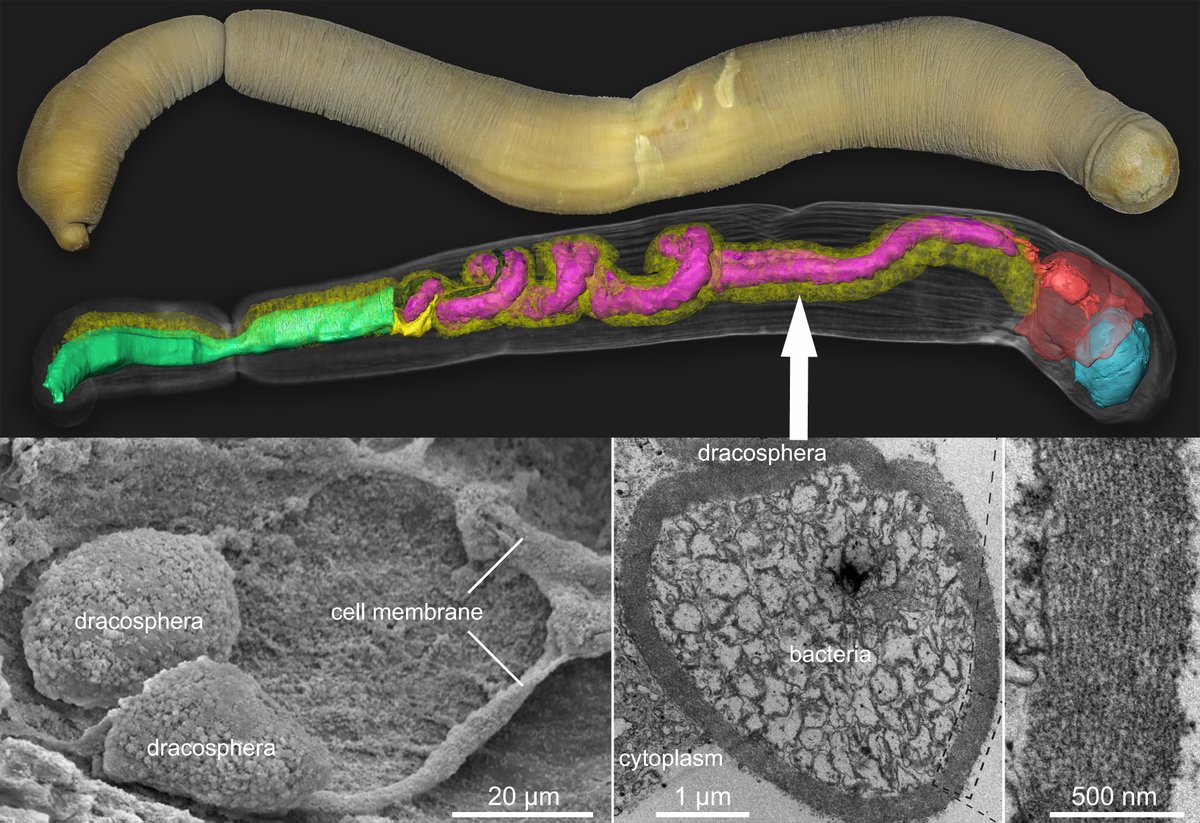
Deep in the ocean, mysterious creatures known as “sea pigs” crawl across the seafloor. 🐷🌊
https://t.co/KwJ9HEcyzO
A plasmid-encoded H-NS protein selectively binds its own plasmid | mSystems https://t.co/ipbtG2xfCy
They call it "cognate plasmid specificity", which adds to cis-acting proteins (e.g., relaxases). Plasmids show high functional complexity, beware defenders of orthogonality!
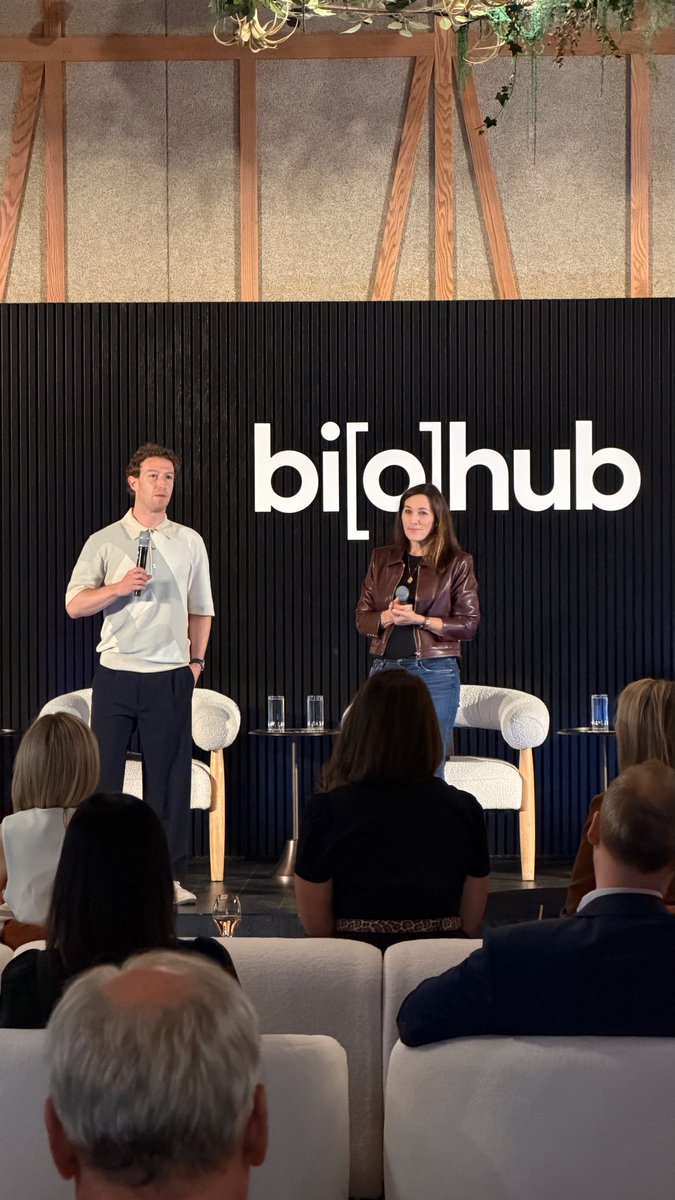
BREAKING: The U.S. government, Google, Meta & Zuckerberg-backed @biohub are launching a $1.8B push to build the data layer for AI biology.
The goal is to create the largest open, AI-ready biological dataset ever assembled, giving models the data needed to better predict how biology works & ultimately help treat disease.
The coalition is massive:
› Biohub committed $500M
› DOE is investing $500M+ across measurement, modeling & compute
› NIH is bringing $500M+ of federally funded datasets & repositories
› Meta, Google DeepMind & @IsomorphicLabs are jointly investing another $300M
This is effectively an infrastructure buildout for AI biology.
Instead of just building bigger models, they’re attacking one of the biggest bottlenecks in biology AI today, generating standardized, high-quality biological data at massive scale & making it openly available to researchers.
$1.8B committed to turning biology into something AI can increasingly model, predict & engineer.