@benibisalinyaw_ 12.15 den başladım girme çalışmasına yaklaşık 2ye kadar anca girdim ösym ile edevlet aynı anda çalışamıyormuş sanırım biri geliyor diğeri patlıyor diğeri düzeliyor öbürü patlıyor
@Haber Ford her türlü hataya düşüyor emniyet şeridinde çekme karavanlı sağa çekmiş tırcı da kapı açılma ihtimallerine karşın iki şeridi ortalayıp geri şeridine dönecek ford muhtemelen telefona veya yanındakiyle ilgileniyordu tırın sola geldiğini görmedi manevra yaptı olan oldu
@5518_mrt@Redbeeea Navigasyon açmalarına gerek yok telefonların konum sinyalleri ile uydu aracılığıyla nerede olduğun kaç km/s hızla gittiğin her şey anlık olarak uyduya gidiyor
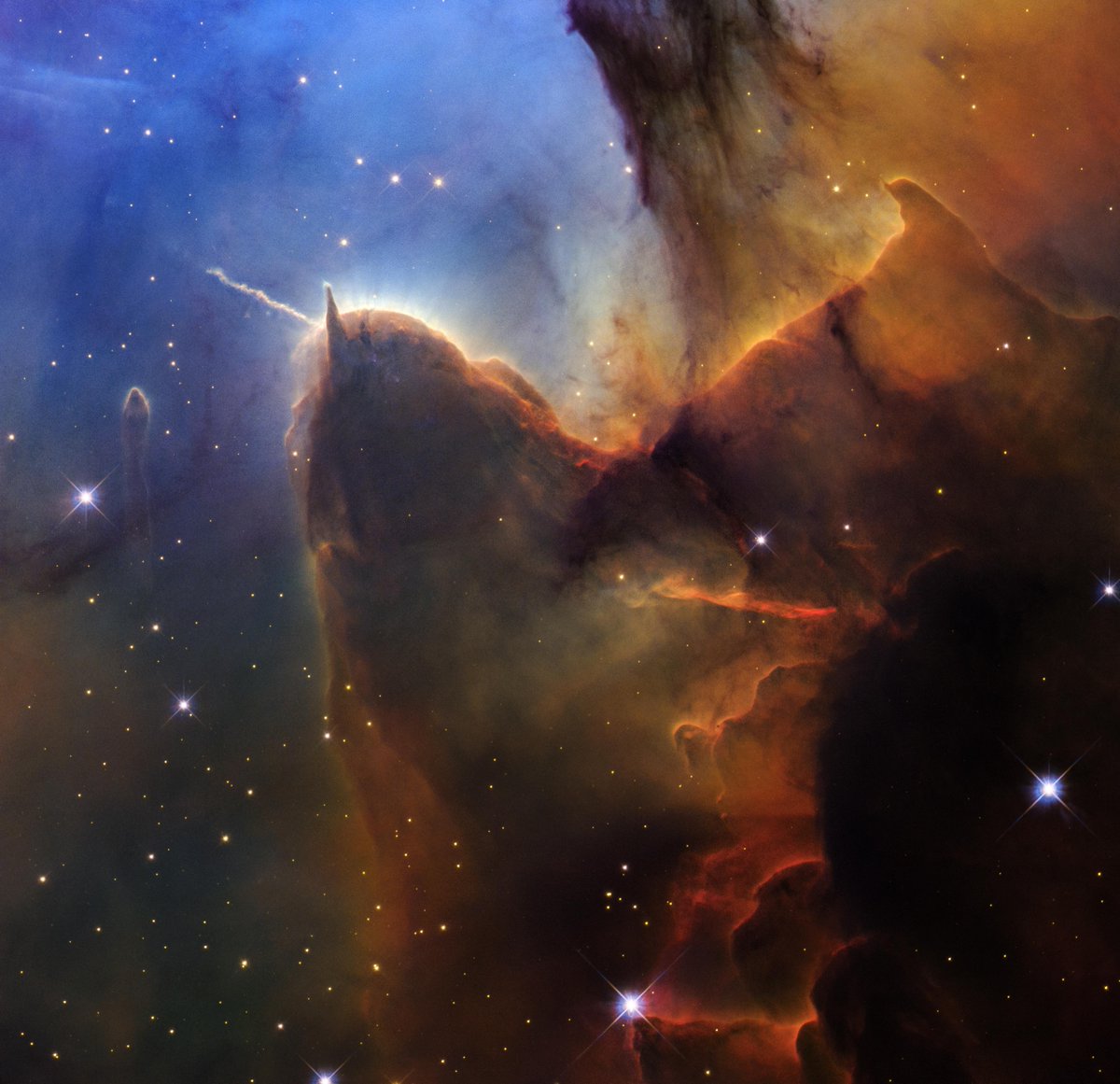
¿Una escena del fondo del mar? No, es nuestro universo. 🌊✨
@NASAHubble capturó estos detalles brillantes de la nebulosa Trífida, conocida como Messier 20 o M20. Se trata de una región de formación de estrellas situada a unos 5.000 años luz de la Tierra.
İşte BOSS, evrende şimdiye kadar keşfedilen en büyük yapı; bir milyar ışık yılından fazla genişliğe sahip galaksilerden oluşan bir duvar.
BOSS'un bir illüstrasyonu
A rare sight!
15 years ago today was the first and only time a Soyuz spacecraft departed from the @Space_Station while a space shuttle was docked.
Russian cosmonaut Dmitry Kondratyev, NASA's Cady Coleman, and ESA astronaut Paolo Nespoli were on their way back home after 159 days in space. As they set off, Nespoli captured a series of photos of Endeavour docked to the space station. STS-134 was Endeavour's last mission and the penultimate mission of the space shuttle program.
Let's take a (space)walk!
On May 27, two Roscosmos cosmonauts will exit the @Space_Station to install a solar radiation experiment on the Zvezda service module. Learn how to watch live: https://t.co/4grz6HMM5X
That Friday feeling when you finally break away.
The @NASAArtemis Orion spacecraft is designed for deep‑space missions, and its separation sequence is a key step in that journey. Once Orion detaches, it shifts into independent flight and activates the systems that guide it through reentry and splashdown. Teams at Johnson Space Center monitor every moment, ensuring Orion performs exactly as planned as NASA prepares for future Artemis missions.