The real reason why there's a lot less pushback in code vs art is history.
In coding, AI tools came out in the following order:
- Fancier Autocomplete (GitHub Copilot)
- Chatbots give error explanations. (ChatGPT)
- In-IDE Chat Panels/Extensions
- Agents that could do small tasks (Cursor)
- Agents gradually became more powerful. (Claude Code & Codex)
- Agents running in loops (Dynamic Workflows)
As a result, the engineer always remained in the driver seat. During each step, engineers benchmarked the AI, learned its strengths and weaknesses, and integrated them into their workflows. Productivity gains remained with the engineers, and our workloads and incomes increased. Rigorous empirical research showed that AI also increased software engineering jobs. [1]
In contrast, AI art tools developed in the opposite order:
- Image slot machines (Midjourney & DALL-E 2)
- Exposed under-the-hood parmeters (Stable Diffusion and Automatic1111)
- Partial edits (Inpainting & Outpainting)
- Structural Control (ControlNet & IP-Adapter)
- Custom trained personal styles (LoRAs)
- Node-based, highly visual programming language (ComfyUI)
- Integrated features in existing software (Adobe Firefly)
As a result, AI was seen by artists as economic competition: slop machines that cut out the lower end of the commission market. By the time tools actually developed enough control to be useful, the political and cultural battle lines were already drawn.
Had AI art developed in the same bottom-up fashion as coding: starting out with a "fancier brush" and gradually becoming more powerful, this pushback wouldn't exist.
- The scraping issue would have just been a mundane debate over licensing fees (risk-adverse corporate studios demand fully licensed models).
- AI art tools would be seen as things that only artists know how to use and gradually been integrated into creative workflows similar to how photography was integrated.
- Gains from Jevons Paradox (technological improvements lead to a rise in total consumption of a product) would have gone to the artists, making both artists, content creators, and indies richer.
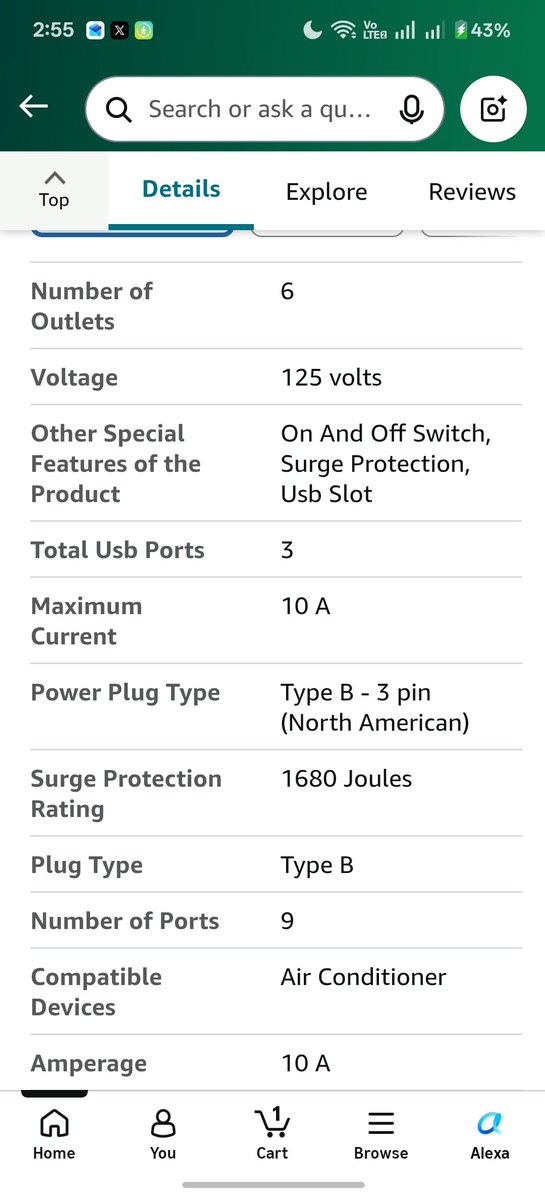
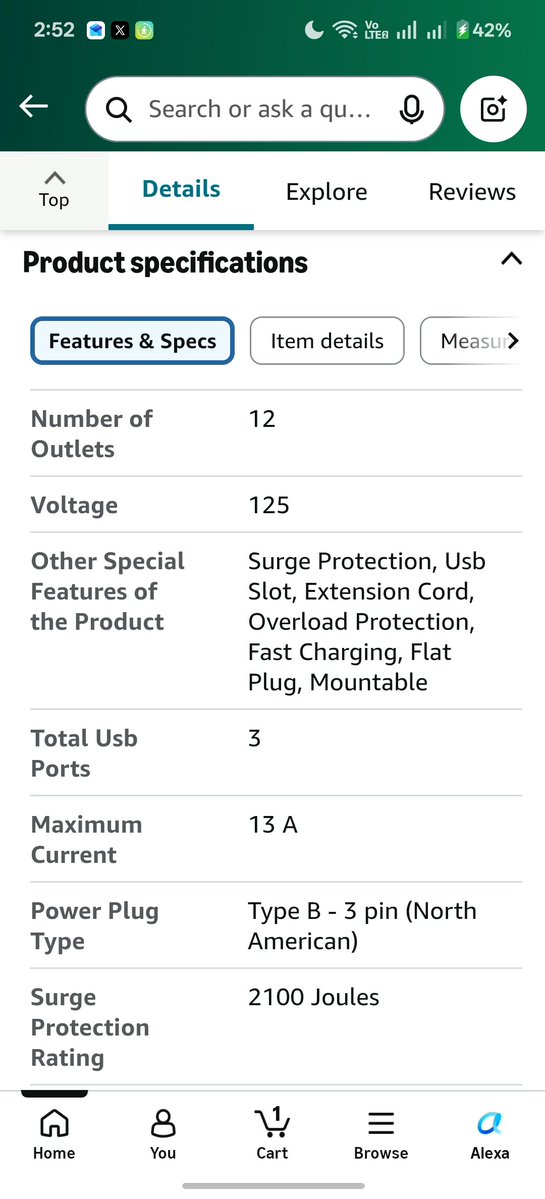
@Lina_Hoshino Ehhh. I've noticed that a lot of smaller power strips have cords rated for 10A or 13A instead of the full 15A that the outlets can support.
Japan has a giant question-and-answer website where you can ask strangers anything.
I searched it for one word: "Americans."
Japanese people are very, very confused about you. Here are some of my favorites. The best answers all come from Japanese people who've lived there.
Q: An American coworker asked me, "How was your weekend?" I told him everything. It took twenty minutes. He listened to all of it. Is he in love with me?
Best answer: No. He's American. On Monday, ask him about his weekend. Bring a snack. It will take forty minutes.
Q: I just moved to Tennessee. My new neighbor asked what church I go to. I'm Buddhist. Is this a problem?
Best answer: Not a problem. She will invite you anyway. Go once. There will be a potluck. You'll come home with enough leftovers for a week, and a new grandmother.
Q: My daughter's American boyfriend's father shook my hand for a very long time and looked directly into my eyes. I'm scared.
Best answer: That was him telling you you're family now. There's no paperwork. It's already done.
Q: My car got a flat on the highway in Wisconsin. It was snowing. A woman, maybe 70, stopped and helped me change it. Then she gave me a granola bar and told me to "drive safe." Is this normal?
Best answer: In Wisconsin, this is the minimum.
Q: My son plays Little League in Nebraska. He struck out. The other team's parents clapped for him. Did they misunderstand the rules?
Best answer: They understood the rules. In America, they clap for anybody who steps up to the plate. Your son will remember that when he's forty.
Q: At the airport, Americans walk up to soldiers they don't know and say "thank you for your service." Why? They don't know them.
Best answer: They don't need to. In America, the uniform is enough. Someday you'll see an old man in a veteran's cap at a diner, and when he asks for the check, it will already be paid. Nobody will tell him who.
And then there was this one.
Q: I work in Kansas. Last month my father died in Japan. I told one person at work. One. The next morning there was a card on my desk signed by 41 people, and a note from my boss: "Go home. Take two weeks. We've got it." How did they all know? I only told one person.
Best answer: You told one American. That's the same as telling all of them.
The man who wrote that answer lives in Osaka now. He spent twelve years in Kansas. Under his answer, he added one more line.
"I still have mine. Forty-one names. It's on my refrigerator, next to my father's photo."
I read hundreds of these questions.
Japanese people have been asking the same thing for years, a hundred different ways:
"What does this American want from me?"
And every best answer says the same thing.
"Nothing. Say thank you, and let them."