From Bitshala Fellow to Starter Grant recipient.
@AnshSharma54105 began contributing to @braidpool through the Bitshala Fellowship, and his work quickly stood out.
Later he got upgraded to a Starter Grant to continue building critical infrastructure for decentralised Bitcoin mining.
His current focus includes:
• Implementing decentralized mining pool architecture
• Integrating Stratum V2
• Optimizing consensus and P2P networking
• Building robust testing and validation workflows
from student to protocol contributor ⚡️
@zaidmstrr started working on braidpool during @summerofbitcoin 2025, and is now supported by @HRF and @OpenSats to push forward a more decentralized mining future.
proud to see this path unfold!
Thanks to @HRF for funding me in the direction of decentralized mining. The support ensures that the work in security, privacy, and human rights will continue.
⛏️ Traditional mining pools rely on a central authority, making co-option possible
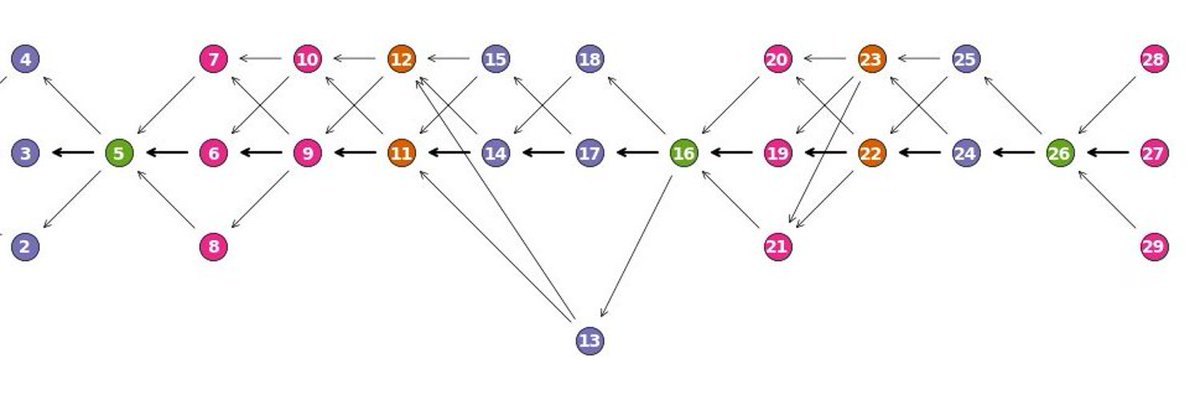
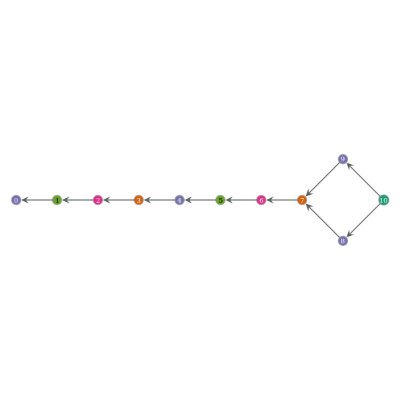
@braidpool is a P2P pool where miners collaboratively build blocks without a central operator
HRF supports dev @zaidmstrr to contribute to a more decentralized & transparent mining model
@ayushbansal2407 Thanks for confirming. Yes, sharing a high-level overview seems good because it will hold the integrity of the program for future aspirants.
Congratulations to @zaidmstrr for receiving a grant to work on Braidpool! The Audit Mode he's been working on supports the creation of a hashrate derivatives market, a key piece of infrastructure in bitcoin that most mature commodities markets have.
https://t.co/oFy06yJHS3
FIFTEENTH WAVE OF BITCOIN GRANTS
Our latest wave of grants supports a mix of protocol research, infrastructure maintenance, privacy wallets, and mining, that benefits Bitcoin’s resilience as an open monetary network.
https://t.co/bdAny9x4Od
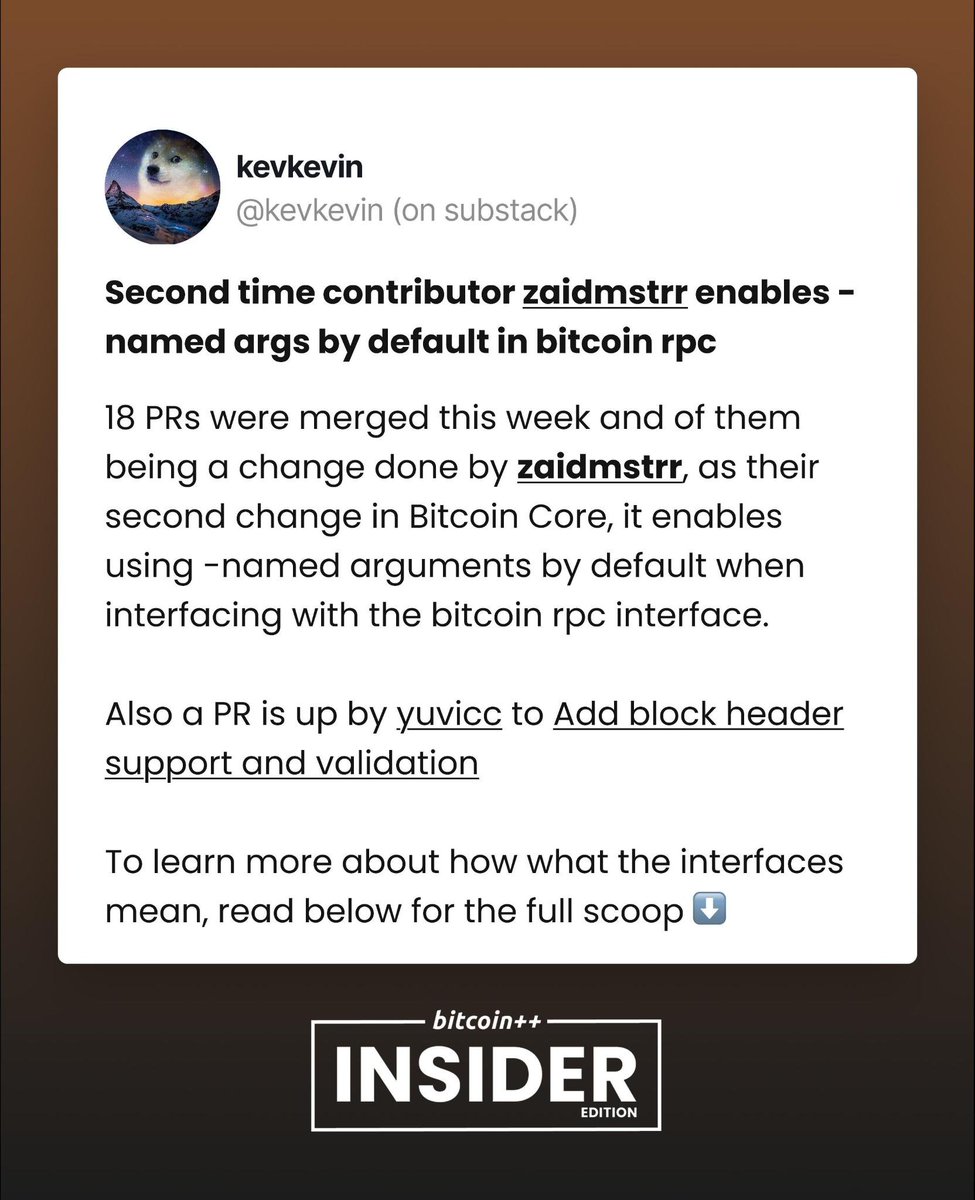
Bitcoin might be down in price, but the number of PR's merged goes up.
Join @btcinsider__ today to read about what has happened with Bitcoin Core in This Week in Bitcoin Core
Be sure to read the full article below 👇
.@zaidmstrr is awarded starter grant for @braidpool - decentralized mining pool where miners handle share accounting, payouts & tx selection themselves.
He’ll spend next 6 months hardening reliability, improving coordination logic & advancing scalable, verifiable mining infra!
Congratulations to Braidpool contributor and @bitshala_org grantee @zaidmstrr on getting his second PR merged into Bitcoin Core!
https://t.co/7MpRXjxKWr
✨New follow-up bitcoin-core change opprotunity✨
📢mentioned in: #32821 rpc: Handle -named argument parsing where '=' character is used
https://t.co/MG5fxywNVq
"> I'm wondering if there's a different way we can go about this without adding another table of arguments that need special treatment.
I'm also not a fan of separate tables and suggested the following change to unify them earlier: b998cc52d51b48db9271fdba0bd69e9aaccb7999 ([tag](https://t.co/YqucuUok27)). This change is just a refactoring and could be a followup.
> Perhaps we could move named argument handling and string to json conversion server side?
I think moving logic server side would avoid need for duplicate tables, but not actually make the code or logic simpler because the current syntax for distinguishing named parameters is inherently ambiguous. (It probably would have been better to require named parameters to begin with `-` to avoid ambiguity. It could also be better to try to parse *every* argument as JSON and just fall back to passing strings if they are not valid JSON to avoid the need for the conversion table.) I feel like current PR just makes some small tweaks to parsing to make the current syntax work a little better, and it adds good test coverage. If we follow up this PR with b998cc52d51b48db9271fdba0bd69e9aaccb7999 or incorporate those changes here, the client code should be better documented and more maintainable too." - ryanofsky
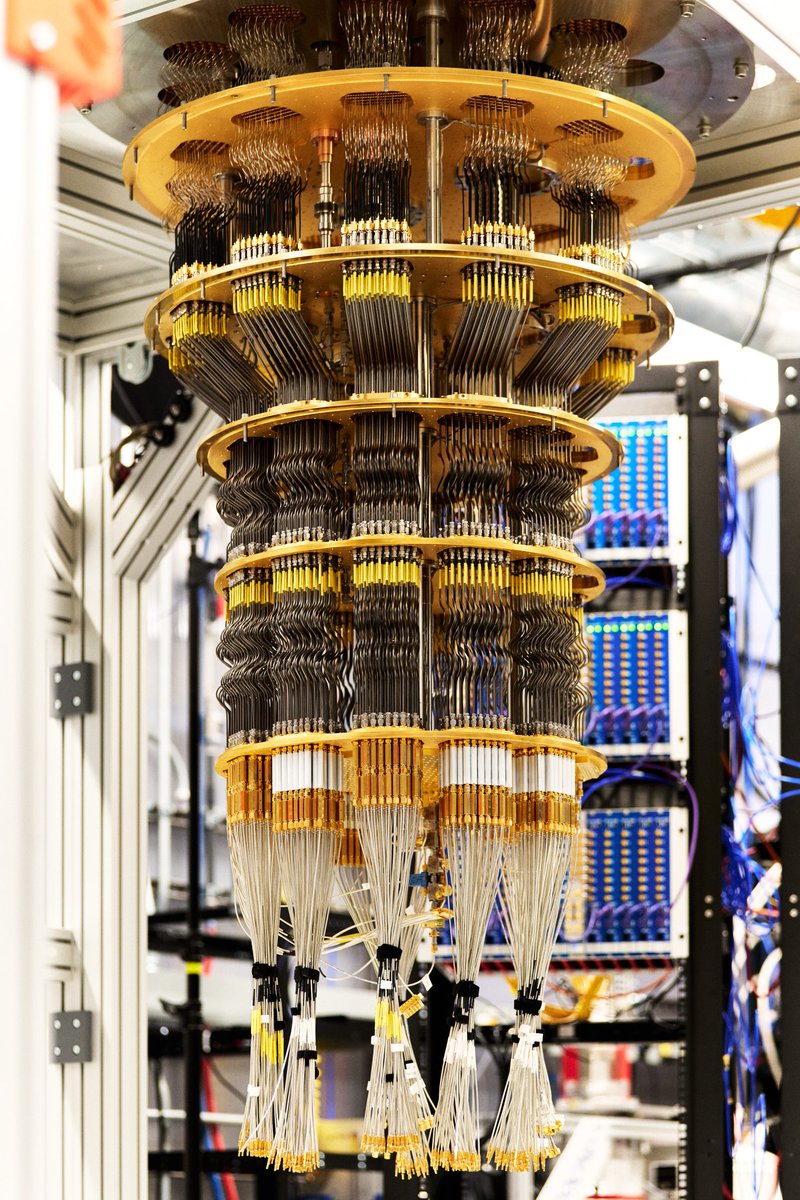
BREAKING: Google's quantum chip computed a 150-year problem in 2 hours—and proved it.
Nature confirmed today: Willow achieved verifiable quantum advantage, meaning physics validates its answers. At 13,000× classical speed with 99.9% fidelity across 105 qubits, it's not just calculating faster—it's perceiving molecular structures that were mathematically invisible until this morning.
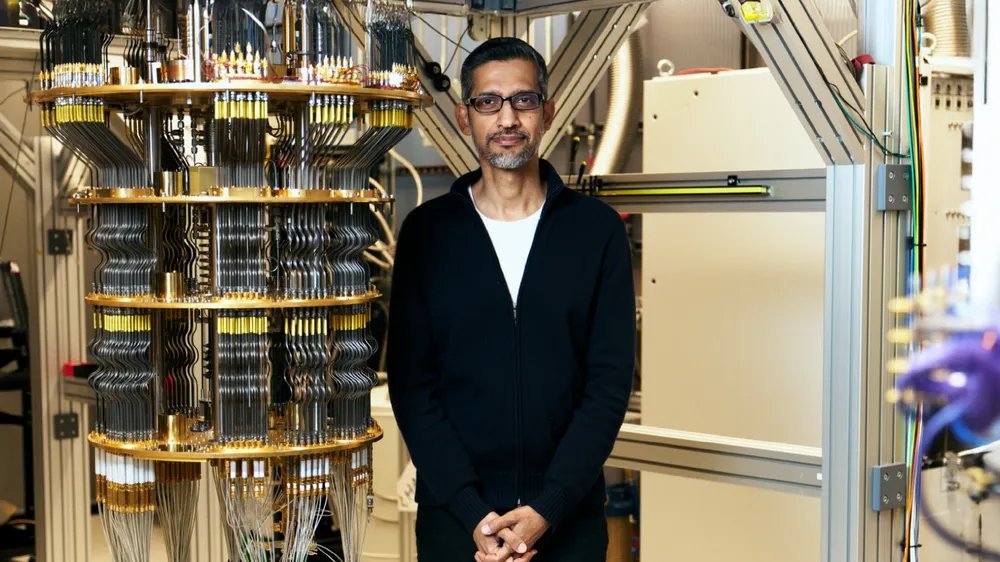
New breakthrough quantum algorithm published in @Nature today: Our Willow chip has achieved the first-ever verifiable quantum advantage.
Willow ran the algorithm - which we’ve named Quantum Echoes - 13,000x faster than the best classical algorithm on one of the world's fastest supercomputers. This new algorithm can explain interactions between atoms in a molecule using nuclear magnetic resonance, paving a path towards potential future uses in drug discovery and materials science.
And the result is verifiable, meaning its outcome can be repeated by other quantum computers or confirmed by experiments.
This breakthrough is a significant step toward the first real-world application of quantum computing, and we're excited to see where it leads.
Braidpool endorses this statement. Tx relay filters don't prevent txs from being mined, but do cause blocks to be slower to verify while nodes download missing txs. Filtooring/Knots is a net negative for the network and these devs made the right choice
https://t.co/t6YILgtzLn