Türk Han, Doğal Canlı ve Doğal Aşk. Düz, Sosyal, Seyahat Etmeyi Seviyoru. Live Natural Love Natural. Straight, Social, Love Travelling. I follow. Son of Soil.
In 1997, a footballer accidentally proved a physics principle in a soccer game that had been invisible for 300 years.
Roberto Carlos lined up for a free kick about 40 yards from goal during a France versus Brazil friendly match in Paris.
The ball sat exactly where a free kick should sit, the French wall stood between him and the goal, and everyone in the stadium knew what was about to happen. Carlos was about to attempt something that shouldn't exist in physics.
He struck the ball with his left foot at an extreme angle, nearly perpendicular to where the goal actually was. The ball curved so dramatically through the air that French goalkeeper Fabien Barthez literally didn't move. He watched it arc impossibly wide, certain it was going nowhere, his body language screaming "that's out." Then the ball bent back toward goal like it was magnetized. It crossed the goal line before Barthez could process what his eyes had just witnessed. Goal.
The stadium went silent for a second.
Then chaos.
That moment became legendary not because it was a beautiful goal, though it was, but because it revealed something about physics that most people had never actually *seen* in real time before. The ball had broken the straight line. It had obeyed a force that existed entirely in the air, invisible to the naked eye, bending space itself through sheer rotation.
That force is called the Magnus effect, and it's been hiding in plain sight in sports for over a century. Every curveball in baseball, every spinning tennis serve, every banana kick in football, every slice shot in golf. They all ride on the Magnus effect. But Carlos's free kick was different. It was the perfect storm of velocity, spin rate, and distance that made the force so visually obvious that even people who'd never heard the word "Magnus" understood something supernatural had just occurred.
Here's what actually happened in the physics.
When you strike a spinning ball with enough velocity through the air, the rotation creates a pressure differential on either side of the ball. The side spinning with the direction of motion builds up a layer of fast moving air that stays attached to the ball's surface. The opposite side spinning against the direction of motion sheds that air layer and creates lower pressure. You end up with higher pressure on one side and lower pressure on the other. Bernoulli's principle then drags the ball toward the lower pressure region. The ball curves.
That's the Magnus effect in its purest form.
It's fluid dynamics.
But here's where most explanations stop and where most people fail to grasp the real picture. The Magnus effect is *proportional* to the spin. Double the spin rate and you approximately double the curvature. But it's also proportional to the surface area. A larger ball, all else equal, experiences more Magnus effect than a smaller one. And it's wildly proportional to velocity. Lower the speed too much and the curve becomes almost nonexistent. Add speed and the curve amplifies. This is why a baseball pitcher's curveball becomes more dramatic at higher velocities, why a tennis serve curves more than a lob, and why Carlos's free kick had to travel at a certain speed to work.
Carlos struck that ball at precisely the intersection point where spin and velocity aligned to produce maximum curve over that distance. Any slower and it lands straight in the wall. Any faster and it overcorrects and misses wide. The goal was practically a mathematical solution to an equation nobody needed to solve except his foot somehow did it perfectly.
The reason this moment matters beyond football is that it made visible something that had been operating invisibly in physics and engineering for centuries. The Magnus effect powers helicopter rotors. It's why airplanes have wings. It's why you can throw a frisbee and it actually stays airborne instead of just dropping like a stone. Every spinning object moving through air experiences it. Every sport that uses a ball depends on it.
Yet most people go their entire lives without consciously recognizing this force exists.
What Carlos did was compress a century of physics education into three seconds of visible reality. He created an experiment that couldn't be ignored or dismissed or explained away. The ball curved. The goalkeeper saw it. The universe didn't change. Nothing magical happened. Just matter responding to force across empty space in exactly the way the math predicted.
The interesting part isn't that it worked. The interesting part is that we'd organized the entire sport of football for decades without truly understanding why the ball did what it did. Strikers had developed intuition about how to make a ball curve, but that intuition was operating in the dark. They couldn't articulate the relationship between spin and speed and distance. They just knew that if you hit it a certain way, it would curve a certain amount.
Then Carlos made it visible.
What happened after was instructive. Within a few years, every serious free kick taker started studying the Magnus effect. Sports scientists began measuring spin rates with new technology. Training programs started including tutorials on precisely where to strike the ball, how much curve you could generate at different velocities, how wind affected the trajectory. The gap between top tier free kick takers and everyone else widened because now you could *understand* the phenomenon you were trying to exploit.
Science doesn't change physics. It just brings the invisible into focus.
That free kick lived in the gap between intuitive mastery and conscious understanding. Carlos had mastered the Magnus effect through pure repetition and feel. But once everyone else saw it work that clearly, you couldn't claim ignorance anymore. You had to reckon with what was actually happening in the air.
In some sense, that's what every great demonstration does. It takes something that was operating beneath the surface of our attention and makes it unavoidable. The double slit experiment did that for quantum mechanics. The Michelson Morley experiment did it for the aether. A free kick did it for aerodynamics, and most of the world never even realized they were watching physics.
The next time you watch a free kick curve perfectly into goal, understand that you're watching the Magnus effect in action. You're watching air pressure differentials, Bernoulli principles, and rotational velocity align perfectly. You're watching physics become soccer.
And somewhere, a physicist is probably jealous that a football player got to make it look more beautiful than any equation ever could.
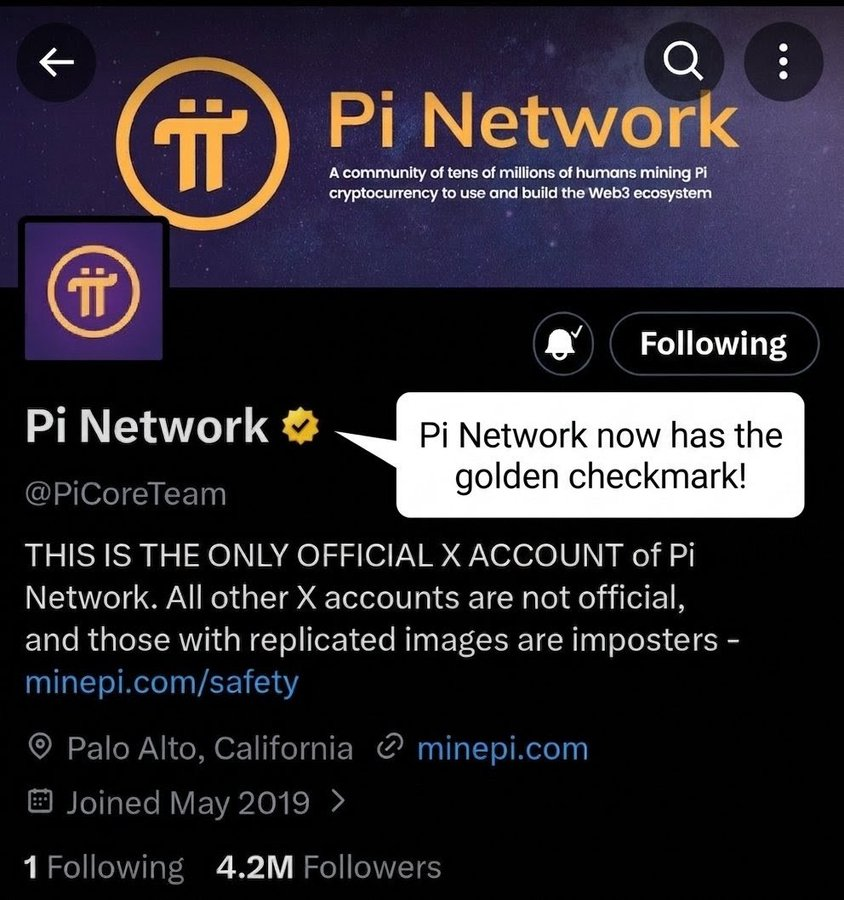
💥BREAKING: #PiNetwork official account @PiCoreTeam has been upgraded to a golden checkmark
This confirms official organization-level verification, marking a significant boost in credibility and recognition for Pi Network.
A clear signal of growing institutional presence and mainstream momentum.
شادی کی ایک تقریب میں ایک شخص نے اپنے پرائمری اسکول کے استاد کو دیکھا، جنہوں نے اسے تقریباً 35 سال پہلے پڑھایا تھا۔
وہ محبت و عقیدت سے لپک کر استاد کے پاس گیا، کچھ جھجکتے ہوئے پوچھا:
"استاد جی، کیا آپ کو یاد ہے، میں کون ہوں؟"
استاد نے نرمی سے کہا:
"معاف کرنا بیٹے، پہچان نہ پایا۔"
شاگرد نے آہستہ لہجے میں کہا:
"میں وہی لڑکا ہوں جس نے ایک بار کلاس میں ساتھی بچے کی گھڑی چرا لی تھی۔
جب وہ بچہ رونے لگا تو آپ نے ہم سب کو کھڑا کر کے جیبیں چیک کرنے کا فیصلہ کیا۔
مجھے لگا اب سب کے سامنے رسوائی ہو گی، سب ہنسیں ��ے، میری عزت خاک ہو جائے گی۔
لیکن، آپ نے سب سے پہلے ہم سب کو دیوار کی طرف منہ کر کے آنکھیں بند کرنے کا کہا، پھر سب کی جیبیں چیک کیں، اور جب میری باری آئی تو آپ نے میری جیب سے وہ گھڑی نکال لی، لیکن کسی کا نام نہ لیا، کچھ نہ کہا۔
گھڑی واپس اس بچے کو دے دی، اور بات وہیں ختم کر دی۔
نہ کوئی سزا، نہ تضحیک، نہ شرمندگی۔
اسی دن سے میں نے تہیہ کر لیا کہ زندگی میں کبھی کچھ چوری نہیں کروں گا۔
تو استاد جی، آپ کو یہ واقعہ ضرور یاد ہو گا۔"
استاد مسکرائے، کندھے پر ہاتھ رکھا اور کہا:
"ہاں بیٹے، مجھے وہ واقعہ یاد ہے
لیکن جو بات تم نہیں جانتے وہ یہ ہے کہ میں نے بھی تم سب کی جیبیں آنکھیں بند کر کے چیک کی تھیں۔
تاکہ نہ مجھے معلوم ہو چور کون تھا، اور نہ میرے دل میں اس کے لیے کوئی گِرہ رہ جائے۔
منقول ہے کہ ارجنٹائن کا ایک شہری انڈوں کا کارٹن خریدنے گیا۔ جب اس نے قیمت پوچھی تو معلوم ہوا کہ ریٹ معمول سے کافی زیادہ ہے۔ اس نے وجہ پوچھی تو دکاندار نے کہا:
"ڈسٹری بیوٹرز نے قیمت بڑھا دی ہے۔"
یہ سن کر اُس شہری نے خاموشی سے انڈوں کا کارٹن اٹھایا… پھر واپس رکھ دیا اور کہا:
"ہم انڈوں کے بغیر بھی گزارہ کر سکتے ہیں۔"
یہ کوئی مہم نہیں تھی، نہ ہڑتال… بلکہ یہ لوگوں کا شعور اور کلچر تھا۔
آہستہ آہستہ پورے شہر کے لوگوں نے یہی طرزِ عمل اپنا لیا۔ کسی نے شور نہیں مچایا، بس خریدنا بند کر دیا۔
نتیجہ کیا نکلا؟
ایک ہفتے سے بھی کم وقت میں سپلائرز انڈے لے کر دکانوں پر پہنچے، مگر دکانداروں نے نیا مال لینے سے انکار کر دیا… کیونکہ پرانا اسٹاک ہی نہیں بک رہا تھا۔
کمپنیوں نے سوچا کہ یہ وقتی ردعمل ہے، چند دن میں لوگ واپس خریداری شروع کر دیں گے۔
لیکن ایسا نہیں ہوا… لوگوں نے اپنا فیصلہ قائم رکھا۔
نقصان بڑھنے لگا…
ایک طرف انڈے فروخت نہ ہونے کی وجہ سے ضائع ہو رہے تھے،
دوسری طرف مرغیوں کی خوراک اور دیکھ بھال کا خرچ جاری تھا۔
یوں نقصان دوہرا ہوتا چلا گیا۔
آخرکار پول��ری کمپنیوں کے مالکان بیٹھے، مشورہ کیا اور قیمتیں واپس پرانے لیول پر لانے کا فیصلہ کیا…
مگر عوام پھر بھی نہ مانے۔
جب حالات مزید خراب ہوئے تو کمپنیوں کو عوام سے باقاعدہ معافی مانگنی پڑی،
اور انڈوں کی قیمت کو پہلے سے بھی کم کر کے تقریباً ایک چوتھائی تک لے آنا پڑا۔
یہ کوئی کہانی نہیں… ایک حقیقت ہے۔
یہ ہمیں یہ سکھاتی ہے کہ
ہم بحیثیت قوم چاہیں تو کسی بھی چیز کی قیمت کو کنٹرول کر سکتے ہیں۔
نہ ہنگامہ چاہیے، نہ احتجاج…
بس شعور، صبر اور اجتماعی فیصلہ۔
اگر ہم خود بدل جائیں، تو حالات خود بدل جاتے ہیں۔
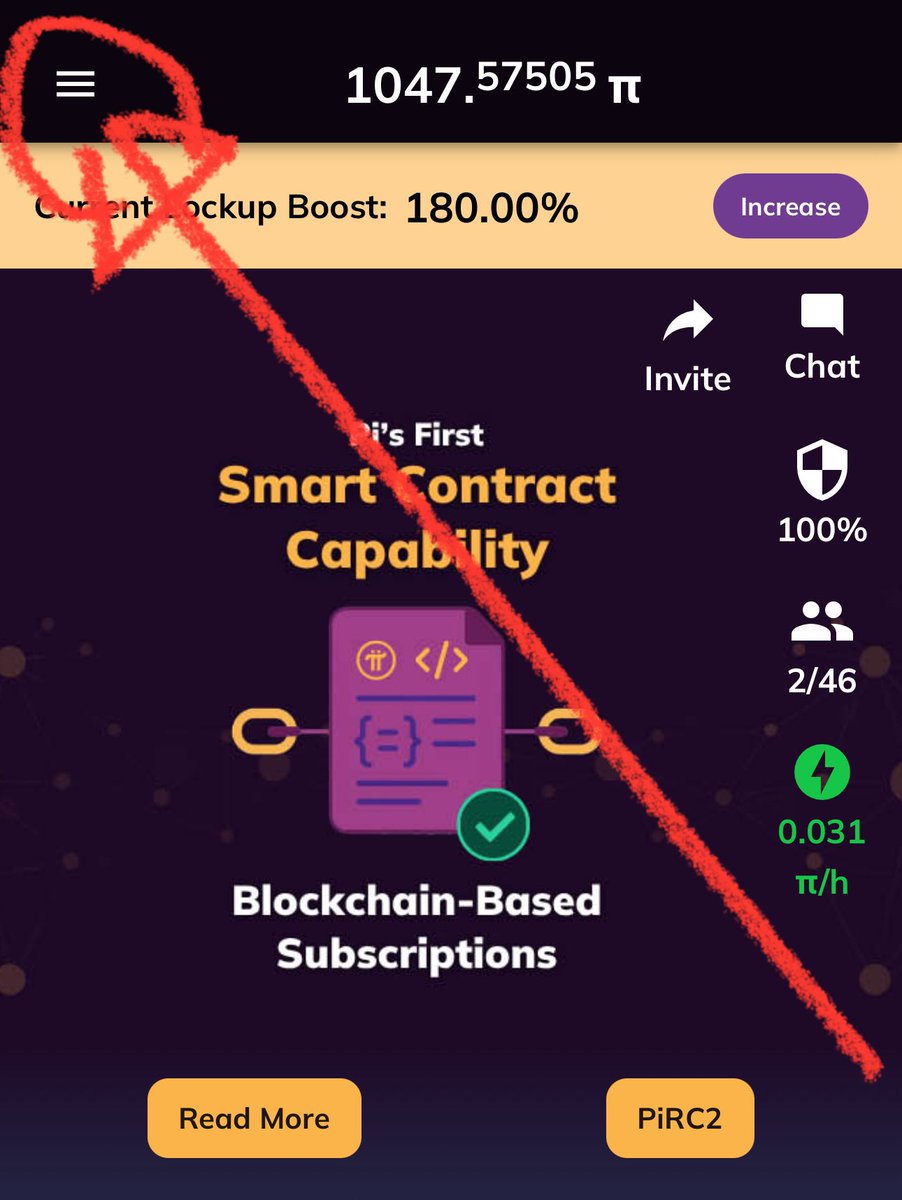
$Pi is opening up its Testnet subscription smart contract for technical review and community feedback with the release of PiRC2.
This is a big step toward building real, utility-driven applications on Pi.
Developers are invited to:
• Integrate subscription features into their apps
• Review the smart contract design
• Test for bugs and edge cases
Your feedback will help strengthen the ecosystem and shape the future of on-chain subscriptions.
Dive in and explore PiRC2 now.
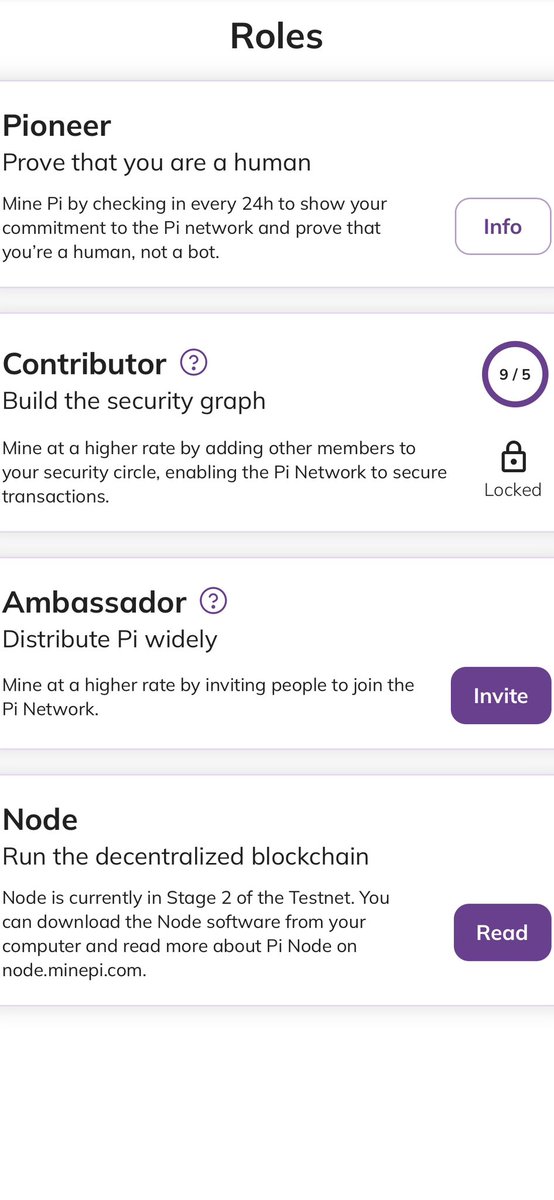
Unlocking the Power of Community: Roles Within Pi Network
Pi Network is more than just a mining app; it’s a thriving ecosystem built on collaboration. Within this network, various roles empower participants to contribute uniquely, helping to shape the future of digital currency.
Key Roles in the Pi App
1. Pioneer: Verifies humanity by checking in every 24 hours, ensuring real users populate the network.
2. Contributor: Builds the security graph by adding members to their security circle, enhancing transaction security.
3. Ambassador: Promotes Pi by inviting new users, expanding the community and increasing its influence.
4. Node: Operates the decentralized blockchain, maintaining the network’s infrastructure.
Why These Roles Matter
These roles offer distinct advantages that set Pi apart from other cryptocurrencies:
•Community Engagement: Encourages active participation and fosters a sense of ownership.
•Enhanced Security: Strengthens the network against threats through the Contributor role.
•Broad Adoption: Ambassadors drive user growth, essential for Pi’s legitimacy as a currency.
•Decentralization: Nodes support the network’s infrastructure, aligning with core blockchain principles.
Conclusion
The diverse roles within Pi Network not only enhance its community but also establish it as a viable currency. By proving identity, building security, and promoting adoption, Pi is paving the way for a more inclusive financial future. Join the movement and be part of this transformative journey!
#PiNetwork #Cryptocurrency #CommunityRoles
Pi is tackling one of the most urgent problems in the AI era: proving real human identity online.
Pi Founder Nicolas Kokkalis will speak on a panel at Consensus 2026 on Thursday, May 7, from 10:15-10:45 AM EDT at the Convergence Stage.
The session, “How to Prove You're Human in an AI World (Without Doxing Yourself),” explores how the internet’s trust model is breaking as AI systems become capable of creating bots that can generate profiles and interact like real users.
At the core of the discussion is a simple challenge: how do you verify a real human online without exposing private identity data?
Want to know how? Join us in Miami on May 7th!
See you there!
To open the Testnet subscription smart contract to technical review and community feedback, Pi has released the second Pi Request for Comment (PiRC2).
Developers are encouraged to try integrating subscriptions in their own apps, review the subscription contract design, and test for bugs or edge cases, if any.
https://t.co/nLpGQQngvs
BIG UPDATE 🚨 - $Pi Network drop this update, they’ve got over 18 million people fully KYC’d now.
That’s actually wild when you think about it. Most crypto projects are full of random unverified wallets, but Pi’s going the opposite direction: real identities, way less spam, and transfers that actually feel trustworthy.
Makes the whole thing feel way more legit for everyday stuff instead of just hype. Mainnet’s gonna hit different with actual people behind the accounts.
Anyone else lowkey excited about this?