Andy Burnham, in two weeks of being PM, has perfectly illustrated the main problem in UK public finances.
Week 1: there's a cost of living crisis, so to help you we've taken £45 a year off your electricity bill and capped bus fares at £2.
Week 2: we don't have enough money to fund everything we want to do, so we're taking £630 a year out of your salary.
Same government, same month.
Credit where it's due first - taking VAT off electricity from October is real money, so is the £2 bus cap in January if you're on a bus twice a day. Immediate cost of living relief is genuinely needed by most people.
But I'm not sure how someone who couldn't manage without that £45 a year of relief is supposed to now manage with £630 a year less in their pocket?
The £630 is a 1.8% levy on income to fund a National Care Service costed at £18bn a year. On a £35,000 salary it's £630, on £50,000 it's £900.
It's charged as a percentage of your income.
It's collected out of your income.
It is not, apparently, income tax, because they're going to call it a levy.
It also only applies to taxpayers over 34... So you turn 35 and take a pay cut, at the exact age most people are stretched on a mortgage with childcare costing more than the mortgage.
But the UKs ACTUALLY problem? Spending is too high. And it's too high in ways that are fixable if anyone was willing to challenge the status quo rather than buy more votes with handouts.
This is where £1,383bn goes this year:
Health, £269.6bn
Pensions, £236.3bn
Welfare, £204.0bn
Education, £126.7bn
Debt interest, £104.6bn
Defence, £75.2bn
Everything else, £367.1bn
Health, £269.6bn: We need mandatory health insurance as an employment benefit and a hybrid model. Everyone hears "insurance" and pictures America, someone bleeding out over a copay, as if no other model exists on earth.
The Netherlands has mandatory private health insurance. Insurers are legally required to accept everyone. They cannot charge you more for being chronically ill. A risk equalisation pool moves money towards the insurers covering the sickest people. It's consistently ranked top three in Europe.
Welfare, £204.0bn: Income tax raises £330bn. So almost 2 of every 3 pounds of Income Tax taken from every working person in this country is spoken for by the welfare bill.
Welfare should be for people who cannot work. Disability, genuine incapacity, the people it was built to protect. It has drifted into a general income top-up, and the number that proves it is 4.2 million working age people now claiming at least one health related benefit, up a million since 2019.
Change how we determine eligibility, fix a lot of spending issues immediately.
Pensions, £236.3bn: The state pension is a Ponzi scheme, and I mean that technically rather than as an insult. There is no fund - the ONS says so plainly. Your National Insurance is not being put aside and invested for your State Pension, It just pays the payouts for last year's pensioners. Yours depends entirely on there being enough workers behind you.
Which, btw, there won't be. The ratio of pensioners to workers goes from 27% to 48% by 2050 (and these estimates are before we've seen the proper impact of AI/automation on jobs.
Australia already fixed this: 12% of earnings into a private fund with your name on it, mandatory, employer paid. It's your money, it compounds, it doesn't need a bigger generation behind you to work.
We could mandate the same tomorrow and let the state pension run down over the next 40 years, eventually saving £236bn a year.
You can't levy your way out of these problems. A 1.8% charge on everyone over 34 raises £18bn. It doesn't even cover the interest on our existing debt.
And in the meantime... If we're going to borrow anyway, why is none of it buying anything?
Norway found oil in 1969 and put the money in a fund... That fund is now worth $2.049 trillion. It holds a stake in roughly 1.5% of every listed company on the planet.
We found oil in the same decade and spent it.
The UK's National Wealth Fund is capitalised at £27.8bn. Norway's is about 73 times bigger.
So where is our position in AI, in data centres, in grid scale renewables, in batteries, in electric vehicles, in any of the things the next fifty years actually runs on? We borrow £133bn a year and almost none of it buys an asset.
Fix government spending immediately, increase government income over time (without milking people for every penny of 'levy' you can find), and quality of life will genuinely improve as people have more money in their pockets.
The UK has a spending problem, not a tax problem.
When performing an emergency surgical airway, the decision-making is the essential step. After the decision, there's no time to look for resources, only for executing a technique learned in advance.
#trauma#cricothyrotomy#coniotomy#meded
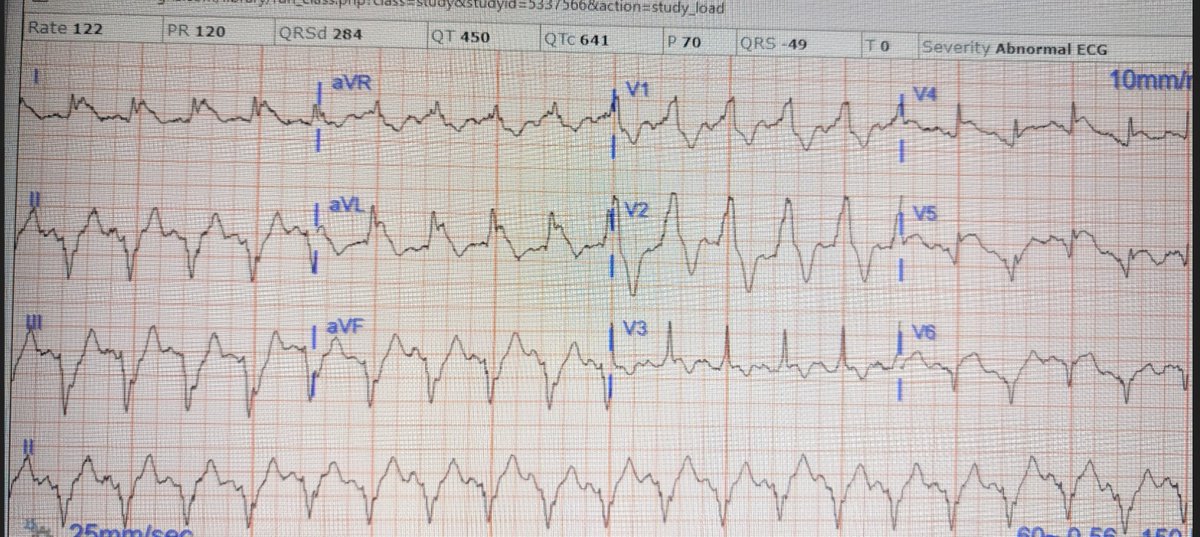
This a 🔑 concept! A new paradigm that hasn't been reflected in guidelines yet… there are ECG's pattern that cannot be missed in the ED department.
@drjohnm
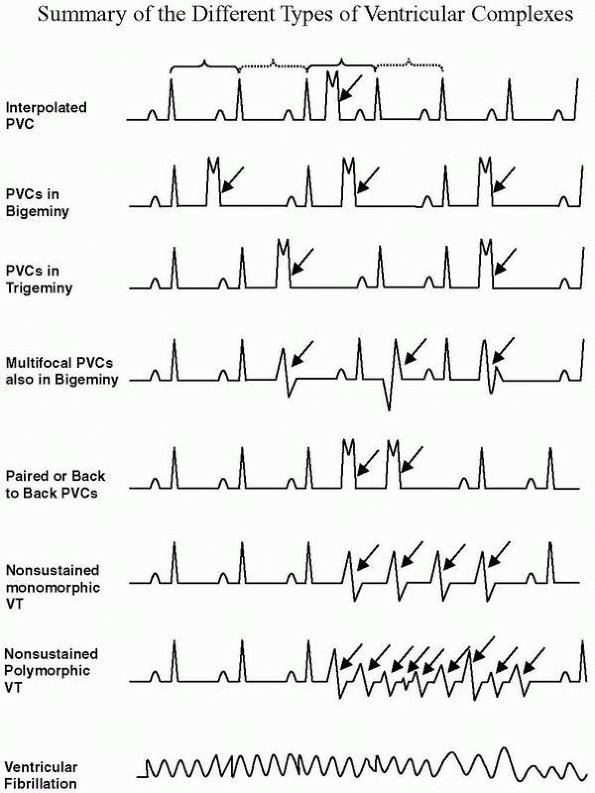
Summary of the different types of ventricular complexes.
1️⃣ Interpolated PVCs
✅ A PVC occurs between two normal beats without disrupting the sinus rhythm.
✅ No compensatory pause.
✅ Often seen in bradycardic patients.
2️⃣ PVCs in Bigeminy
✅ Every normal beat (sinus beat) is followed by a PVC → Regular pattern.
✅ The PVC is premature and typically has a wide QRS complex.
3️⃣ PVCs in Trigeminy
✅ Two normal beats followed by a PVC, repeating in a cycle.
✅ A predictable ventricular ectopy pattern.
4️⃣ Multifocal PVCs
✅ PVCs originate from multiple foci, showing different QRS morphologies.
✅ Indicates more ventricular instability than unifocal PVCs.
5️⃣ Paired or Back-to-Back PVCs
✅ Two consecutive PVCs occurring without an intervening sinus beat.
6️⃣ Nonsustained Monomorphic Ventricular Tachycardia (NSVT)
✅ Three or more consecutive PVCs at a rate >100 bpm, but lasting <30 sec.
✅ Monomorphic: All QRS complexes have the same shape (single ectopic focus).
7️⃣ Nonsustained Polymorphic Ventricular Tachycardia (NSVT)
✅ Three or more PVCs lasting <30 sec, but QRS morphology varies (multiple ectopic foci).
✅ Often associated with long QT syndrome, ischemia, or electrolyte abnormalities.
8️⃣ Ventricular Fibrillation (VF) – A Medical Emergency!
✅ Chaotic, disorganized electrical activity with no identifiable QRS complexes.
✅ The heart is quivering instead of pumping, leading to no cardiac output.
#Cardiology #ECG #MedX
This week, we’re celebrating the vital role of SAS doctors in our Emergency Departments. To support you, don’t forget to read our @EMSAS_RCEM Handbook – your essential guide to help navigate your chosen career field, created by SAS doctors in EM, for SAS doctors in EM.
Read the handbook here - https://t.co/bJysgEHO20
#SASWeek25
📌 Antiemetics
⭕️ vomiting vs Nausea
▪️Vomiting (known medically as emesis )
is the forceful expulsion of the contents
of the stomach through the mouth and
sometimes the nose.
▪️The feeling that
one is about to vomit is called nausea,
which usually precedes, but does not
always lead to, vomiting.
🔴 What are the five sources of afferent input to the vomiting center?
1️⃣Chemoreceptor trigger zone (CTZ)
2️⃣Cranial nerve X (vagus nerve)
3️⃣Vestibular system via cranial nerve VIII
4️⃣Vagal and enteric nervous system inputs
5️⃣Central nervous system (CNS) from higher brain centers
🔘 What receptors are found in the chemoreceptor trigger zone?
Dopamine D2 receptors, serotonin 5-HT3 receptors, opioid receptors, and acetylcholine receptors
🔘 How does cranial nerve X contribute to vomiting?
It is activated when the pharynx is irritated, leading to the gag reflex
🔘 What role does the vestibular system play in vomiting?
It sends information via cranial nerve VIII and is important in motion sickness. It is rich in muscarinic and histamine H1 receptors.
🔘 How do vagal and enteric nervous system inputs trigger vomiting?
They transmit information about the gastrointestinal state; irritation of the GI mucosa (e.g., by chemotherapy, radiation, distention, infection) activates 5-HT3 receptors.
🔘 How does the CNS contribute to vomiting?
Vomiting can be mediated by psychiatric disorders and stress from higher brain centers.
🔶 What are the causes of vomiting related to the digestive tract?
1️⃣Gastritis (inflammation of the stomach lining, usually viral)
2️⃣Gastroenteritis
3️⃣Bowel obstruction
4️⃣Overeating
5️⃣Food allergies
6️⃣Food poisoning
7️⃣Pregnancy
🔘 What causes vomiting related to the sensory system?
👉🏼 Motion sickness
🔘 What are the causes of vomiting related to the brain?
1️⃣Cerebral hemorrhage
2️⃣Migraine
3️⃣Brain tumors
🔘 What metabolic disturbances can cause vomiting?
1️⃣Hypercalcemia, hypoglycemia, hyperglycemia
2️⃣Uremia
⭕️ Drug reaction cause vomiting : A CODS
- Alcohol
- Chemotherapy
- Opioid
- Digoxin
-SSRIs/ Dompaninegic drug ( Antiparkinsonian)
🟢 Classes of antiemetic drugs
1️⃣Serotonin 5 HT3 Antagonists
2️⃣ Dopamine D2 Antagonist
3️⃣ Anticholinergics
4️⃣ H1 Antihistaminics
5️⃣ Cannabinoids
6️⃣ Steroids
7️⃣ Others, as anxiolytic;neurokinin-1 blocker
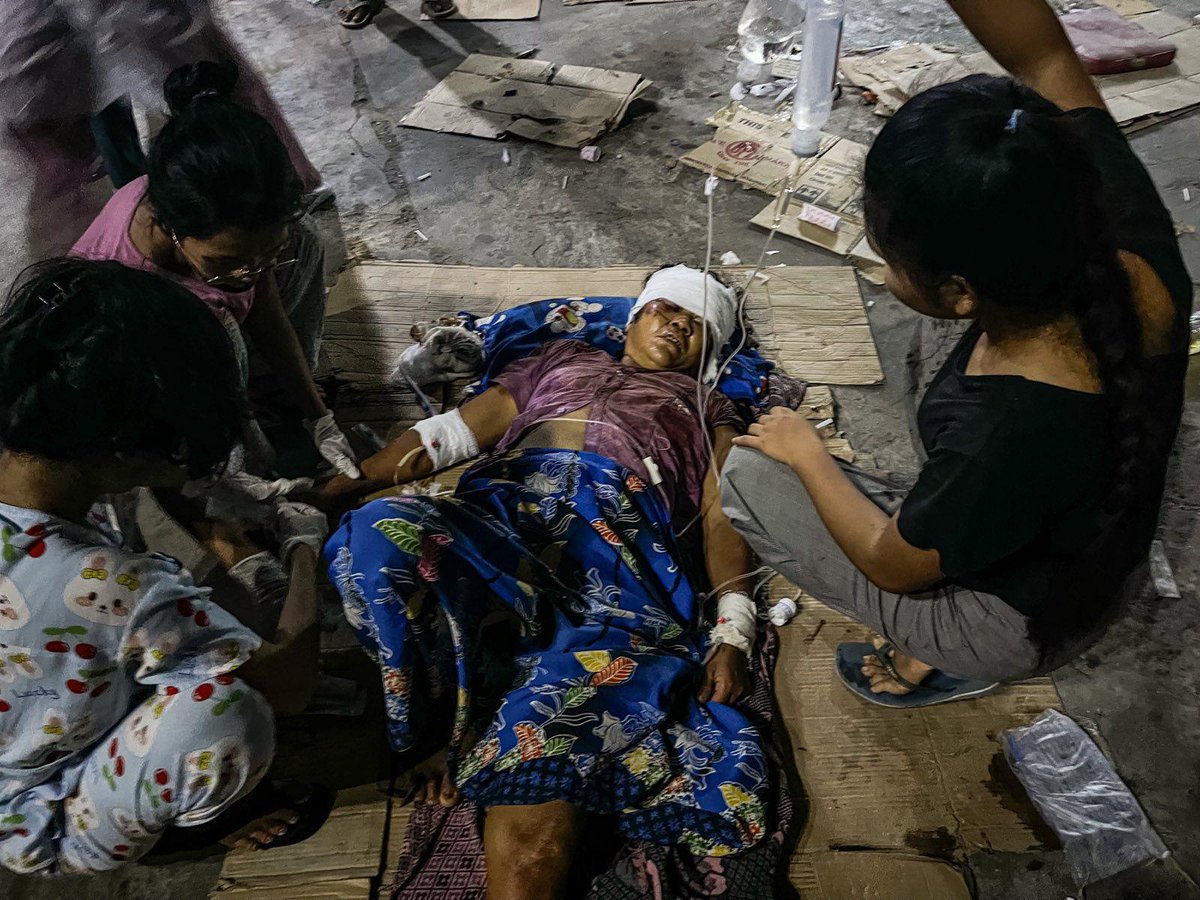
At Mandalay General Hospital, the wards are filled with patients and people injured by the earthquake are awaiting treatment on the hospital compound, according to an individual at the scene.
“From the entrance to the hospital, all I could see was patients scattered everywhere,” a witness reported from inside the compound. “Some were covered in blood, and the doctors couldn’t do anything. There was no room to place patients on hospital beds because the hospital itself was damaged.”
https://t.co/aVZNNCemjs
Emergency medicine is a lifestyle, not just a job.
You’ll see the sickest patients, the worst luck, and the darkest corners of humanity—& still be expected to smile, move fast, and get it right every time. A thread on what they don’t tell you about EM. 🧵
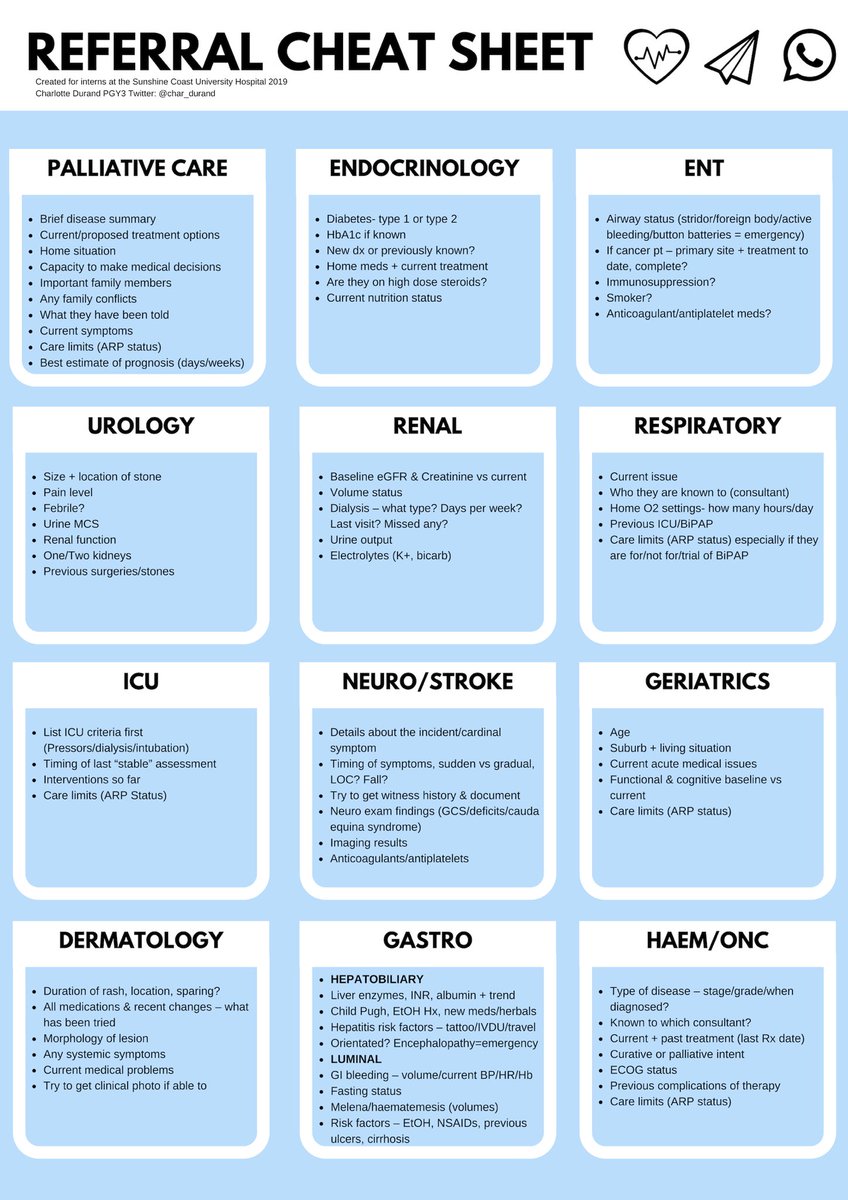
Intern referral cheat sheet! Thanks to everyone from #medtwitter who offered suggestions to help me put this together. Have given to a couple of interns to trial this week after approval from some local registrars. #meded#tipsfornewdocs
The Association of Anaesthetists have published new guidelines on blood components & their alternatives!
Tranexamic acid has been proven to ⬇️ bleeding in most surgical settings.
But what dose of TXA should you use in different clinical contexts?
#anaesthesia #haematology #medicine
https://t.co/YS9UplXrpi
BER vs Hyperacute T Waves vs Peaked T Waves (HyperK+)
1️⃣ BER: Notching or slurring at J-point; Prominent, slightly asymmetric
2️⃣ Hyperacute T Wave: Disproportionately tall, broad
3️⃣ Peaked T Wave: Tall, narrow, symmetrically peaked
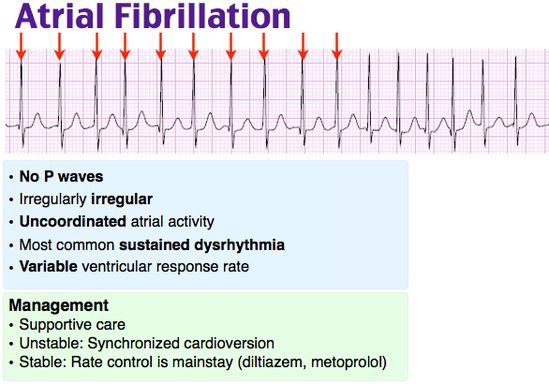
Management of Atrial Fibrillation in the ED
1️⃣Rhythm Control
•Synchronized Cardioversion:
•🚨 Unstable patients or <65 years with new/paroxysmal AF (<48 hours).
•<48 hours: Cardioversion without anticoagulation.
•> 48 hours: Anticoagulate, then outpatient referral for cardioversion.
2️⃣Rate Control
•Beta-blockers: Metoprolol 5 mg IV q5min (max 3 doses), then 25–100 mg PO.
•Calcium channel blockers: Diltiazem 0.25 mg/kg IV, repeat 25 mg if needed, then 60–120 mg PO.
•Digoxin: 500 mcg IV, then 250 mcg q4h (total 1 mg). Adjust for renal dysfunction.
•Amiodarone: 150 mg IV x 10 min, then infusion.
•Procainamide: 1 g IV over 60 min; monitor BP, QTc, and QRS.
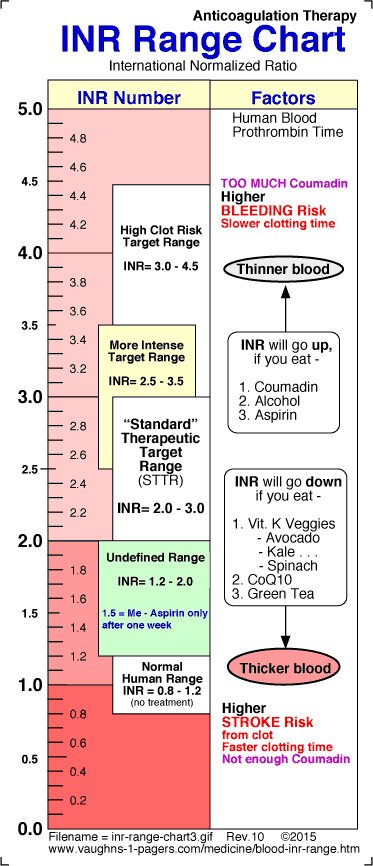
3️⃣ 🩸 Anticoagulation
•Start in high-risk patients (CHADS2-VASc ≥1).
•NOACs preferred; consider warfarin if contraindications.
•Use HAS-BLED to assess bleeding risk.
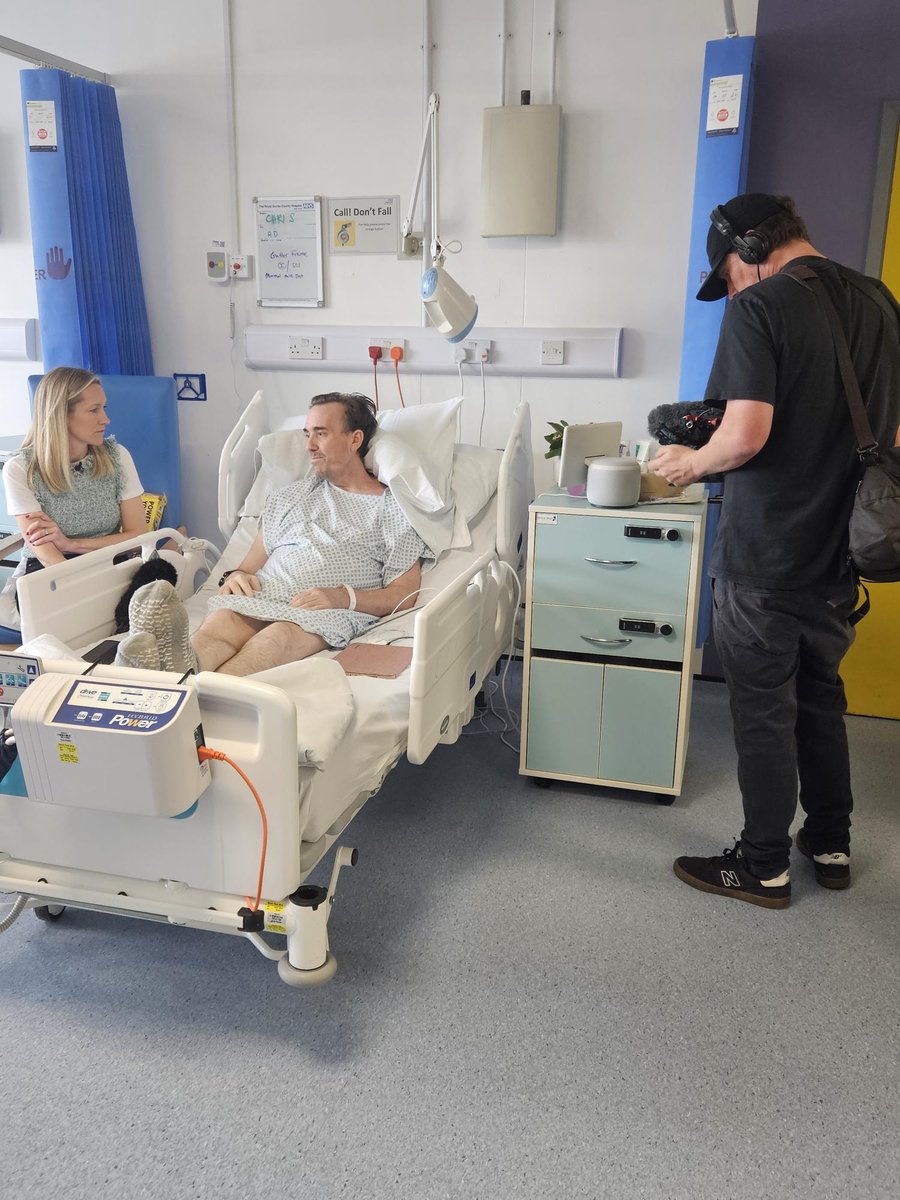
This week ITV News visited to report on NHS performance.
We showcased our Emergency Department, one of the best in the country despite record patient numbers.
The crew also heard about our winter plans & efforts to support timely patient discharges.
#RoyalSurrey#NHS