@e_flux Thanks a 1000x to Nick Axel @alucidwake and Daniel Barber @abdbcb for the invitation to the series “After Comfort: A User’s Guide” and the wonderful editing they did.
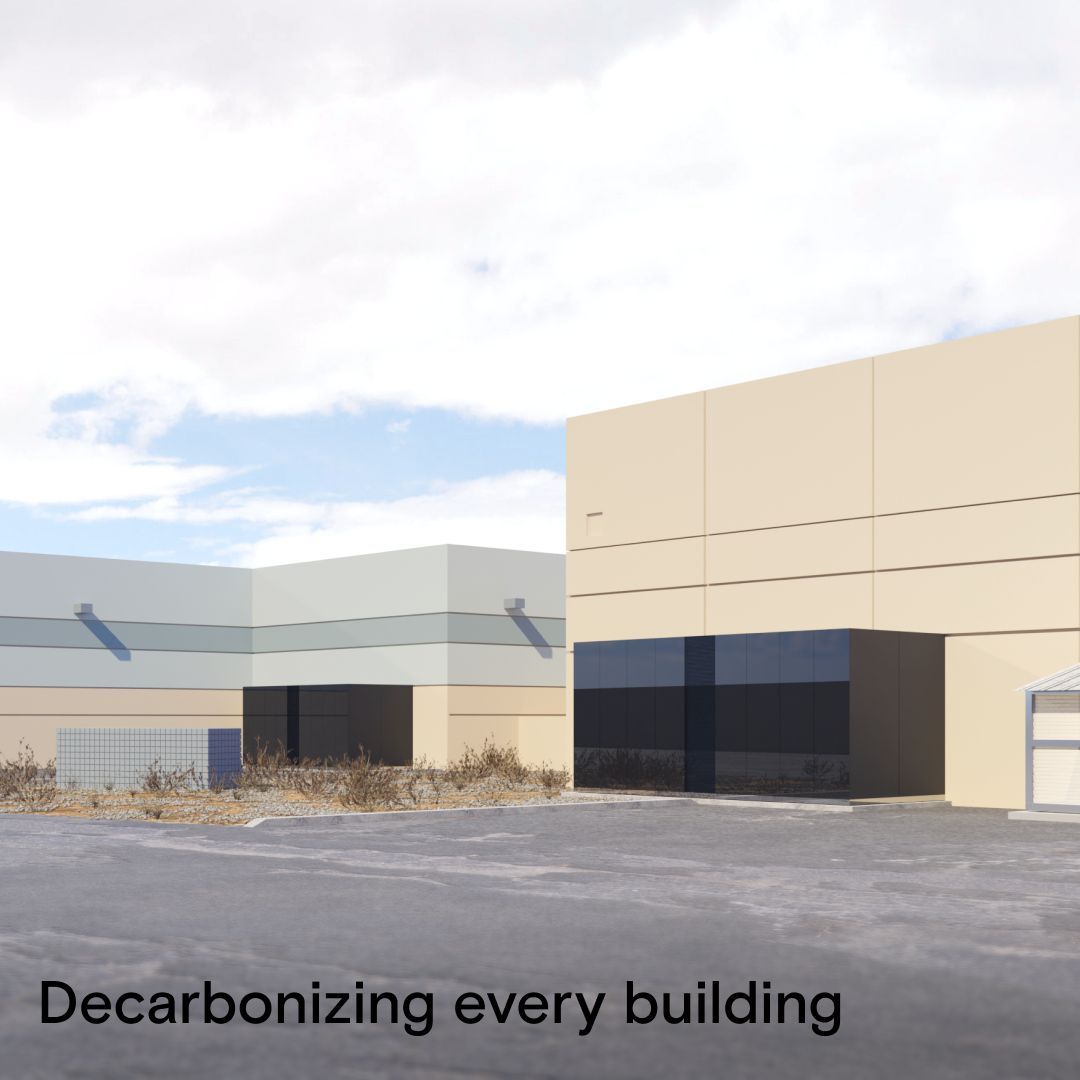
And thank you also to Victoria Fernandez of @sombreeclatstudio for the A.I. visuals.
Decarbonizing every building, even the least efficient ones.
The energy renovation of many existing buildings can be difficult. Upgrading the envelope with insulation is slow, expensive and sometimes simply impossible.
1/4
The drop-in energy systems are easy to install and combine thermal mass, load-shifting and solar amplification to deliver significant savings, both financial and environmental, and improve resilience during extreme weather events and grid outages.
3/4
Renewable energy and energy efficiency are key to lowering emissions.
But with increased RES, we need efficiency only at certain moments.
Indeed, wind and solar bring moments with energy abundance (now in Europe with the wind), so do we really need to be efficient?
1/3
Optimising the grid is also thermal !
Great article in the New Yorker about the relationship between grid stress, renewables, building thermal loads, and weather events. But they only talk about electrical storage though.
This is where we come in.
https://t.co/BJLzREDraa
Zeroth offers a new path towards the decarbonization of the existing building stock by improving the thermodynamic profile of the building while limiting complex, time-consuming and resource-intensive interventions on the building envelope.
1/4
"...since at least 40% of buildings floor area in developed economies was built before 1980, when the first thermal regulations came into force.”
See IEA Report, September 2022
https://t.co/2ydlO5N0T5
3/4
This flexibility greatly improves electrical energy consumption. The system sources heat during the day when it is most available, and rejects heat at night when it is coldest. Consequently, the carbon footprint is greatly improved.
3/3
Zeroth enables the dynamic decoupling between sourcing and distributing energy, both thermal and electrical. In other words, the system leverages price and temperature fluctuations to maximize savings and minimize carbon footprint.
Image : Exploded view of a Zeroth Medium.
1/3
Step 1 – Source energy from the air, the sun, or the grid
Step 2 – Amplify thermal energy with our patented load-shifting process
Step 3 – Store energy in water and a small supercapacitor
Step 4 – Distribute hot or cold water to the building, on-demand
2/3