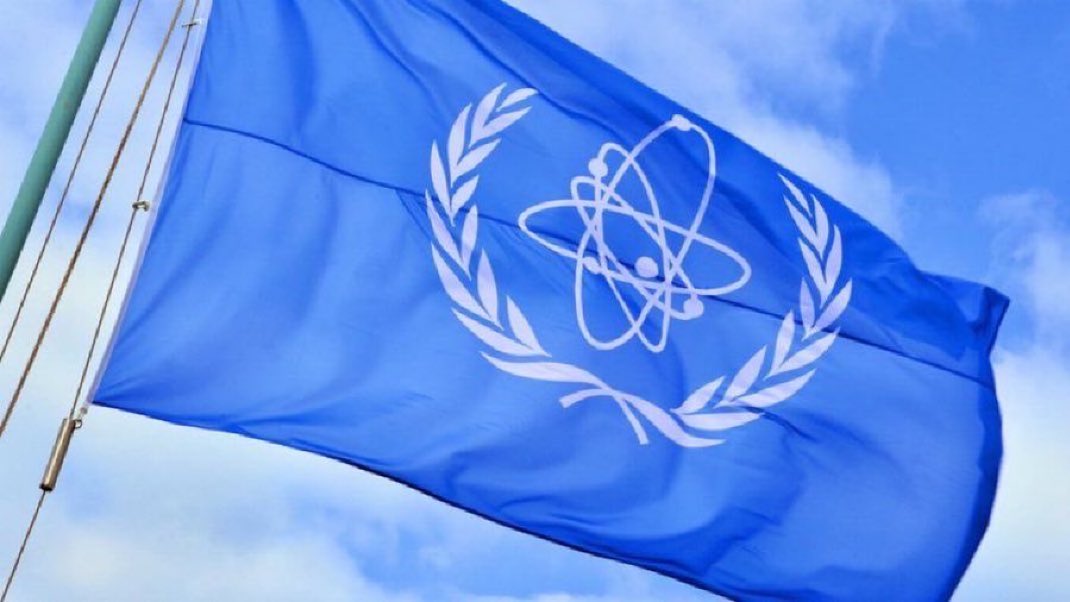
The IAEA has been informed by Iran that another projectile hit the premises of the Bushehr Nuclear Power Plant today. According to Iran, there was no damage to the NPP itself nor injuries to staff, and the condition of the plant is normal. IAEA DG @rafaelmgrossi reiterates call for maximum restraint to avoid nuclear safety risks during conflict.
The war in the Middle East has reached a perilous stage with strikes reportedly hitting the Natanz Enrichment Complex in Iran, and the Israeli city of Dimona, where a nuclear facility is located.
@iaeaorg is looking into incidents reported yesterday in southeastern Iran, and in Israel’s city of Dimona. No indications of abnormal or increased off-site radiation levels have been reported.
Attacks targeting nuclear sites create an escalating threat to public health and environmental safety.
Since the outbreak of hostilities, @WHO has provided critical training to its own staff and @UN personnel across 13 countries to help them respond effectively to public health threats in the event of a nuclear incident.
I urgently call on all parties to exercise maximum military restraint and avoid any actions that could trigger nuclear incidents. Leaders must prioritize de-escalation and protect civilians
Peace is the best medicine.
BREAKING: The International Atomic Energy Agency says no abnormal radiation levels have been detected after the missile strike in Israel's Dimona, adding that there are no indications of damage to the Negev nuclear research centre.
🔴 LIVE updates: https://t.co/A3wttt8AWI
The IAEA is aware of reports of an incident in the city of Dimona, Israel, involving a missile impact and has not received any indication of damage to the nuclear research center Negev.
Information from regional States indicates that no abnormal radiation levels have been detected.
Closely monitoring the situation, Director General @RafaelMGrossi stressed that "maximum military restraint should be observed, in particular in the vicinity of nuclear facilities".
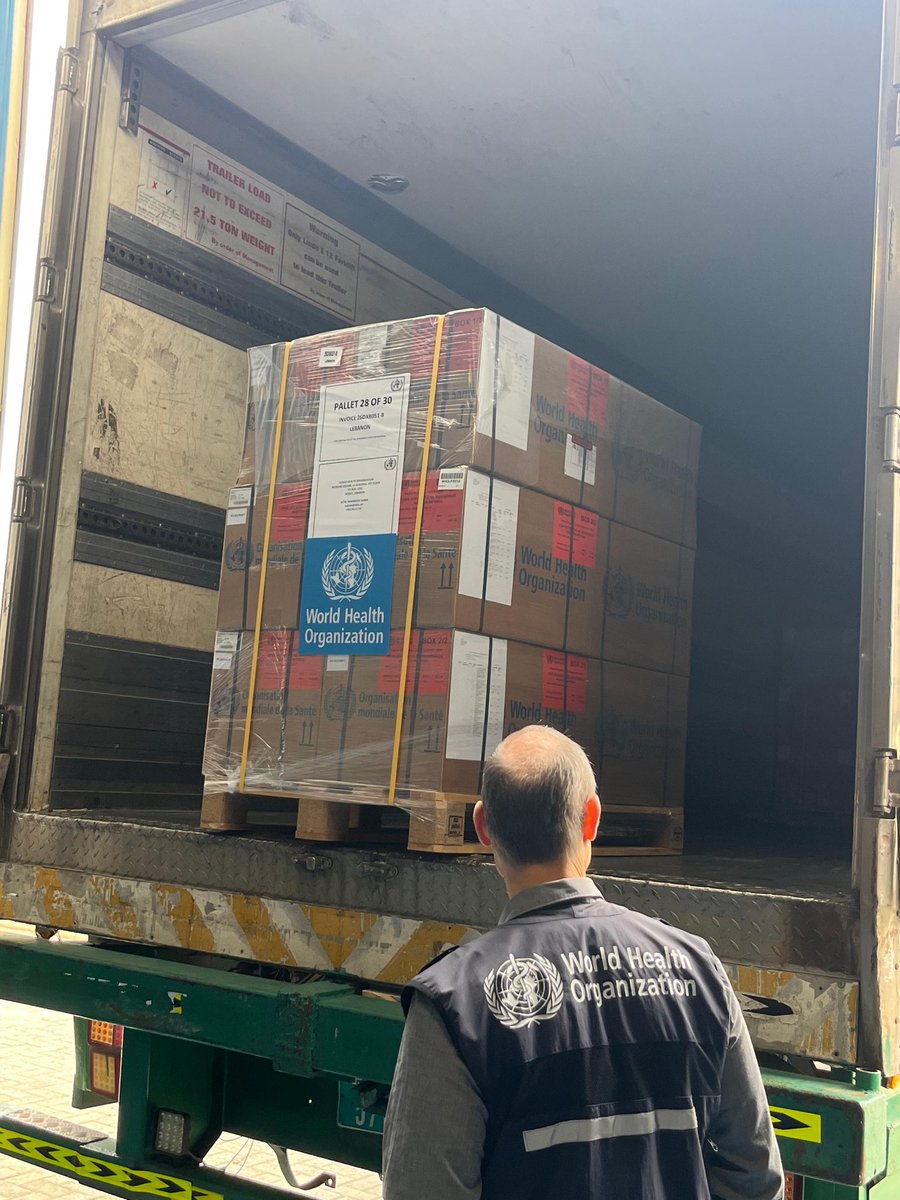
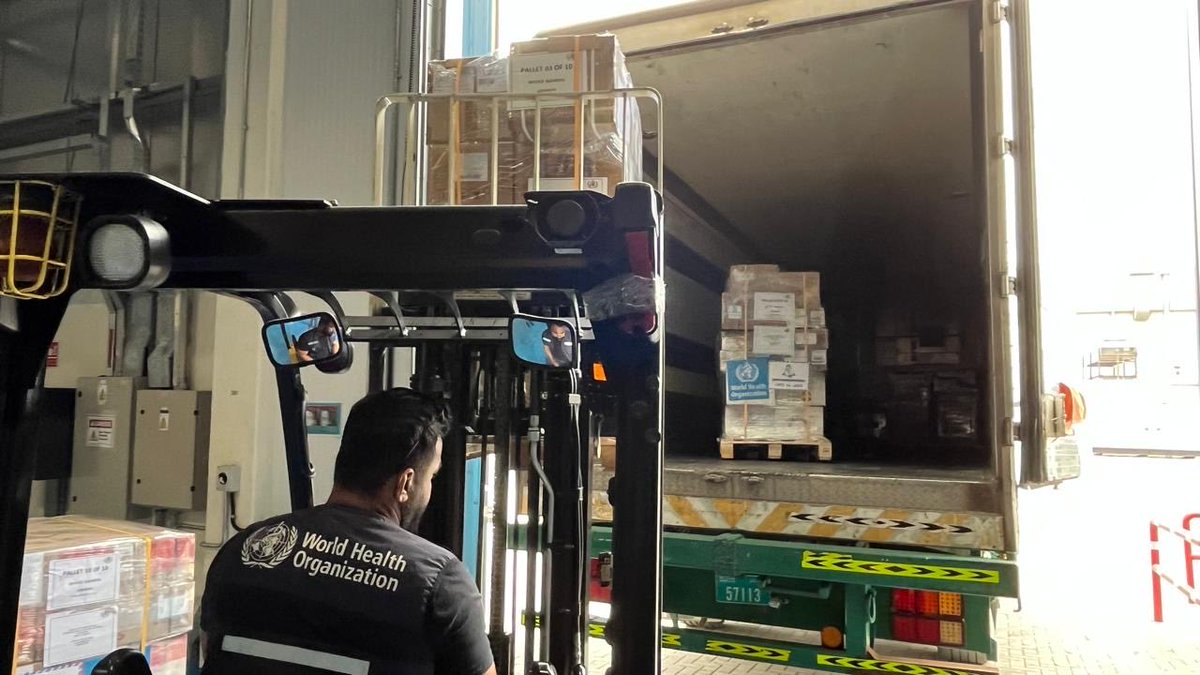
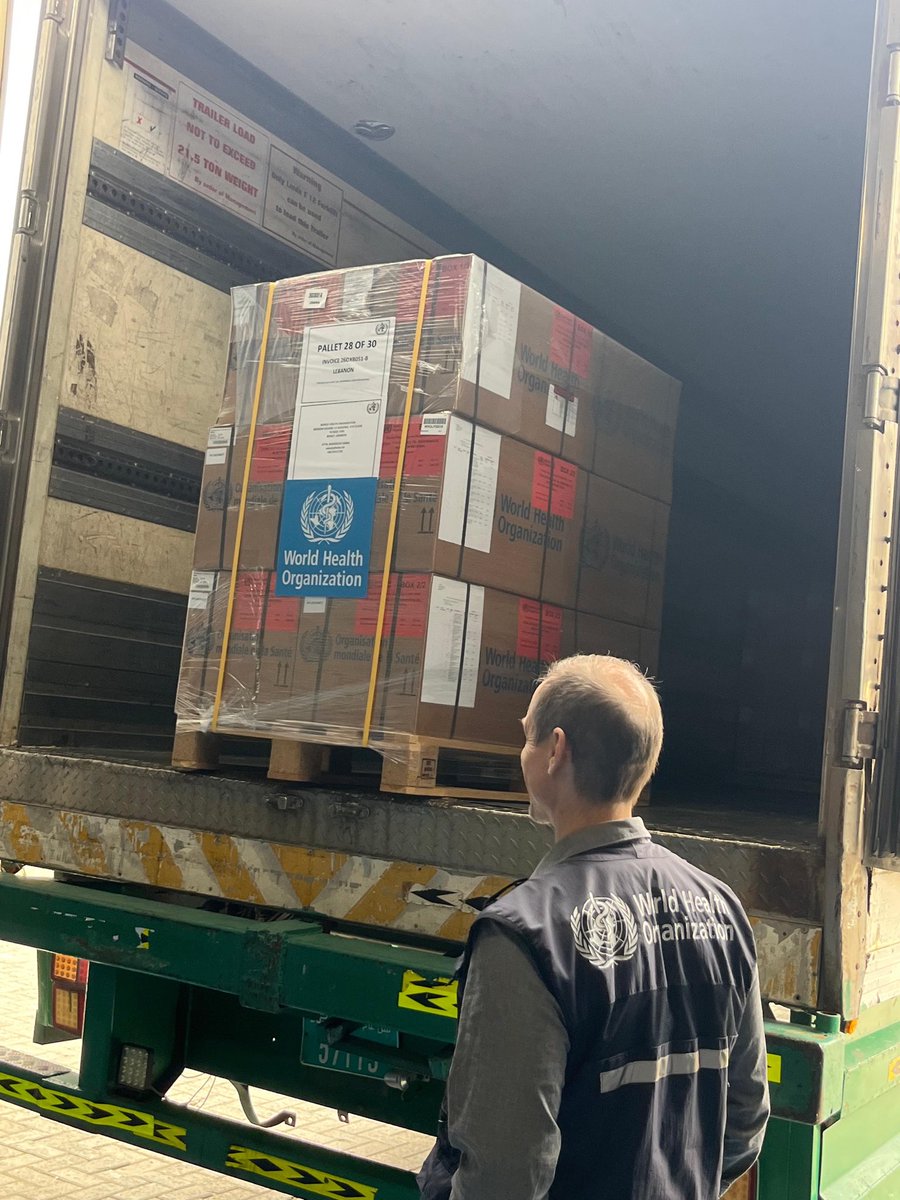
.@WHO has dispatched 22 metric tonnes of life-saving medicines and trauma and emergency surgery supplies to #Beirut — enough to support treatment for 50,000 patients, including 40,000 surgical interventions.
This is the first land convoy dispatched through a multi-country land bridge from WHO's Global Logistics Hub in Dubai, which has established a new route to keep supplies moving amid growing logistics disruptions across the Middle East region. The convoy is expected to reach Beirut within a week.
Lebanon's #health system is facing mounting pressure from rising needs, mass displacement, and critical shortages of medicines, supplies and fuel. Health workers continue to operate under difficult conditions, with access to care increasingly limited for the most vulnerable.
More WHO shipments are ready and will be dispatched soon to support the response in Lebanon.
WHO thanks the Government of the UAE for over a decade of partnership supporting the Global Logistics Hub, which keeps humanitarian supplies moving to more than 150 countries worldwide.
WHO calls for the protection of healthcare and urges all parties to choose the life-saving path to peace.
The International Atomic Energy Agency said it is looking into reports from Iran that a nuclear site was attacked on Saturday, as its director Rafael Mariano Grossi called for “military restraint to avoid any risk of a nuclear accident.” https://t.co/PBoah1xAsl
As millions of people around the world mark Nowruz, @antonioguterres says:
“Across all nations and cultures, let’s walk together as we build a more peaceful, sustainable and inclusive world for all people.
May this Nowruz bring joy, health, prosperity and peace.”
In these difficult & divided times, the message of #Nowruz is vital.
It represents a new chance to build bridges of understanding & mutual respect among all cultures & peoples.
Together, let's build a more peaceful, sustainable & inclusive world.
Women’s rights are human rights. And investing in women and girls is one of the surest ways to make the world a better place
Yet, progress on gender equality has been slow and uneven.
It’s time to take action and deliver the equality our world so sorely needs.
Women and girls are changing the world.
Let’s change the world for women and girls.
Escalating conflict across Iran and the Middle East has killed over 1,000 people, displaced over 100,000 *more* and affected 16 countries.
WHO has verified 13 attacks on health care in Iran, and one in Lebanon. Attacks on health care violate humanitarian law. Nuclear risks pose grave public health threats.
Operations at WHO's Logistics Hub for Global Health Emergencies in Dubai are currently on hold due to insecurity.
WHO is working closely with our offices in the affected countries to monitor the impact on the delivery of health services, and provide support when needed and requested.
I call on all parties to uphold international law, protect health facilities, health workers and patients.
Peace is the best medicine. Only the brave chose peace.
"I call for an immediate cessation of hostilities and de-escalation. Failing to do so risks a wider regional conflict with grave consequences for civilians and regional stability. I strongly encourage all parties to return immediately to the negotiating table." - @antonioguterres
IAEA remains in constant contact with national nuclear safety regulators in the Middle East. So far, no elevation of radiation detected. The nuclear power plant in UAE and research reactors in Jordan and Syria continue to operate normally. DG @rafaelmgrossi stresses the paramount importance of maintaining regional nuclear safety and security during the military conflict.
Based on the latest available satellite imagery, IAEA can now confirm some recent damage to entrance buildings of Iran’s underground Natanz Fuel Enrichment Plant (FEP). No radiological consequence expected and no additional impact detected at FEP itself, which was severely damaged in the June conflict.
I condemn today’s military escalation in the Middle East. The use of force by the United States & Israel against Iran, and the subsequent retaliation by Iran across the region, undermine international peace & security.
All Member States must respect their obligations under international law, including the Charter of the @UN. The Charter clearly prohibits “the threat of the use of force against the territorial integrity or political independence of any state, or in any other manner inconsistent with the Purposes of the United Nations.”
I call for an immediate cessation of hostilities & de-escalation. Failing to do so risks a wider regional conflict with grave consequences for civilians & regional stability. I strongly encourage all parties to return immediately to the negotiating table.
I reiterate that there is no viable alternative to the peaceful settlement of international disputes, in full accordance with international law, including the UN Charter. The Charter provides the foundation for the maintenance of international peace and security.
The IAEA is closely monitoring developments in the Middle East, and urges restraint to avoid any nuclear safety risks to people in the region. The IAEA is in permanent contact with countries in the region, so far no evidence of any radiological impact. The Agency will keep monitoring the situation and informing.
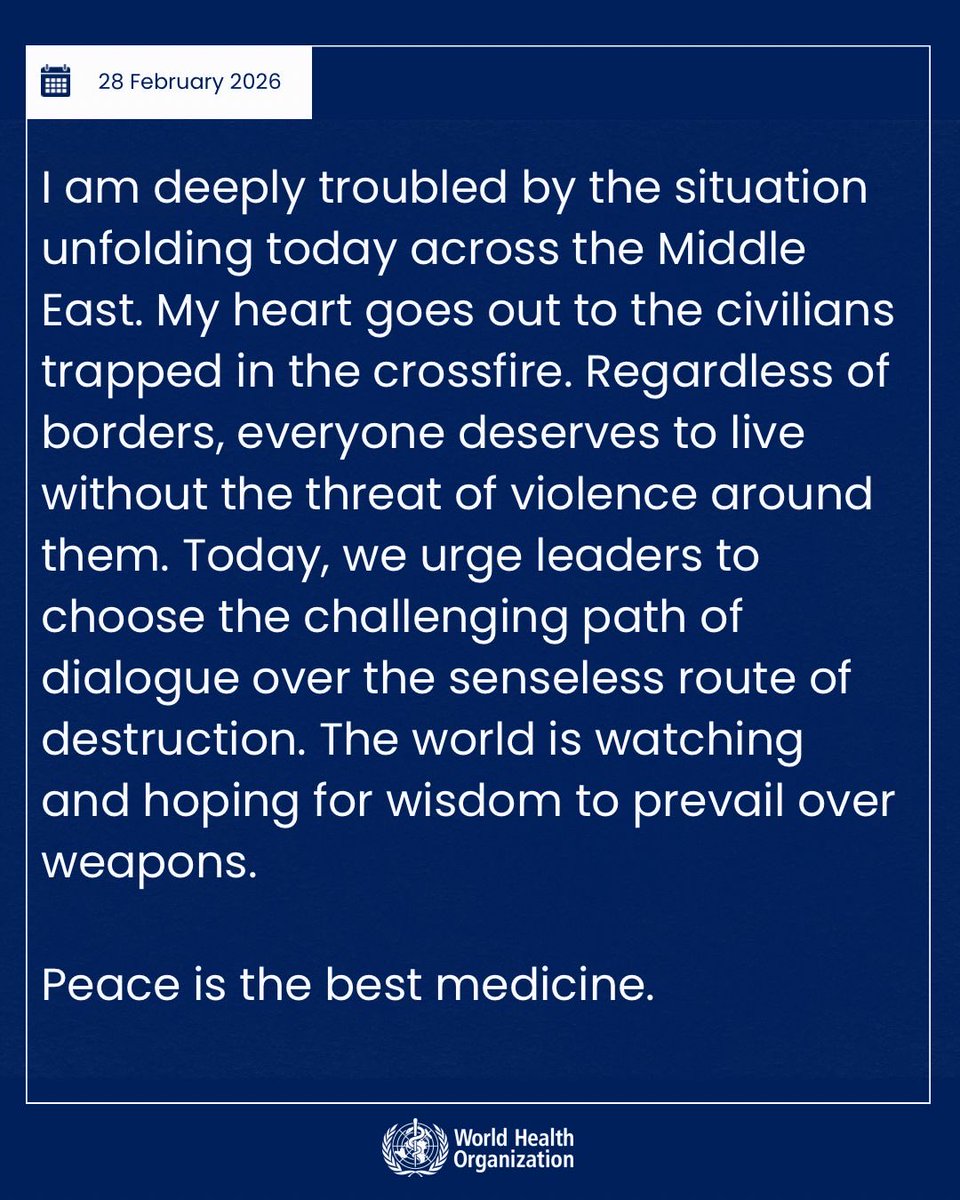
I am deeply troubled by the situation unfolding today across the Middle East. My heart goes out to the civilians trapped in the crossfire. Regardless of borders, everyone deserves to live without the threat of violence around them. Today, we urge leaders to choose the challenging path of dialogue over the senseless route of destruction. The world is watching and hoping for wisdom to prevail over weapons.
Peace is the best medicine. 🌍🕊️
WHO expresses deep concern about the implications of the immediate funding pause for #HIV programmes in low- and middle-income countries.
These programmes provide access to life-saving HIV therapy to more than 30 million people worldwide.
A funding halt for HIV programmes can put people living with HIV at immediate increased risk of illness and death and undermine efforts to prevent transmission in communities and countries.
Such measures, if prolonged, could lead to rises in new infections and deaths, reversing decades of progress and potentially taking the world back to the 1980s and 1990s when millions died of HIV every year globally, including many in the United States of America.
For the global community, this could result in significant setbacks to progress in partnerships and investments in scientific advances that have been the cornerstone of good public health programming, including innovative diagnostics, affordable medicines, and community delivery models of HIV care.
We call on the Government of the United States of America to enable additional exemptions to ensure the delivery of lifesaving HIV treatment and care.
Read more https://t.co/UWDbvmGGZF
.@WHO expresses deep concern about the implications of the United States government’s immediate funding pause for #HIV programmes in low- and middle-income countries. These programmes provide access to life-saving HIV therapy to more than 30 million people worldwide.
This funding halt can put people living with HIV at immediate increased risk of illness and death and undermine efforts to prevent transmission in communities and countries.
Such measures, if prolonged, could lead to rises in new infections and deaths, reversing decades of progress and potentially taking the world back to the 1980s and 1990s when millions died of HIV every year globally, including many in the USA.
We call on the US government to enable additional exemptions to ensure the delivery of lifesaving HIV treatment and care: https://t.co/Ljq8foAoxz