Today, the UN family mourns the loss of Dr. Jane Goodall.
The scientist, conservationist and UN Messenger of Peace worked tirelessly for our planet and all its inhabitants, leaving an extraordinary legacy for humanity and nature.
New research in mice shows gut microbiome shapes insulin-producing cells in infancy, with lifelong effects on diabetes risk. Scientists found specific microbes could help pancreas development & potentially restore function in adults with type 1 diabetes. https://t.co/EoVQUfRfyd
Clec12a controls colitis:
Clec12a controls microbiota composition by binding specific microbiota members, leading to phagocytosis. Clec12a-deficient mice show heightened inflammatory response, exacerbating colitis @RoundLabUtah
https://t.co/XpDuDnRpXS
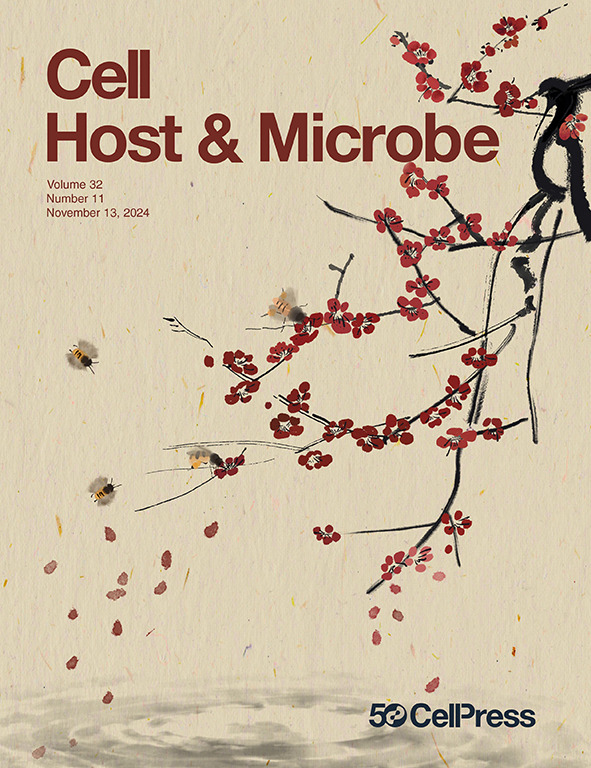
Our November issue is now live!
Cover art features honeybees and their microbiota, which influences reward learning by mediating the metabolism of pollen fatty acids.
https://t.co/ibKjXf89My
Microbiology & Immunology and the Huntsman Cancer Institute at the University of Utah are working together to hire a faculty position in the area of Microbiota and cancer. https://t.co/O8Iui5Wmuw
The University of Utah is now hiring an Assistant, Associate, or Full Professor of Microbiology & Immunology. Joint recruitment with HCI focused on the Microbiota and Cancer. #MAGIC https://t.co/ZGDBlMSb4v
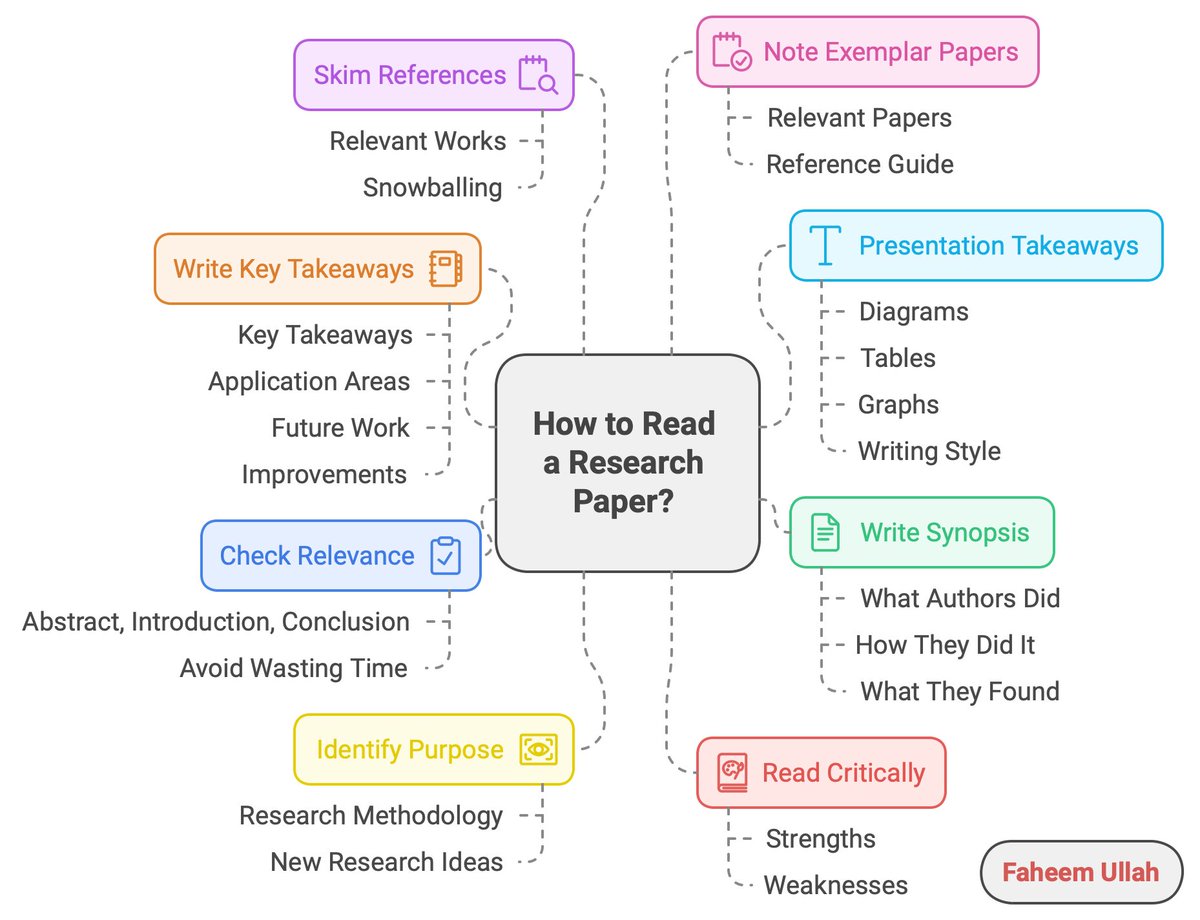
PhD students — How to read a research paper?
Here is how you can get 10x more out of reading a research paper.
𝟏. 𝐂𝐡𝐞𝐜𝐤 𝐫𝐞𝐥𝐞𝐯𝐚𝐧𝐜𝐞: Before diving deep into a paper, skim through the abstract, introduction, and conclusion of the paper to make sure that the paper is relevant. You don't want to spend 2-3 hours ending up with nothing.
𝟐. 𝐖𝐫𝐢𝐭𝐞 𝐬𝐲𝐧𝐨𝐩𝐬𝐢𝐬: If you found the paper to be relevant, write the synopsis of the paper within concrete 3 bullet points - (i) what the authors did (ii) How they did it (iii) What they found. It will establish the broader picture of the paper within your mind. Once you are certain what is it about, you can easily navigate through the paper.
𝟑. 𝐈𝐝𝐞𝐧𝐭𝐢𝐟𝐲 𝐭𝐡𝐞 𝐩𝐮𝐫𝐩𝐨𝐬𝐞: Why do you want to read this paper? Do you want to understand the research methodology? Are you looking for a new research idea to take from this paper? Be clear about the purpose. It will save your time and help you to focus on the specific part.
𝟒. 𝐑𝐞𝐚𝐝 𝐜𝐫𝐢𝐭𝐢𝐜𝐚𝐥𝐥𝐲: Read the paper critically. This means that once you have read the paper, you should be able to answer - what are the strengths and weaknesses of this paper. This is important so that you get the capability to assess the quality of a research piece.
𝟓. 𝐖𝐫𝐢𝐭𝐞 𝐤𝐞𝐲 𝐭𝐚𝐤𝐞𝐚𝐰𝐚𝐲𝐬: As you go through the paper or after finishing reading, write about points like (i) what are the key takeaways for me from this paper (ii) where I can use these takeaways (iii) what can be done on the top of the existing work (iv) Can something be improved. You don't need to write long stories. All of this you can write within 5-10 min. Knowledge not put in writing evaporates.
𝟔. 𝐒𝐤𝐢𝐦 𝐭𝐡𝐫𝐨𝐮𝐠𝐡 𝐫𝐞𝐟𝐞𝐫𝐞𝐧𝐜𝐞𝐬: After finishing the main body, check the references. You may find some very relevant works there too. If such is the case, you can snowball depending upon the time you have for reading.
𝟕. 𝐏𝐫𝐞𝐬𝐞𝐧𝐭𝐚𝐭𝐢𝐨𝐧 𝐭𝐚𝐤𝐞𝐚𝐰𝐚𝐲𝐬: Look at the diagrams, tables, graphs, and writing style of the paper. Ask yourself whether such style of diagrams or graphs, etc would be good for my paper. If the answer is yes, note it down in your takeaways.
𝟖. 𝐍𝐨𝐭𝐞 𝐞𝐱𝐞𝐦𝐩𝐥𝐚𝐫 𝐩𝐚𝐩𝐞𝐫𝐬: Some papers you read might be very relevant to the paper you want to write next. Note 2-3 such papers and put them in front of yourself while writing your next paper. It will serve as a reference guide for your paper writing.
𝟗. 𝐑𝐞𝐚𝐝 𝐚𝐧𝐲𝐰𝐡𝐞𝐫𝐞: As a researcher, the more you read, the better for you. A paper is not to be read only in the lab or office. Sometimes, you get more out of a paper - reading it while sitting in a park or traveling on a train or bus. Try reading in different places and see what works the best for you.
Anything you'd like to add?
#research #phd