I wrote an essay about the recent embrace of location-sharing apps + why it should really, like, really, freak you out—new in @thedrift_mag
https://t.co/h7JOr9FVpk
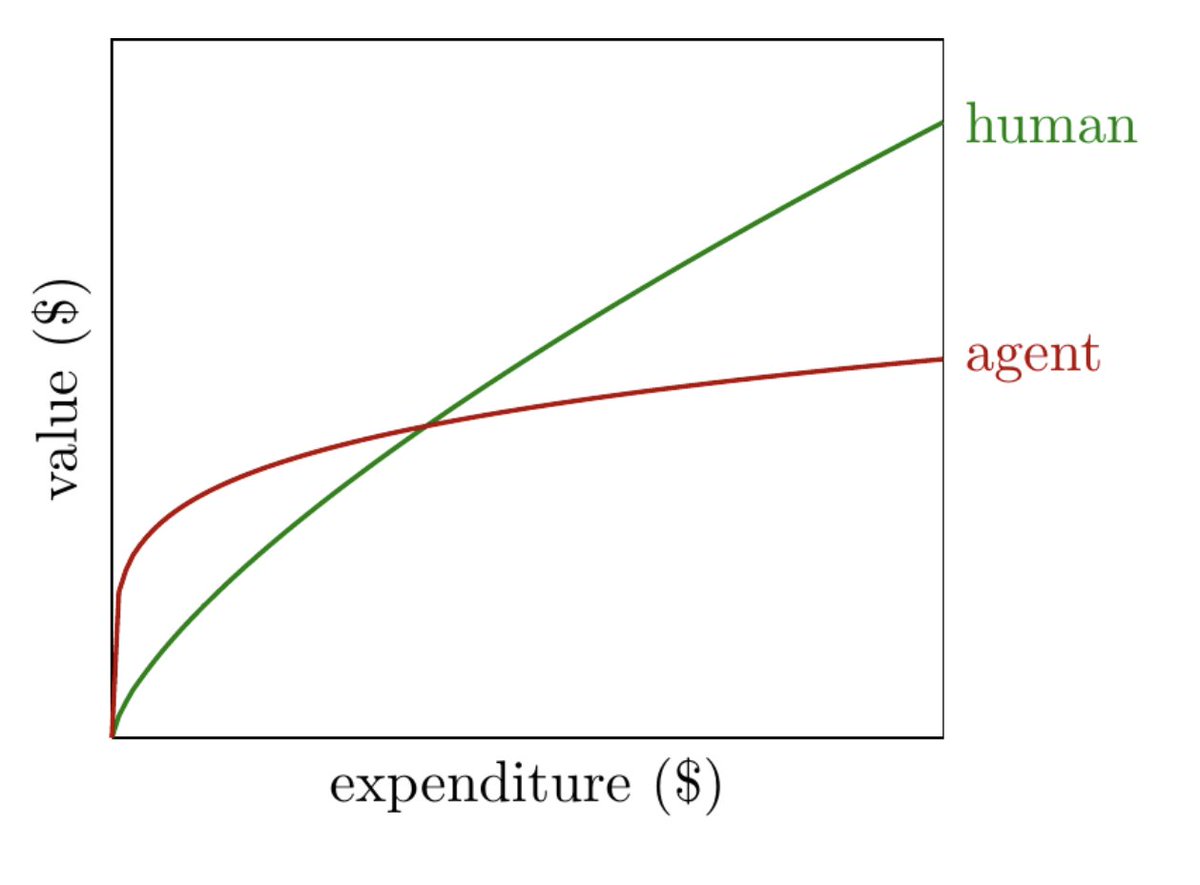
I think most domains look like this at the moment: the returns to expenditure on agents diminish much more quickly than the returns to expenditure on human labor: (1/n)
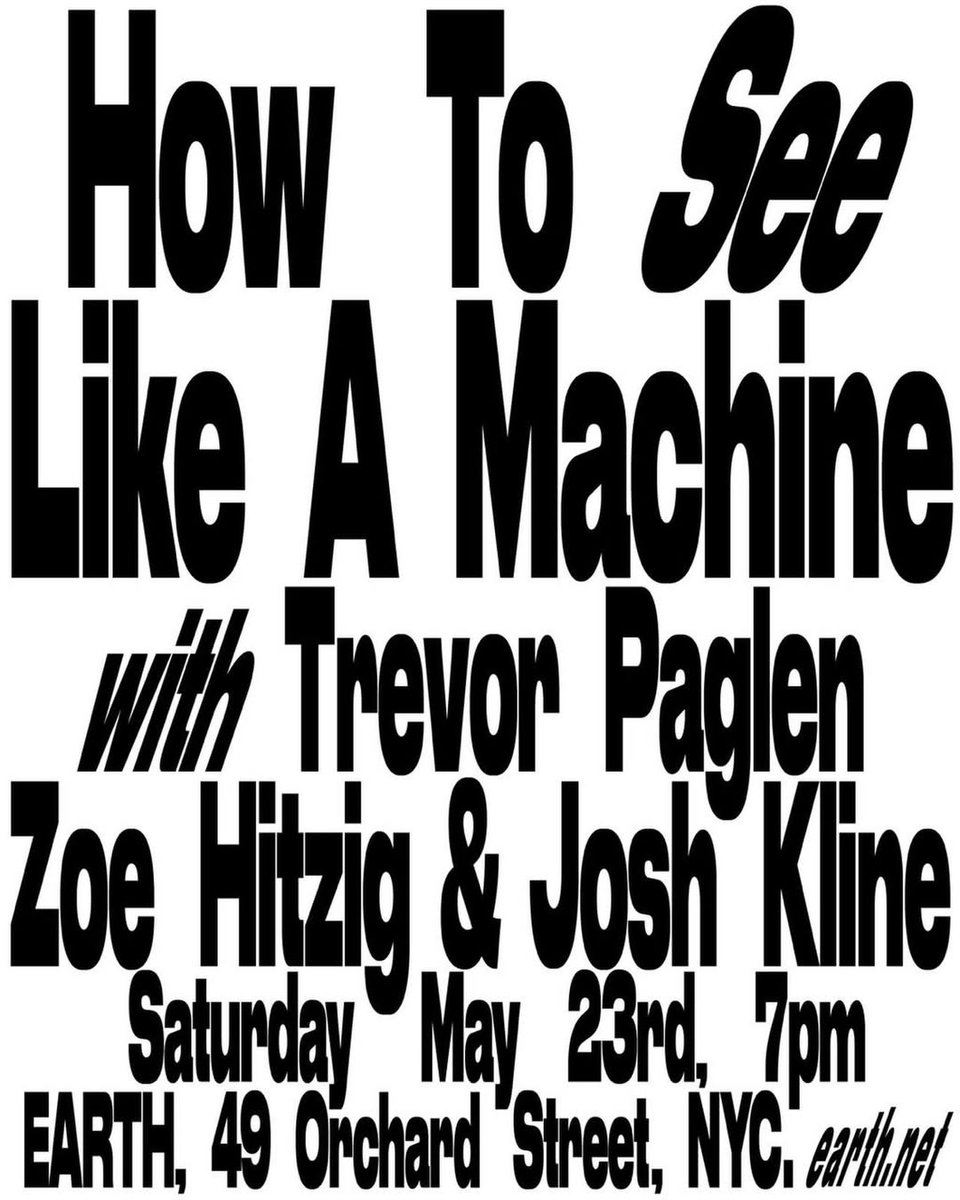
Join us for the launch of @trevorpaglen’s book:
How to See Like a Machine: Images After AI
📅 Saturday May 23rd, 7pm
📍EARTH, 49 Orchard st, NY
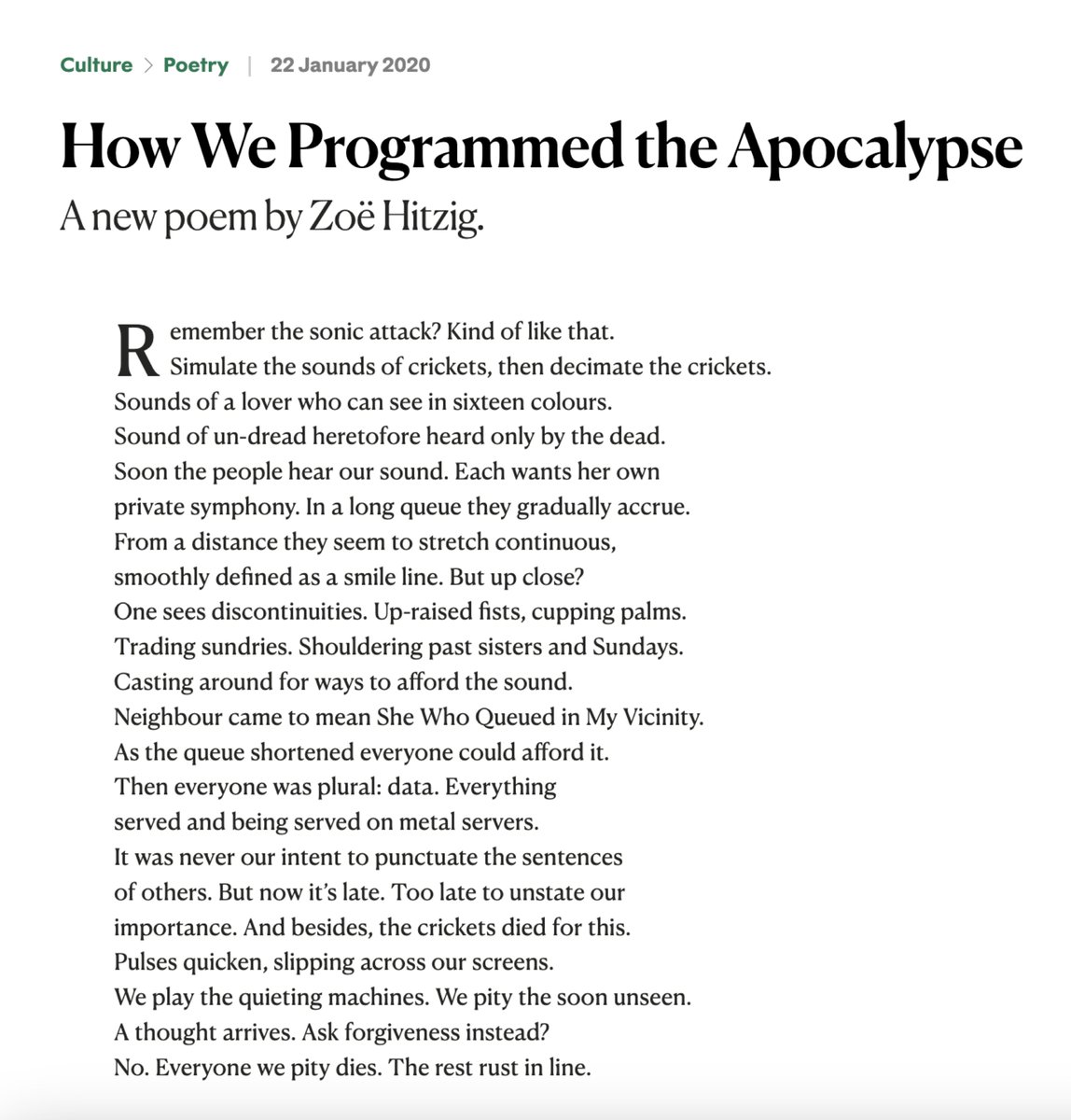
with special guests @zhitzig and Josh Kline.
Paglen’s new book asks what images become when they no longer simply represent the world, but actively watch, classify, predict, and shape it.
Published by @VersoBooks
New work with @AlecRad and @DavidDuvenaud:
Have you ever dreamed of talking to someone from the past? Introducing talkie, a 13B model trained only on pre-1931 text.
Vintage models should help us to understand how LMs generalize (e.g., can we teach talkie to code?). Thread:
‘AI is gambling with people’s minds' @zhitzig says in our cover story this weekend
The poet and Harvard economist quit OpenAI. She explains to @melissadenes why time is running out to define our relationship with artificial intelligence
https://t.co/AyBgHMSN6N
In the making for four years with the insightful @zhitzig ! The idea of limiting disclosure to what is necessary is becoming more important than ever with models capable of drawing powerful inferences!
The @nytimes piece today by @ByrneEdsal13590 highlights a concern I share:
“If we stay on the current path, the risk of extreme concentration — both economic and political — is very real.”
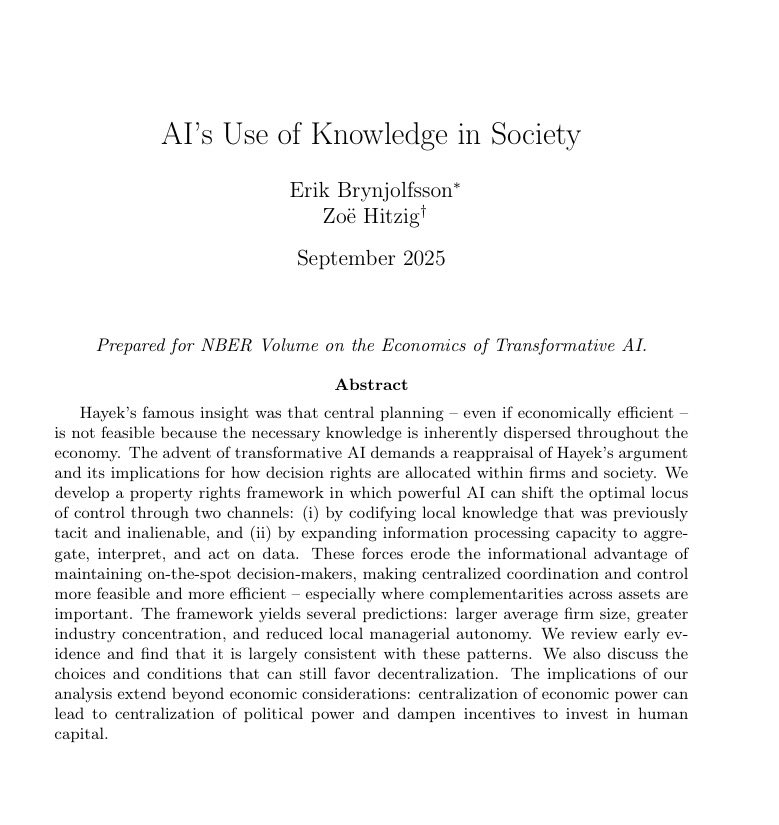
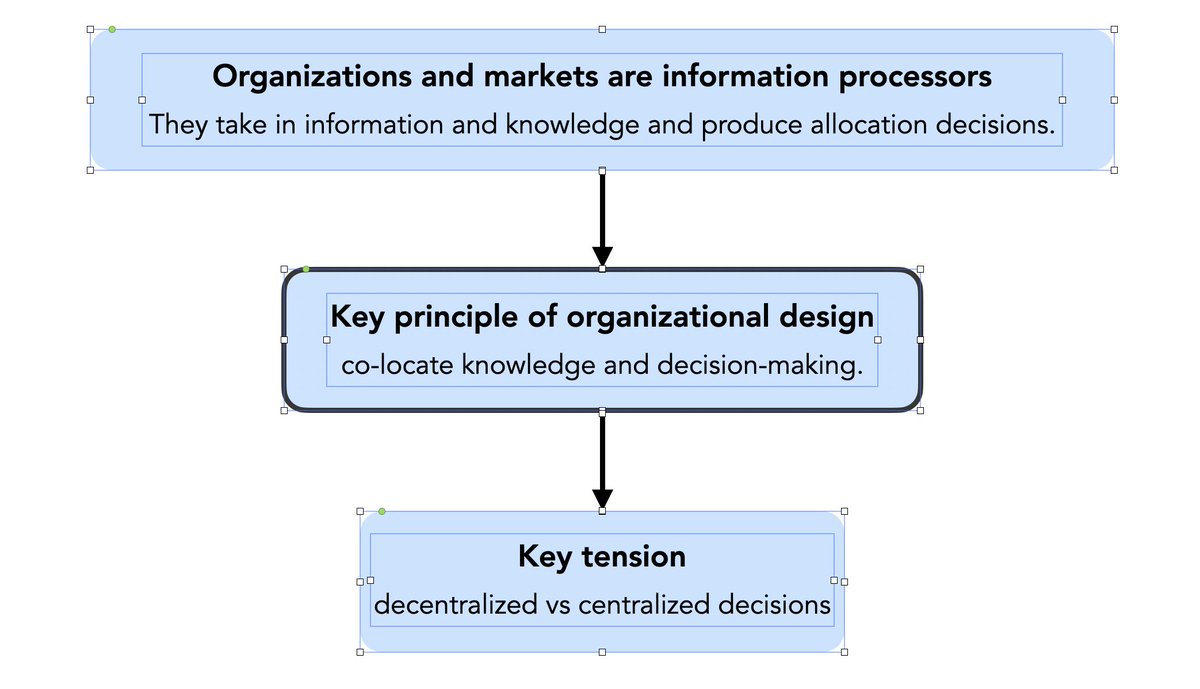
In work with @zhitzig, we ask why AI may shift the balance between dispersed knowledge and centralized control.
I used to lead the Geopolitics Team at OpenAI. Today I published a few observations on frontier AI companies and their military usage policies from my perspective as a former employee and researcher active in the int’l security space. (Link below.)
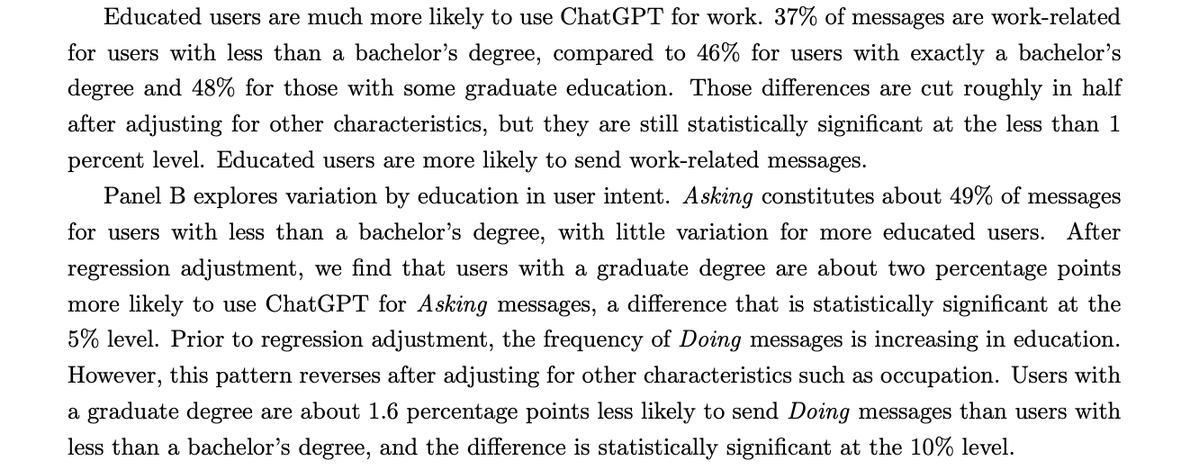
@alexolegimas This paper matches demographic data to real-world usage from chatgpt –
Looks at not just who is adopting but who is adopting for what kinds of tasks
https://t.co/tvdxAYg4gA
we can write a million essays about how the future Silicon Valley wants to build is underwritten by a deep disgust with / contempt for Being A Human, or we can just let them speak for themselves
Last week @zhitzig wrote an article calling for deeper scrutiny of ads and consumer protections in AI. I have much more confidence than she does in OpenAI's direction and commitments on ads, but I believe she makes an important and credible argument about long-term oversight.
It’s Solution Sunday!
We need federal AI regulation. Things are getting crazy and piecemeal state stuff is not gonna cut it.
if you’re at an AI company, what is your policy team’s proposal/strategy here? Does it make any sense? Could you help make it better?
My message is optimistic actually: we still have time to do better than exclusion via $ or manipulation via ads.
But we need public pressure – from people who know what’s at stake and have clear demands.
Let’s make AI companies step up and earn our trust
https://t.co/p4LrpKbWtu
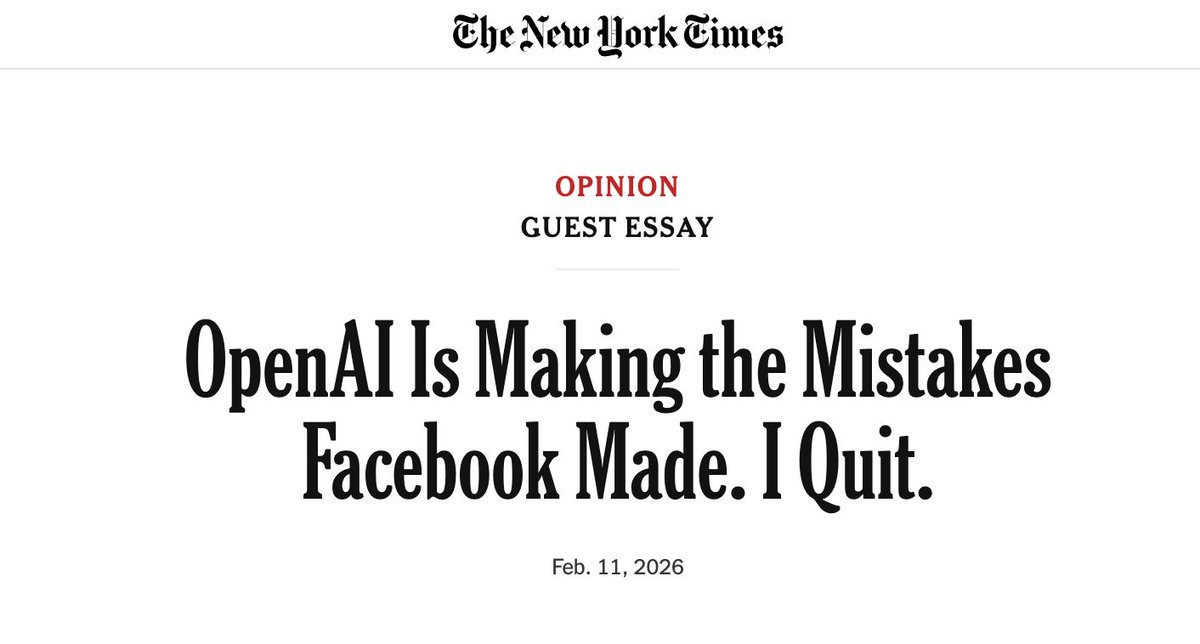
I resigned from OpenAI on Monday. The same day, they started testing ads in ChatGPT.
OpenAI has the most detailed record of private human thought ever assembled. Can we trust them to resist the tidal forces pushing them to abuse it?
I wrote about better options for @nytopinion
I resigned from OpenAI on Monday. The same day, they started testing ads in ChatGPT.
OpenAI has the most detailed record of private human thought ever assembled. Can we trust them to resist the tidal forces pushing them to abuse it?
I wrote about better options for @nytopinion
“We don’t have a grasp of what AI does to people’s psychology, what it does to them sociologically…”
AI researcher Zoe Hitzig explains why she resigned from OpenAI
#Newsnight