Can female leaders help to contain conflict violence? In my job market paper I study this question empirically in the context of the Colombian 🇨🇴 civil war. A quick 🧵summarizing my main findings👇#EconJobMarket
Today starts the 1st Workshop on Violence Against Women: Drivers and Policies.
📅 October 23-24 , 2024
Info 👉 https://t.co/BJ9cVYyQA8
Workshop financed by the @ERC_Research Grant (2023-2028) #WomEmpower
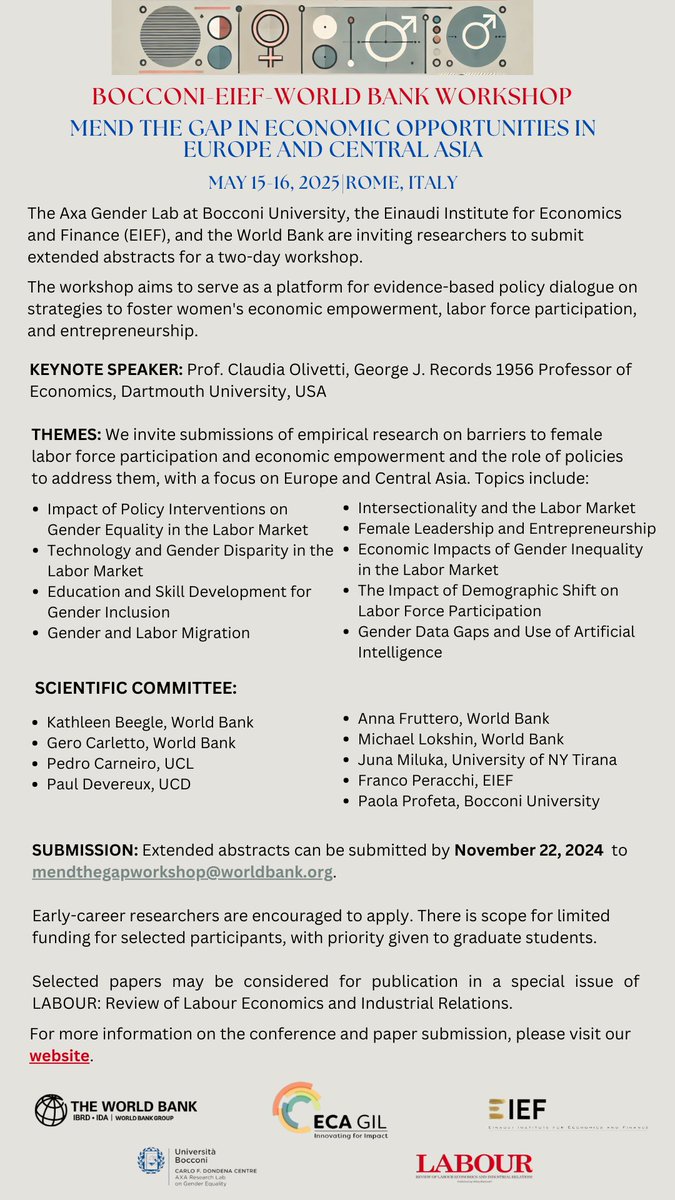
📢📢Call for paper for research proposal on women's economic empowerment, labor force participation, and entrepreneurship, for a 2-day workshop in Rome on May 15-16, organized by @wb_research @AxaGenderLab and @EIEF_Rome#econtwitter
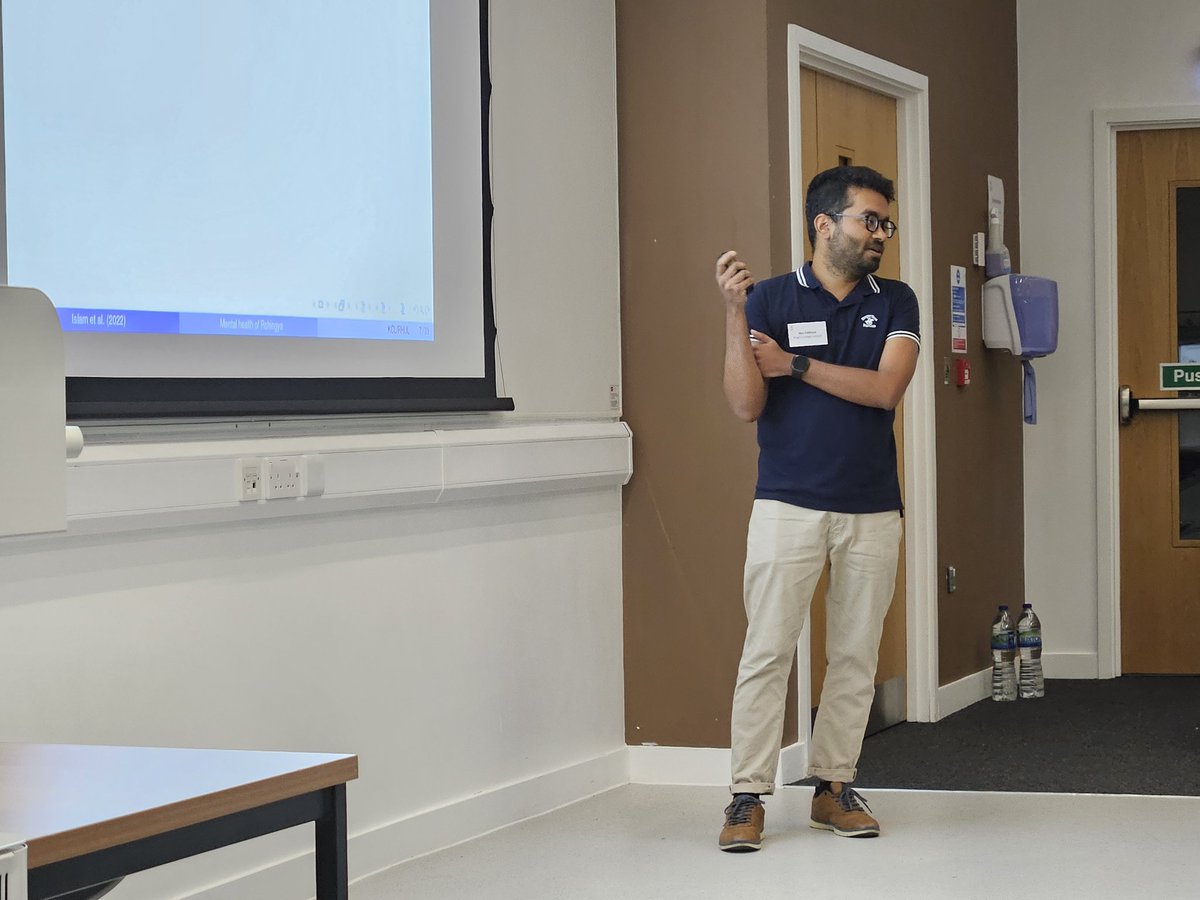
It was my great honour to present at the Crime Workshop organised by Mike and Hector @heelguru. I learned a lot and received insightful feedback from this exceptional group!!! 🥳
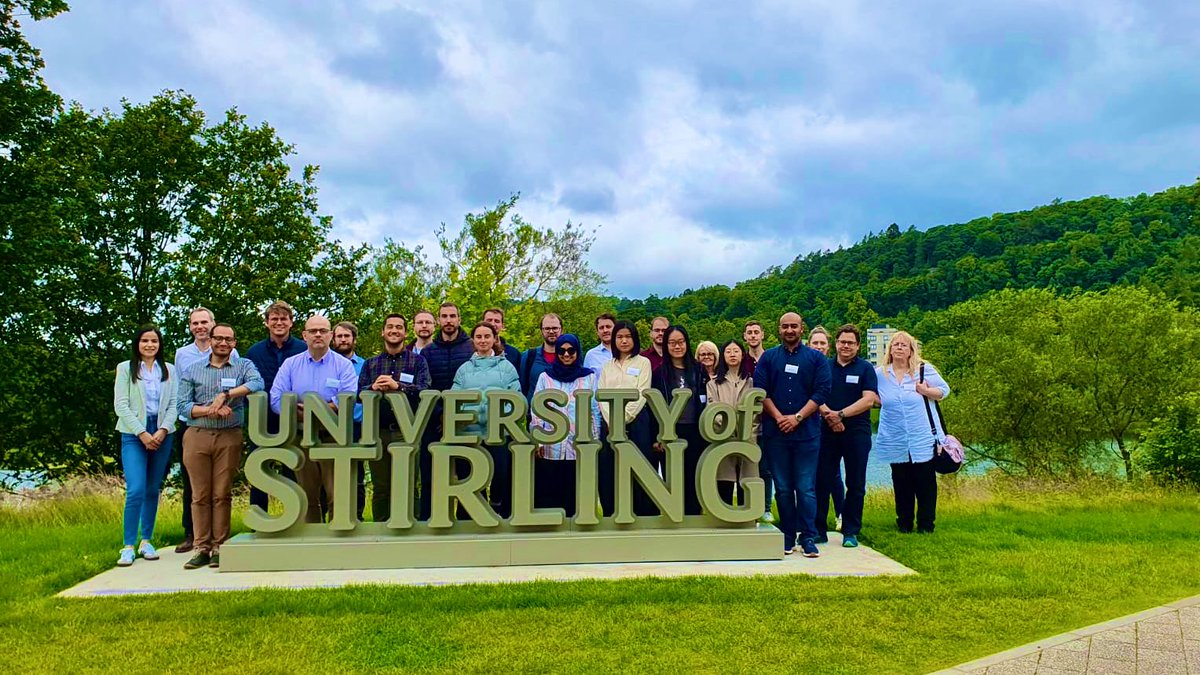
It was lovely to host the Workshop on the Economics of Crime @StirUni! A big thank you to the participants and our speakers @adamksoliman @MFKoppensteiner @LiviaMenezez @jakub_lonsky, Zhou Zhou, @Roccodeste83 and our keynote @causalinf. Big thanks to Mike Watts the organiser.
@StirUni The draft programme for the full day is available at the following link (the final programme will be available by late June): https://t.co/8E03yExeUk
📢 Exciting Workshop on the Economics of Crime, Policing and Punishment @StirUni on 5th July 2024!
Space is limited, if you're interested, please register here: https://t.co/j8wen0rkSN
Machine Learning in Economics Summer Institute 2024 (MLESI24) - Center for Applied Artificial Intelligence | Chicago Booth. Application deadline is April 12, 2024. https://t.co/WseWAHxX9q
Banning the purchase of sex 🚨DOES NOT🚨increase cases of reported rape.
A re-analysis of Ciacci (2024) shows that the paper's headline result comes from an erroneous use of Stata's regression command.
A thread from @Jopieboy, @OlleFolke, and me 1/11
Forthcoming in AEJ: Applied Economics: "Expected Returns to Crime and Crime Location" by Nils Braakmann, Arnaud Chevalier, and Tanya Wilson. https://t.co/PvZQU6ZNsy
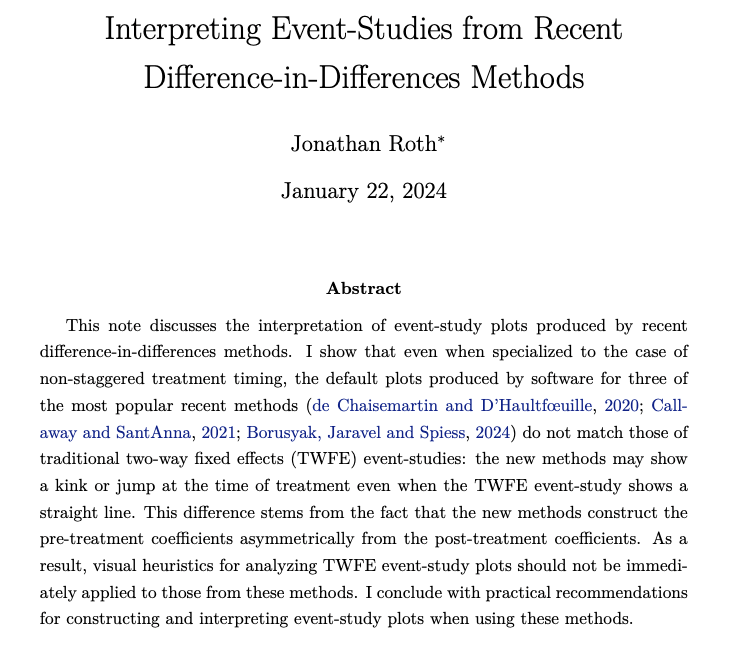
#EconTwitter Have you replaced your dynamic TWFE event-study with an event-study from one of the recent DiD methods for staggered timing?
If so, you may be interested in this short note on interpreting event-studies from these new methods. A short 🧵
https://t.co/H2VSNTXgYG
Thanks for doing this, Jon. I've been thinking about this quite a bit, and teaching my perspective. I should spend less time teaching, more time revising a certain paper. Here's my take, which I think overlaps a lot with yours.
New paper! TWFE for diff-in-diff is biased under staggered adoptions. One fix is to use more parameters--estimate a separate treatment effect for each cohort at each time.
But treating each TE like a free parameter wastes our knowledge that nearby TEs in time are likely similar.
Forthcoming in AEJ: Economic Policy: "How Do You Say Your Name? Difficult-To-Pronounce Names and Labor Market Outcomes" by Qi Ge and Stephen Wu. https://t.co/rb75LlS4A2
📢Thrilled to announce a conference I'm organizing w/ @karsha & @AlessandraVoena: "Economics of Violence and Harassment Against Women" 𝐍𝐨𝐯𝐞𝐦𝐛𝐞𝐫 𝟑𝟎-𝐃𝐞𝐜𝐞𝐦𝐛𝐞𝐫 𝟏 @StanfordKingCtr.
Submission deadline: 𝐀𝐮𝐠𝐮𝐬𝐭 𝟑𝟏
More details: https://t.co/FTCXLzIHBU
[1/2]











![EmilyNix100's tweet photo. 📢Thrilled to announce a conference I'm organizing w/ @karsha & @AlessandraVoena: "Economics of Violence and Harassment Against Women" 𝐍𝐨𝐯𝐞𝐦𝐛𝐞𝐫 𝟑𝟎-𝐃𝐞𝐜𝐞𝐦𝐛𝐞𝐫 𝟏 @StanfordKingCtr.
Submission deadline: 𝐀𝐮𝐠𝐮𝐬𝐭 𝟑𝟏
More details: https://t.co/FTCXLzIHBU
[1/2] https://t.co/0NnIAlFl1c](https://pbs.twimg.com/media/F0x4G9CaEAEbhn-.jpg)


