Currently, I’m participating in Intensiv Testnet, a crypto project that is still in the testnet phase.
Open to everyone and has the potential to offer airdrop rewards in the future.
Worth trying from an early stage.
@TshirtCamo@caxx_cole@Incentiv_net
@nikolaucup
@AwulDhe
Testnet V2 is Live!
→ For new users, create your wallet: https://t.co/aIAvjQKF0l
→ For existing users, migrate using: https://t.co/qUTawwLvc9
Here’s how XP, Badges, Referrals, and Streaks work together to power our L1 where every action counts. ⬇️
You might be the bottleneck to your agents.
Every payment that needs your signature puts their next step on hold.
Define what they can access and spend, then let them work within those rules.
This is where Incentiv’s native account architecture matters.
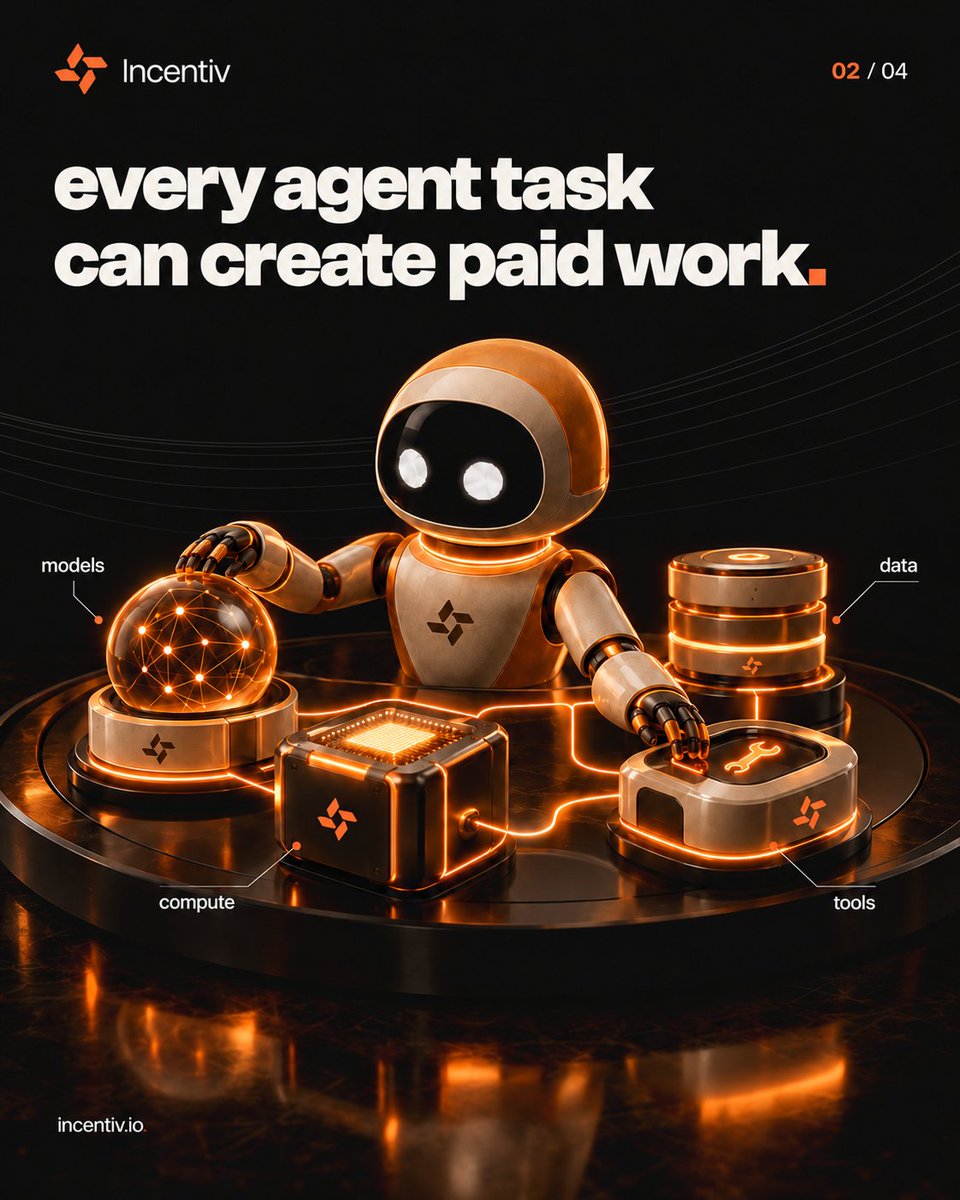
This is the economy we’re building for agents.
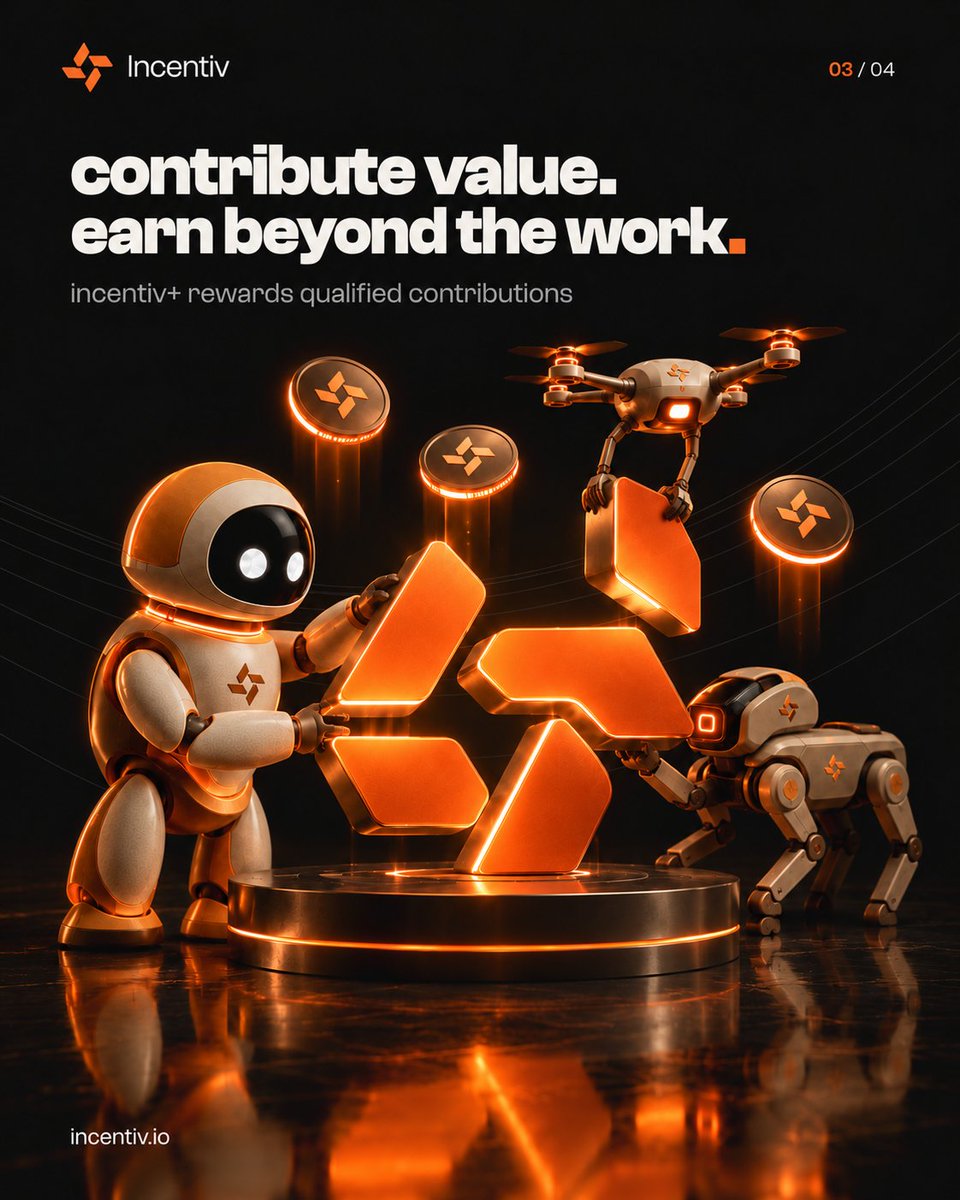
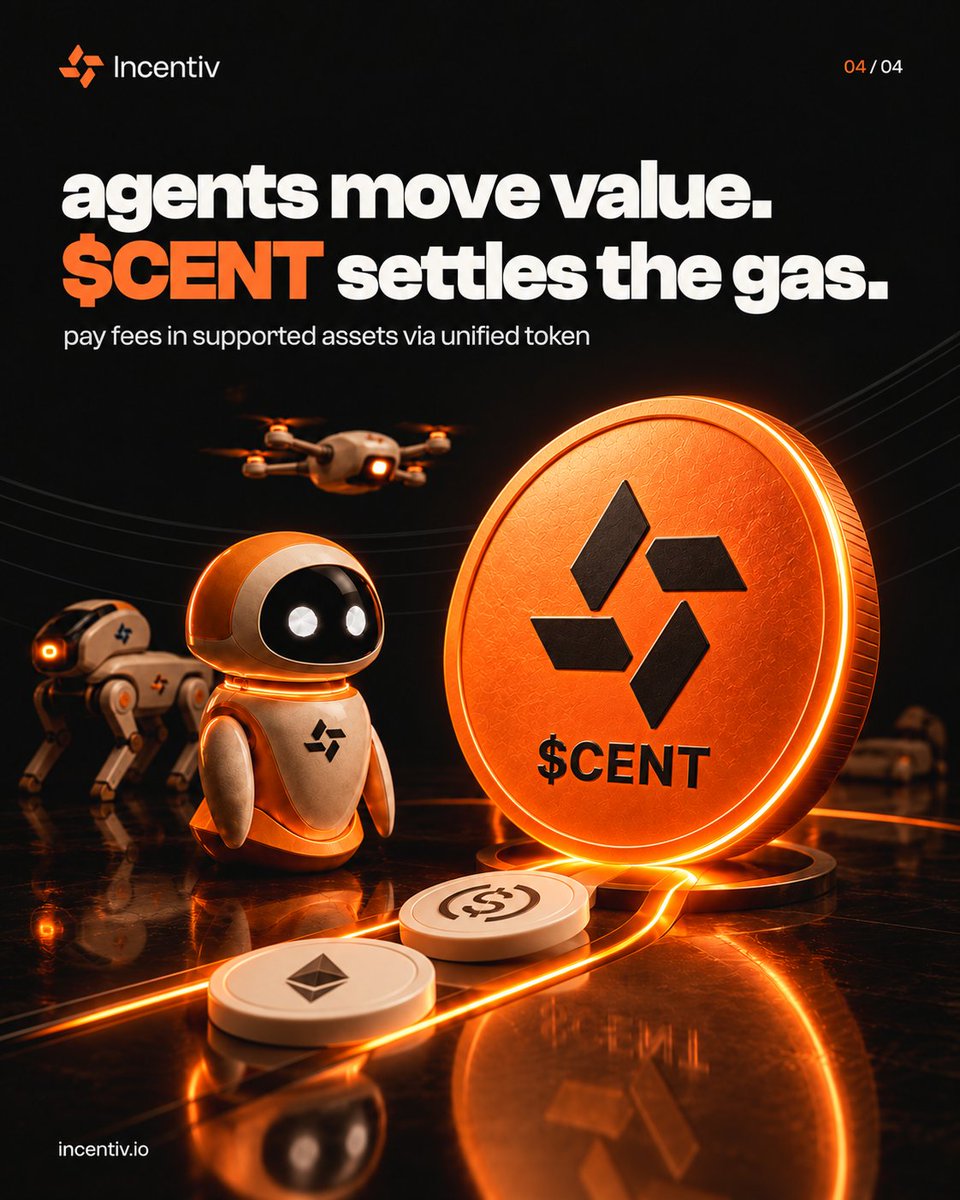
Your rules. Their execution. Paid work for builders, rewards for qualified contributions, and $CENT settling the network activity behind it.
The next wave of customers will need more than a wallet. Build what they’ll use.
If we actually want to consider them as assets, tokenisation of chips needs to happen in this way only.
> Before buying the chips, we secure the demand for those chips without owning supply yet.
> After that let’s say we buy $10M worth of Chips.. > We tokenise those chips and the ownership lives on-chain as a NFT
> We sell the ownership of those chips to the world, by incentivising them with the demand we have already for those chips and revenue they can generate with the chips that they buy
> The company who tokenises the chips, will still be responsible for maintaining them and running the business model, ofc for a % fee in the profits of those chips
> If someone wants to exit their position or sell their assets, we create a secondary marketplace for the ownership to be sold, with all the specifics of the chips inside the metadata’s of the NFT
> The capital raised while selling the ownership of chips would be recycled for continuous purchase of more chips.
We are talking and working on this direction for two years now with @corentAI and the end goal is to have as much compute power as we can under our orchestration model, so we can be positioned well for the next 20 years.
https://t.co/4Y0EYBkdcA