He quit his dream job on live television rather than say something he didn't believe
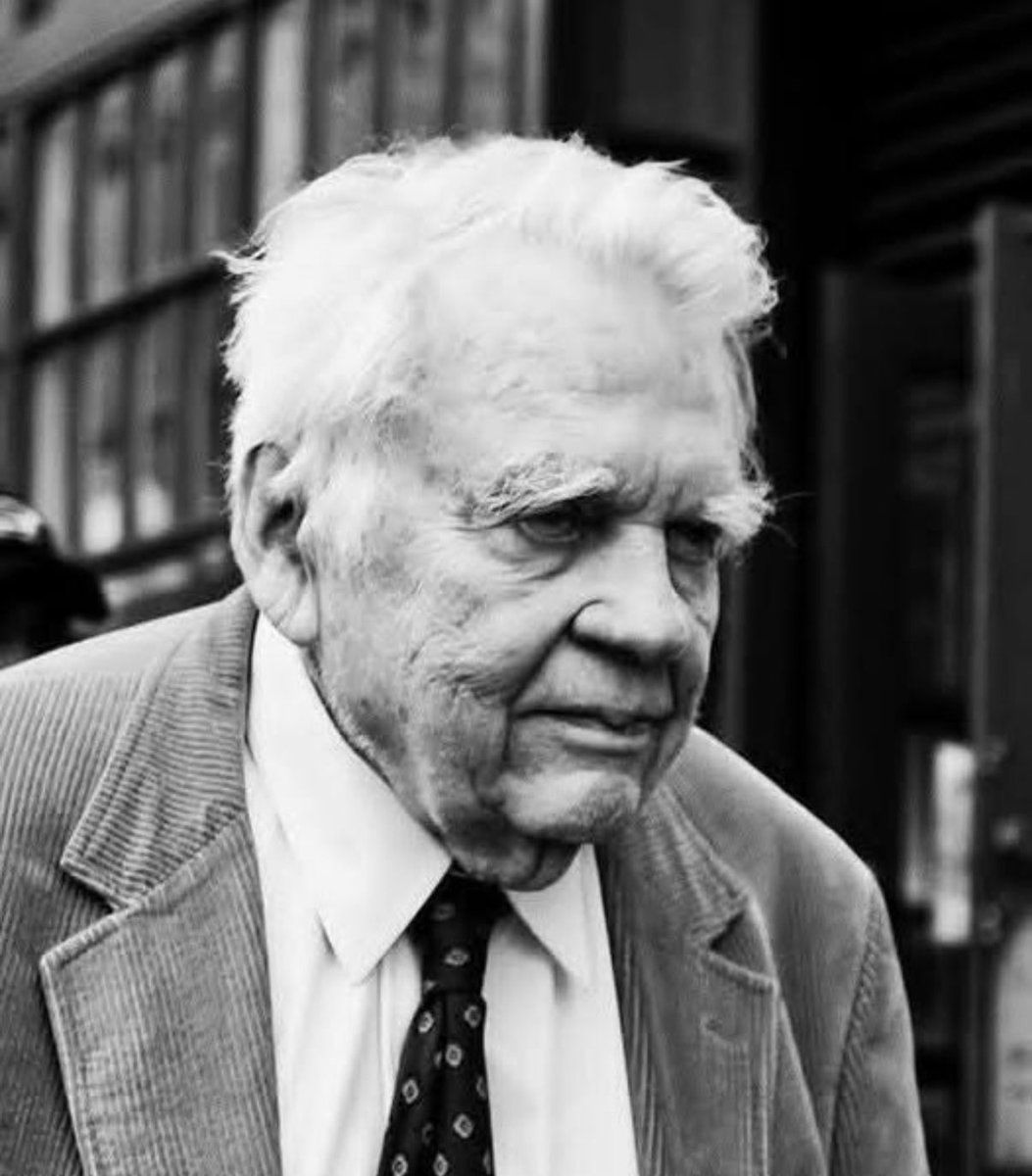
In 1970, Andy Rooney walked away from CBS. Not because of money. Not because of ambition. Because they refused to let him tell the truth as he saw it.
He had created a documentary called "An Essay on War," drawn from his years as a World War II correspondent. The piece was personal, unflinching, and deeply felt. CBS executives reviewed it and decided it was too harsh, too uncomfortable for their audience. They asked him to soften it. When he refused, they offered to shelve it quietly.
Rooney chose a third option no one expected: he quit.
Then he did something even more remarkable. He purchased the film rights with his own money, found a home for it on PBS, and sat in front of a camera for the first time to read his own words. That documentary won him a Writers Guild Award.
But awards were never the point. For Rooney, this was about something he had learned two decades earlier in the skies over Europe.
During World War II, Rooney worked as a correspondent for Stars and Stripes. He flew combat missions with American bomber crews, watching young men barely out of their teens climb into aircraft knowing some would never return. He walked through barracks where beds remained perfectly made, family photos still standing on nightstands, and understood without anyone saying a word what had happened.
He was among the first journalists to enter Nazi concentration camps after liberation. He saw things that would stay with him forever. He earned a Bronze Star and Air Medal for his reporting under fire.
That war taught him something he never forgot: truth matters more than comfort. The real story is never found in statistics or sanitized reports. It lives in the details, in the faces, in the moments that make your hands shake when you try to write them down.
After his break with CBS, Rooney spent time at other networks before returning in the early 1970s. On July 2, 1978, he sat behind a cluttered desk on 60 Minutes and delivered his first regular commentary.
He talked about car accident statistics over the Fourth of July weekend.
It seemed trivial. But that was Andy Rooney. He didn't need dramatic subjects to find meaning. He could look at a loaf of bread, a drawer full of rubber bands, or a telephone bill and show you something true about how we live. He found the universal in the ordinary, the profound in the everyday complaint.
For 33 years, he closed America's most-watched news program with three-minute observations that could make you laugh, make you think, or occasionally make you uncomfortable. He delivered over a thousand of these commentaries before his final appearance in October 2011.
He died one month later at age 92.
Andy Rooney once said a writer's job is to tell the truth. Not comfortable truth. Not popular truth. The kind of truth that sits heavy in your chest until you finally put it into words.
That's what he did his entire life. From the war zones of Europe to Sunday evening television, he never stopped pushing, never stopped questioning, never stopped insisting that words matter.
When someone told him no, he found another way.
When they asked him to compromise, he walked away and found people who wouldn't ask him to.
His legacy isn't just the familiar face at the end of 60 Minutes or the cranky observations about modern life. It's the war correspondent who never forgot what he witnessed. It's the writer who understood that the best words are the ones that make people lean forward and pay attention.
He spent his life proving that you don't need to shout to be heard. You just need to tell the truth clearly, specifically, and without apology.
That's what courage looks like in journalism. That's what integrity sounds like when you refuse to let anyone edit it out
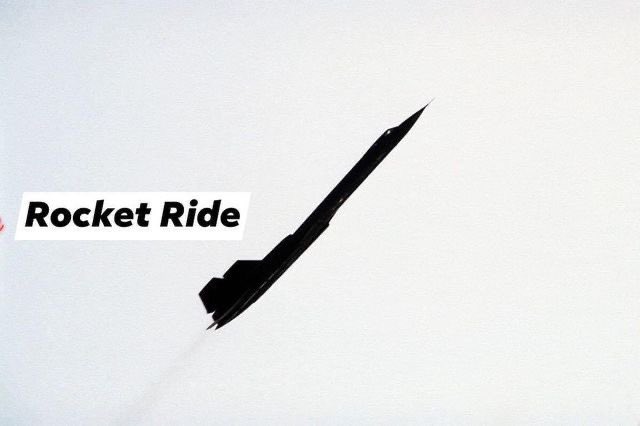
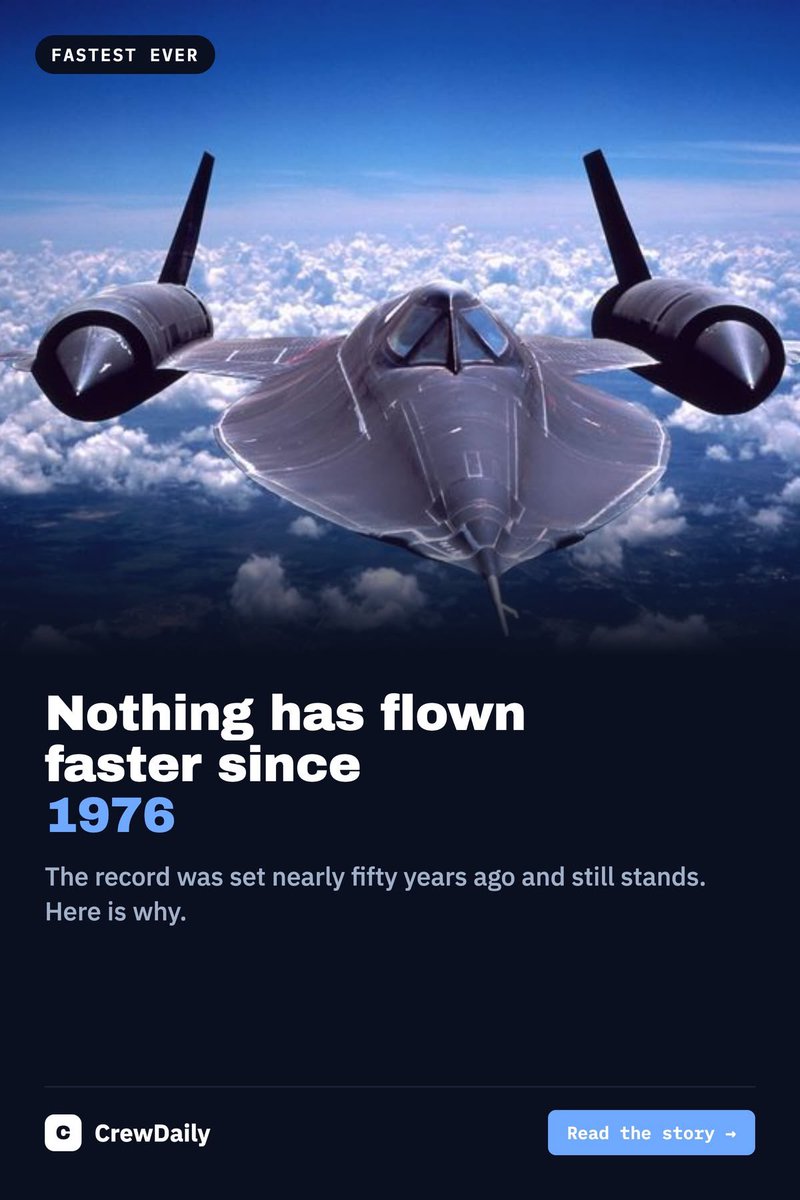
The big question is why? Why is NASA rebuilding the SR 71 so It will fly again?
Excitement?
To break the existing speed record that was made in 1976?
Or just because it’s cool; nothing’s cooler than a Blackbird🚀
Nothing else in NASA’s current fleet can routinely cruise near Mach 3.2 at around 80,000+ feet.
In the 1990s NASA used its SR-71s (including 844, which was strengthened for the LASRE linear-aerospike experiment) for high-speed aerodynamics, propulsion, thermal materials, instrumentation, and sonic-boom work.
A revived jet would sit in the gap between ordinary supersonic flight and true hypersonic test vehicles, and could carry large payloads or even air-launch experiments.
Do you remember the MD 21 that was a Blackbird that could launch a drone. Perhaps NASA is going to launch something new?
• High-speed flight is a current priority for both civil aeronautics and national-security research. A flying Blackbird would be a reusable bridge platform while newer designs are developed.
These are a few ideas of what NASA is possibly up to
Remember, you heard it here first. From a Habubrat
Linda Sheffield (a daughter of Habu)
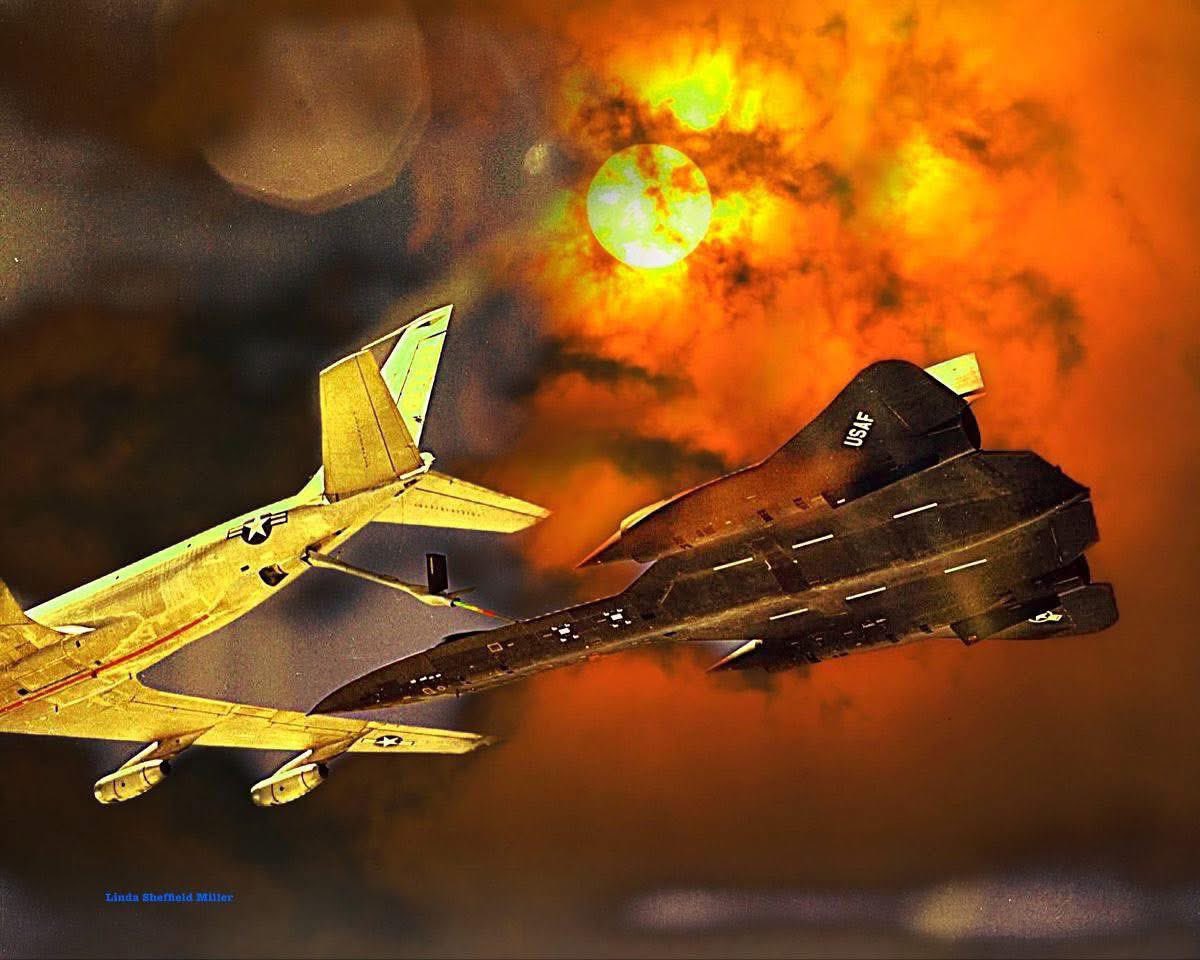
WHY DID THE SR-71 REFUEL AFTER TAKE-OFF?
Not for the reasons you might think.
Shortly after takeoff, the SR-71 rendezvous with a specially modified KC-135Q tanker at 25,000ft  and top up the jet’s tanks with specially developed JP-7 fuel.  The fuel was manufactured to be very difficult to ignite or explode.
This purged the tanks of air, and as the fuel was burned the resulting void was filled with gaseous nitrogen (LN2) to prevent inadvertent fuel vapor ignition from the hot, wet tanks.
This is the reason why there was a refueling so shortly after takeoff, it was not because of the leaking of the fuel. (It did leak, but not that much) It was to prevent the combustion of the fuel.
A yo-yo flight was possible. This procedure, known as the "yo-yo," was necessary for a few missions that required the SR-71 to accelerate to Mach 3+ immediately after takeoff. It was very difficult to purge all of the nitrogen out of the air, but they could do it.. To purge the air out of the SR-71 was imperative to its safety.
Here is a quote from SR 71 pilot Rich Graham “The JP-7 fuel reaches temperatures well over 300 degrees F. during Mach 3 cruise. , making the fumes in each of the six fuel tanks very volatile and potentially explosive. The metal skin of the aircraft approaches 400 degrees F., adding to the volatility of the fuel inside the tanks.
One of our aircraft's limitations was a maximum speed of Mach 2.6 without an inert atmosphere inside the fuel tanks.
“The aircraft had three liquid nitrogen Dewar flasks containing 260 liters of liquid nitrogen, located in the nose wheel well. The only way to ensure a 100 percent inert atmosphere in each fuel tank was to refuel the plane in-flight completely said it full of JP-7, allowing ambient air in each fuel tank to vent overboard.
Once full of fuel, gaseous nitrogen would now dominate each fuel tank’s empty space above as it burned off JP-7. The nitrogen gas pressurized each fuel tank to 1.5 psi above ambient pressure and inerted the space above the heated fuel to prevent autogenous ignition. This is why we refueled after takeoff."
"Then we could safely accelerate beyond Mach 2.6.”
“There was one other way of achieving tank inerting, called a Yo-Yo.
How was the tank pressurizable if ambient air in the ullage could vent overboard ??
We're the tank vents valveable ??
Open only during fuel top-off operations ?? asked John Nichols
During the refueling the fuel vent system is opened allowing the ambient air to vent overboard. When the refueling is completed and IFR door closed the fuel vent closes. Now you have 1.5 psi head pressure in tanks.
Liquid Nitrogen = LN2
Gaseous Nitrogen = N2 answer by Floyd Jones
The majority of the time the SR-71 was refueled immediately after takeoff, but there were exceptions to the rule, and there would be a yo-yo by maintenance. This occurred at Kadena Airbase, Okinawa when the flights were so short that it wasn’t necessary to refill.
Written by Linda Sheffield c
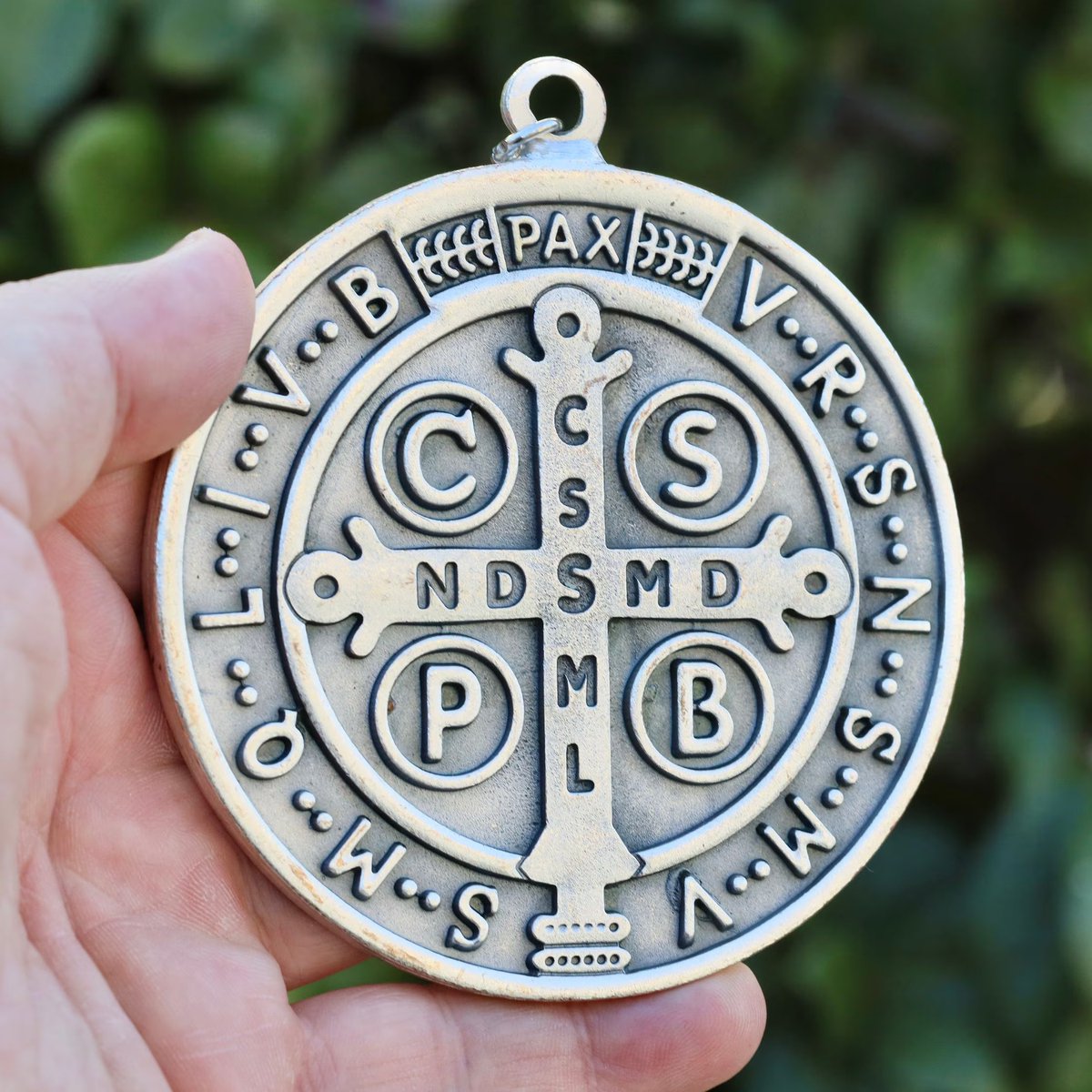
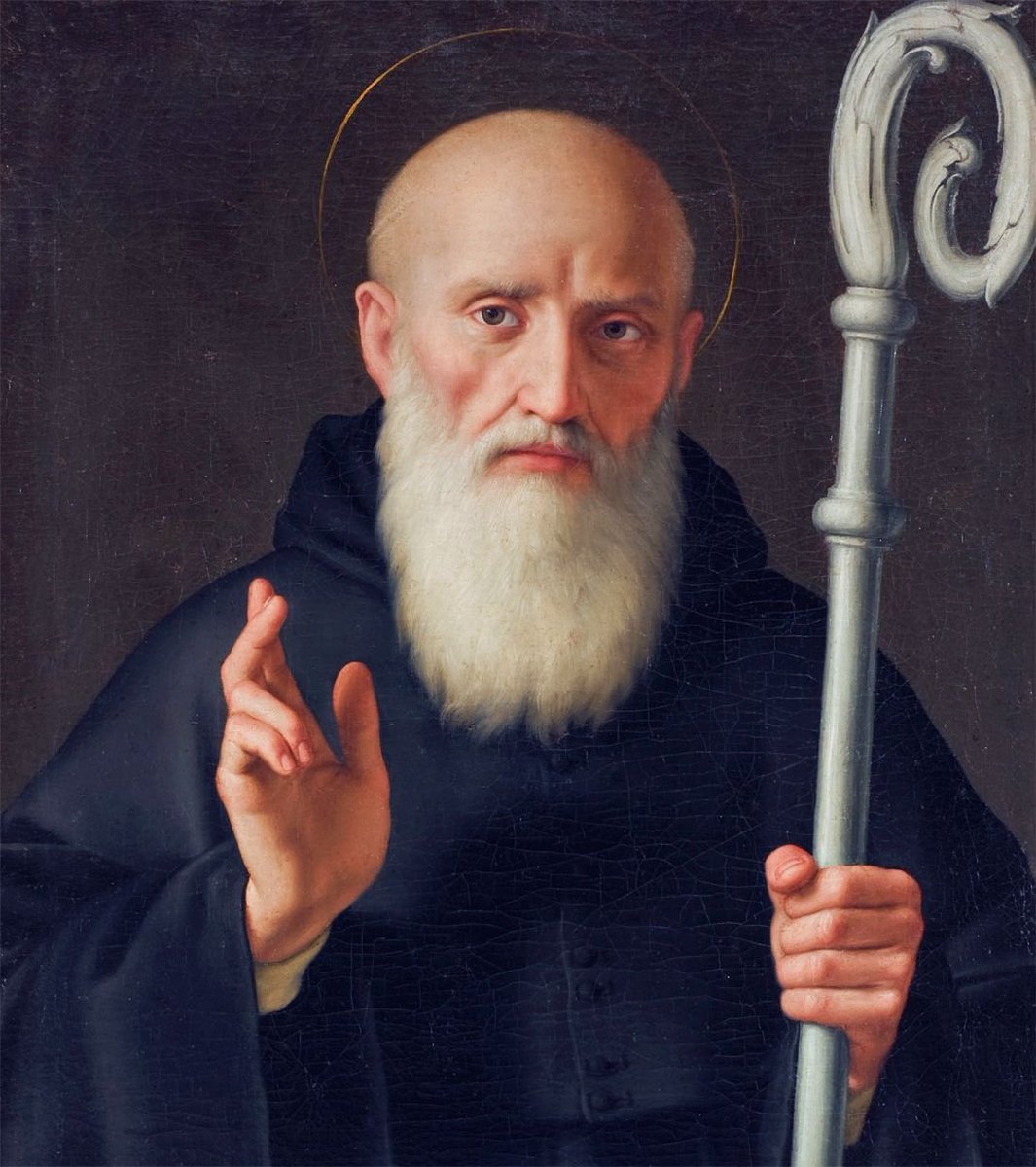
You should wear a St. Benedict Medal. Why? Because it’s one of the Church’s most powerful sacramentals.
But most people have no idea where it comes from or what it really says.
This is the story of the Saint Benedict Medal (1/3)
Hurricane Polo has SHATTERED the record for the longest duration of CAT 5 winds ever documented in a Pacific Hurricane, and it’s not even close.
His core sustained winds have now been at 158+ MPH for a combined 50 HOURS in total. The previous record was 42 hours, and only 4 other storms in the Atlantic Basin have maintained Category 5 status for longer.
HURRICANE POLO AND ODALYS COULD TRIGGER THE FUJIWHARA EFFECT
This could get wild. Category 5 Polo is dominating the Pacific, and now Odalys is turning back toward it.
If they get close enough, the storms could begin pulling on each other. Not colliding, but actually spinning around one another.
Their tracks could shift. Odalys could get whipped around Polo, or the stronger storm could eventually pull the weaker system into its circulation.
That’s the Fujiwhara effect, and it could completely change what happens next. Swells from both systems could also combine into dangerous, confused seas near Baja California.
Two storms. One increasingly unusual setup. And if they get close enough, neither may follow the path it would have taken alone.
👇 Anyone along the Pacific coast keeping an eye on these two?
#MrMBB333 #FujiwharaEffect #HurricanePolo
The MOST INTENSE storm pressures ever recorded in Earth’s Western Hemisphere:
🇲🇽 872 mb in Hurricane Patricia
🇲🇽🇺🇸 882 mb in Hurricane Wilma
🇯🇲🇲🇽 888 mb in Hurricane Gilbert
🇯🇲🇨🇺 892 mb in Hurricane Melissa
🇺🇸 892 mb in the Labor Day Hurricane
🇲🇽 892 mb in Hurricane Polo
BREAKING: Hurricane Hunters just measured an almost unbelievable 889 mb pressure inside Hurricane Polo.
If that reading is confirmed, Polo would become the second strongest hurricane ever recorded in the eastern Pacific, behind only Hurricane Patricia in 2015.
What makes this even more remarkable is how quickly Polo got here. The storm has intensified at an extraordinary rate, being only a tropical storm 24 hours ago.
An 889 mb pressure is an exceptionally rare number in the eastern Pacific, putting Polo into truly historic territory.
We are watching one of the strongest Pacific hurricanes ever observed unfold in real time.
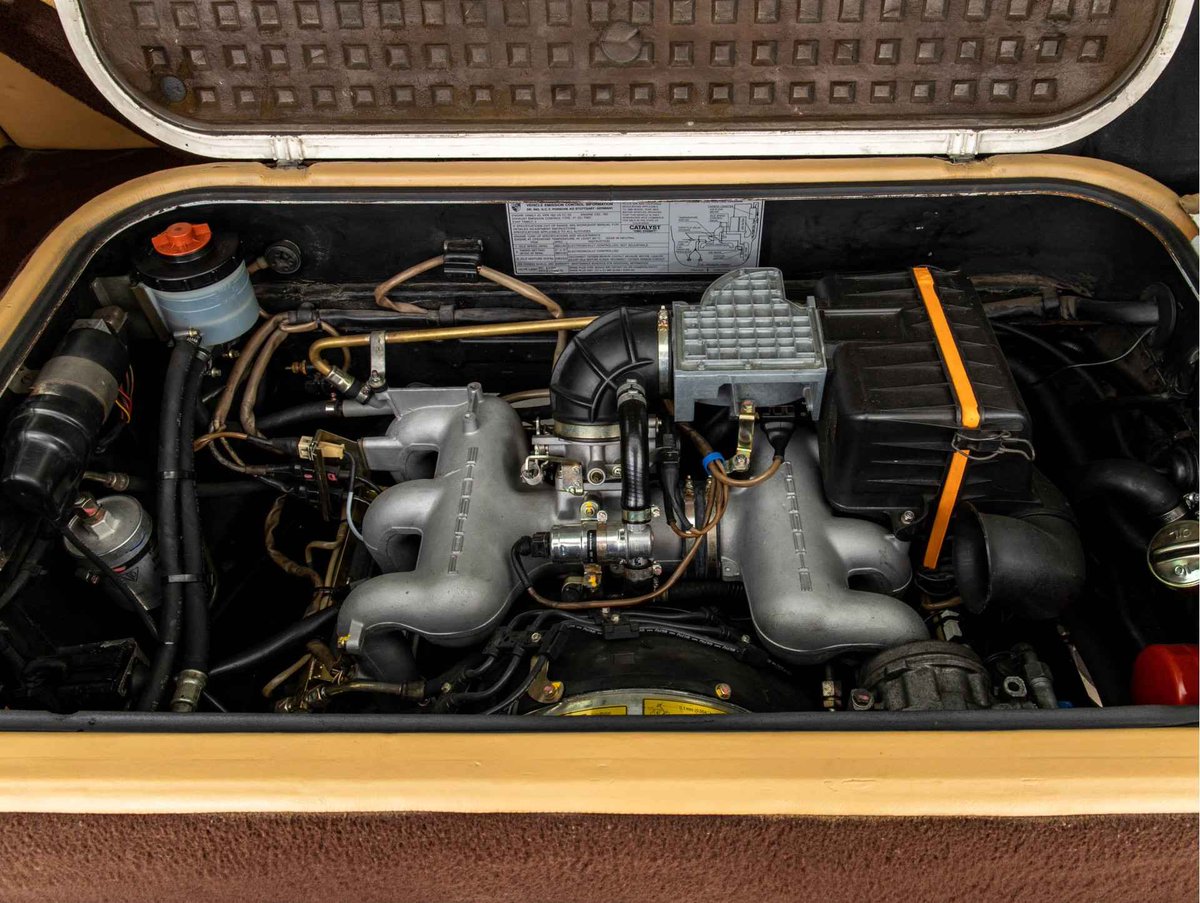
This is not a VW! This is a genuine -one of 7- Porsche B32, as stated on the registration certificate. It's equiped with a 3.2 flat six from the 911 and was originally delivered to the then CEO of Porsche. It's for sale (€ 364.900) at Porsche Centrum Gelderland (NL).
North Korea’s underground nuclear tests at Mt. Mantap have had long-lasting and delayed effects on the region’s surrounding crust, according to a new Science study, triggering seismic activity that has persisted—and even intensified—for years after the detonations ended.
The findings have implications for monitoring former nuclear test sites. https://t.co/qxCJwzzN82
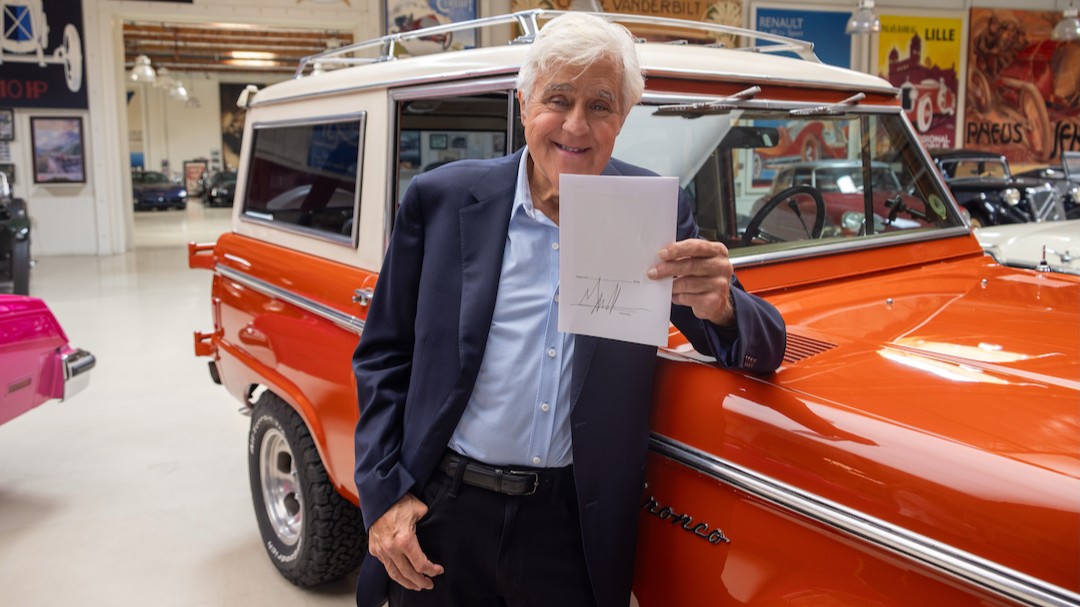
California classic car owners, rejoice! Governor Gavin Newsom has officially signed Senate Bill 1392 (Leno’s Law), Assembly Bill 2541, and Senate Bill 1069 into law at Jay Leno’s garage.
https://t.co/HH313PR4Cy