Retium Bangladesh Community weekly AMA / Week-2
🎙️ Todays AMA Topics
- Explorer Coming Soon
- How Does the 3D Multi-Mesh Work?
- Quantum Technology : What Is It & How Will It Work in Retium?
- Testnet & Mainnet Updates
- Open Q&A - Ask Anything About Retium
https://t.co/oUxI0AlX41
𝗥𝗘𝗧𝗜𝗨𝗠 × 𝗔𝗨𝗦𝗧𝗥𝗔𝗟𝗜𝗔
@RetiumChain has submitted an application for an Australian Financial Services Licence (AFSL), marking a significant step in its regulatory journey in Australia.
Application submitted does not mean licence approved.
The licence has not been granted at this stage. The application will go through the relevant regulatory process, while any future authorised financial services will depend on the permissions ultimately granted.
This adds an important regulatory dimension as Retium continues building its blockchain infrastructure and expanding its ecosystem.
Application submitted. Licence not yet granted. Regulatory process ahead. Retium’s Australian journey is now moving into its next phase.
Learn more about Retium’s corporate direction: https://t.co/K2ECjSSLv2
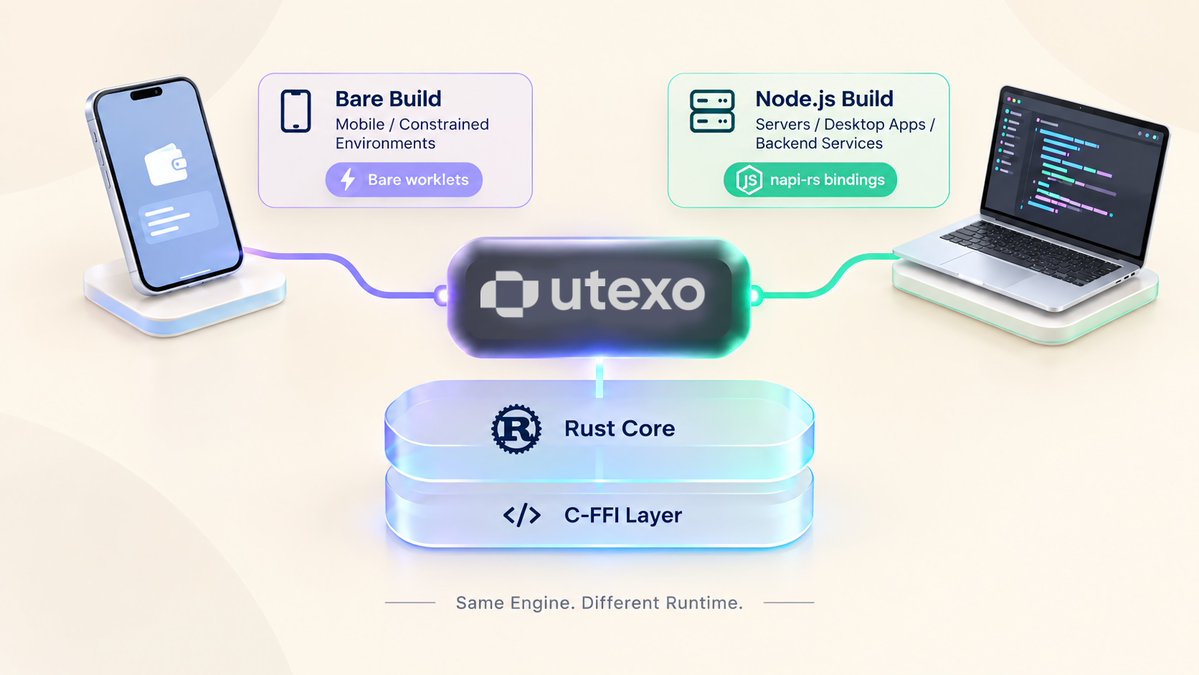
Same Engine, Different Runtime
Same underlying @RGB_Bitcoin Lightning logic ships in two different packages and which one you reach for depends on where your code actually runs, not personal preference.
The "bare" build targets Bare worklets, a lightweight JS runtime built for constrained environments like mobile apps, where a full Node.js runtime isn't available or practical. The Node.js build (via napi-rs bindings) targets standard backend environments servers, desktop apps, anywhere Node already runs. Both wrap the exact same Rust core and C-FFI layer underneath, so the actual RGB/Lightning behavior doesn't diverge between them.
The practical implication: pick based on runtime, not features. A mobile wallet reaches for the bare build; a backend service or exchange integration reaches for the Node.js one. Same guarantees, same version lineage, different door in @utexocom
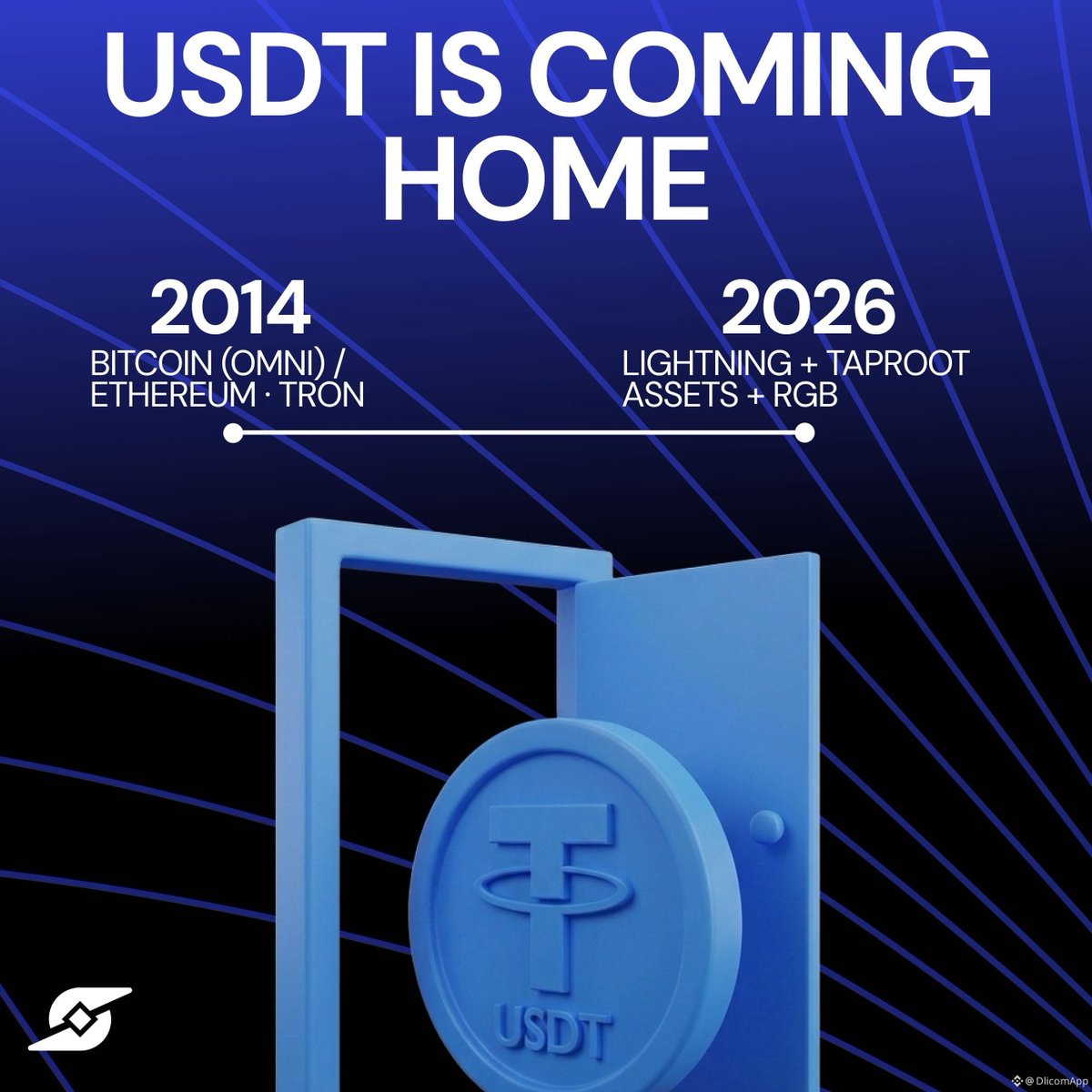
I saw @DlicomApp post on Binance Square about USDT coming back home.
I was surprised, and it felt good at the same time.
This is what they wrote:
USDT was born on Bitcoin in 2014. Now Tether says it's coming home.
On September 24, CEO Paolo Ardoino posted, “USDT on Bitcoin. It's coming home.”
Tether has been moving in this direction for a while: Taproot Assets with Lightning Labs, the RGB protocol for issuing assets on Bitcoin, and fresh bets on Lightning payment infrastructure.
Stablecoin activity drifted to Ethereum and Tron over time. Lightning could pull part of it back. Fast, cheap transfers, on the most battle-tested network in crypto. A launch date is still to come.
And @utexocom is working as the payment-layer infrastructure for this whole system.
I’m part of the Utexo community. This makes me want to feel proud.
USDT is coming home. The rail is Bitcoin.
Perpetual trading is powerful but keeping contract prices aligned with the real spot price is one of its biggest challenges.
@TxFlow_L1 uses separate mark-price and oracle-price mechanisms to help maintain fair market values.
• Oracle price → external market reference
• Mark price → risk management, including liquidation calculations
Keeping pricing mechanisms independent from the order book can help reduce manipulation risks and strengthen market integrity.
For on-chain perpetuals, accurate pricing isn’t an extra feature.
It’s the foundation of safer trading.
Vitalik was 19 when he wrote the Ethereum whitepaper.
His whole argument was that Bitcoin was too limited and that you should be able to build real applications on a blockchain.
That idea became the foundation for basically everything we call crypto today. DeFi stablecoins NFTs DAOs. All of it built on top of what he designed as a teenager.
He is 32 now and still writes long technical posts that most people struggle to follow. Still travels constantly. Still seems more interested in what Ethereum becomes than what he personally gets out of it.
A lot of founders talk about building for the long term. Vitalik actually just does it.
AI is moving fast, but the people building the ecosystem around it matter just as much.
That’s what caught my attention about @ActionModelAI .
I’m excited to explore the ecosystem, create useful content, share ideas, and help more people understand what’s being built.
Let’s build the movement together
Apply to our Creator & Ambassador Program 👾
Some people will watch the AI revolution happen.
Others will help build the movement around it.
We’re looking for Web3 creators and ambassadors who want to do more than just post about AI.
We want people who can shape the conversation, grow the community, and become recognised voices inside the Action Model ecosystem.
You do not need a huge audience.
You do need original ideas, consistency, and the ability to make people care.
If selected, you’ll get access to:
- Paid opportunities every month
- Exclusive rewards
- Early product and campaign access
- Direct collaboration with our team
- Recognition across the community
Whether you create videos, threads, memes, graphics, tutorials, articles, or host Spaces, there could be a place for you.
If you believe AI should be owned by the people helping build it, this is your chance to play a bigger role in that future.
Places are limited. Apply via the link below.
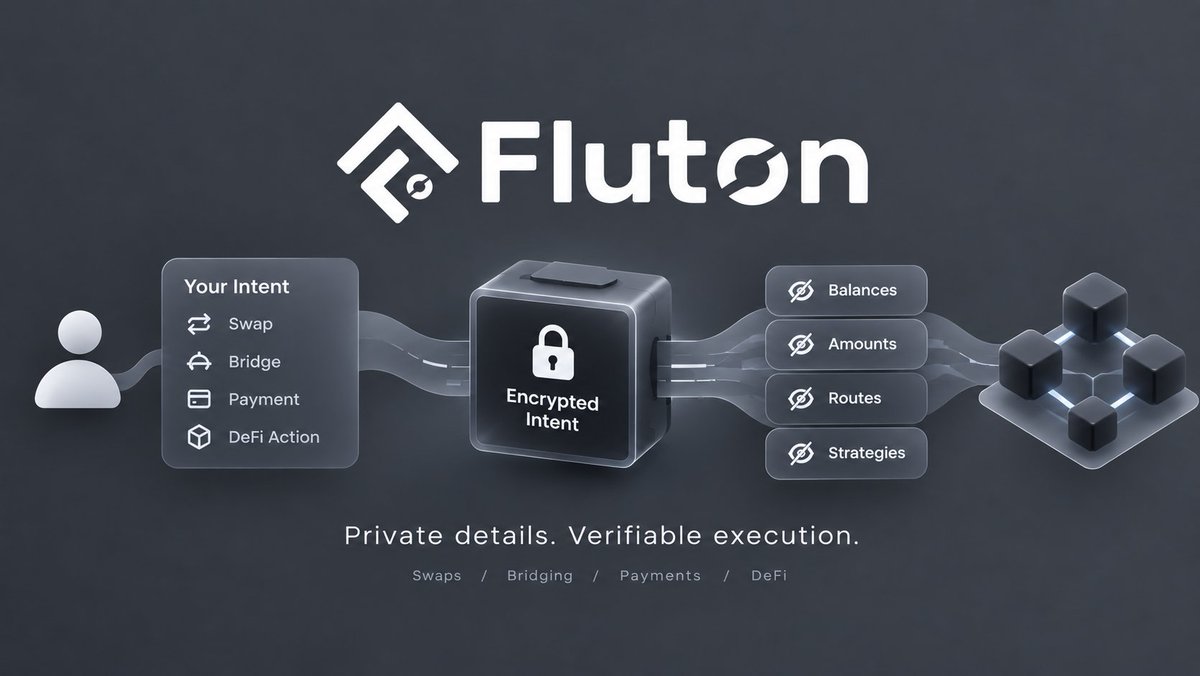
Encrypted intents are changing how on-chain activity works by keeping sensitive details private before execution.
Instead of exposing balances, transaction amounts, routes, or strategies publicly, users can express the outcome they want and let the system process it confidentially.
This creates a more private approach to swaps, bridging, payments, and DeFi actions where sensitive information matters.
@FlutonIO is part of this shift, showing how Web3 can remain verifiable while giving users greater control over what they reveal
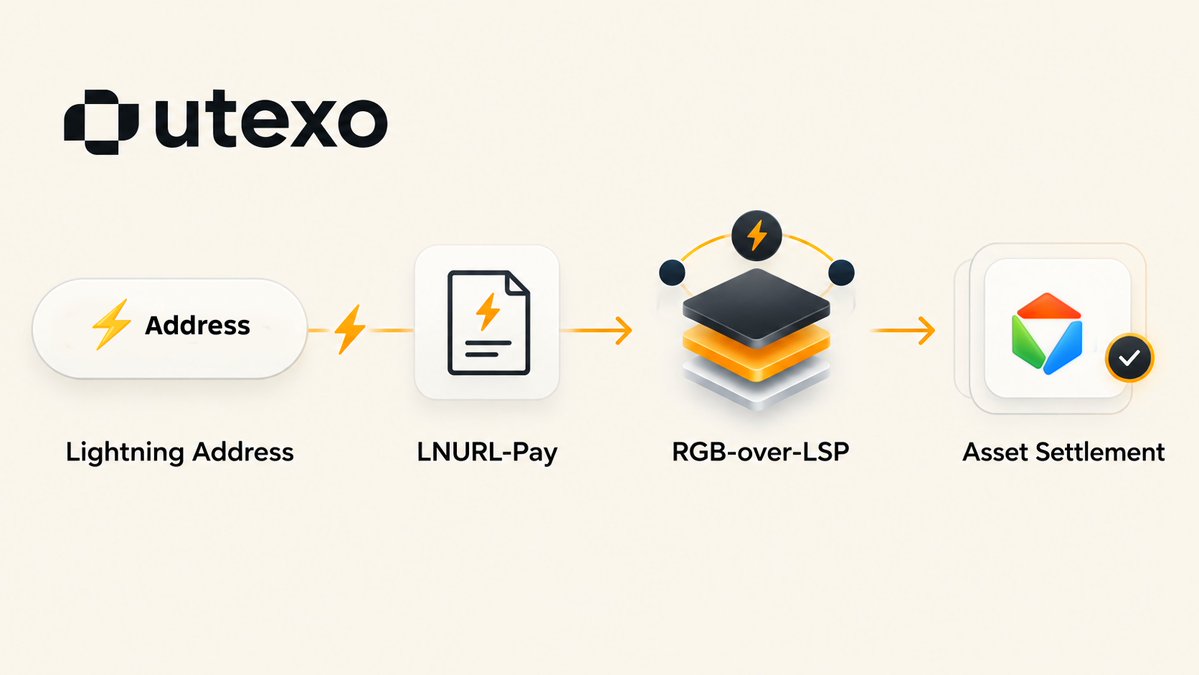
Lightning addresses look simple on the surface just an email-style string people can send to. What's happening underneath, especially when @RGB_Bitcoin assets are involved, is more interesting.
LNURL-Pay is what makes a static Lightning address work as a payment target in the first place: instead of generating a fresh invoice every time, the receiver's address resolves dynamically into one. @utexocom 's stack extends this further with RGB-over-LSP deposits letting an incoming payment route through an LSP and settle as an RGB asset transfer, not just plain BTC.
This matters for UX: a user shares one address, not a new invoice per asset per sender. The complexity of routing, liquidity, and asset aware settlement stays entirely on the infrastructure side @Utexoasia
The person who created Bitcoin has never been identified Not once in 18 years
They published the whitepaper in 2008 got the network running handed it off to the community and just disappeared No interviews No follow up Nothing.
What's crazy is that move might be the reason Bitcoin survived.
There is no founder to go after No company to shut down No single person who owns the narrative. It just exists and keeps running regardless of what anyone thinks about it.
Most people who build something worth billions spend the rest of their life making sure everyone knows they built it Satoshi did the opposite and honestly that might be the smartest thing about the whole project.
bitcoin:native