GM! Not sure if this AMA is mostly for engineers, so apologies for jumping in. I don’t come from a traditional engineering background — I tend to start from visual, interaction, and product goals, then use coding agents to turn those ideas into things I can actually use.
That gets me pretty far, but it also means I can judge whether something feels and behaves right without really knowing if the implementation underneath is sound.🤔
If I’m not trying to become a professional engineer, where would you draw the line between what I should actually understand myself and what can reasonably be delegated to tests, tooling, or other agents?
Happy Birthday to chess legend @GMJuditPolgar 🎉
Judit broke into the top 100 at just 12, became the youngest grandmaster EVER, and went on to be ranked 8th in the world with an Elo of 2735! 🙌
Introducing Claude Fable 5: a Mythos-class model that we’ve made safe for general use.
Its capabilities exceed those of any model we’ve ever made generally available.
Introducing HydraDB.
The graph native context infrastructure for agents. Purpose built to deliver precise context & observability into why agents act the way they do.
We've always believed graphs are the best way to manage AI context, but they've been too expensive to scale or impractical for storing full context. Until now.
@hydra_db combines in memory, NVMe, and object storage into a single graph layer, making context delivery faster, cheaper, and more precise.
We want context delivery to be extremely fast, 1000x cheap, and highly precise. Give your agents a brain.
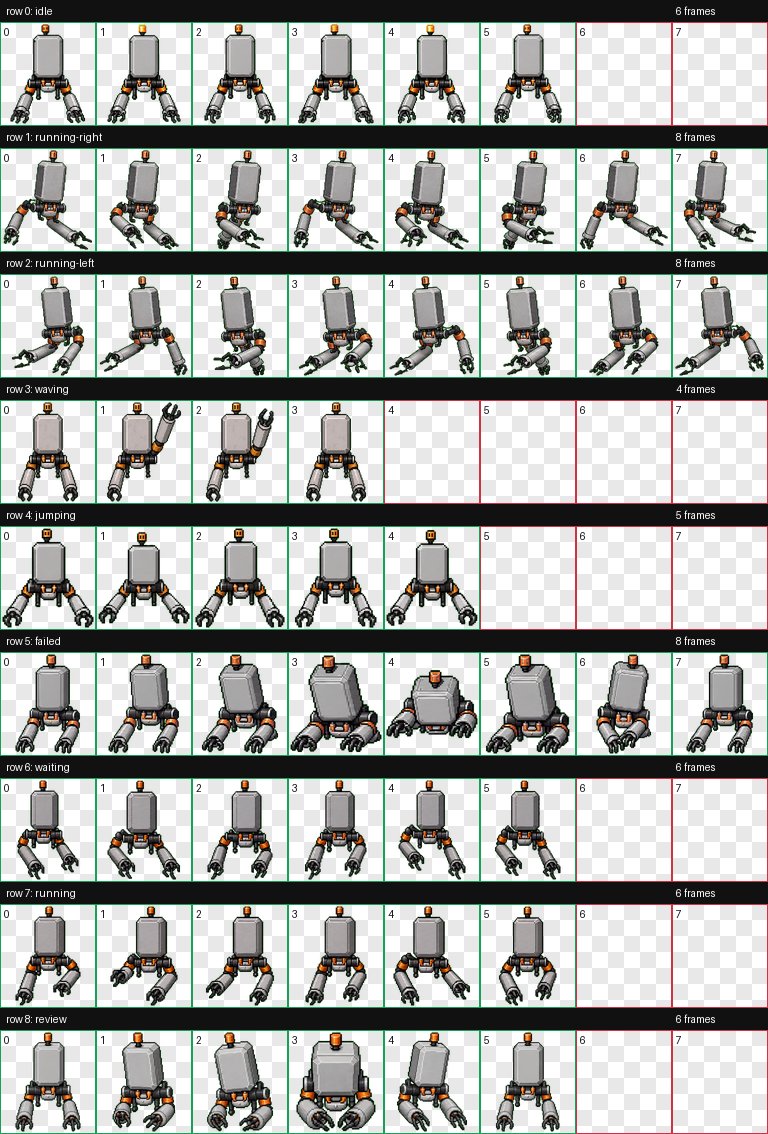
Feels like it might have real potential for creating character animations directly for 2D games.
I guess I’ll save Pod 153’s design for Claude Code’s pet, so the two of them can make a pair on my desktop.
“Proposal: entrust this task to the pet.”
I have tried “hatch-pet”, it's super interesting, give it just a few rough reference sheets and it can turn them into beautifully animated frames: actions, perspective, and camera angles all designed by the pet itself. 🤖
It even made a drum-keyboard animation for Pod 042.
I used Codex to make a Py script that helps me convert normal maps and alpha maps into relief assets for quick batch production.
Obviously, Figma Weave is much more elegant. By comparison, my flow is very scrappy — like a purely pragmatic tractor. I processed the images into normal maps using a traditional normal-conversion method, and the web implementation is almost the same.
I just didn’t expect that you also used an alpha map to solve the issue where the 3D carrier of the normal map gets affected by environmental lighting and creates background artifacts. I guess I accidentally got it right, haha.
I used Codex to make a Py script that helps me convert normal maps and alpha maps into relief assets for quick batch production.
Obviously, Figma Weave is much more elegant. By comparison, my flow is very scrappy — like a purely pragmatic tractor. I processed the images into normal maps using a traditional normal-conversion method, and the web implementation is almost the same.
I just didn’t expect that you also used an alpha map to solve the issue where the 3D carrier of the normal map gets affected by environmental lighting and creates background artifacts. I guess I accidentally got it right, haha.
When I first saw this site a few days ago, I honestly tried to steal the relief effect for my own website. I also ended up using a normal map approach for performance reasons and managed to get something close.
Then I realized I was just jealous of your talents.
Such a cool site. Thanks for sharing the process in detail.