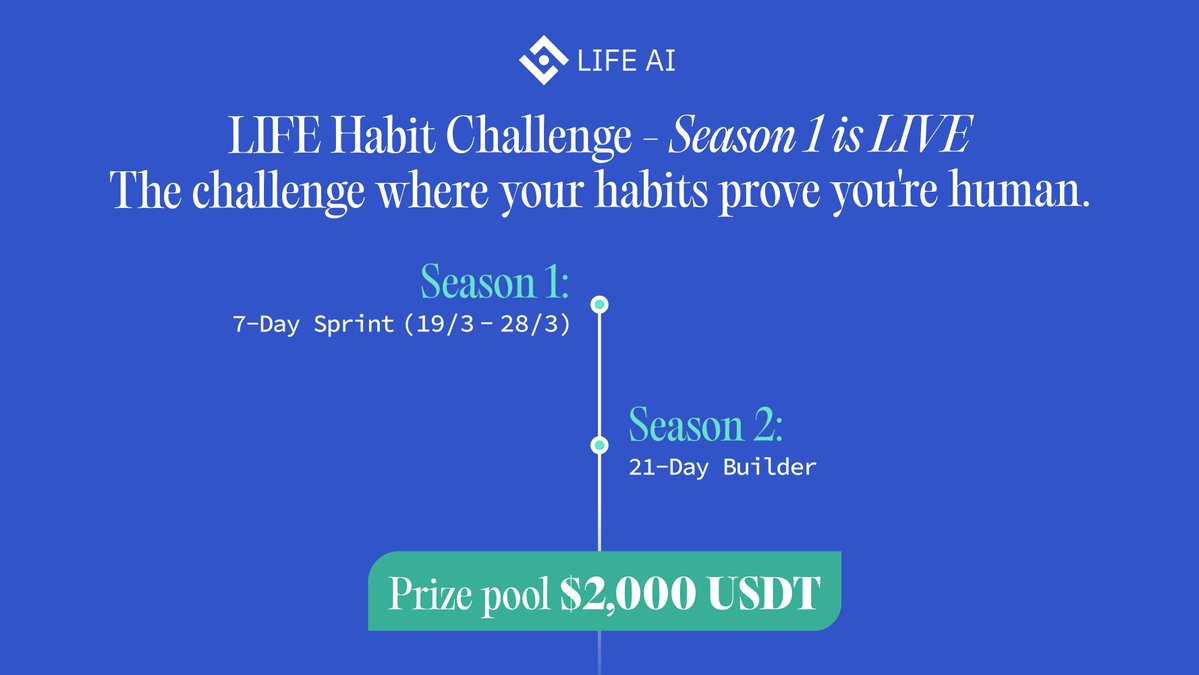
Introducing the LIFE Habit Challenge
The challenge where your habits prove you're human.
📅 Season 1: 7-Day Sprint (Mar 19 – 28)
📅 Season 2: 21-Day Builder - opens after S1
💵 Total prizes: $2,000 USDT + LIFE testnet tokens + exclusive roles
Full thread below 👇
(1/5)
#LIFEHabitChallenge #ProofOfHabit #Web3Health
🩺 Community Question
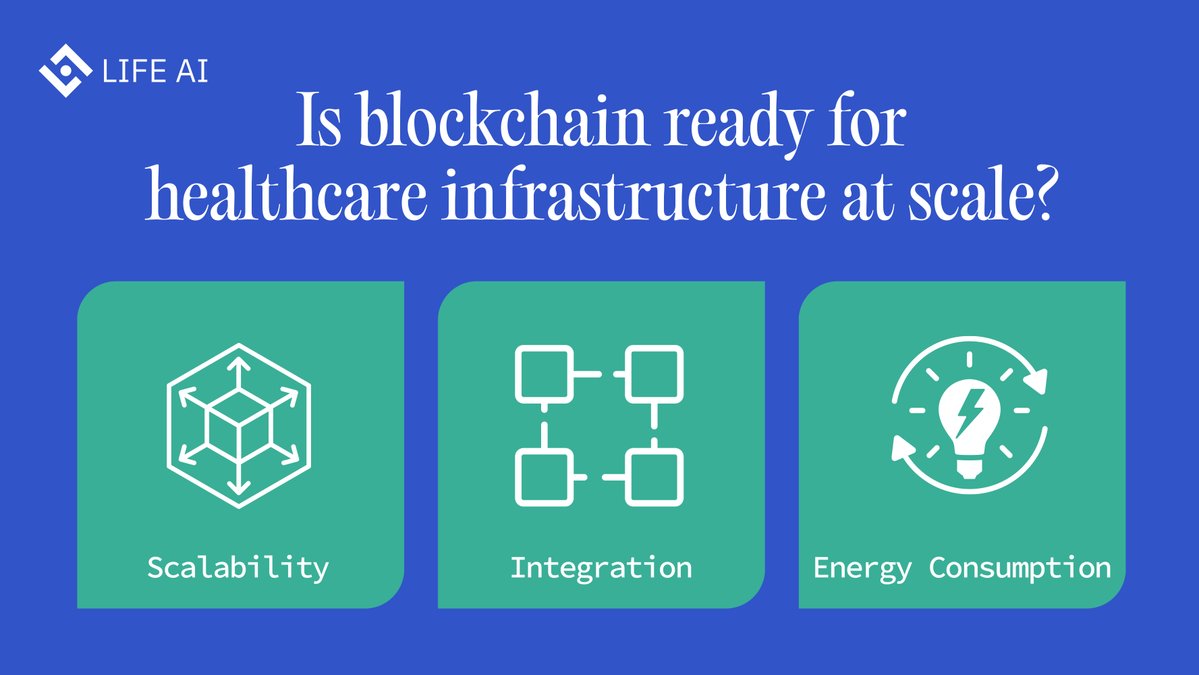
Is blockchain ready for healthcare infrastructure at scale?
Viewpoint A: Structural barriers remain.
Blockchain still struggles with scalability for large health datasets, integration with legacy hospital systems, and regulatory compliance. Operational adoption remains limited, with most initiatives still at the pilot stage.
Viewpoint B: The technology is maturing.
New blockchain architectures are improving speed, efficiency, and scalability. Hybrid models are advancing interoperability with existing healthcare systems. Early pilots also show progress toward secure, patient controlled data sharing.
👇 Comment A or B and share your perspective.
🩺 Community Question:
Healthcare is a paradox: trillions spent and cutting-edge technology, why is humanity only getting sicker?
Viewpoint A: The healthcare system is broken (reactive, wasteful, poorly coordinated).
The system prioritizes treatment over prevention, carries massive administrative waste, and fails to use advanced technology efficiently. The result is high spending and weak outcomes.
Viewpoint B: The real drivers lie outside healthcare (social factors, lifestyle, inequality).
Healthcare accounts for only a small share of health outcomes. Poverty, obesity, unhealthy lifestyles, and inequality are the root causes. Increasing medical spending alone does not address the core problem.
👇 Drop A or B and share your perspective
🩺 Community Question:
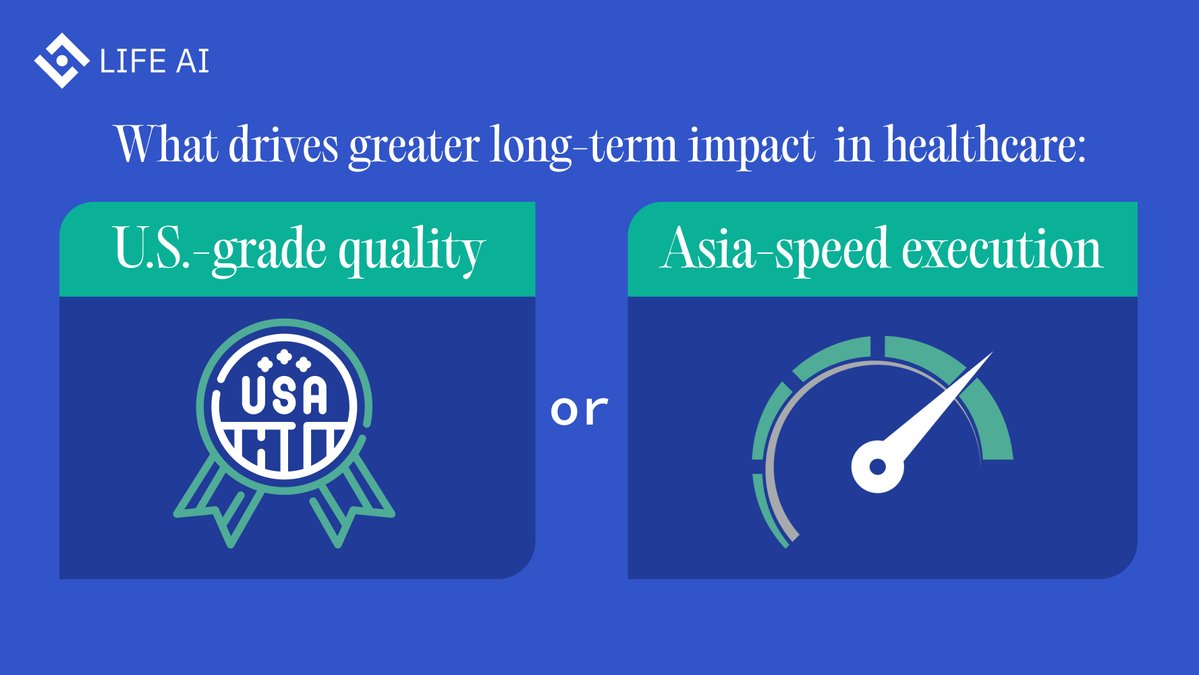
In medical innovation, what drives greater long-term impact:
U.S.-grade quality for rigorous validation and strict regulation
or Asia-speed execution for faster approvals and rapid scale?
Viewpoint A: U.S.-Grade Quality
Through institutions like the U.S. Food and Drug Administration, the U.S. emphasizes deep clinical validation before approval.
Rigor reduces risk, protects trust, and supports durable breakthrough innovation.
Viewpoint B: Asia-Speed Execution
Countries such as China and India accelerate approvals and deploy innovations at scale.
Faster access can save lives, especially in high-burden diseases.
👇 Drop A or B and share your perspective.
🩺 Community Question
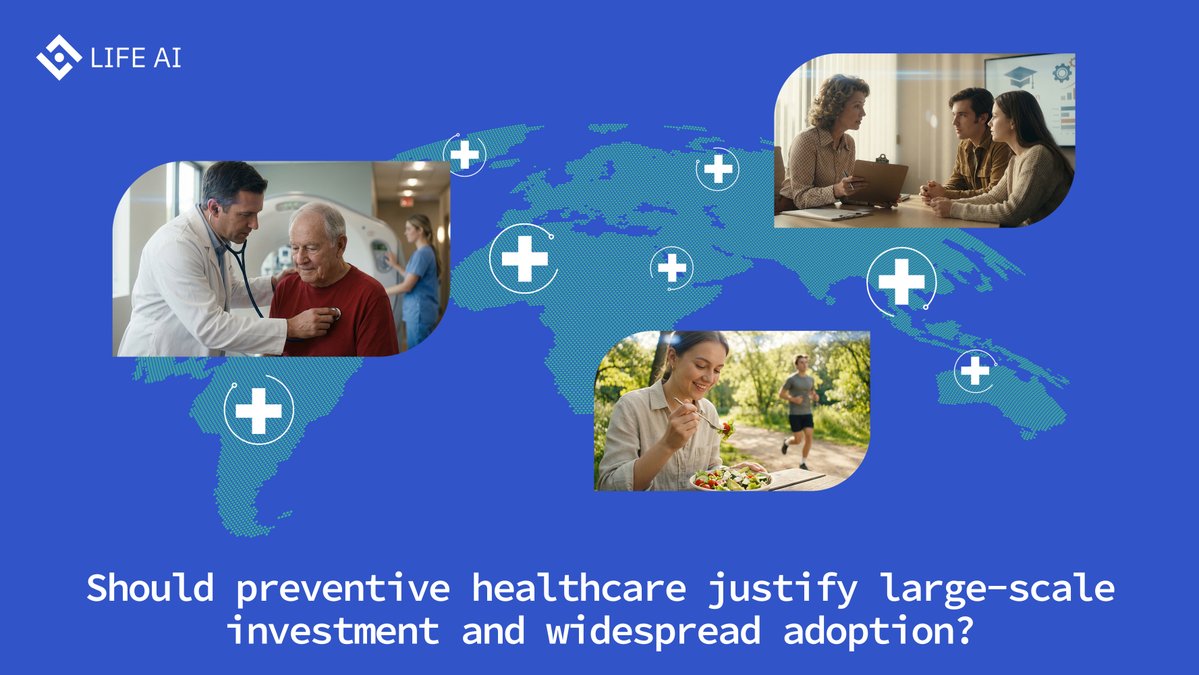
Should preventive healthcare justify large-scale investment and widespread adoption?
Viewpoint A:
Preventive care involves significant upfront costs and carries risks of overdiagnosis and overtreatment, potentially increasing anxiety and spending without clear mortality gains.
Viewpoint B:
Prevention through screening and lifestyle interventions can reduce disease burden, hospitalizations, and long-term costs, while improving life expectancy and quality of life.
Is prevention a cost-effective long-term strategy or an overextended approach with uncertain net benefit?
👇 Drop A, B, or share your perspective.
💊 Community Question:
Can AI help discover and develop new medicines much faster and cheaper than traditional methods?
Viewpoint A:
Yes. AI can rapidly test millions of drug ideas, cut early research time and costs dramatically, and in some cases bring medicines to patients years faster.
Viewpoint B:
Not fully. AI helps at the start, but human trials are still slow, expensive, and unpredictable, keeping overall drug development costly and time-consuming.
If AI is expected to change how medicines are made, is the impact already real or mostly promise?
👇 Drop A, B, or share your perspective.
🩺 Community Question
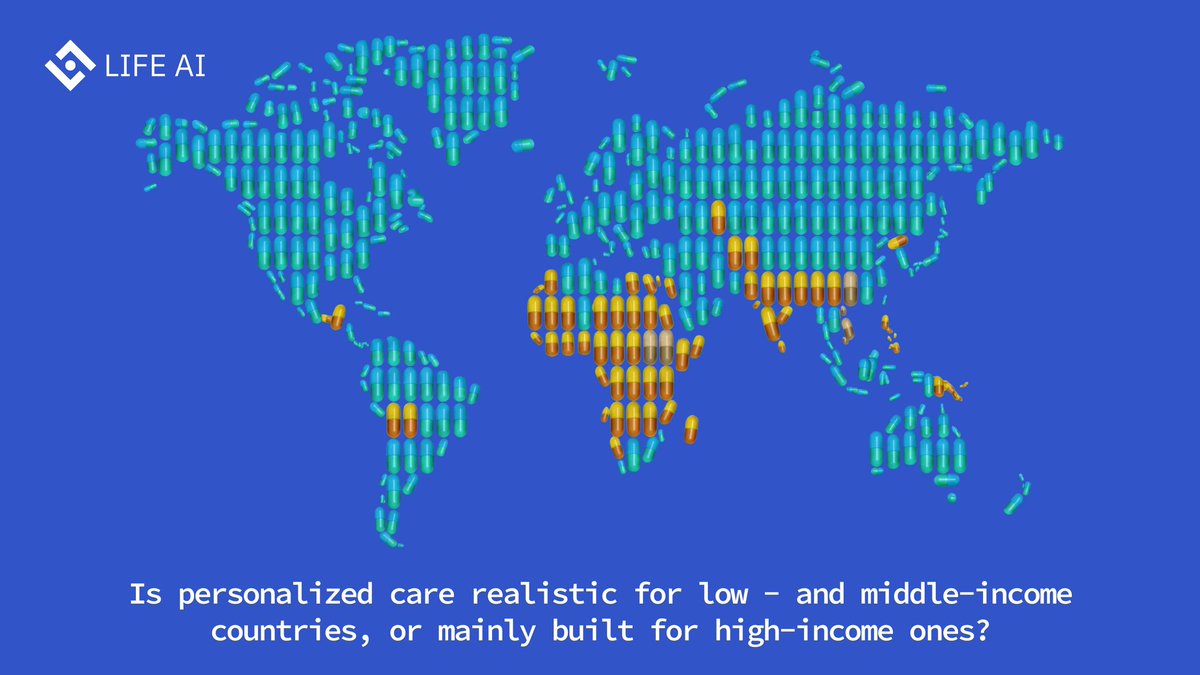
Is personalized care realistic for low- and middle-income countries (LMICs), or is it still a model built mainly for high-income countries (HICs)?
Viewpoint A: Gradually achievable in LMICs
Personalized care can scale over time. Costs of genetic and digital tools are falling, AI-driven insights are becoming more accessible, and hybrid models already work in areas like oncology and chronic care. With the right partnerships and focus, personalization doesn’t have to remain a luxury.
Viewpoint B: Not practical for most LMICs
For many LMICs, personalized care remains unrealistic. High costs, limited infrastructure, workforce gaps, and unequal access make large-scale adoption difficult. Healthcare systems should prioritize proven, low-cost interventions like vaccination, screening, and basic prevention.
Or is the future of healthcare built by combining both approaches?
👇 Drop A, B, or share your perspective.
Tag someone who should weigh in on this.
🩺Community Question:
Should healthcare prioritize personalized care for individuals, or one-size-fits-all care for everyone?
Viewpoint A: One-size-fits-all as the default
Standardized care is more practical, affordable, and equitable for large populations and resource-limited settings. It delivers consistent, proven outcomes at scale, reduces disparities, and avoids the high cost and access barriers of full personalization.
Viewpoint B: Shift to personalized care
Personalized care is more precise, effective, and preventive. Leveraging genetics, AI, and real-world insights enables better outcomes, fewer side effects, and long-term cost savings as personalization becomes increasingly accessible.
Have you benefited from standardized care or struggled because it wasn’t personalized enough?
👇 Share A, B, or a short personal insight.
Tag someone who should be part of this conversation.
🩺 Community question:
Where will the next major breakthrough in healthcare come from?
Viewpoint A:
From established systems like the US and UK where world-class institutions, funding, and decades of research infrastructure continue to drive innovation.
Viewpoint B:
From outside traditional power centers where emerging regions, new models, and fewer legacy constraints enable faster experimentation and unexpected breakthroughs.
Which side do you believe in and why?
👇 Drop A, B, or share your perspective.
Tag someone who should weigh in on this.
🩺 Community Question:
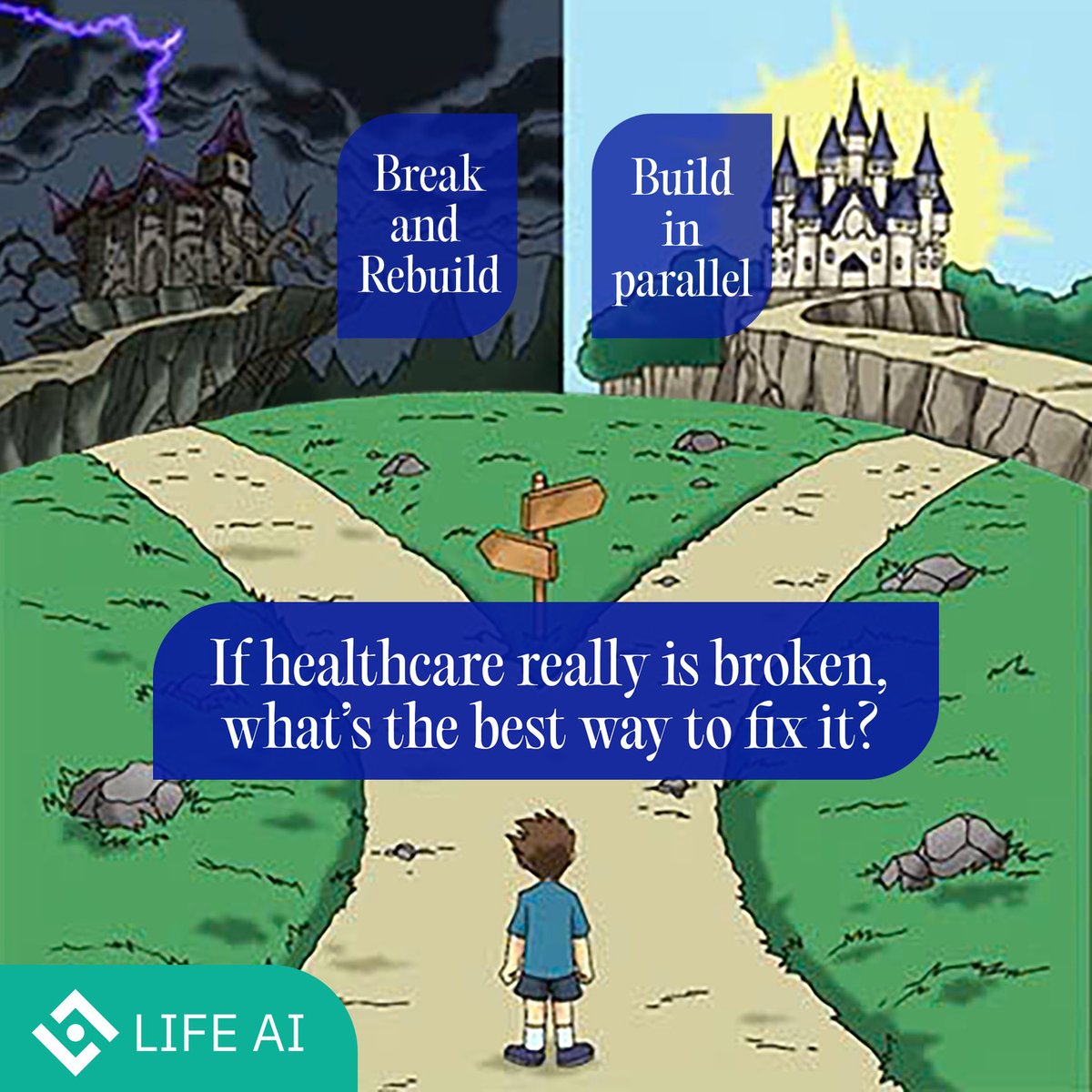
If healthcare really is broken, what’s the best way to fix it?
Viewpoint A:
Break the current system and take on the big players, including drug companies, hospitals, and insurers, to change the rules and rebuild healthcare from the ground up.
Viewpoint B:
Build a new healthcare system alongside the old one, simpler, more human, and tech-driven, and let it grow until it becomes the better default.
Your perspective can help shape the future of healthcare. Which path would you support?
👇 Drop A, B, or share your perspective.
Tag someone who should weigh in on this.
We’re honored to share that LIFE AI has been selected from over 300 applications globally as one of the six startups in the FastTrack AI Accelerator – Cohort 1, powered by @genaifund_ai and accelerated by @nvidia Inception Program.
Here’s why this milestone matters and what we’re building 👇
#FastTrackAI #GenAIFund #NVIDIA #AIStartups