I code 7-8 hours with AI every day.
6 days of the week.
I tested all prominent tools in AI tech.
- v0
- Cursor
- Bolt .new
- Replit Agent
- Gptengineer
- Windsurf IDE
Here's my latest Ranking:
Most improved project in 14 days:
Bolt. new - 8/10
I am impressed by the output quality of bolt.
Just 2 weeks back it felt half baked. Now it is shaping into something good.
Great for coding Landing pages and micro saas (4-5 pages)
Most Versatile Project:
Replit Agent - 7/10
After Replit introduced React + Vite. It is now building applications with cool UI.
Still a bit slow. A bit over complicated
BUT moving in right direction.
I coded a modern landing page in 1 shot that i designed in v0.
Best in their domain:
Cursor - For coding
V0 - For frontend design
Half baked projects:
Windsurf IDE - 4/10
Disappointed with the output. It was breaking after 5th step every time.
Still need improvement:
GPTengineer - 4/10
Cool idea but competition is now super tough.
Bolt is moving at crazy pace. v0 improved context with context caching.
GPTengineer is still implementing 1 edit in one message.
Here's my tech stack as of today.
I use ChatGPT search for research
I use o1 model for documentation
I use v0 for frontend design
I use claude AI for coding brain
I use cursor for code implementation
I use replit to deploy projects
I feel like I can build any web app now with this stack in 5-7 days.
I'll be sharing some cool experiments in coming days.
Stay tuned.
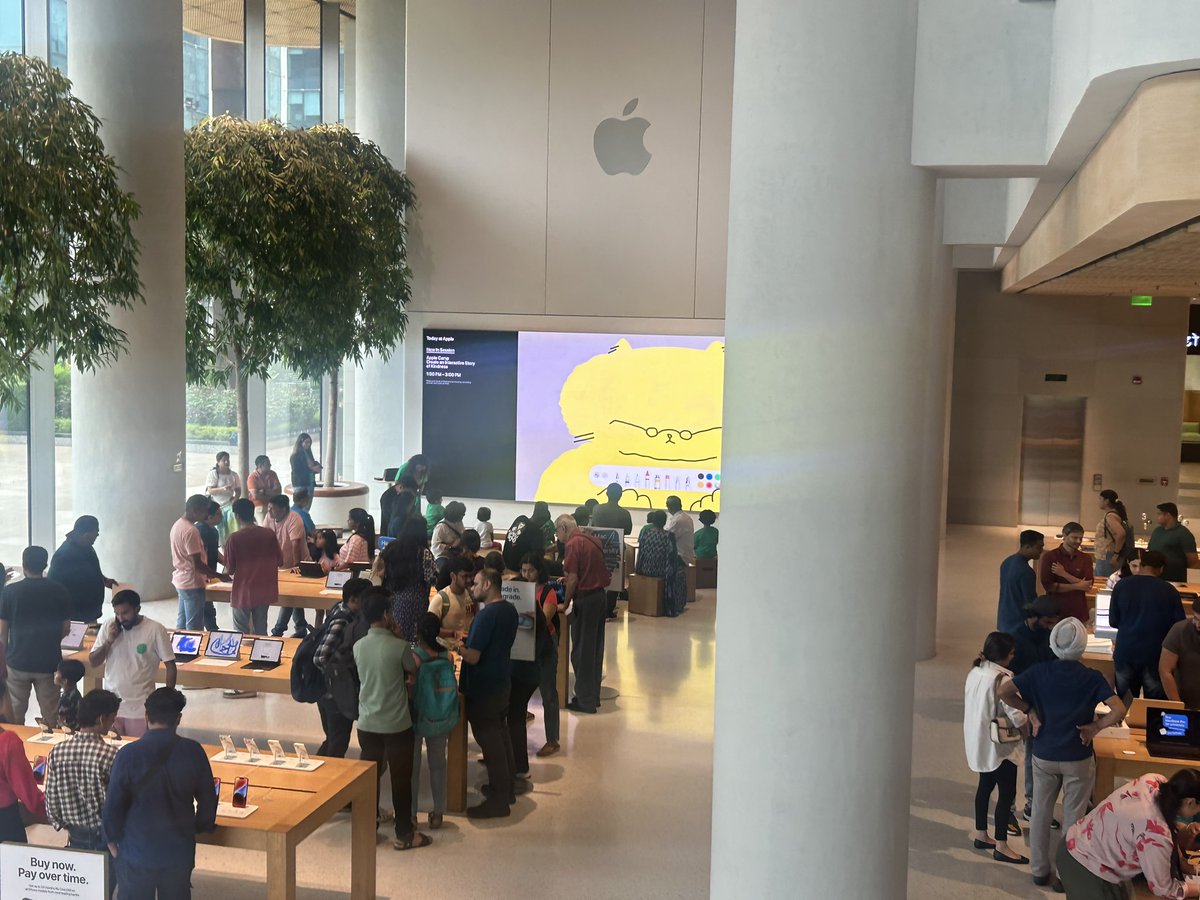
and I witnessed the support of another customer as well. I am here, happily leaving for Bengaluru, fantastic customer experience that I have had with 🍎3/3
This is my second visit to Apple BKC. I've tried reaching @AppleSupport multiple times, but unfortunately or fortunately, the support team never responded on Twitter/X. But!!!!!
1/2.
This is my second visit to Apple BKC. I've tried reaching @AppleSupport multiple times, but unfortunately or fortunately, the support team never responded on Twitter/X. But!!!!!
1/2.
Mind the Patch Gap: Exploiting an io_uring Vulnerability in Ubuntu
An article by @foolisses about exploiting a logical bug in the io_uring subsystem that leads to freed pages being writable through a userspace mapping.
https://t.co/M8lrM7L8Lj
Interesting blog post by Seth Jenkins (Google Project Zero) showing a technique for exploiting NULL pointer dereferences in Linux kernel
https://t.co/WB8XXNzdv7
#Linux
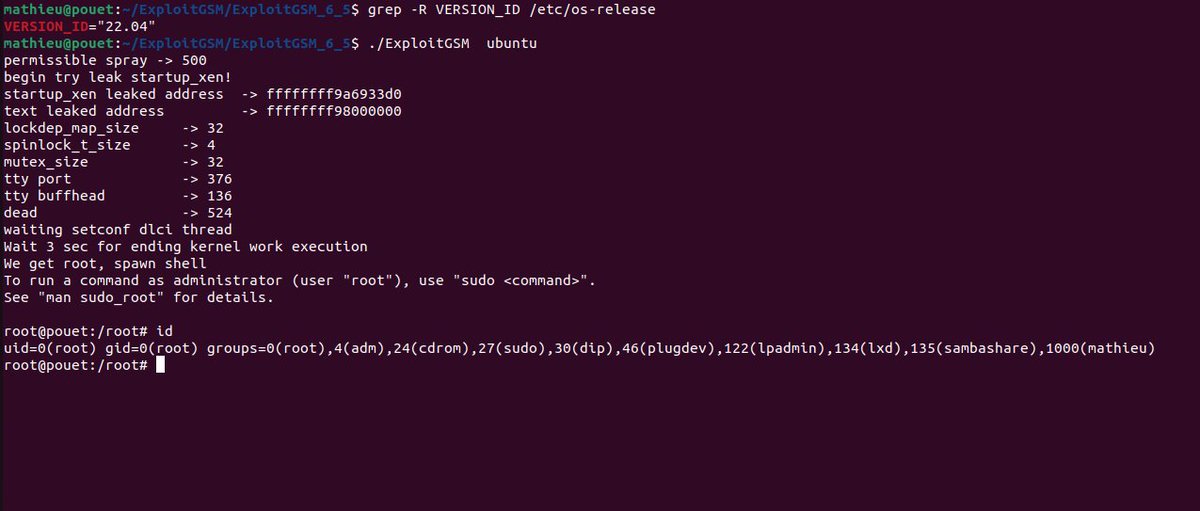
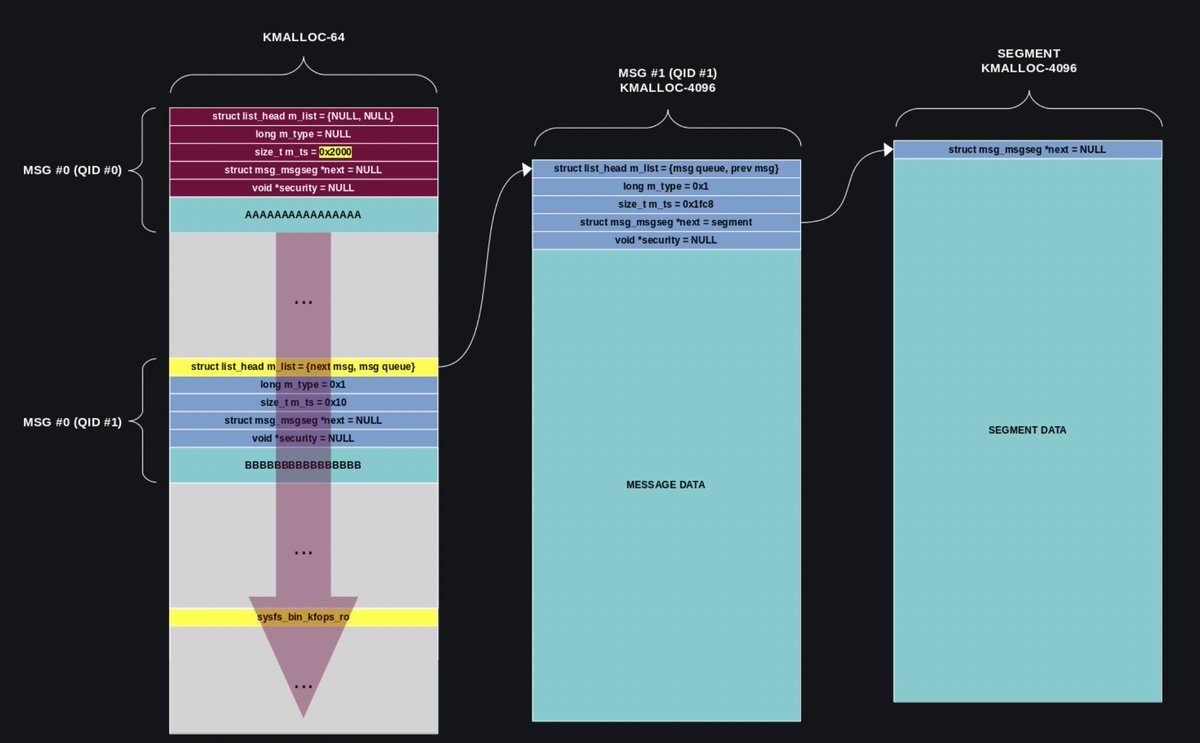
Excellent CTF challenges writeups for learning the msg_msg technique for arbitrary read and write for Linux kernel exploitation
https://t.co/IdUyVbRATu
https://t.co/wLXOKNdKv6
#Linux#cybersecurity
Finally, it's time to share what I was working on the last couple of days during my spare time: https://t.co/tvwcwjn7Gh
Smart Contract Inspector is a small Chrome Extension utility for people like me that needs to review the source code of verified Smart Contracts on all the various Etherscan domains. It allows you to inspect the source code of any smart contract from Etherscan with just one click or an instant keyboard shortcut (cmd+period). Zero time wasted replacing URLs or clicking buttons.
The first release will support more than 20 blockchains (mainnet + testnet) and it will open the source code in DethCode. I'm planning to add more in the future (read until the end for more details)
Why? Let me give you some background motivation!
My go-to option to review smart contract source code is DethCode by @dethcrypto. Usually, what I have to do is to go into the Smart Contract detail page in one of the various @etherscan domains (depending on which chain is deployed to) and perform one of these actions
1) Manually replace the `.io/com` with the `.deth.net` domain. It's quick, but not as quick as I would want. You need to use the mouse, type with the keyboard and so on
2) Leverage the MetaSuites Chrome Extension from @BlockSecTeam to open automatically DethCode, but you have many more steps to take. Click on the "Code" tab of the webpage → Click on the View on DethCode button
I wanted something quick and easy. Something like when you want to see the source code of a GitHub repository, and you just need to hit the DOT character (did you know this trick!?).
Unfortunately, you can't replicate the same thing with Etherscan (I'm not the owner of the domain, and to be honest, I intend to support all the Block explorers available, not just Etherscan!) and you can't do it either with a Chrome Extension (logging user chars to trigger an event would probably be seen as a keylogger 😁).
So the only option was to build a Chrome Extension and settle for a Keyboard Shortcut (instead of quicker character).
What's next?
1) As soon as I get verified on the Chrome Extension store, I'll release the official Chrome Extension
2) I'm planning to add more Web IDE or at least all the ones I can add support
3) Add some UI to the Chrome Extension to allow you to specify which Web IDE you want to open the smart contract with as a default option
4) Add support for more Block explorer
Burpsuite and other proxies are expensive. Not worth it.
Although, burpsuite has a community version, you can’t do much with it.
Intruder doesn’t work.
No collaborator tool.
Some extensions are not available.
But have you tried contributing to Zaproxy? We need a community. 🚀
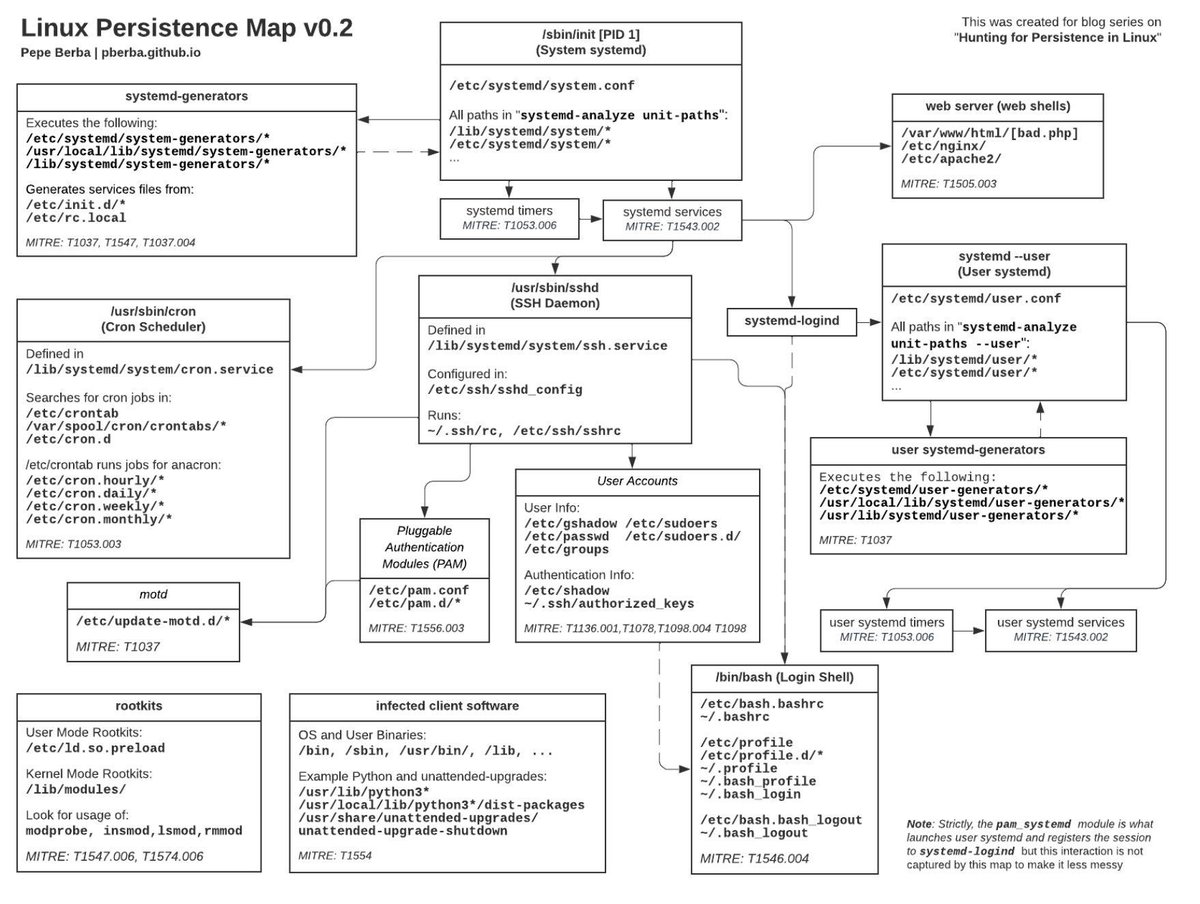
Series by @__pberba__ about persistence in Linux environments
Map: https://t.co/8KaO3celxe
Auditd: https://t.co/YFlzhgrWjX
Accounts: https://t.co/ZbQDAbSHf3
Systemd: https://t.co/Ud0KRHy1Gy
Scripts: https://t.co/I0eyxeP58I
Generators: https://t.co/pek92QyBtB
#Linux
drozer 3.0.0
After almost 7 years, new version of drozer compatible with Python 3 and modern Java was released
If you don't know, drozer was a very popular security testing framework for Android
https://t.co/qbG7M0GJr2
drozer 3.0.0
After almost 7 years, new version of drozer compatible with Python 3 and modern Java was released
If you don't know, drozer was a very popular security testing framework for Android
https://t.co/qbG7M0GJr2
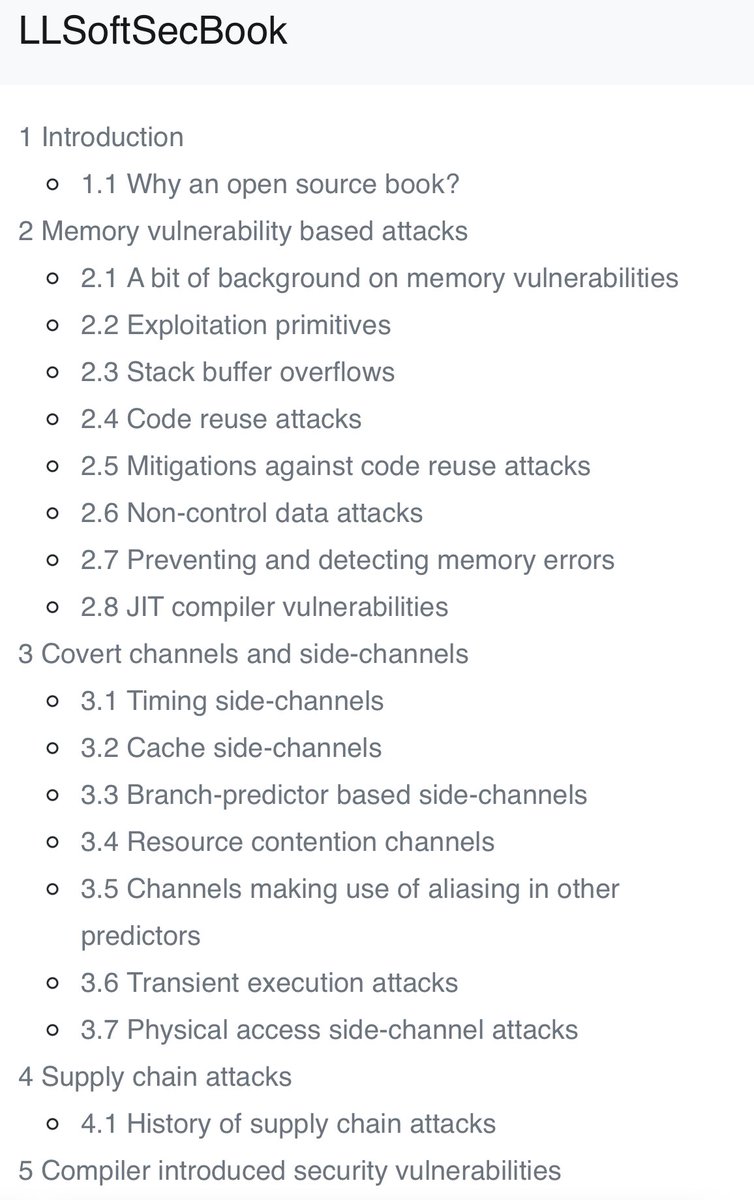
One problem with software security is that there are lots of materials explaining specific vulns or exploits but not many giving a broad structured overview in one place.
This free book https://t.co/XfY21UyGxt on Low-Level Security for Compiler Developers aims to address this.