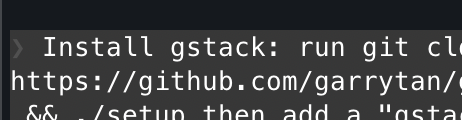
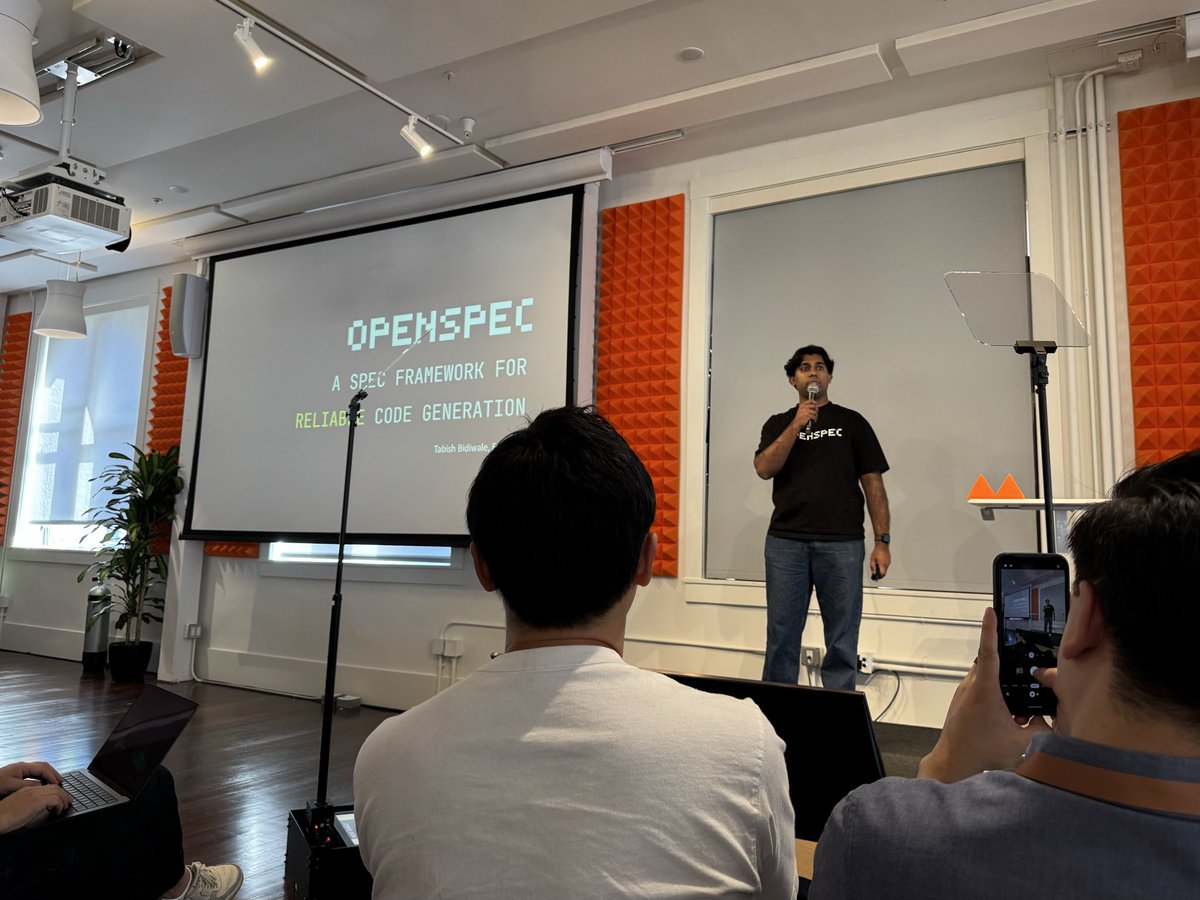
This is pretty much what OpenSpec is evolving into lol.
In fact I refactored the system at the start of the year to have an artifact graph modelled more closely to a build system rather than a workflow or state machine.
We’re not there yet, but the goal is to basically drive the system through the files, make the files reactive to changes and be able to basically “re-compile” all’ build dependencies (or artifacts rather in this case).
There's an `openspec validate` command that agents can use to check the formatting/structure of the files. You could set a /goal to convert those to OpenSpec with the above command as a deterministic check.
A community member has also created a package that helps generate specs from existing codebases. It might be useful too, but have not personally tried it myself:
https://t.co/kAZenVqby0
We’re doing some work to allow the specs and changes to live outside of the repo.
Though I think there’s benefits to having specs check in with code. It makes code review tools a lot more effective at identifying gaps or broken contracts.
We also allow you to choose what files get created. So if you wanted you could be as minimalist or as maximalist as you’d like.
Happy to chat more with your team :)
@zeeg But feel free to dm with questions. Answer is always “it depends”. There isn’t a one size fits all approach for these kinds of things. Engineering domain / culture plays a part here too.
@Aaronontheweb@devagrawal09 I think it depends if the latest releases are relevant for you. You definitely don’t have to do it too often. A lot of them are minor tweaks and improvements. But they can add up after some time!