Because it’s time for more precise and targeted lower-body training
The 1080 Squat combines traditional belt squat training with motorized resistance and real-time data, turning every rep into training and testing
Train with precise load, eccentric overload, and isokinetic resistance to improve strength, power, and performance
✅ Built for squats, deadlifts, and single-leg movements
✅ Up to 350kg / 773lb of load
✅ Up to 500kg / 1,105lb of isokinetic resistance
Collect training data on the same athlete profiles and software as the 1080 product family
Secure your Squat, place a pre-order today 👇
Applying cluster sets to speed work and resisted sprints
These "Repeat 5's" at TCBoost Sports Performance are three resisted 5-yard sprints with brief resets in between
Because 5 yards keeps fatigue low, the cluster format allows for real-time coaching between efforts and higher training density while keeping the session efficient
Each rep within the cluster builds on the last. The athlete applies the coaching or grooves what's working without waiting minutes between sets
More exposures, more coaching, and better training just by taking a little more time between reps
“Not everyone can be fast, but everyone can be faster”
Todd Tuetken (New York Mets) setting the scene before his presentation about vertical integration for speed development across and entire MLB organization
Snippet from the 1080 Summit in Austin 🤟
The Ultimate Training Experience
As one of the first users of the 1080 Quantum Syncro in the US a decade ago, tune in as @MattPrice_HP shares his experiences and how he uses this machine
Learn more below 👇
Exactly what the 1080 Squat was made for: precise and targeted lower body training
✅ Squats, deadlifts, and single-leg movements
As shown in the videos: squat, rear foot elevated split squat, RDL, and lateral lunge
Up to 350kg/773lb of concentric load and up to 500kg/1105lb of isokinetic resistance
Place your pre-order today and learn more down below 👇
Loading the vertical core with Todd Wright of the LA Clippers
There’s a time and place for all kinds of core work, but we need to understand how the core muscles connect and interact with the both the hips and upper body
Combine that with unique stimuli like eccentric overload or isokinetics, plus creating the line of pull you need with the 1080 Pole, and that’s how you create truly effective exercises and a robust core
Snippet from the 1080 Summit in Austin
In our May Webinar @Jessepgreen shared his experiences of using @1080motion for sprint profiling & session design
Part 2 (COD & Deceleration) is:
1st June 8pm BST / 3pm EST
Register: https://t.co/jYgEtSUwEj
Missed part 1? Comment 1080 below and I'll send you the recording!
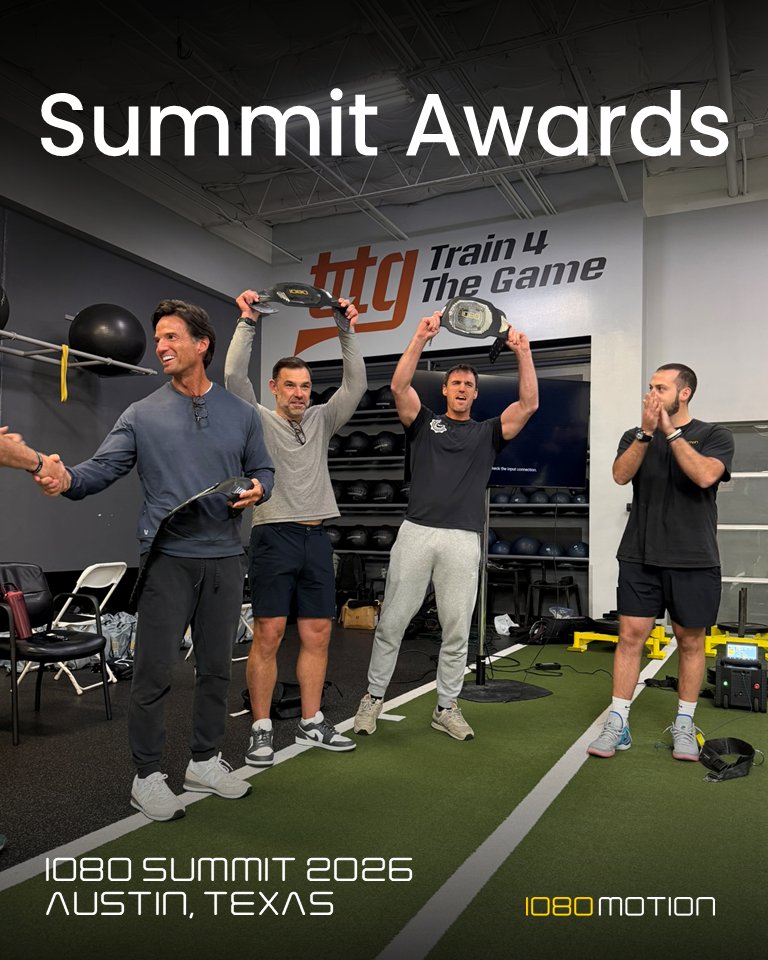
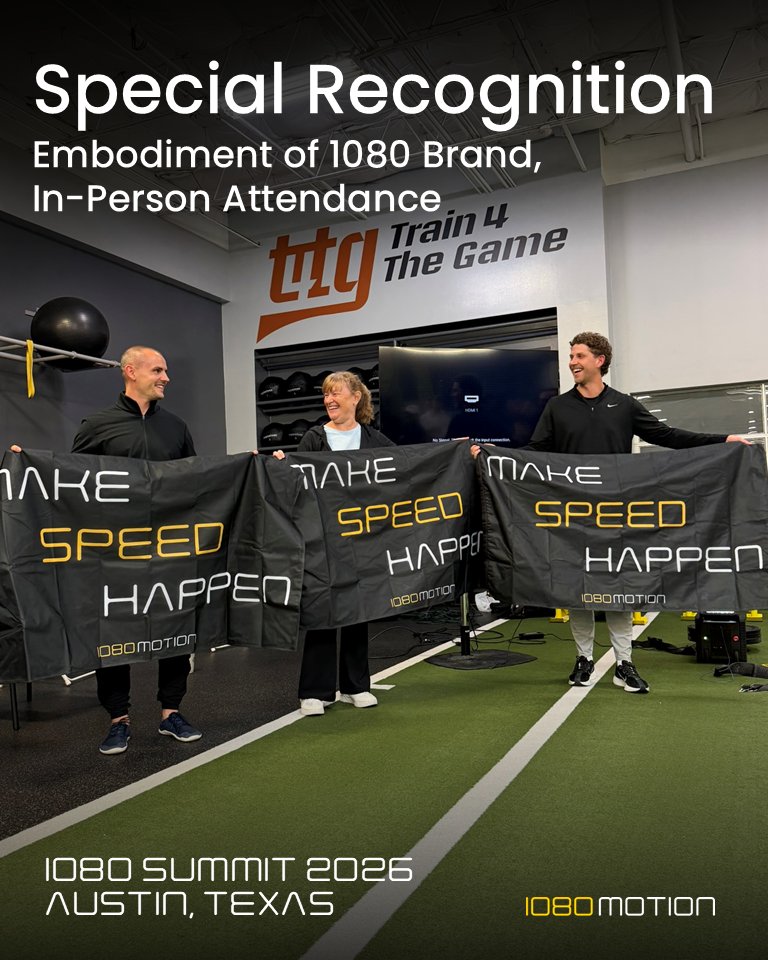
An awesome opportunity to highlight a few of our clients at the 1080 Summit in Austin
🔟 10-year clients, a decade of excellence
-These 3 actually all gave presentations and in sharing their backstory of getting into 1080 over a decade ago there was a common theme: knowing there was some truth in this new technology, not having all the answers, but taking a chance and learning through the process. Thank you for taking that chance!
@MattPrice_HP@PrentissHockey Jan Seiler
3️⃣ A special shoutout for a few clients that make it happen both in their daily practice and as part of the 1080 community attending most of our events. It's been a pleasure getting to connect in-person literally coast to coast
@Jordan_Cook23 Karen Bagnardi, Trevor Bartoli
There are many more individuals who make 1080 what it is, but we’re excited to share these ones today 👊
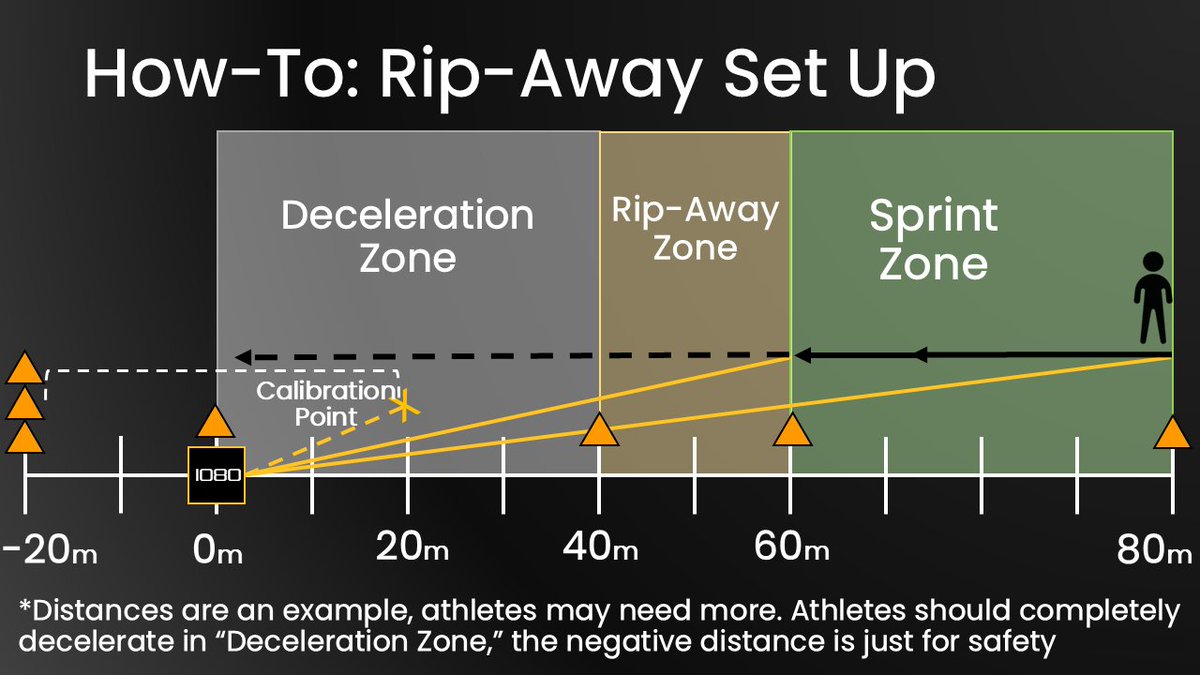
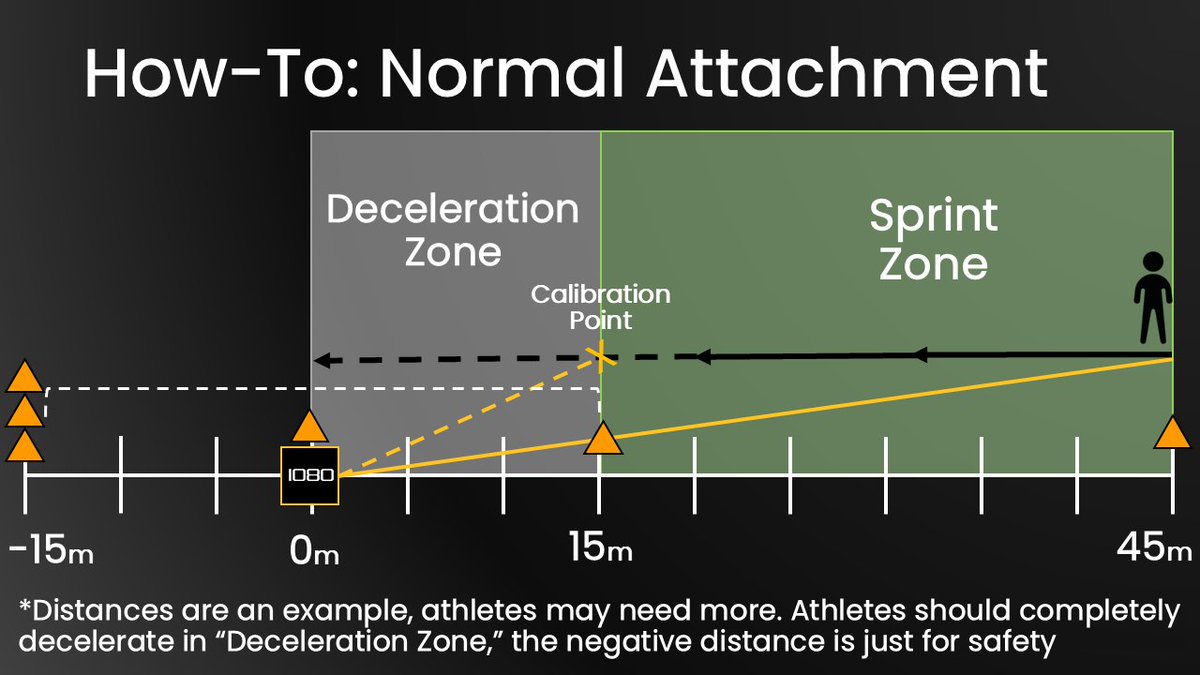
Assisted sprinting and overspeed is a simple and repeatable training method to expose athletes to higher velocities and challenge them to move better at top speed
However, it takes the correct set-up and understanding of the implementation to be both efficient and effective. But when done well, it can become an extremely power tool for improving an athlete's top speed
Here's a how-to and best practices guide to understand, organize, and execute assisted sprinting and overspeed with your athletes 👇
Learning from some of the best in 🇮🇹📍Italy
Join @coach_air_ of Team Air and Nike Pro Track Coach as we dive into his training system and how he uses technology to help the best get better
From traveling around the world to foundational topics like return-to-sprint, you don’t want to miss this one
🗓️ Wednesday, May 27th at 10AM CST / 1700 CET
🔗 Register below 👇
If you can’t make it live, sign up to get an email with the recording
How to stay ahead of the modern game of soccer ⚽️
Building on Part 1 with Nick Grantham and Hailu Theodros, join us, @Sam_Wilson2 (Lead Physical Performance Coach of Arsenal FC), and @AndersBraastad (Physiotherapist for Bodø Glimt) as we discuss how to keep improving with modern technology in the quickly evolving game of soccer
As soccer is more competitive and physical than ever, improvement is not a luxury, but a necessity. This chat is designed for any practitioner in high-performance who want to continue delivering the best training to their athletes
🗓️ Thursday May 21st at 1130AM CST / 1830 CET
If you can’t make it live, don’t worry, by signing up you’ll receive an email with the full recording
🔗 Registration link 👇
NFL Return-to-Play & Speed Development: Tendons, Isometrics, and Heavy Resistance with Kyle Sammons
https://t.co/yw9THinb2i
Lateral Speed and Deceleration Training with Motorized Resistance | Coaching Demo with Kyle Sammons
https://t.co/MZshGJr5Hb
"When guys got better lateral, their linear went through the freaking roof"
The combination of heavy load, self-organization, and using the same muscles but in a slightly different way is a powerful stimulus for athletes
As @CoachKSammons outlines, by grinding through heavy exercises just in the sagittal plane can put too much consistent stress on joints. But by changing it up by moving through different planes, athletes can both improve and feel better
Shuffling, lateral pushes, eccentric walking, and any other exercise loaded up in the frontal plane is a "hidden gem" with the 1080 Sprint
Links 👇