@WSBChairman When Americans give money to American politicians, they define this as 'lobbying'. When people of other countries act in the same way, Americans define this as 'graft' or 'bribe'.
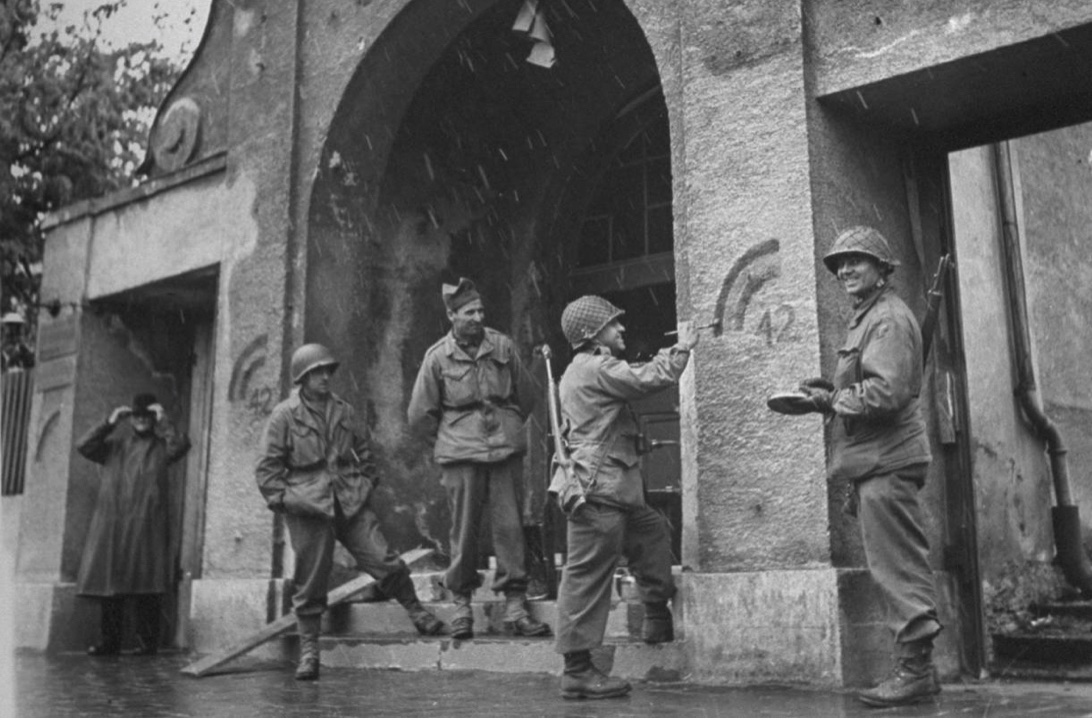
In May of 1945, soldiers of the 42nd Infantry Division paint their rainbow insignia on the building where Adolf Hitler staged the Beer Hall Putsch in 1923, his failed first attempt to seize power. 🪖
@ANachemson@RainsySam Only a white person whom has 'just arrived' would make such general assumptions and accusations based on a single encounter that supports his/her cognitive bias.
@RobertKennedyJr Not an Orwell quote. You might want to let those employees which manage your Twitter account to cross check references. #misattributed
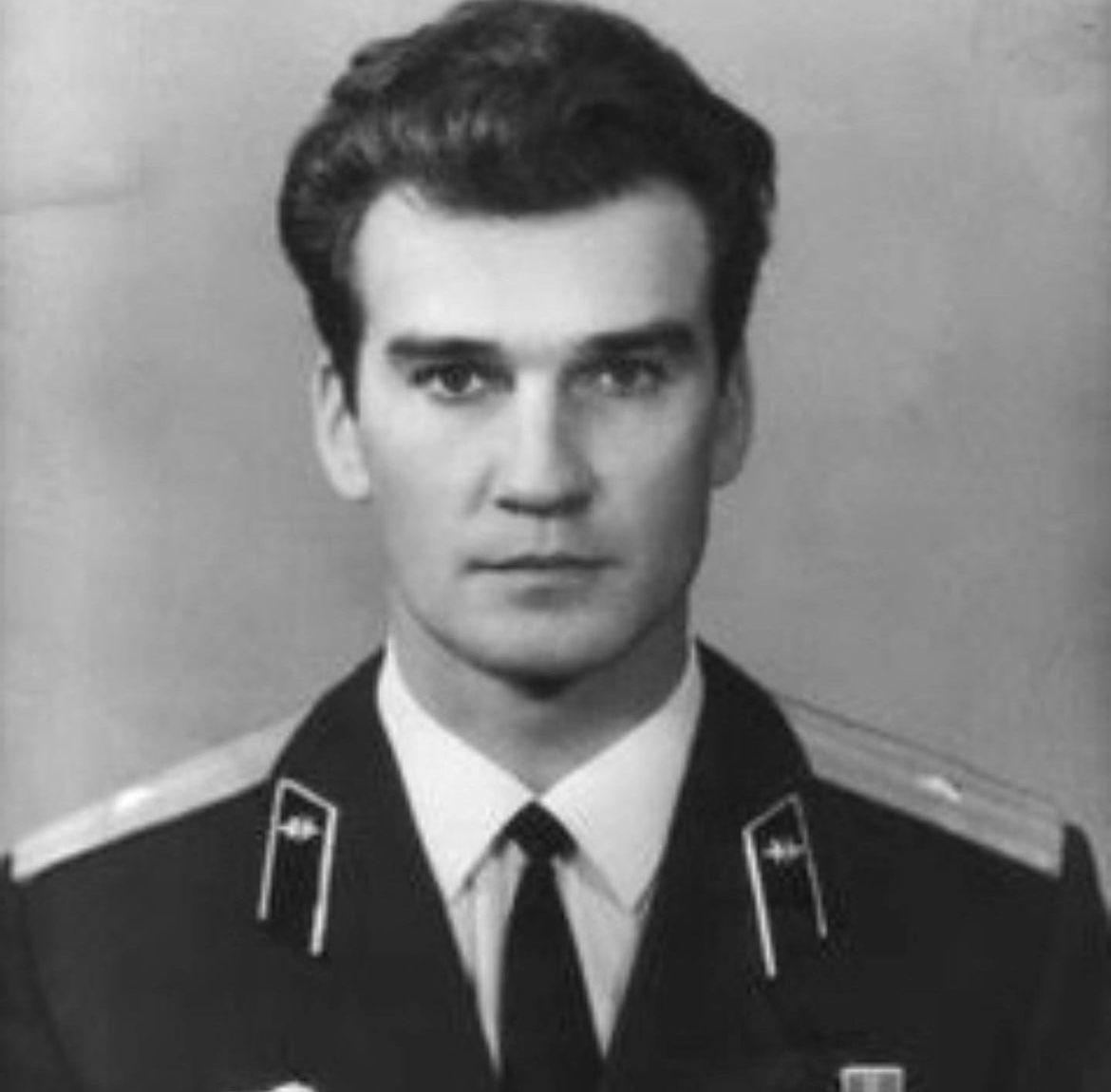
Stanislav Petrov, the man who saved the world from nuclear disaster, on this day in 1983, 39 years ago today, saw the word "LAUNCH" flash across the Soviet Union's attack early warning system. His screen stated with high reliability that a total of five American intercontinental ballistic missiles (ICBMs) had been launched and were headed toward the Soviet Union. Petrov had to make a decision: should he report an incoming American strike, or should he hold off, confident that what they were seeing was a false alarm?
If he reported it, Soviet nuclear doctrine called for a full nuclear retaliation. There would be no time to double-check the warning system or seek negotiations with the U.S. This occurred during the Reagan administration, which had taken a firmer stance against the Soviets compared to previous administrations. The Reagan administration was deploying Pershing I nuclear-armed missiles to West Germany and Great Britain, capable of striking the Soviet Union. Given these circumstances, Petrov had reasons to believe that Reagan's brinkmanship had escalated to an actual nuclear exchange.
However, Petrov chose not to report the incoming strike. In the end, his decision proved to be correct. The system had mistaken the sun's reflection off of clouds for a missile. A 1979 report by Congress had estimated that a full-scale Soviet assault on the U.S., and an eventual counter-strike, would have resulted in over 100 million deaths. Petrov, almost single-handedly, prevented those deaths.
Despite being right, Petrov was relentlessly interrogated afterward and never rewarded for his decision, according to David Hoffman of The Washington Post.
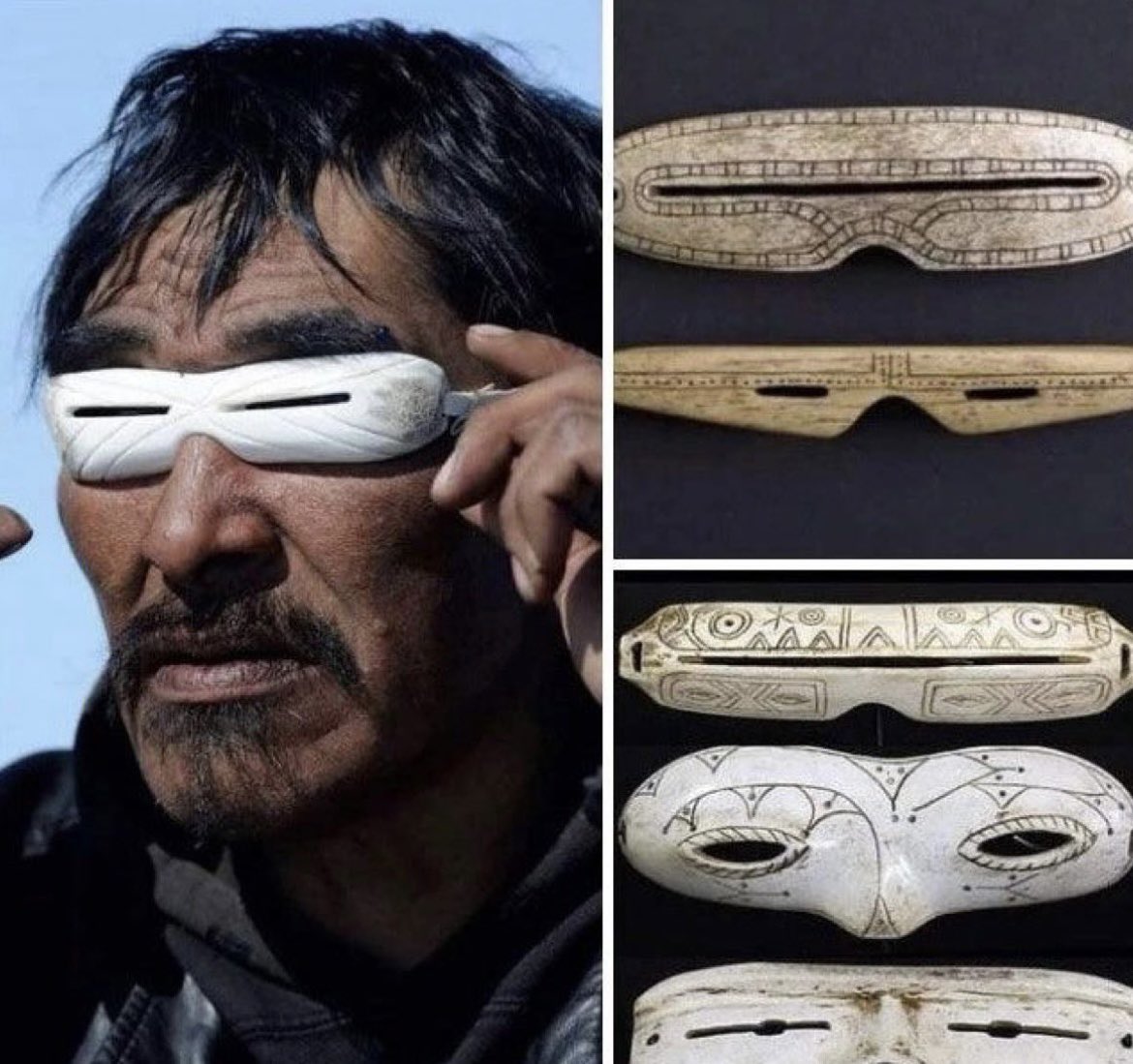
Centuries ago, approximately 800 years prior, the indigenous Inuit and Yupik communities residing in Alaska and northern regions of Canada ingeniously crafted small apertures on ivory and antler materials to fashion snow goggles. This innovative creation served the purpose of reducing eye fatigue and protecting against the harmful effects of snow blindness caused by ultraviolet (UV) radiation emanating from direct sunlight as well as its reflection.