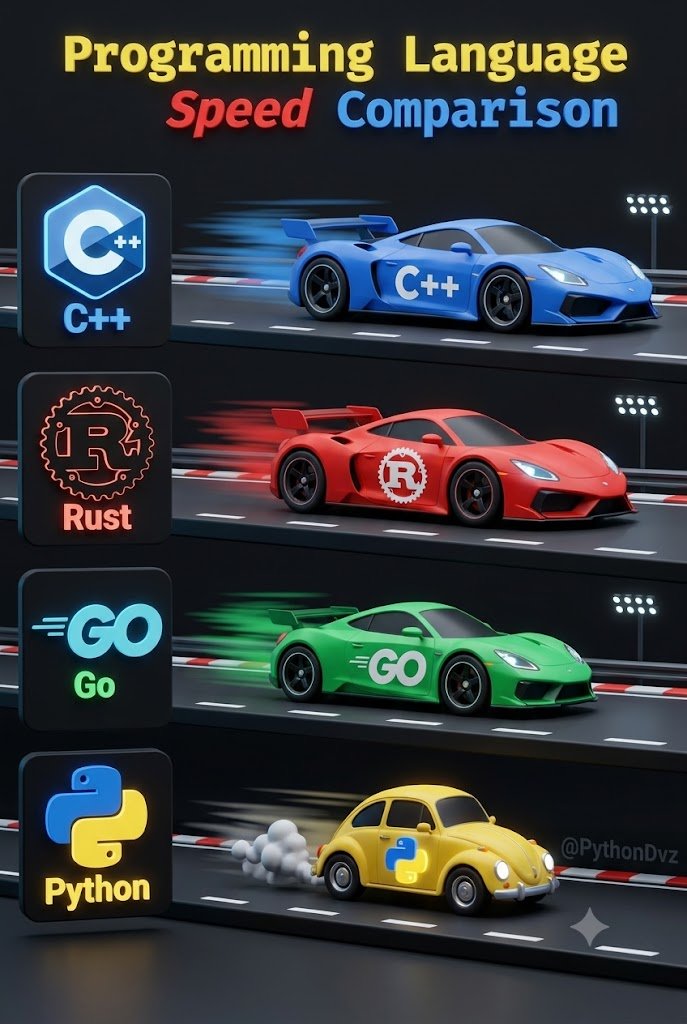
Python didn’t win AI because it was the fastest language.
It won because it became the bridge between everything.
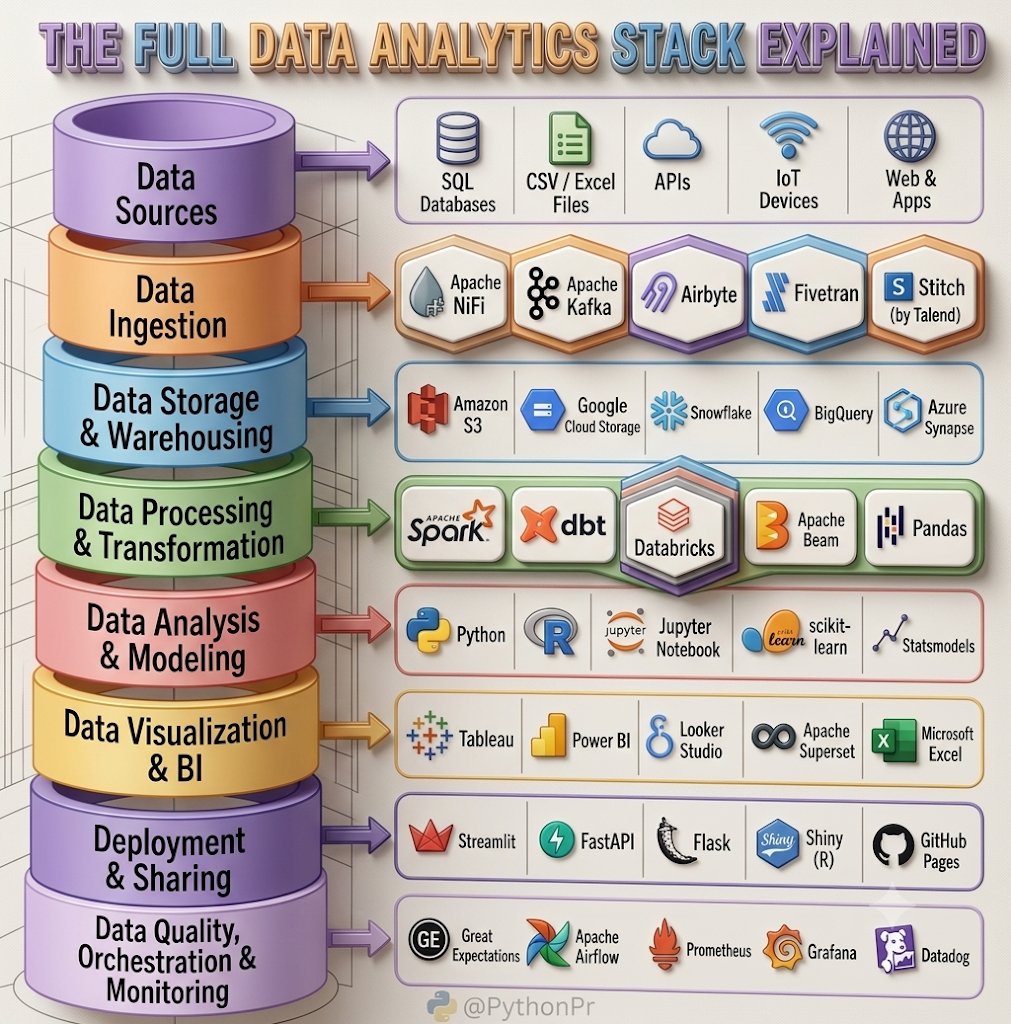
Data → ML → Deep Learning → APIs → Agents → Production
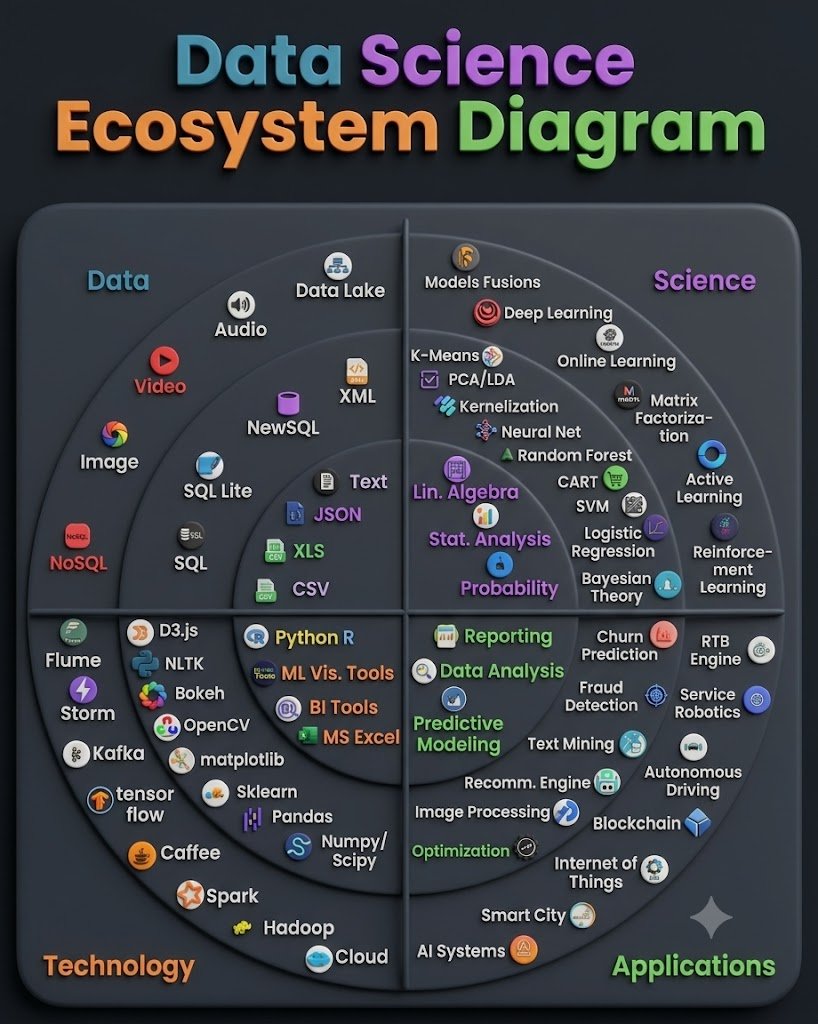
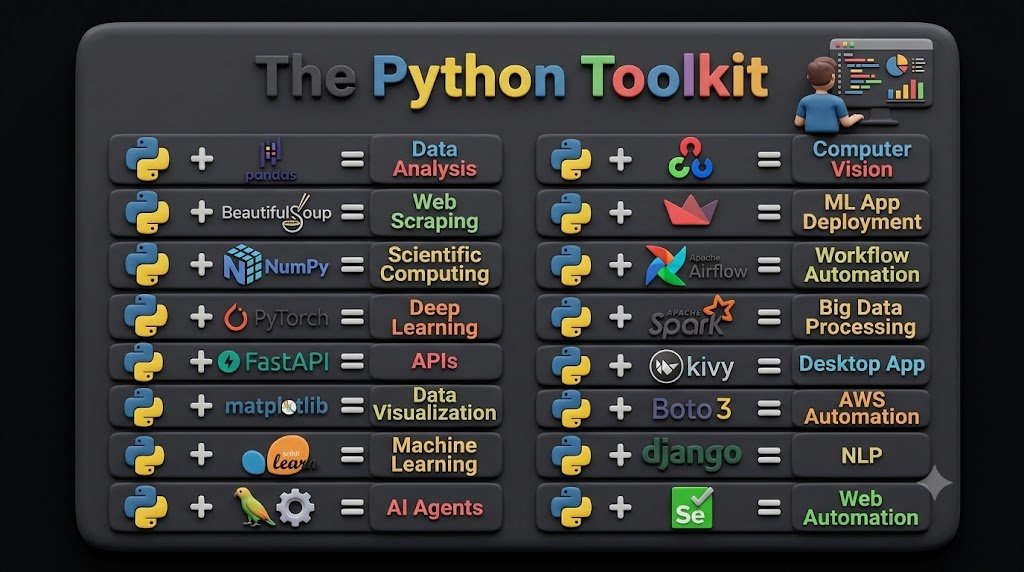
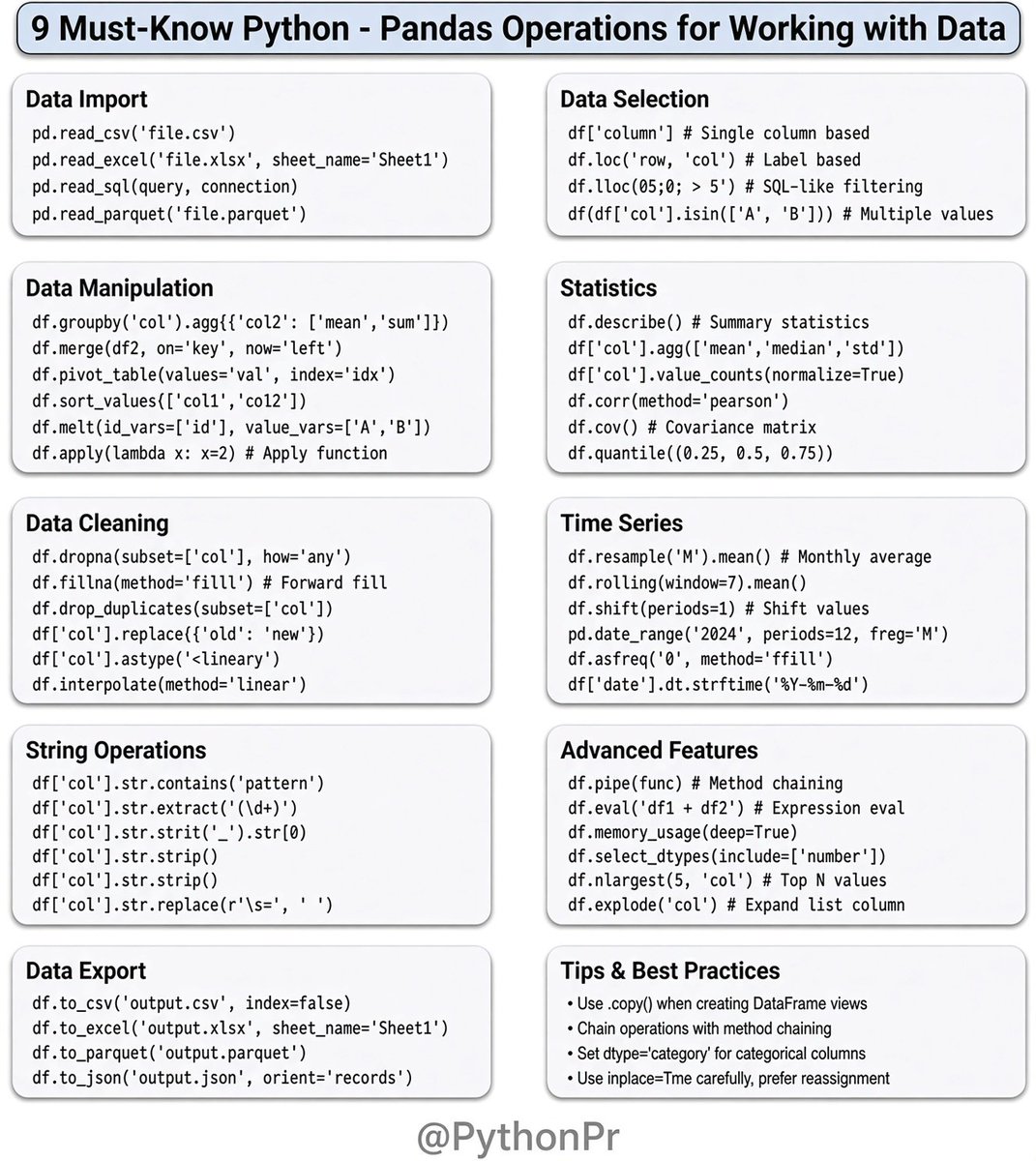
One language connects NumPy, Pandas, PyTorch, FastAPI, MLflow, LangChain and hundreds of other tools.
The real superpower?
Continuity.
You can take an idea from a notebook to a production AI system without changing languages at every step.
C++ handles the speed.
CUDA handles the GPU.
Rust handles performance.
Python connects it all.
That’s why Python is no longer just a programming language for AI.
It’s becoming the control layer of the AI stack. 🐍
What Python library do you use the most?
Mano os cães militares são impressionante , como são treinados para proteger seu tutor não abaixam a guarda enquanto o soldado descansa. isso é maravilhoso
September Data Science Bootcamp — Day 22
We’re reaching the final stage: Capstone Project!
In this session, we’ll bring everything together and work on an end-to-end Data Science project, covering:
• Data Collection
• Data Cleaning
• Exploratory Data Analysis (EDA)
• Model Building
• Evaluation & Insights
Real Data → Practice → Build → Complete
And the best part? You can join the session for FREE!
Learn by building a practical project and put your Python & Data Science skills into action.
Join the LIVE session and complete your Data Science journey!
https://t.co/I7ybF1zx4m
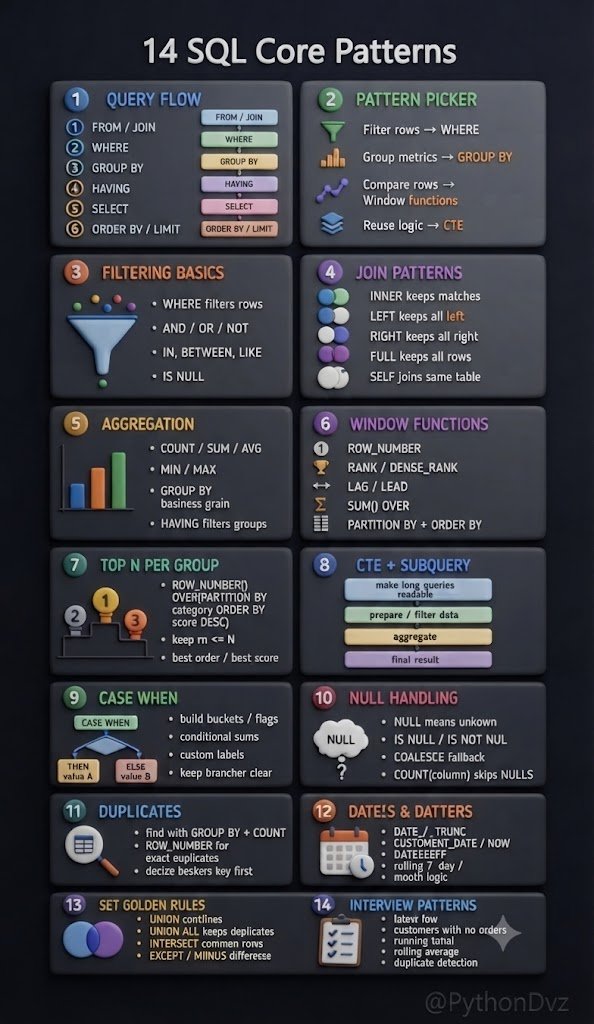
SQL is the language behind a lot of AI work.
Before a model is trained, a dashboard is built, or a business question is answered, someone has to turn raw data into something trustworthy.
That takes more than knowing SELECT and WHERE.
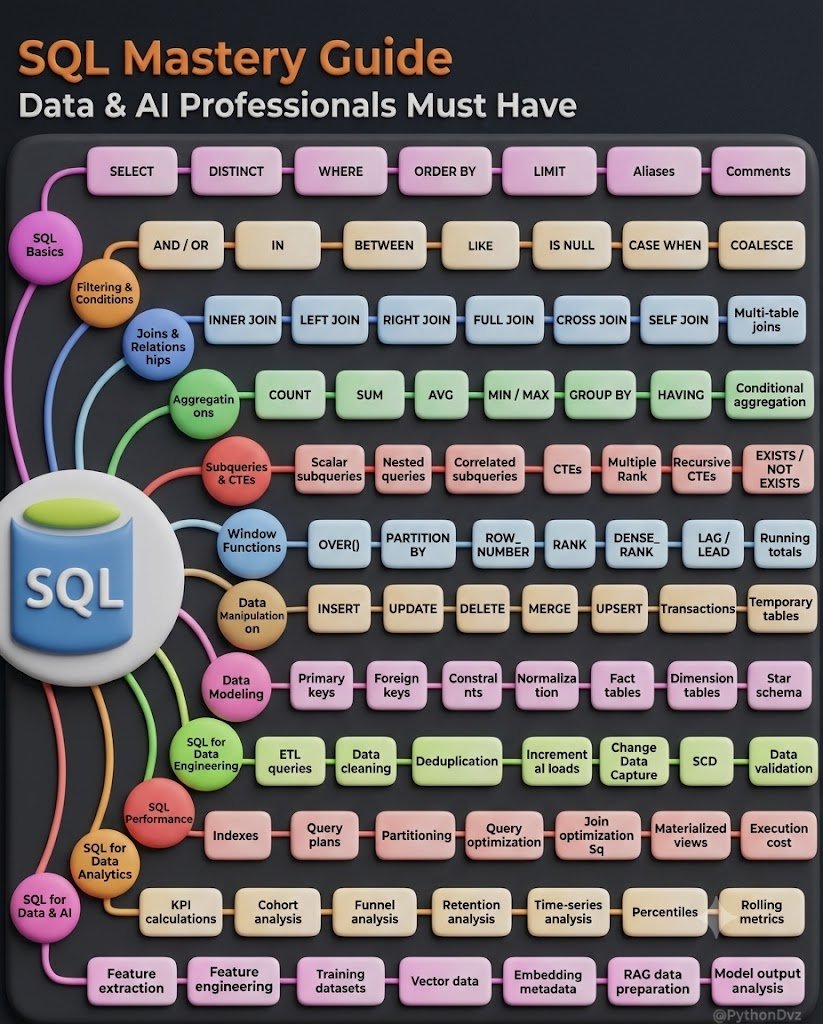
A practical SQL learning path looks like this:
→ Start with the basics: filtering, sorting, aliases, and CASE WHEN to shape the result you need.
→ Connect the data: joins and EXISTS help you work across related tables without losing track of which rows belong together.
→ Summarize it: GROUP BY, aggregates, and HAVING turn transactions into useful metrics.
→ Ask deeper questions: CTEs, subqueries, and window functions make it possible to rank records, compare periods, and calculate running totals.
→ Build reliable pipelines: MERGE, transactions, deduplication, incremental loads, and validation help keep datasets current.
→ Make queries efficient: indexes, partitioning, query plans, and execution costs matter as data volume grows.
For data and AI professionals, SQL also reaches into cohort analysis, feature extraction, training datasets, and RAG data preparation.
The goal isn’t to memorize every command on this map. It’s to understand how data moves from source tables to a result someone can trust.
Which part of SQL would you add to this learning path?
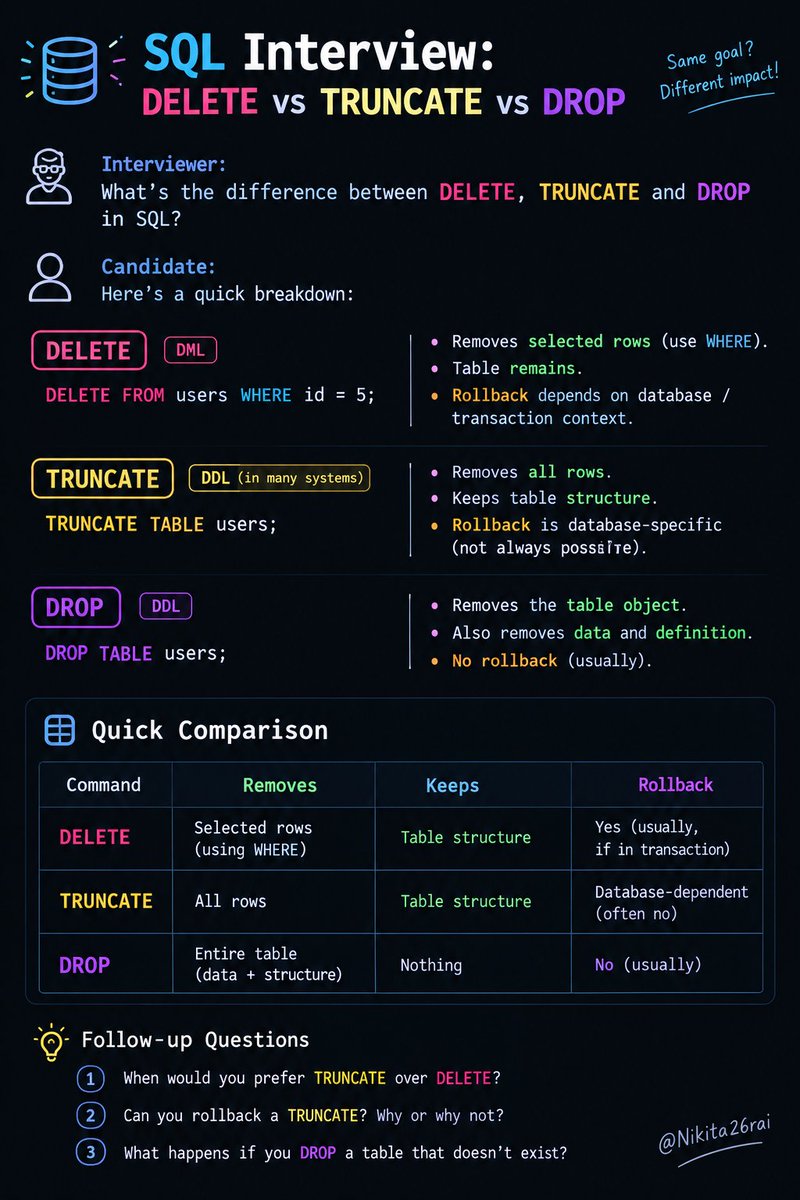
DELETE vs TRUNCATE vs DROP 👀
They all remove data but they’re NOT the same.
Save this SQL interview cheat sheet. 🧠
Which one would you explain differently in an interview? 👇
#SQL#DataEngineering#SQLInterview#MySQL