Hello, Moon. It’s great to be back.
Here’s a taste of what the Artemis II astronauts photographed during their flight around the Moon. Check out more photos from the mission: https://t.co/rzM1P0QbOl
These four astronauts are currently on a mission to fly around the Moon—and soon they'll break the record for how far humans have traveled from Earth!
Meet our Artemis II crew 👇
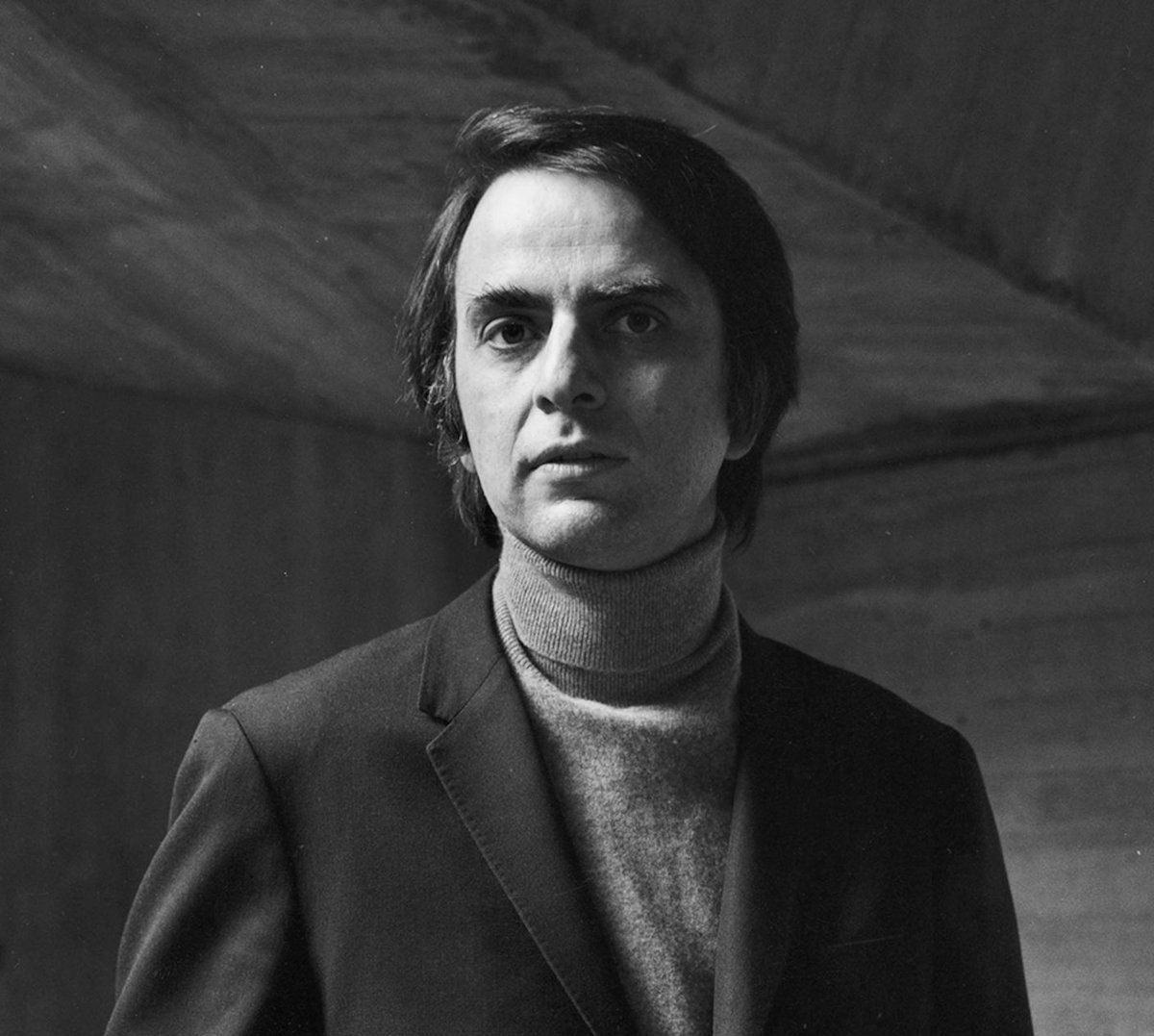
“If we continue to accumulate only power and not wisdom, we will surely destroy ourselves... If we become even slightly more violent, shortsighted, ignorant, and selfish than we are now, almost certainly we will have no future.”
— Carl Sagan
🇮🇶 A local man watering the grave of a Polish girl named Tala in Iraq.
In 1982, Tala's husband was working for a construction company in Iraq. While she was visiting him, she lost her life in a traffic accident and was buried by her husband near the city of Nasiriyah. 44 years later, the local people still leave flowers and water at her grave and pray for her.
ℹ️ Согласно социологическому исследованию, проведенному общественной организацией "LingvaLexa" среди российских военнопленных, 68,29% опрошенных считают войну против Украины легитимной, необходимой и оправданной. 42,94% российских военнопленных считают, что среднестатистический украинец не является полноценным человеком.
All of the roads to Rome..
There are 486,713 routes across existing street infrastructure, from city scale to continental scale that converge toward Rome as a central node.
The moment that changed everything.
A lone Ukrainian border guard fleeing his post just north of Crimea just before a massive Russian armoured column arrived to invade Ukraine.
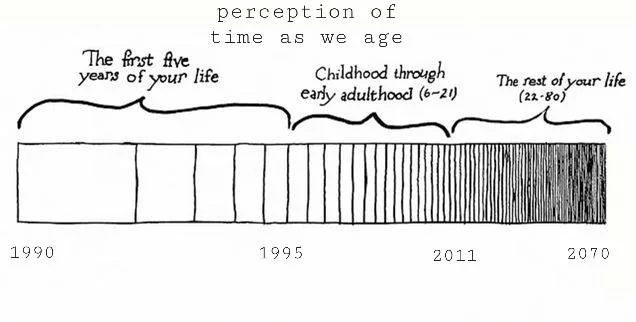
When you’re 5 years old, a year is 20% of your life. And when you’re 50 years old, a year is 2% of your life. This is an explanation given why time speeds up as you age. It's called Janet's law. It states you’ve experienced roughly half of your perceived by life by 20 years old. Or to put it another way: A summer holiday for a 5 year old feels as long as the 10 years from 40 to 50 years old.
But Janet's law can be broken with high agency.
You have agency over the speed time. You're not a passive victim. A better explanation of why time speeds up as you age is because you have fewer new experiences as an adult, so your brain deletes the memories. If you take agency over your life, do new things and create memory dividends, time slows down.
If you live your life on autopilot, you may die at 80, but feel like you died at 20 years old.
If you take agency over your life, you may diet at 80, but feel like you died at 200 years old.
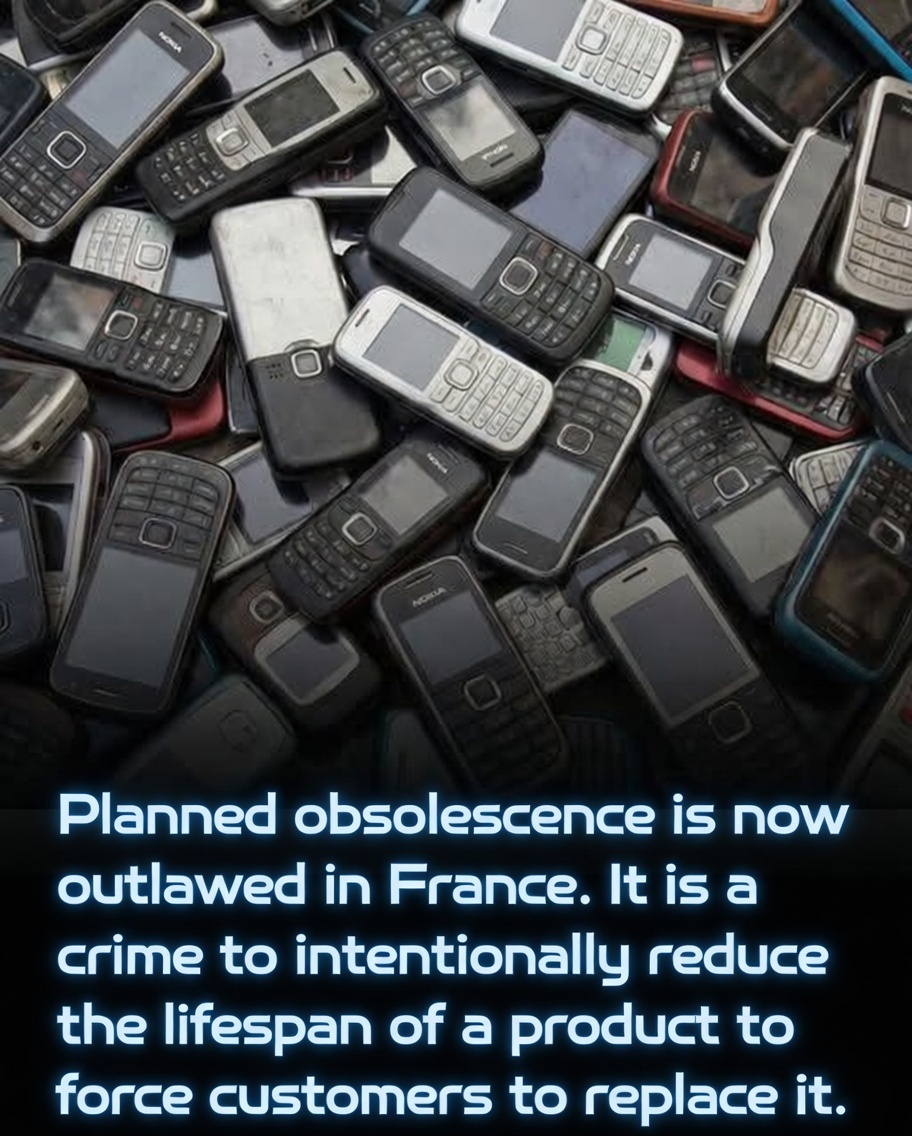
France has made planned obsolescence a criminal offense, becoming one of the first countries in the world to treat deliberate product shortening as a serious crime.
Manufacturers caught intentionally designing electronics, appliances, or other goods to fail prematurely or become unusable—whether through hardware flaws, software updates that slow performance, or other engineered limitations—now face steep penalties: up to 2 years in prison and fines reaching €300,000, or as high as 5% of their average annual turnover in the most serious cases.
This landmark law, building on France’s earlier consumer-protection framework and reinforced by high-profile scandals (such as the 2017–2018 investigations into smartphone “battery-gate” slowdowns), explicitly targets both physical and digital tactics used to push consumers toward frequent replacements.
The legislation is more than just punishment—it’s a cornerstone of France’s broader “right to repair” agenda. By criminalizing practices that drive premature disposal, the government aims to:
- Slash the massive environmental footprint of electronic waste,
- Protect consumers from hidden “forced upgrades,”
- Encourage manufacturers to prioritize durability, repairability, and longer-lasting support.
France’s tough stance sends a clear message to global tech and appliance companies: the era of disposable-by-design products is ending. By leading the charge on sustainability and consumer rights, the country is helping shift the world toward a more circular economy—one where goods are built to last, repaired when needed, and discarded only when truly necessary.