yo la commu X, j'espère que vous allez bien 🙂
moi c'est 203, j'ai 16 ans et je fais de l'ecom. je me suis intéressé à ça en 2023, j'avais 0€ en tréso donc j'ai passé mon temps à apprendre sans vraiment tester. c'est en 2024-2026 que j'ai commencé à faire mes premiers scaling.
pourquoi j'ai crée ce compte ? parce que sur discord j'ai rencontré un gars qui m'a grave aidé, et c'est là que j'ai compris que le networking c'était vraiment important. juste discuter avec des gens du game ça t'apporte énormément de value. j'ai atteint les 5k day en quelques mois sans forma (avec de très bonnes marges, 35% month). ayez la deter d'apprendre tous les jours, parler avec des gens du game, regarder des vidéos sur yt, absorber la value sur twitter, de partout eft… faut juste avoir la faim.
du coup le but ici c'est simple : me connecter avec des mec en ecom, donner de la value, et motiver ma génération (shoutout aux 09). que tu sois débutant, intermédiaire ou bon, j'aimerais vrm échanger.
j'ai un bon entourage en ecom que je fréquente tous les jours sur discord et telegram, on échange bcp et ça me pousse à avancer.
gros merci à @Rodestee , @ChinChiChou , @Ecom_Zezinho_ , @Kaiso_ecom@KahelEcom , @kuponktur , @mohatnsr qui donnent énormément de value sur discord, twitter, telegram et yt, et qui aident sans rien demander en retour. de manière générale j'oublierai jamais quelqu'un qui m'a aidé, c'est important pour moi.
PS : je suis pas là pour vendre quoi que ce soit. je veux juste me faire des friends, networker, apprendre. pas de toxicité sur mon twitter svp.
bref bisous, bon charbon à vous
discord : 203_priv
Update: French homie @worldexFrancois went from $100K/day to $330K/day just 50 days later.
⠀
He shut down his French store 8 months ago. Was even close to quitting ecom.
Switched to the US market and went all in on one product.
⠀
Then Chad scale from $0 to $330K/day in less than 8 months.
He didn't change much once he hit $100K/day. Just did more of the same, and did it better.
Most EU guys think the US market is too hard. He did the hard work anyways, and not only did good but CRUSHED it.⠀
Few.
Heureux et fier de vous annoncer, le lancement de Pushrank !
On veut un MAAAAAXIMUM DE FEEDBACK
Nous sommes là pour mettre le SEO dans une sphère
Le lien pour accéder au SaaS :
https://t.co/FDR1ZWdUn6
Je recrute un monteur vidéo pour un projet long terme
- Part ou full time
- 100% remote
- Bonne rémunération + bonus
- Veut apprendre et progresser
La maîtrise de l’IA est essentiel! Possibilité d’évolution en interne.
RT appréciés
I was at dinner. Went to pay the bill, opened Apple Pay and every card was gone.
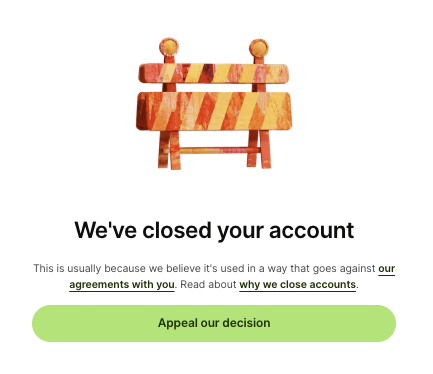
Confused, I logged into @Wise. That's how I found out they closed my business account. No email. No warning. No reason. Just gone with $50,000 of my company's money locked inside.
That's everything i have.
I've been a @Wise customer for 5+ years. This is extremely disappointing.
No notification that they'd even done it. I only knew because I couldn't pay for dinner.
Then I spent hours trying to appeal — the app and website kept logging me out over and over. Finally appealed and waited for any acknowledgement at all.
Silence for 3 days.
So I filed a formal complaint. Two more days of silence again.
Finally I called and explained, in detail, exactly what this is doing to my business. Their answer: "we've received it, we're working on it, we'll get back to you within 15 days."
Here's what "15 days" means when it's your entire operating account: supplier invoices due, freight forwarders waiting to be paid to clear shipments already in transit, creators unpaid, inventory down to days.
if stock didn't make it on time my Amazon listing goes out of stock, it loses the ranking I spent months and serious ad spend building, my creators will also leave and be really furious,
that doesn't come back when they return my money. That damage is permanent. Every day they sit on this, they're not just holding my cash. They're dismantling the business.
This is a legitimate, registered US business. Every single dollar traces to payouts and supplier invoices, fully auditable. I offered to send them everything: Payouts reports, invoices, ID, contracts. They never asked for a single document before closing me. Not one.
I'm not a scammer. I'm a founder who built something over years, and I got locked out of it at a dinner table with no explanation and no way to reach a human who can help.
@Wise — return my company's money. this is unacceptable
Complaint case 25050042.
The supplement niche is gonna get brutal by 2027
⠀
A lot of these categories are just going to die off.
Weight loss already did, GLP-1 came in and wiped the whole thing out.
And it's not like those supplements got out-marketed.
They lost because the drug actually works. And no supplement was ever going to compete with that.
More pharma is coming for more categories too, so the obvious move is to just sell stuff that actually works.
⠀
But that's where it gets tricky, because now you're selling the exact same thing as everyone else.
TRT is TRT. GLP-1 is GLP-1.
There's no version of it that's uniquely yours, and even if you do stumble on some new mechanism, it's copied by next week.
So most of you try to stand out by going "well mine's higher quality" or "my compound's purer." And nobody cares.
Because marketing was never really about the product, it's about what people already believe in their head before they even look at you.
Think about it. The second you tell someone you're better, they get defensive and start hunting for reasons you're not.
But tell them you're different, and now they're curious. They want to know why. And that little bit of curiosity is what makes them decide you're better on their own.
You never had to say it, they got there themselves.
⠀
And it's only getting harder, because you can literally have AI design a world-class formula now, send it off to a contract manufacturer, and have a top-tier product made.
Everyone knows you need an amazing product.
Now anyone can do that. So the product stopped being the edge a while ago. The positioning is.
⠀
So start with one question: what position do you actually own?
Most of you can't even answer that, which is kind of the whole problem.
Look at what your competitors already own in people's heads, then find the gap they've left wide open. That's your white space.
Most ecom bros think they're being smart researching the market and testing whatever they see working, but everything they can see is already taken by someone else.
They're fighting over ground that's owned.
⠀
The move is to figure out what you're against. Because once you know what you're against, what you're for becomes obvious.
Old Spice never changed the actual body wash. They just realised women were the ones buying it for their men, and built the whole brand around that one thing. "The man your man could smell like." Number one men's body wash within a year.
⠀
Black Rifle sells the same coffee as everyone else. They just planted themselves against every faceless brand that stood for nothing. Made by veterans, for veterans. Billion dollar brand.
⠀
Different beats better.
⠀
And the biggest white space is usually just a group of customers nobody's bothering to talk to. Nobody advertises to them because nobody thought to look.
⠀
There's a guy in Evolve who had a hair supplement brand stuck at $2k/day. Same formula as every other brand in the niche, nothing special about it.
But he actually dug into his data, found an older avatar nobody else was going after, and made ads that spoke straight to them. No other brand was even bothering to advertise to these people.
⠀
He Chad scaled it to $55k/day.
⠀
Now, world-class products are basically a commodity, and you're up against these big VC-backed celebrity supplement brands.
So on the surface, yeah, it feels like supplements are way too saturated to get into.
⠀
But we're still going to keep seeing bootstrapped supp brands scale to crazy numbers.
The more brands there are, the more each one has to alienate somebody to carve out its own space.
And that's exactly where you come in.
⠀
That's the part most of you miss.
The brands that win don’t have to be the ones with the best formula. They're the ones nobody else can claim to be.
Few.
Juste un petit rappel :
Ne vous perdez pas dans de la branl**ette intellectuelle !
Je vois trop de personnes passer leur temps à lire des livres ou regarder des vidéos
Mindset.
Oui le mindset c’est important mais 1 livre ou 2 au départ ça suffit largement.
Et après, plus besoin de livre tant que vous êtes pas à un certain stade avancé du business.
Passez votre temps à bosser.
1/ 🧵 J'ai produit 10 créa vidéo en une soirée. Sans tourner. Sans CapCut. Pour quasi 0€.
Et le résultat est ultra précis : voix et b-roll parfaitement synchronisés, zéro effet bizarre.
L'outil : Palmier Pro. Le workflow exact 👇
2/ Palmier Pro = un éditeur vidéo Mac "built for AI" (backé Y Combinator).
L'éditeur et l'export sont gratuits. Tu paies seulement si tu génères de l'IA.
Mais le vrai game changer, c'est pas l'éditeur…
3/ …c'est que tu peux le piloter avec une IA.
Palmier expose un serveur MCP local. Tu branches Claude dessus → il monte ta timeline de A à Z : coupe, réordonne, sous-titres, synchro.
Tu écris le brief, il exécute.
4/ 🎯 Mon use case concret :
Je prends une vingtaine ou plus de vidéos de mes concurrents sur TrendTrack.
Si besoin, je les passe sur Vmake pour supprimer leurs sous-titres.
Je les mets en ressources dans Palmier.
5/ Ensuite : inspect_media.
L'IA "regarde" mes rushes — transcript + vision — gratuitement et en local. Elle sait exactement ce qu'il y a dans chaque plan et quoi couper.
6/ Puis je donne un script à Claude (ou je lui demande de m'en créer un).
Et il fait le montage de A à Z tout seul : sélection des plans, coupes, rythme, sous-titres.
7/ Pour un script parfait:
Je lui file mon Marketing Research + mes sondages post-achat. Du coup il écrit avec les mots exacts de mes clients (leurs galères, leurs envies).
Des pubs qui convertissent, pas du copywriting IA générique.
8/ J'ai aussi connecté l'API ElevenLabs.
Claude génère la VO (ma voix clonée = ma voix de marque), l'importe automatiquement dans Palmier et synchronise le tout avec les plans.
9/ Et le rendu est bluffant de précision :
Chaque phrase tombe sur le bon plan. La VO est calée à la frame près. Aucun glitch, aucun effet chelou.
On dirait une vraie pub montée par un pro.
10/ 🔄 Et si un truc me plaît pas, je le dis, point.
"Ce plan colle pas au mot" — "rends la voix plus rapide" — "mets l'offre en CTA"
Claude re-monte en 10 secondes. J'itère en parlant, je re-monte jamais à la main.
11/ 📊 Le move le plus fort :
Avec la même bibliothèque, je monte une pub par niveau d'awareness — du Unaware émotionnel au Most-aware promo.
Tu couvres tout le funnel, zéro tournage en plus.
12/ Le meilleur ? Tout ça est GRATUIT.
Éditeur, montage piloté par l'IA, export… 0€.
13/ Et il y a un plan payant (29$ / 69$) avec des crédits, comme Higgsfield.
Là, Claude peut appeler toutes les IA en interne (Seedance, Kling, Nano Banana…) directement dans la timeline.
Plus besoin de générer des vidéos à part (Higgsfield) et de les assembler.
14/ Concrètement : si Claude a besoin d'un b-roll précis qui manque, il le génère en quelques secondes avec l'IA, sans quitter le montage.
Tu passes de "monteur" à directeur créatif.
15/ C'est gratuit à tester : https://t.co/nlBAGLbail (Mac only).
Honnêtement essayez-le. Il est sortit avant hier, il va éteindre capcut.
I've seen FB advertisers lose $300k to hackers.
And it's only getting more common.
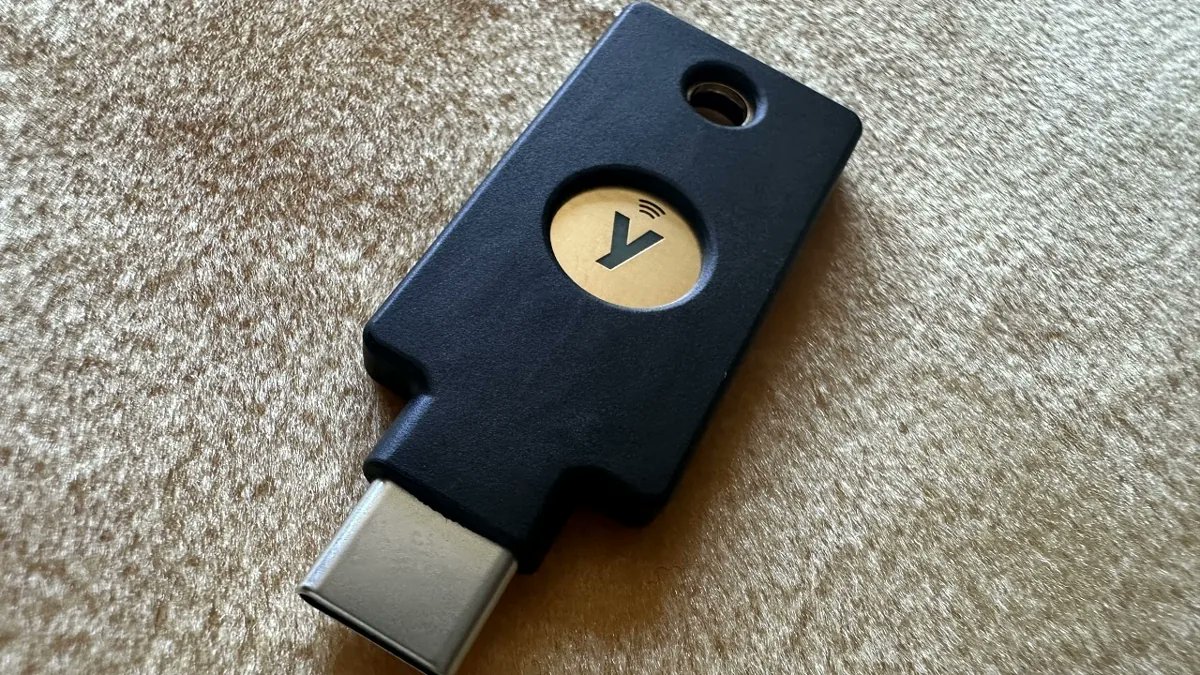
What y'all need is a physical 2FA like a Yubikey.
Digital 2FAs still get hacked no problem. We ran into it a few years back.
Switched to physical keys. Zero issues since.
pour la 574838382eme fois un mec qui vous vend un accompagnement c’est forcément un scammer
ça n’a aucun sens de faire un accompagnement si tu chiffres
Ça n’a absolument aucun sens
À la différence d’une formation la c’est ok
bref arrêtez de vous faire scam pitié
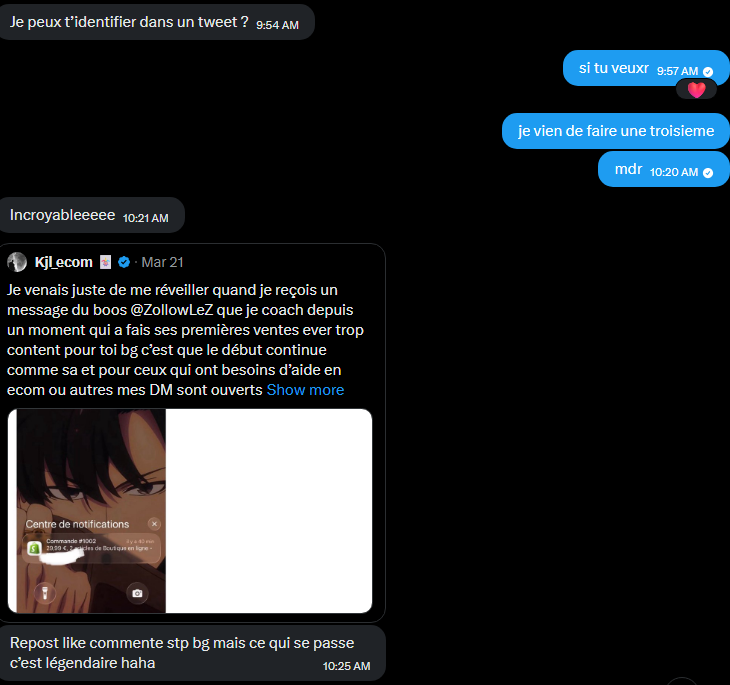
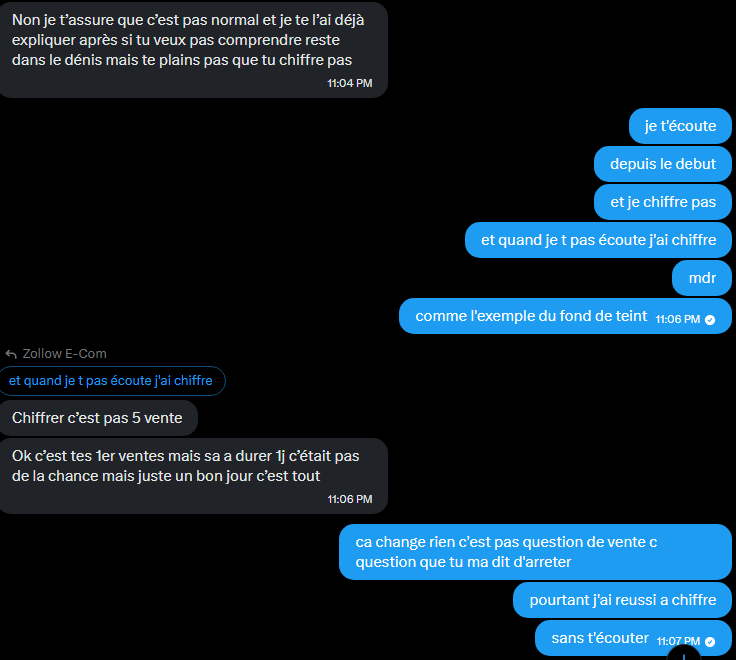
🧵 Ma part de l'histoire avec @Kjl_ecom — j'apporte mes preuves.
J'ai payé 950€ son "accompagnement" e-commerce. Au total, avec les 2 sites, les outils et les budgets pub qu'il m'a fait engager, je suis à ~2000€ de perte, pour ~150€ de chiffre.
Voilà concrètement ce que valait l'accompagnement :
→ La "stratégie" = aller sur TrendTrack, mettre 4 filtres et chercher un produit. Dispo gratuitement partout.
→ Les "créatives" = un tuto YouTube gratuit + un abonnement ElevenLabs à 11€.
→ La méthode = copier-coller le site d'un concurrent. Résultat : je me suis pris un DMCA sur Meta qui a tué ma campagne.
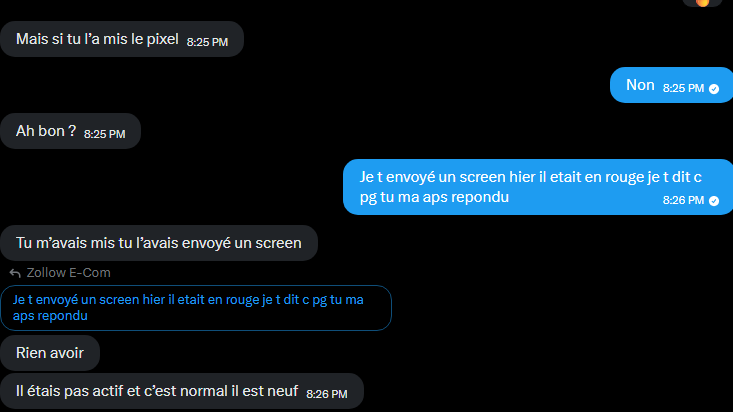
Il m'a fait lancer mes pubs avec le pixel Meta non configuré. Je l'ai prévenu (screen à l'appui), il m'a répondu que "c'est normal, il est neuf". C'est faux. J'ai dû le régler moi-même avec ChatGPT.
Mais le vrai truc :
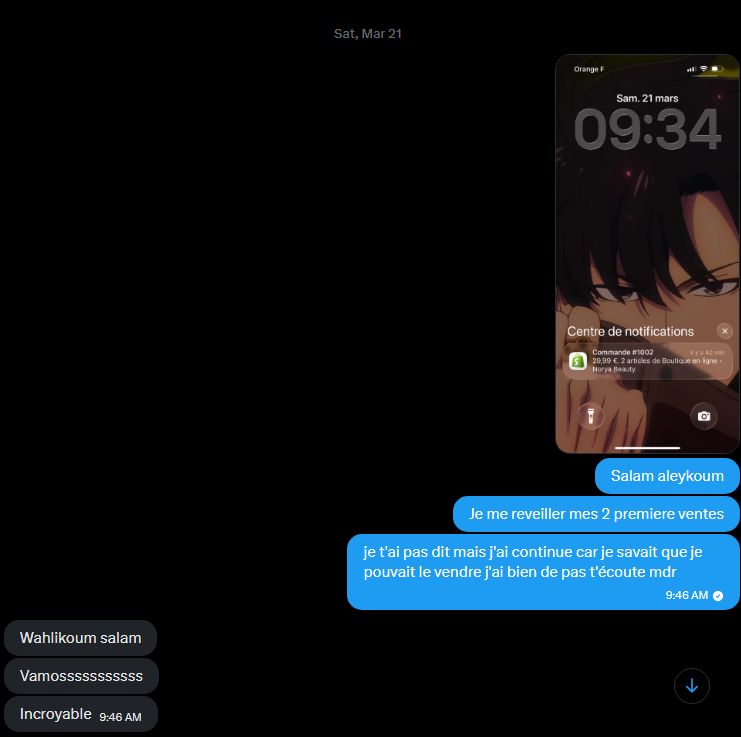
Sur mon premier produit, j'avais de bonnes stats sur Meta (bon CTR, ça engageait). Je sentais une vraie opportunité. Lui a insisté pour que je coupe la campagne et que je change de produit. J'ai décidé de pas l'écouter et de suivre mon propre jugement : j'ai relancé la campagne en cachette → mes 5 premières ventes. Sur le produit qu'il voulait abandonner, avec la campagne qu'il voulait couper.
Sa réaction ? Il a posté un tweet public pour s'attribuer mon succès et vendre son coaching ("mes DM sont ouverts"). Le lendemain, quand j'ai utilisé ces mêmes ventes pour lui montrer que sa méthode marchait pas, elles étaient devenues "pas de vraies ventes, juste un bon jour".
Les mêmes ventes : "incroyables" quand il pouvait se les attribuer. "Insignifiantes" quand elles le contredisaient.
Résumé de tout l'accompagnement quand ça marchait pas : "teste encore". Toujours. Peu importe l'argent déjà cramé. Et quand je confrontais, c'était de ma faute — "t'es têtu", "faut un mental en acier", "faut un plus gros budget".
Zéro suivi de sa part sur tout l'accompagnement. Jamais il est venu voir où j'en étais, c'était toujours à moi d'aller le chercher. Zéro organisation, tout par messages à l'arrache.
Bilan : 1000€ pour apprendre à faire du copier-coller. Les preuves parlent d'elles-mêmes
Everyone loves talking about testing offers.
No one talks about how to plan them.
⠀
It's not just "Buy 1 Free 1" then "Buy 2 Free 1".
⠀
You could get revenue and AOV up and still make less profit.
⠀
First, what even makes an offer?
⠀
There's no magic formula.
Anyone selling you their "copy my exact offer" formula is lying.
⠀
It could be dollar amount off. A percentage off. Bundle and save. Buy-2-get-1. Free gift. Free shipping. Stack a few. They all print for someone.
⠀
Your job is finding which prints for you. That's a test, not a guess.
But you can't test blind. I can't run buy-1-get-3, I'd go broke. Your numbers tell you what you can even afford to put in the ring.
⠀
Get the numbers right first.
Then here's what tells you if an offer's actually printing:
⠀
1) Revenue Per Session
⠀
Most of you think "bump AOV, make more money." Not how it works.
⠀
AOV and conversion rate are a balance scale, not a lever. Tip too hard on one side and the other drops with it.
⠀
RPS = AOV × Conversion Rate
⠀
In the image example:
⠀
AOV actually dropped, $70 to $60.
But CVR went 3% to 5%.
RPS climbed $2.10 to $3.00 and profit per session went up with it.
⠀
Lower AOV, more money. That's the balance working.
⠀
It cuts the other way too. Grüns nails it.
More kids, you need more packs, so the bigger bundle is the obvious buy. Price per pack drops, AOV and RPS climb together, because they gave you a reason to buy up.
⠀
A guy in Evolve did the same, AOV $93 to $135, revenue and profit up 40%.
⠀
Set up a custom AOV and conversion rate metric inside your ad account. Stop checking it off Shopify.
⠀
Now the benchmark. Below $2.50 RPS on US traffic and something's off. $2.50–3.00 is healthy. We aim for $3.
⠀
But a benchmark in a vacuum means nothing. The real test is whether RPS clears your cost per click with room to spare.
⠀
CPC $2, RPS $3. You've got a dollar a session to cover product and still profit. Good.
⠀
CPC $3, RPS $2. Underwater before product cost even lands.
⠀
Track it in Meta.
⠀
But even RPS can lie. That's why you also track:
⠀
2) Profit Per Session
⠀
Guys constantly tell me "yo my new offer is printing, revenue's up massively."
⠀
Then unknowingly lose money.
⠀
I had a guy run buy-2-get-1 and never reset his target ROAS.
Bigger bundle, so cost per unit changed. Shipping per unit changed. He priced the new offer off his old numbers and never checked if they still applied.
⠀
The fix is boring.
Before you launch any offer, the numbers go in a sheet. Not after. Not "I'll check once it's live."
⠀
Every offer test gets a row. Product cost at that quantity. Shipping per unit, confirmed with your supplier, not assumed flat. Pick-pack, processing, gateway fees.
Rough number? Round up, never down.
⠀
Product X as a 2-pack at $139.98: 72% margin, break-even ROAS 1.39.
⠀
The same two units as "Buy 1 Get 1 Free" at $79.99: margin craters to 53%, break-even jumps to 1.89.
⠀
Same product. Same units. The offer alone moved your break-even target from 1.39 to 1.89.
Scale off the old number and you're bleeding without knowing it.
⠀
That's why you rerun the sheet every single time.
Out of it you get two targets before a dollar is spent. Break-even ROAS and CPA. Your scaling target is roughly break-even + 1.
⠀
But read it next to RPS.
Break-even ROAS can rise and your profits can still be up if the CVR jump more than covers it. Never trust one number alone.
⠀
And track contribution margin, not just gross. Gross looks healthy while ads, shipping and fees quietly eat the order.
⠀
If it sounds complicated, just screenshot your costs into Claude.
Price, product cost, shipping, fees. Have it build the sheet and walk the math.
Even better, get an accountant to pull real numbers from your bank. Just don't guess.
Then once it's live, profit per session is the number you optimize. Sessions in, profit out, tracked per offer in the same sheet.
⠀
Give any test 2 weeks minimum before you call it. A month if traffic's low. ~1,000 orders per variant before the data means anything. 10 purchases in 4 days tells you nothing.
⠀
Then the part almost nobody zooms out to:
⠀
3) Absolute profit > ratios
⠀
RPS green, margin healthy. Good. But those are ratios. Ratios don't spend.
⠀
$10k spend at 4x ROAS. That's $16k profit.
Bump to $20k spend at 3.5x ROAS. That's $25k profit.
⠀
Lower ROAS. More money in the bank.
⠀
A higher ROAS isn't automatically better. You can hit 4x on $10k and leave money on the table. You can drop to 3.5x on $20k and print more.
The ratio was never the point. The bank balance is.
⠀
4) The first order isn't the whole story - for LTV brands
⠀
RPS and profit per session score the first order. But your customer doesn't stop at one.
⠀
IM8 ran a 30-day supply offer. Once they'd stacked enough trust, they added a 90-day supply. Same product.
Take rate stayed the same and AOV jumped. Higher RPS, and the lifetime value locked in on day one.
⠀
So two things the first order hides.
⠀
Your new-customer count. Revenue can look good new customers quietly drop. That's not scaling, that's milking repeats. For LTV brands, no good.
⠀
Your take rate and LTV. An offer can lose on the first order and still win, if enough customers stick and the lifetime value outweighs it.
⠀
The first order is a snapshot. LTV is the movie. Judge the offer on the movie.
⠀
RPS clears your CPC. Margin healthy. Absolute profit up. LTV climbing.
Then you're actually printing.
Salam les frères, suite à un scaling aberrant sur un nouveau shop @Shopify ont suspendu mon SP. Là jsuis bloqué ça m’as hold une belle somme et j’ai genre eu une payout pour payer l’agent quoi
si quelqu’un sais quoi faire franchement jss preneur jsuis stun la ❤️