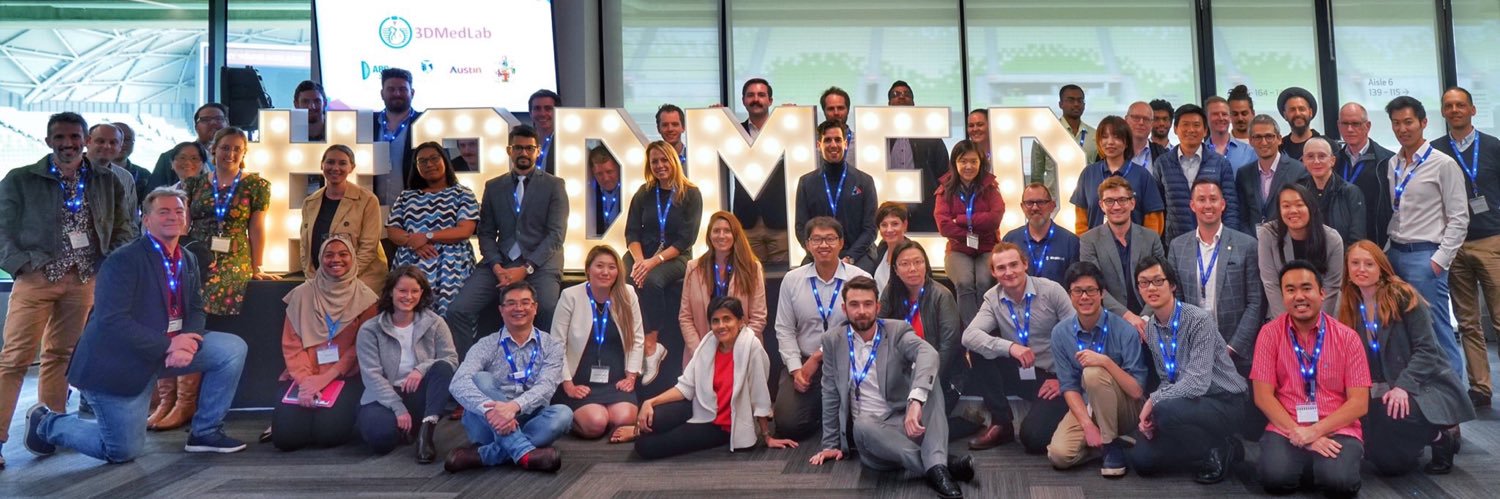
So now #3dMed19 is finally done
We’ve certainly all had a great deal of fun
Learning & sharing with lots of collaborating
Over new concepts which needed elaborating
It’s time to go home & rest in your bed.
Welcome to our family — until the next #3dMed!
See you all in March 2021!
Great to be back on site at @UniMelb Parkville for today’s @arccmit Symposium with Prof Peter VS Lee. Congratulations to all the students and industry partners who have taken part in this program. @3dmedLab
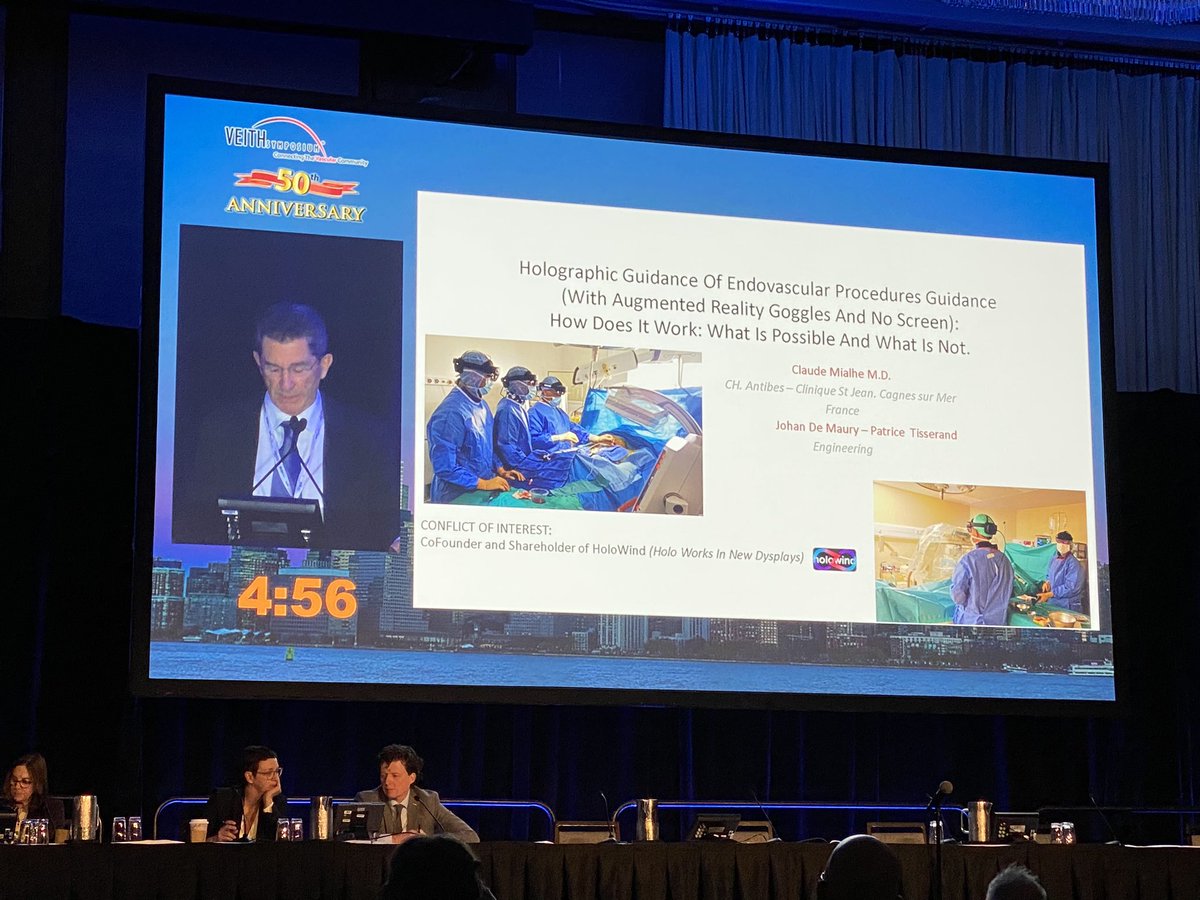
@3dmedLab@VEITHsymposium@Austin_Health@CydarMedical I’ve got no doubt that 3d technologies have already paved the way for huge revolutions in vascular surgery. It’s exciting to be part of the development of this field.
@3dmedLab@VEITHsymposium@Austin_Health@CydarMedical 4. When using AR and VR we are reliant on models and systems which have errors. The tolerable error of segmentation, registration and overlay vary widely with the projected use case. We need to be open and clear about these errors and risks.
@3dmedLab@VEITHsymposium@Austin_Health@CydarMedical 3. We still tend to work with post-processed CT and MRI because it is accessible and (mostly) standardised but a lot of useful data is lost by this stage. If we could unlock proprietary tomographic raw data this could transform how we use AI and machine learning for prediction.
@3dmedLab@VEITHsymposium@Austin_Health@CydarMedical 2. Segmentation of aortic wall vs aortic flow lumen are two very different things. The effect of mural thrombus on aneurysm evolution is poorly understood.
@3dmedLab@VEITHsymposium@Austin_Health@CydarMedical But there also seem to be common problems that we keep encountering.
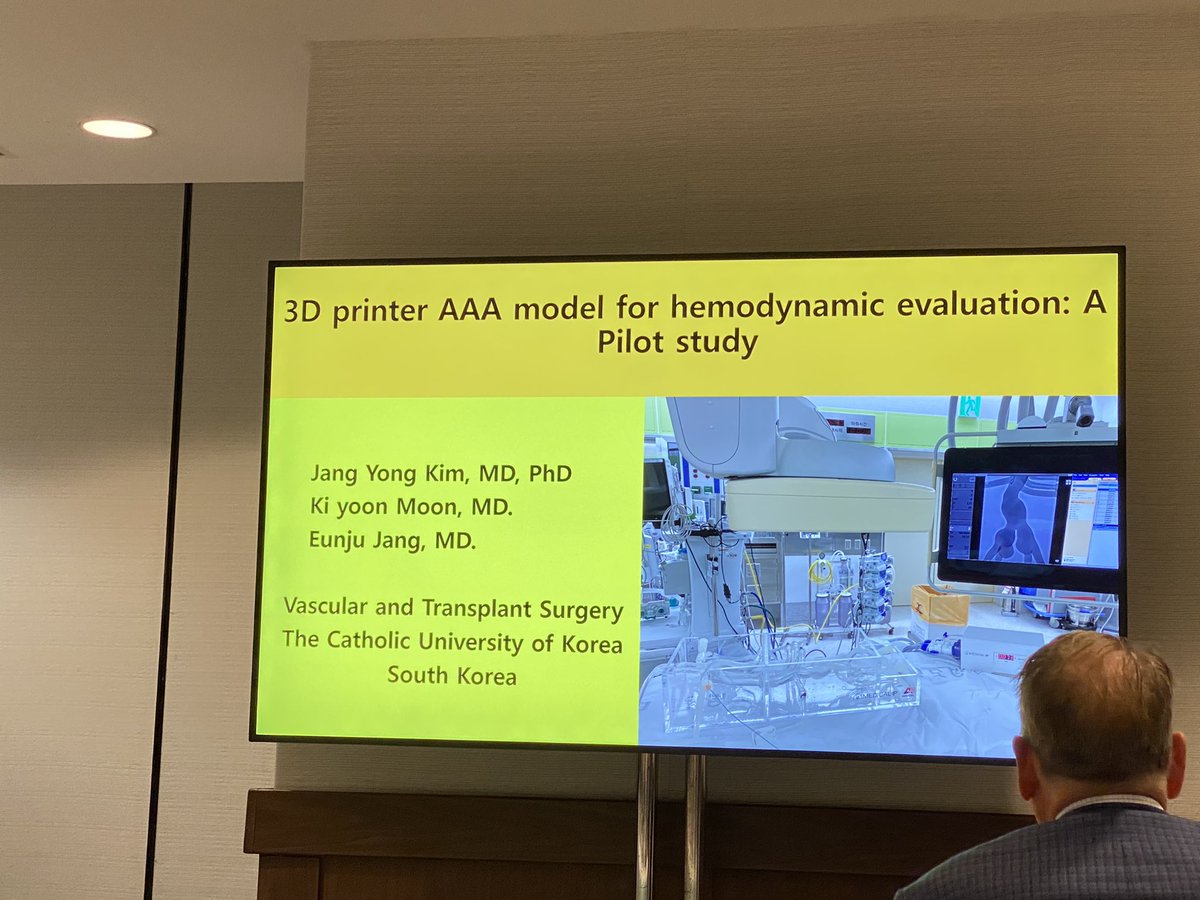
1. CFD and FEA can tell us about flow and wall shear stress but unless your model includes wall material characteristics then you are making a huge assumption that aortic wall tissue behaves uniformly.
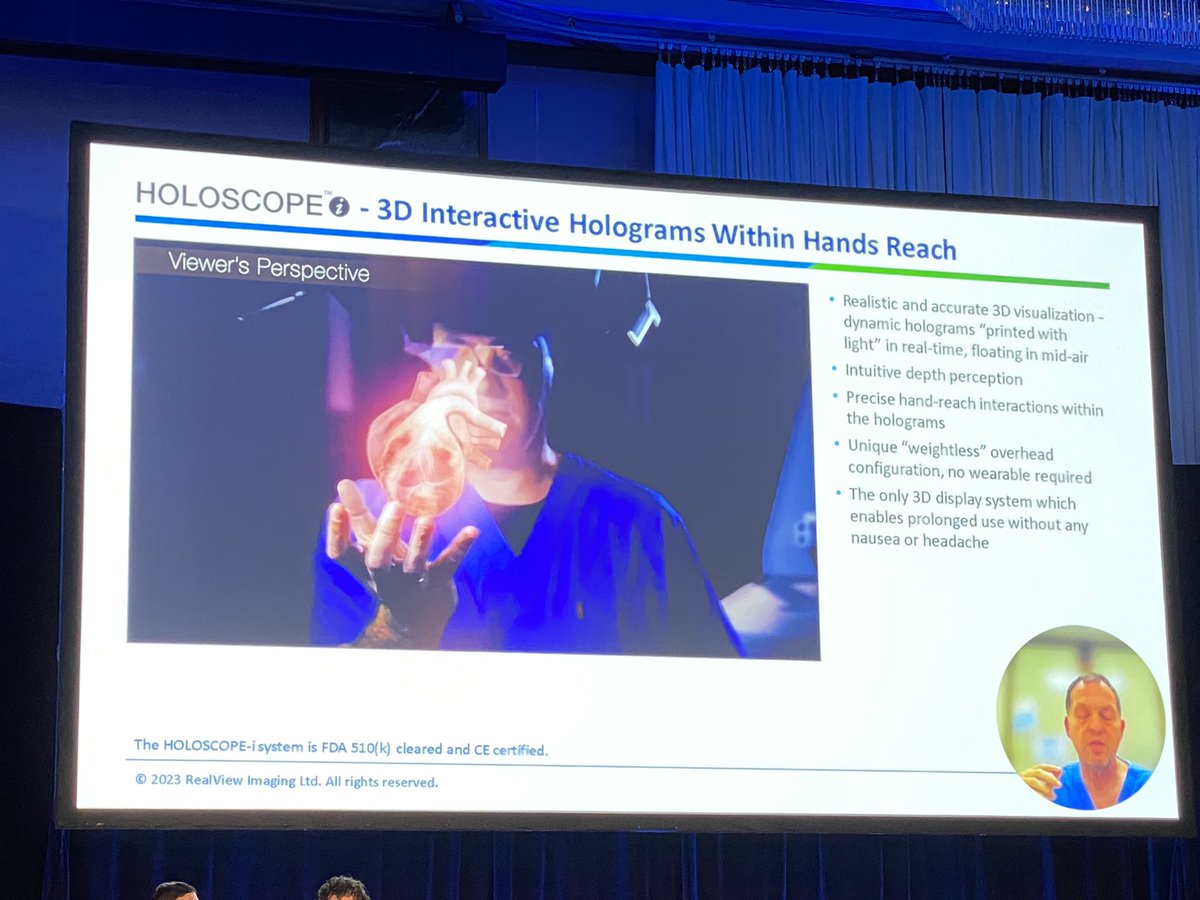
@3dmedLab@VEITHsymposium@Austin_Health@CydarMedical It’s interesting the general themes of development that are benefiting from AI, from streamlined 3d segmentation, AI-driven predictive modelling ve traditional CFD/FEA analysis, improved 3d printing results, various methods of AR image overlay for surgical guidance.
Congratulations Paul McMenamin @MonashUni on being awarded an AM today, and everything you have done to promote the use of 3D Printed models in Anatomy Teaching! https://t.co/RZRuzlobT6
For those who are wondering, whilst we would be delighted to own a @RenishawAM RenAM 500Q Flex SLS Metal #3DPrinter, we have not been acquired by anyone. Donations are, however, very welcome at https://t.co/TxsA5Ls8Og @Austin_Health
Congratulations @UngOwen, @mathildesselle and the Herston team on this work! Great to see how #3dMed is moving forward to applications!!! World-first breast implant trial in Australia aims to provide safer alternative to silicone
https://t.co/75mxXaTdIx @ozvascdoc
Yes! It's here!! Our clinical trial on 3D printed AFOs for children with CMT has been accepted by @ISPGR Gait & Posture🤩 What a great study with @BurnsSyd and team. See the pre-proof here 👇
https://t.co/n6QXVFg3z3