"That much of America’s roadways, bridges, and buildings are more than 50 years old means that they are aging, not historic."
Great piece on the NHPA by @TheBTI's @3lizabethMcC
"In early 2005, one of the largest public works projects in American history was about to age into eligibility for the National Register for Historic Places. The Interstate Highway system...would reach its 50th birthday in June 2006—the age at which federal law considers a place as potentially historic...
Treated as eligible, the system’s 46,700 miles would trigger historic review for every federally funded repaving and guardrail replacement project."
When infrastructure projects turn 50 years old, they automatically become eligible for protection under the National Historic Preservation Act.
That's dumb.
Read @TheBTI's @3lizabethMcC on ending automatic eligibility and other NHPA reforms:
"More money won’t fix process design flaws; we need to rethink how much these regulations are helping to preserve our cultural identity and how much they’re impairing efforts to build a better future."
Read @3lizabethMcC: https://t.co/sUI1KXclc1
Historic preservation shouldn't come at the cost of progress. But every year, more sites become eligible for historic review, slowing development and piling on cost and uncertainty.
Read more about the problem, and my proposal to fix it👇
Congress has spent years debating permitting reform for pipelines, transmission lines, and other infrastructure. But one of the strongest cases for reform can be found in America's forests.
The U.S. Forest Service prepares more EISs than any federal agency. Forest management is one of the most litigated categories of federal action.
That means forest restoration projects that nearly everyone agrees are needed can spend years tied up in environmental review and litigation while wildfire risks continue to grow.
It's time for Congress to fix this. My latest for @washingtonpost:
Stop vibes-based policymaking. The Clean Water Act's 401 certification process is a mess, and almost nobody can tell you exactly how or why.
Real reform starts with understanding how a law failed and what it cost us, not just with the urge to change it.
"Without data on denials, timelines, conditions, project types, and agency practices, Congress cannot know which reform would solve the problem."
Read Marc Levitt and @3lizabethMcC on the data challenges to reforming Clean Water Act Section 401:
https://t.co/l0HZk0k4RE
Stephen, @JigarShahDC, and @JaneAFlegal get into something that Whitehouse/McKibben are eliding in their jeremiads at the "climate hushers."
The debate is not about whether to talk about climate change. The debate is about whether to center the climate emergency in politics.
Little known fact:
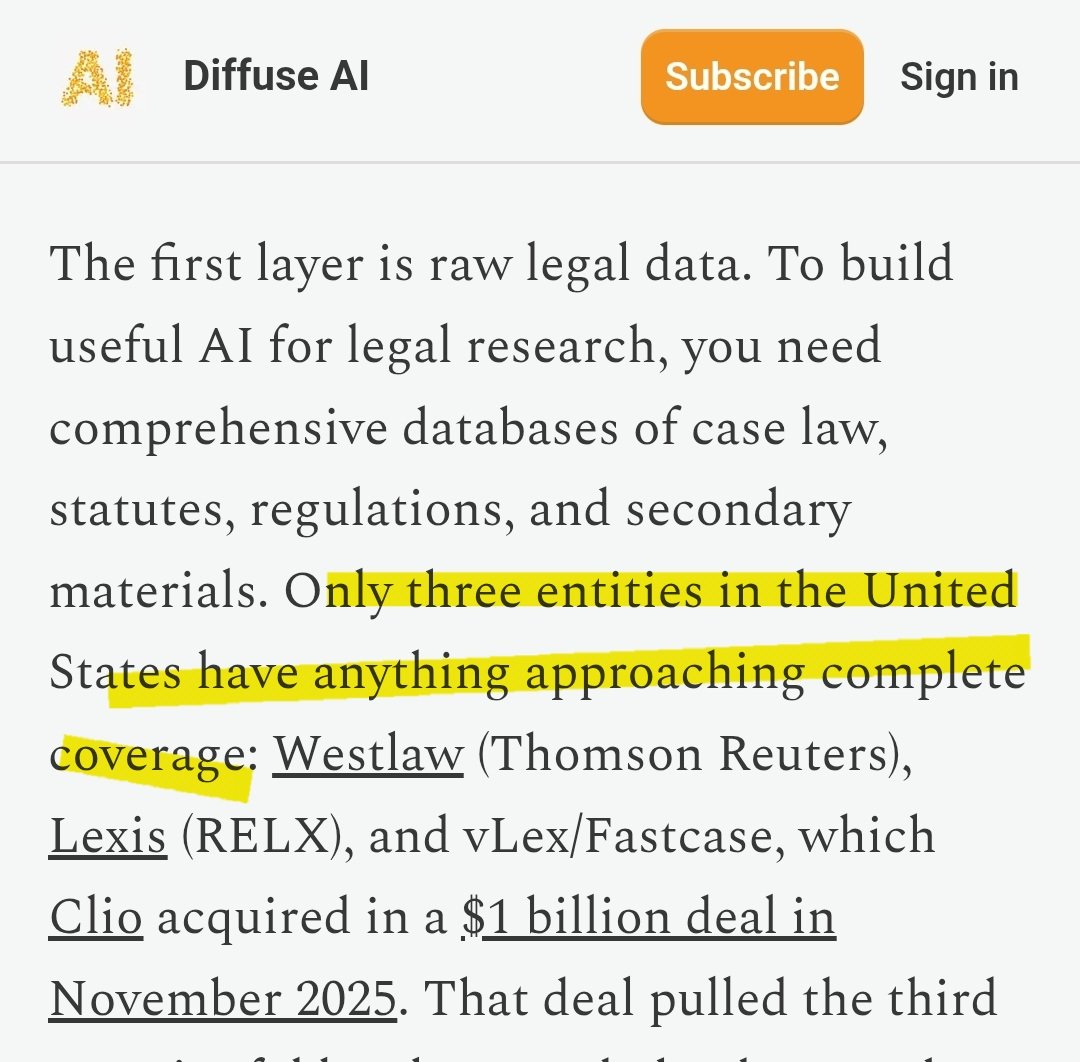
Only three companies have a comprehensive collection of US court cases, statutes and regulations.
And they charge accordingly!
Seems like something that should be available for free as a public good.
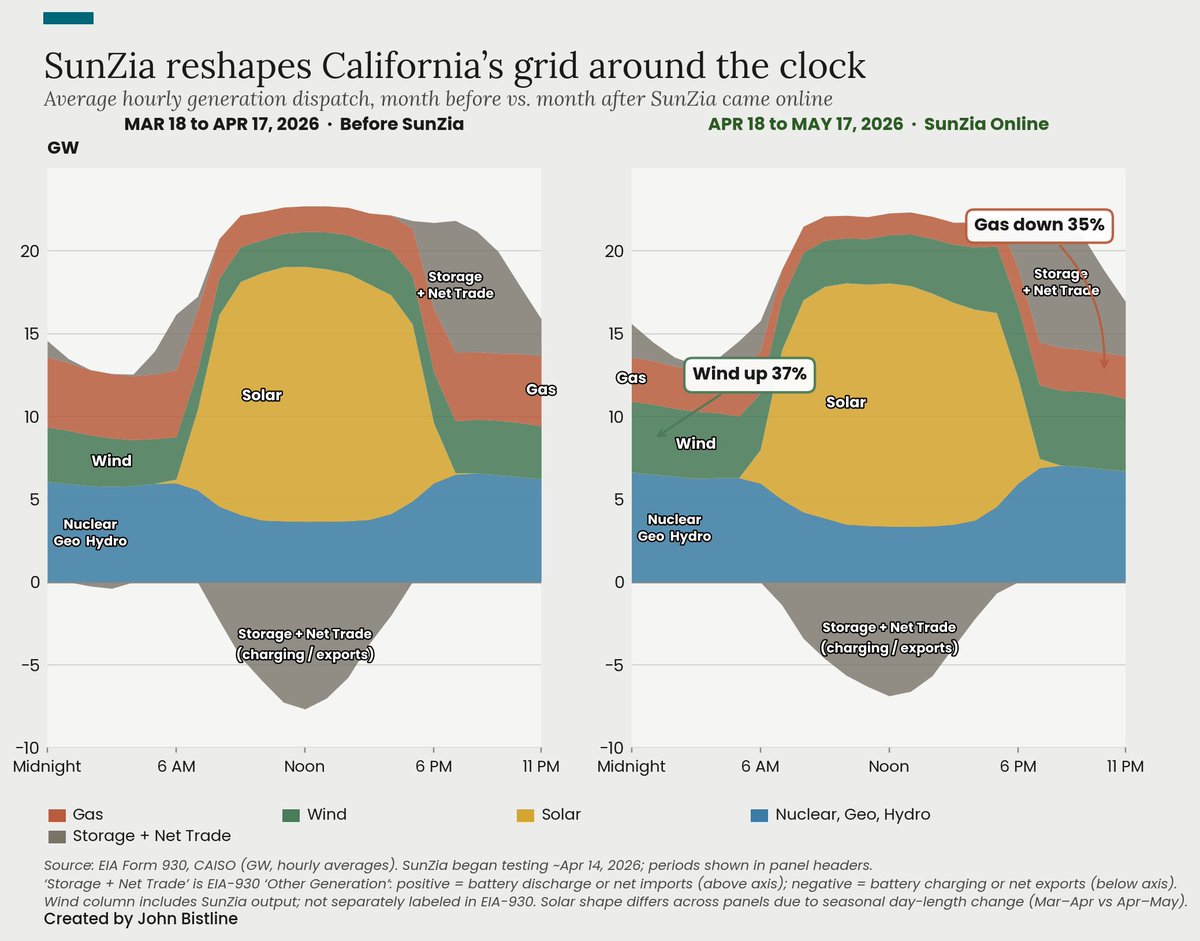
Does new transmission actually move the needle on clean energy? Here's a month of California data before and after SunZia came online. Wind is up by a third, and gas down by a third. Judge for yourself.
NEPA and permitting reform aren't a "trade" — they're basic maintenance of a regulatory system we've neglected for 50 years.
We don't live in the world it was built for anymore, and need policy that reflects that.
I continue to be wary of arguments that Dems should “trade” NEPA reform for expanded transmission authority, as in today’s NYT editorial.
NEPA reform is worthwhile on the merits, including for transmission!
https://t.co/YJD0cHTwaL
I continue to be wary of arguments that Dems should “trade” NEPA reform for expanded transmission authority, as in today’s NYT editorial.
NEPA reform is worthwhile on the merits, including for transmission!
https://t.co/YJD0cHTwaL
I have to say I think @TheBTI's Marc Levitt has proposed the most comprehensive NEPA reform:
1. Public voice, not veto
2. Certainty for agencies, courts, and developers
3. AI-driven reviews/documentation
Reboot NEPA:
https://t.co/yswjAdpvKS
I interviewed @hollyjeanbuck about that Jacobin data center article and asked how banning these facilities causes “equity concerns”.
Here was her answer, followed by her take on data centers and climate change.
"Whether we call it Cascadian Abundance or Ecomodernism, environmentalism and abundance should coexist."
@gtmulligan offers a provocative distinction between litigation- and non-litigation focused environmental groups: