@SalsaTekila@Cryptophileee@tentacles2020@Hercules_Defi Using the same mnemonic for an cold + hot wallet , it's a bad approach, that's why they're called also with 2 different names, because you should never restore the one, on the other.
@SalsaTekila@Cryptophileee@tentacles2020@Hercules_Defi It's not about that.
Both on Trezor & Ledger, if you create your mnemonic on it, you can't export it anymore after the first time.
That is supposed to be stored securely, and neverbe restored elsewhere else except on the hardware itself.
@Cryptophileee@Hercules_Defi That's not a good approach though.
The mnemonic that is either created or imported within hardware wallets, should never leave it again nor be restored on any other wallet's.
I hardly believe they would have been able to hack your brother's ledger otherwise. 😕
ideas on how to compete with $100B saas companies:
- intentionally limit features (focus on core value)
- give affiliate program 50% cut until $1M ARR (then lower)
- shift from monthly subscription to "quantum pricing" (dynamic based on usage/value)
- kill your best-selling plan (force upgrades)
- "trojan horse" free tool strategy build a free, standalone tool that solves one problem perfectly use it to capture leads and upsell your main saas
- make your saas more niche than the competition
- turn your website with the sole goal of getting people on webinars (or workshops or whatever)
- offer "family plans" for B2B
- don't automate everything, add human touch (for key touchpoints)
- "micro-saas acquisition" strategy buy tiny, neglected saas products cross-sell to your existing user base
- create an invite-only tier (exclusivity drives desire)
- build physical product companion (expand ecosystem)
- implement artificial scarcity (drive urgency)
- offer "pay what you want" for 24 hours (viral promotion)
- launch a "feature store" marketplace (monetize add-ons)
- implement "use it or lose it" credits (drive engagement)
- offer "on-demand" live product demos (personalize sales)
create "choose your own adventure" onboarding (personalization)
offer a "pause subscription" option (reduce churn)
implement "earn while you learn" tutorials (gamify onboarding)
- "in-app courses" strategy build learning paths inside your tool become indispensable to users' growth
- make cancellation dead simple (build trust)
- launch a "negative roadmap" (set clear product boundaries)
- implement "collaborative" pricing negotiations (for enterprise)
- make your brand loveable (use @DesignScientist or learn to design)
- create an in-app "shower thoughts" forum (community building)
- launch "CEO for a day" customer feedback program (deep insights)
- offer "pay in content" for influencers (marketing leverage)
- implement "feature auctions" for early access (monetize eagerness)
- create "choose competitor" comparison tool (control the narrative)
- create "customer matchmaking" for networking (add auxiliary value)
- "feature deprecation" as marketing publicly remove bloated features position as focused, user-centric
- add a membership program (discounts, other software, community) to lock them in
- offer "subscription insurance" for hesitant buyers (remove objections)
- create a "price match guarantee" with a twist (match + 10% off)
- offer "competitor data migration concierge" (remove switching pain)
-create "customer advisory board" with equity incentives
- launch "seasonal features" (create FOMO and reengagement)
- offer "pay with your data" option (monetize insights)
- implement "feature leasing" (temporary access for specific needs)
let's go.
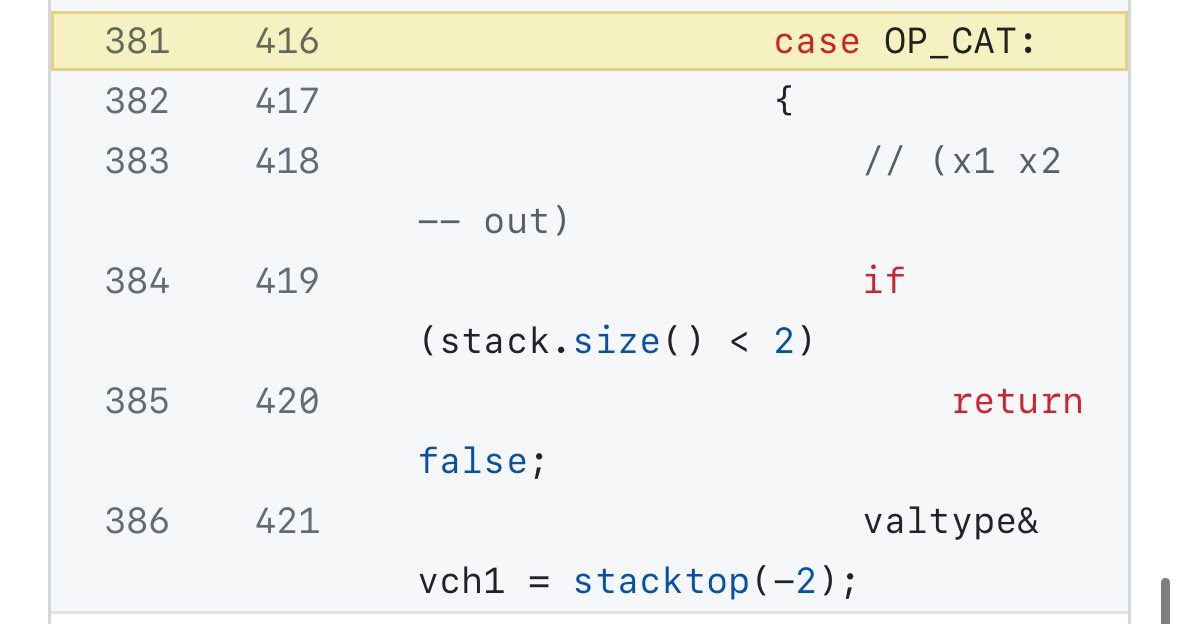
Satoshi Nakamoto created OP_CAT in 2009 when creating Bitcoin.
He then disabled it in 2010.
Now, Tapscript enables it again.
Only a small circle of people know about its capabilities yet…
The potential is insane though… 👇
Remember when Shou Zi Chew, the CEO of TikTok, testified before the United States congress and they grilled him on questions about WiFi or TikTok monitoring IOT devices?
Imagine the CEO of CrowdStrike having to explain an EDR to the United States Congress 😂😂😂😂