Our #3 Image of the Week of 2025! 🤩
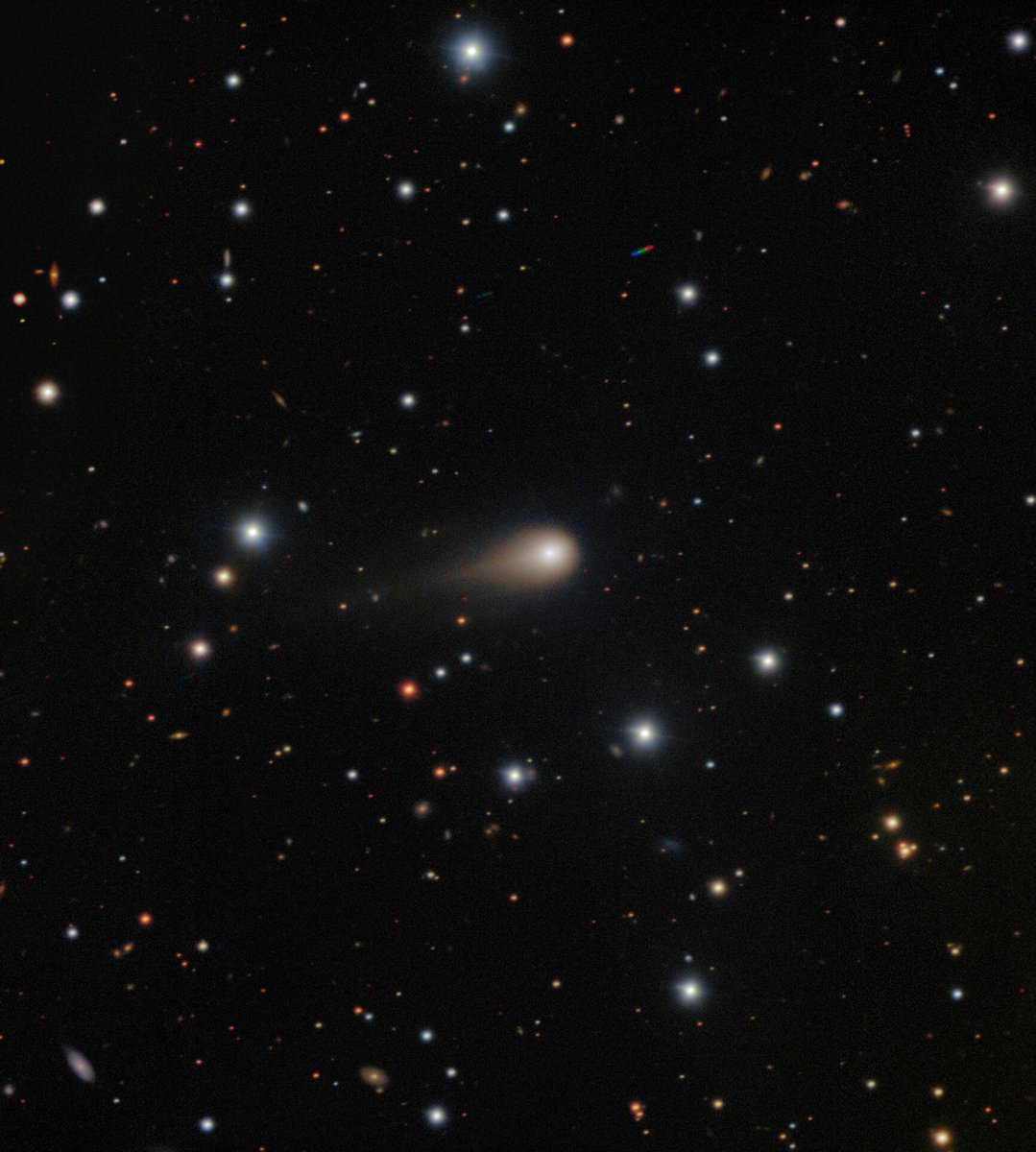
Comet C/2024 G3 (ATLAS) gleams against the January sky above three NOIRLab-supported telescopes in this image. The las time it was last visible from Earth was about 600,000 years ago.
📷 CTIO/NOIRLab/NSF/AURA/C. Corco
The #JWST has provided unprecedented insights into SIMP-0136, a rogue planet approximately 20 light-years from Earth.
Unlike planets bound to stars, rogue planets like SIMP-0136 drift freely through space. This study utilized JWST's advanced instruments to examine the planet's atmospheric composition, temperature variations, and auroral activity.
SIMP-0136 exhibits a unique atmospheric phenomenon known as thermal inversion, where temperatures increase with altitude, a stark contrast to Earth's atmospheric structure.
The planet's upper atmosphere is heated by intense auroras, similar to Earth's Northern Lights but on a much larger scale. These auroras are driven by the planet's strong magnetic field, which accelerates charged particles, resulting in the observed thermal inversion.
JWST's observations revealed that SIMP-0136's atmosphere is perpetually covered by clouds composed of silicate grains, resembling beach sand, rather than water droplets or ice crystals.
The planet's rapid rotation period of just 2.4 hours allows for continuous observation of its atmospheric dynamics, providing valuable data on its weather patterns and atmospheric composition.
👉 https://t.co/PWdP72RV8r
(Artist's impression)
You might think the night sky is the paparazzi magnet at Cerro Pachón, but it's actually the viscachas.
(Ok, it's both.)
These local celebrities are a favorite sighting among observatory scientists — they even bask in the sunset glow just like observers do before the night!
UGC 12914 and UGC 12915 collided 25 million years ago. Despite their history, they’ve moved on and started building bridges between each other. After their big collision gas was pulled from each galaxy, creating a stream of stellar material. ⭐️
📸 @GeminiObs/NOIRLab/NSF/AURA
New images of interstellar Comet 3I/ATLAS! ☄️In these new images taken from @Geminiobs South in Chile, you can see the growing tail of the comet and the glowing coma.
🔗 https://t.co/BOWtHSSf3S
Credit: International Gemini Observatory/NOIRLab/NSF/AURA/Shadow the Scientist
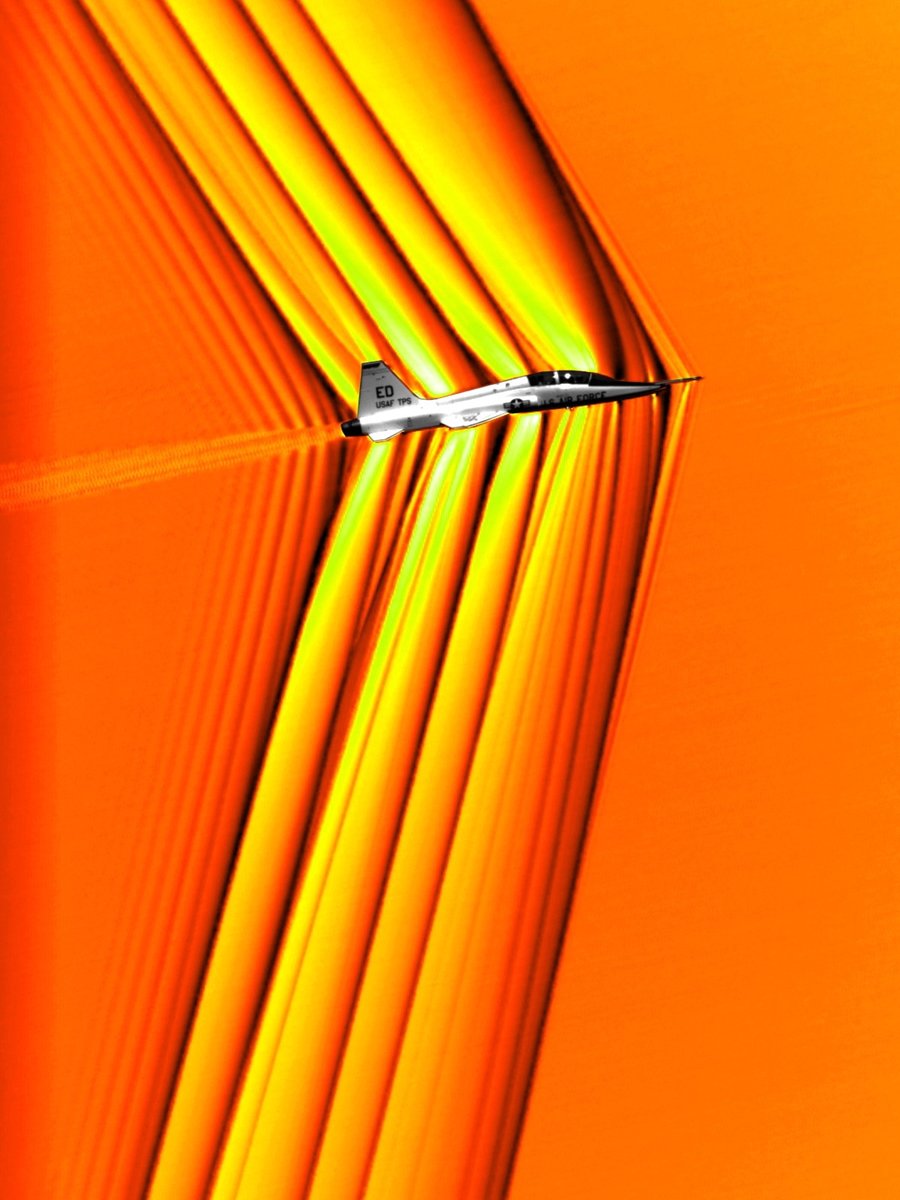
The life of a NASA Flight Research Center ✨ ✈️
Have you heard of schlieren imaging?
Schlieren imaging is a technique, seen here in from a flight series called AirBOS, that lets us see invisible airflows – like shock waves and vortices – coming off full-scale airplanes in flight.
How does it work? A slow-moving chase plane, equipped with high-speed digital cameras, flies behind and captures footage of the test aircraft against a textured landscape below. The shifting patterns reveal the movement of air, which is especially dramatic at high speeds.
More here ⬇️
https://t.co/IrKwcCh5MJ
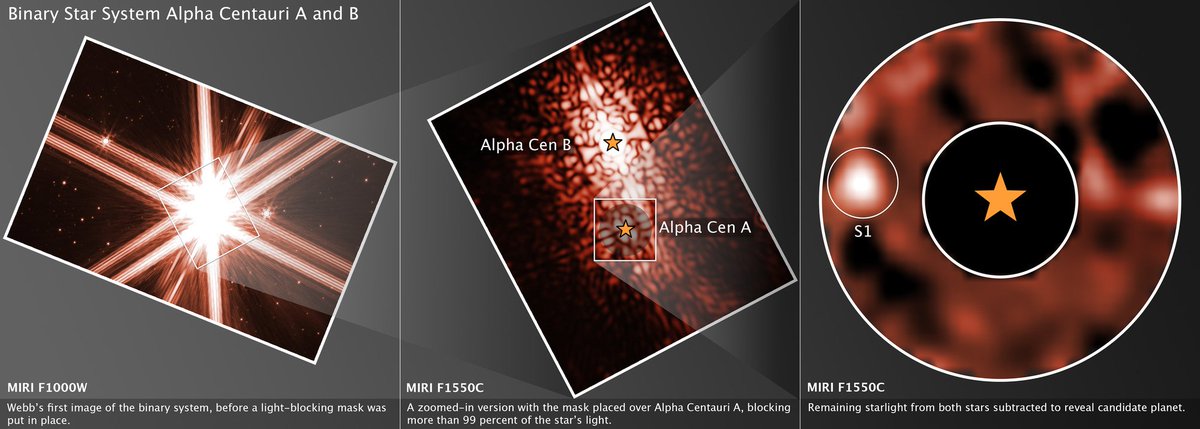
The @NASAWebb space telescope has found strong evidence of a planet around Alpha Centauri, a near-twin of our Sun in the nearest neighboring star system.
This would also be the closest exoplanet ever observed directly.
https://t.co/XeclU554A3
Our favorite kinds of fireworks are the cosmic kind 🌟🎆
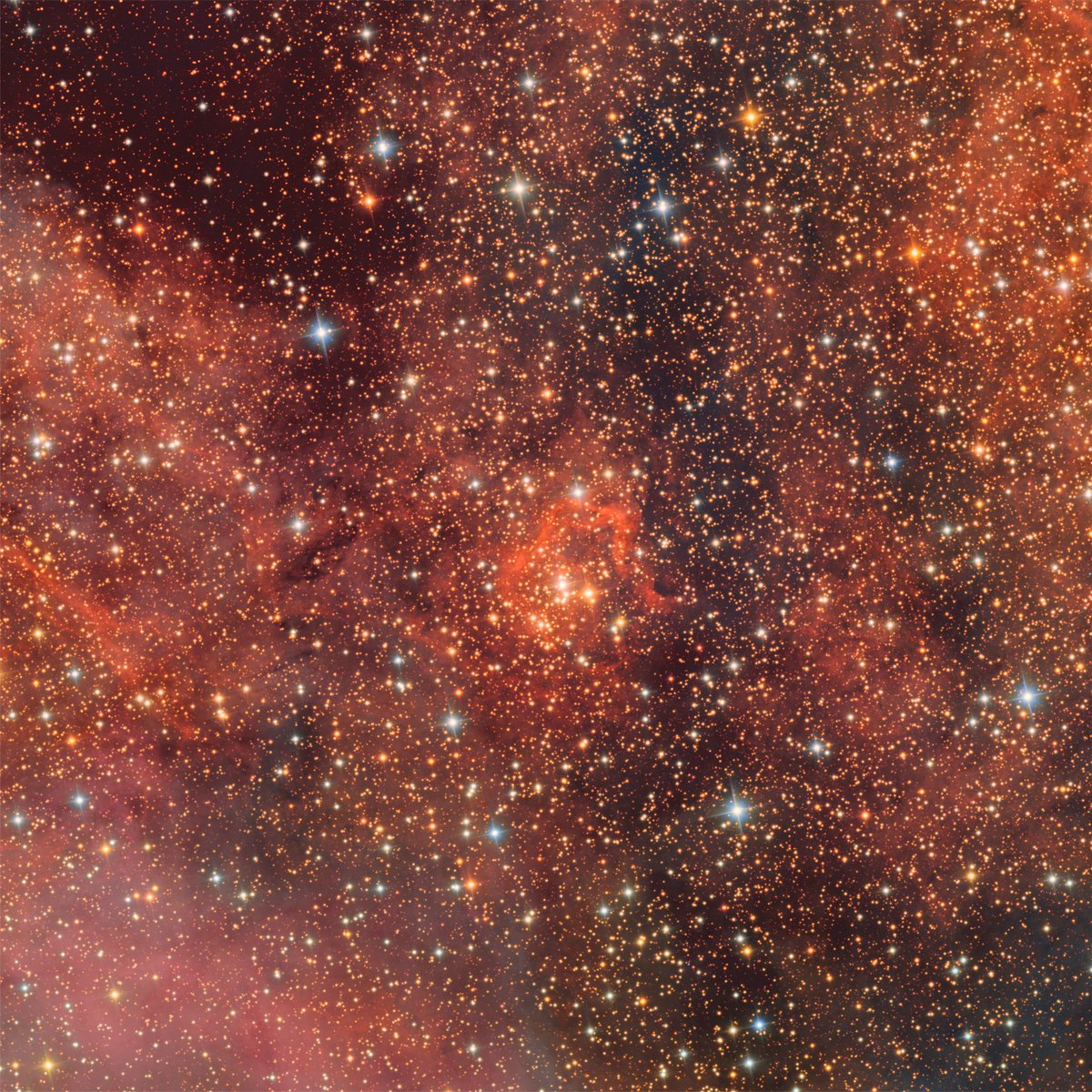
Our #RubinFirstLook image of the Trifid and Lagoon Nebulae has plenty of cosmic fireworks to explore! Let the bright, young stars in these clusters add some sparkle to your #FourthOfJuly holiday ✨
📷: NSF–DOE Rubin Obs.
Just spotted myself in this incredible 3200-pixel mosaic from the Vera Rubin Observatory. I'm in the 6th column from the left 🤳🔭🪐
#VeraRubin#Astronomy#LSST
Did someone say #NationalCameraDay? 📷
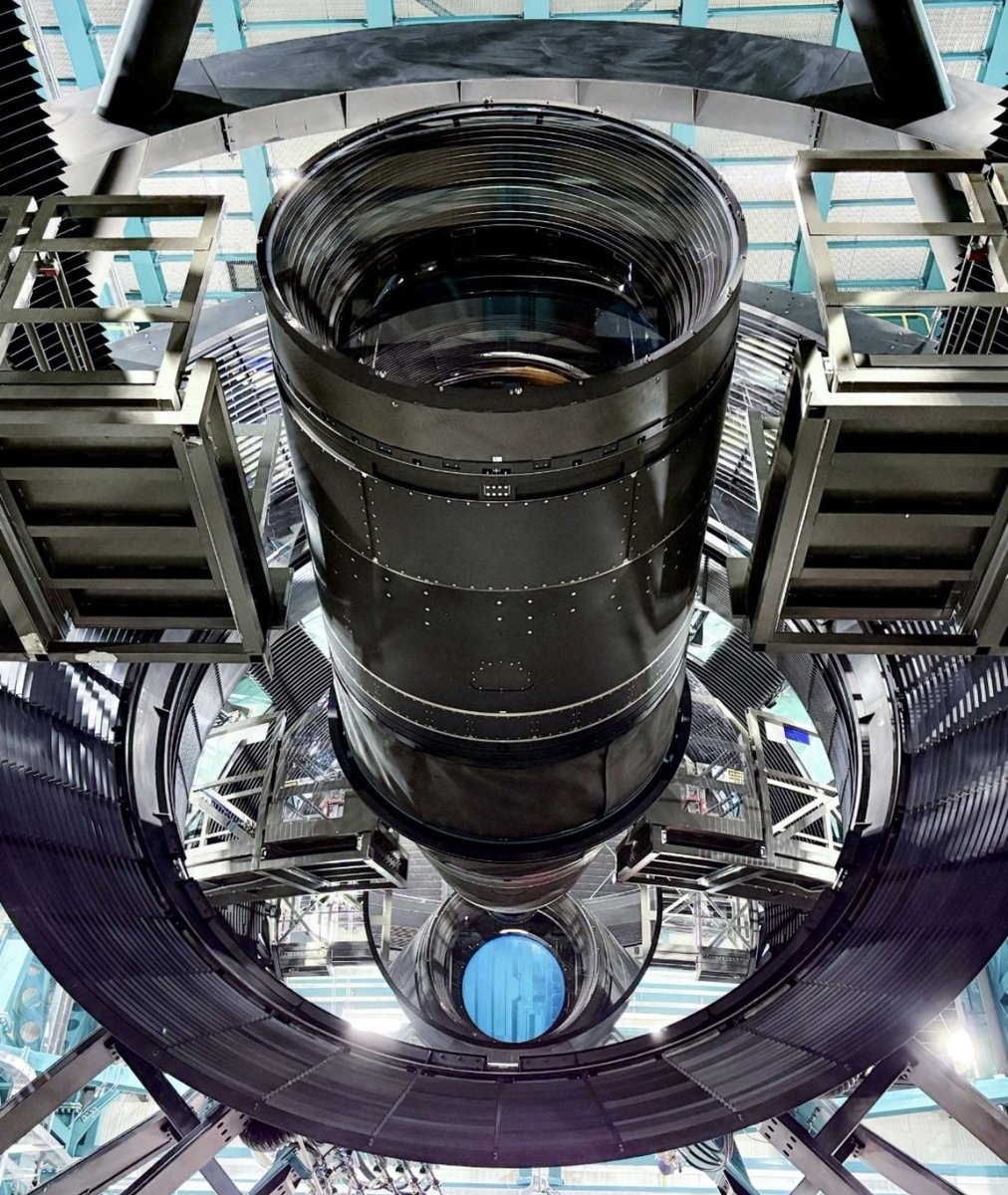
We wanted to celebrate ours by creating a giant 3200-megapixel group photo inspired by our LSST Camera...and here it is, featuring many of YOU!
Grab this epic group photo at https://t.co/ZUrJ7I6WbM 🤳
@SLAClab@noirlabastro
🚨‼️ BREAKING NEWS: The Vera C. Rubin Observatory just unveiled its FIRST jaw-dropping images from its cutting-edge 8.4-m survey telescope ! ✨ Stunning views of the Trifid & Lagoon nebulae and the Virgo Cluster reveal millions of galaxies and thousands of asteroids in unprecedented detail. With its 3.2-gigapixel camera, Rubin’s 10-year sky survey kicks off, promising to rewrite astronomy ! #astronomy
A new view of two old friends 🤩
Feast your eyes on @NSF–@doescience Rubin's view of the Trifid & Lagoon Nebulae!
This image shows what makes Rubin unique: its combination of wide field of view & speed that allows it to take lots of big images quickly.
https://t.co/H1l0e3bLK9
The sky never stops changing and NSF–DOE @VRubinObs is watching with the world’s largest camera!
In this 🎥 Rubin showcases 46 subtly pulsating stars. In the next 10 years, Rubin will detect ~100,000 of them, helping map the Milky Way’s halo
📹RubinObs/NOIRLab/SLAC/NSF/DOE/AURA
🚨Epic! NSF–DOE @VRubinObs discovered 2,104 never-before-seen asteroids in our Solar System! ☄️
Currently, all the world's observatories discover ~20,000 asteroids per year. Rubin discovered over 2,100 in just a few nights!
📹: RubinObs/NOIRLab/SLAC/NSF/DOE/AURA
#RubinFirstLook
This is it. The FIRST released video from @VRubinObs. A new era of astronomy starts now! ✨
How many galaxies do you think are in this image? 10 MILLION 🤯
Here, Rubin’s view is focused on the southern region of the Virgo Cluster.
📹: RubinObs/NOIRLab/SLAC/NSF/DOE/AURA
We're live in 15 minutes!
Join the @NSF–@doescience Rubin Observatory team for the full reveal of first images from the world's most powerful survey telescope and largest digital camera #RubinFirstLook
⌚️ 11am US EDT
🔗 https://t.co/1a74X2edp8
Starting later this year, the @VRubinObs Observatory will begin capturing a 3200-megapixel image of the sky every 40 seconds, collecting about 20 terabytes of data each night. Over 10 years, this will produce a catalog of roughly 17 billion stars and 20 billion galaxies, while also issuing around 10 million alerts nightly for cosmic changes.
#Impressive #RubinFirstLook #CaptureTheCosmos