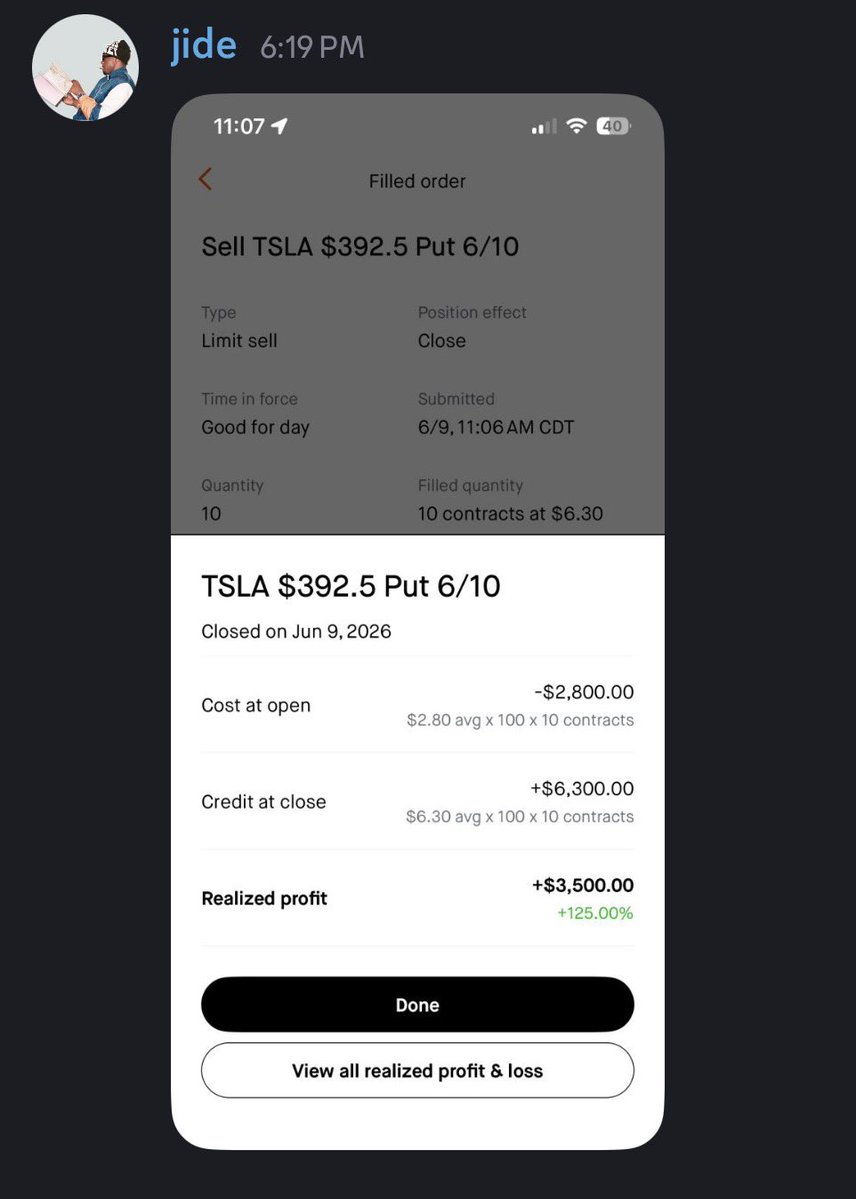
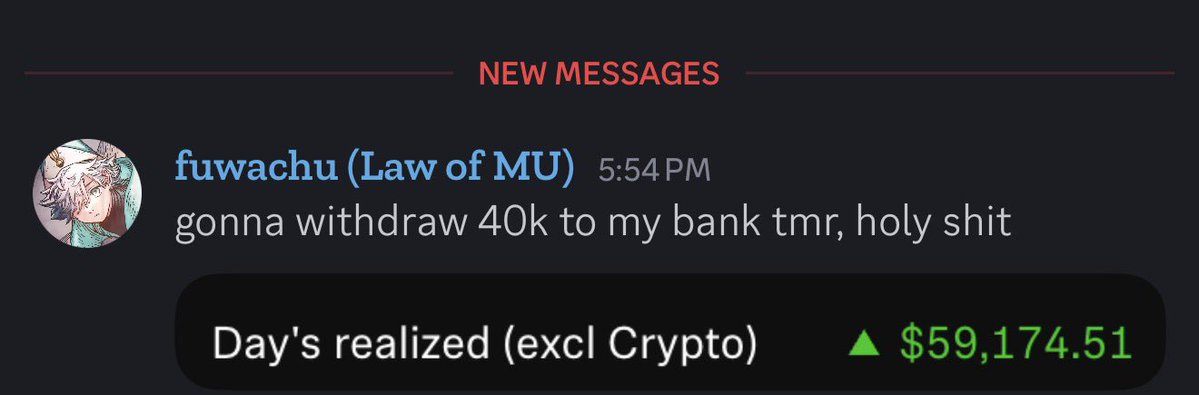
Just in case you’re wondering why indexes + individual names like $SNDK to $MRVL to $LITE are green now.
Trump just cancelled attacks on Iran.
This market is so volatile…
Nvidia's AI ramp deepens memory squeeze as cloud providers lock up supply through 2028
Memory shortages tied to Nvidia's next wave of AI hardware are expected to intensify through 2027 and into 2028, as major cloud service providers continue to secure long-term supply for data-center buildouts, according to supply-chain sources. The pressure is already rippling through DRAM and NAND markets, with OEMs and module makers warning of tighter availability and weaker room for additional orders.
Cloud providers and OEMs race to secure capacity
As Nvidia's next-generation AI accelerator, Vera Rubin, is set to ship in the second half of 2026 and HBM4 moves into mass production, cloud service providers, or CSPs, are continuing to invest heavily in AI data-center expansion. Supply-chain sources said CSP leaders have already booked all available 2027 long-term agreement, or LTA, capacity and are now moving to secure 2028 supply as well.
The AI boom has driven a wave of memory shortages, and several memory module makers have recently received notices from original equipment manufacturers stating they will not be able to provide any additional supply beyond previously promised volumes. Upstream capacity has been heavily diverted toward Nvidia-related AI servers and toward CSP demand, leaving almost all of 2027's capacity already committed to CSP customers.
Supply-chain sources said shortages in DRAM and NAND are expected to widen from the second half of 2026. OEMs have also disclosed that Apple has continued to secure third-quarter memory capacity for new product launches, while other brands are being forced to move ahead with production plans despite the strain.
That means memory makers must support Vera Rubin mass shipments while also meeting rising demand from other end devices and edge AI. This combination is expected to tighten global supply further. Industry consensus is increasingly that the 2027 shortage will be worse than the 2026 one.
2028 supply talks begin early
After locking up 2027 capacity, CSP leaders are also moving ahead of schedule to secure 2028 LTA supply. Upstream suppliers expect memory prices to remain strong. While they were unwilling to release 2028 capacity before May 2026, they have recently become open to discussing first-quarter 2028 orders, with some HBM and server capacity already allocated.
Industry sources said LTA structures vary by supplier. Only a few require advance deposits or prepayments; most rely on customers first committing to expected volumes, after which suppliers adjust expansion timelines accordingly. Final selling prices are still confirmed only before actual shipments, suggesting memory makers remain confident in contract price gains over the next two to three years.
Although CSP companies were once rumored to be willing to fund dedicated production lines at memory makers and subsidize purchases of expensive semiconductor manufacturing equipment, industry insiders said upstream suppliers are already highly profitable and have already planned new fabs and equipment budgets. They do not need to tie themselves to a single customer to build production lines, but CSPs are still rushing to secure long-term memory contracts to avoid a repeat of the supply crunch in the second half of 2025 to 2026.
Tight DRAM supply drives capacity hoarding and AI server cost pressures
Sources said memory module makers are also using prepayment models for certain product lines, paying suppliers in advance at previously agreed lower prices and then covering the gap when the original maker is ready to ship at market rates. While this increases short-term funding pressure, it helps them lock in critical capacity early.
Industry analysts said server memory and standard memory share similar design architectures, unlike embedded memory, so capacity allocation at suppliers is mainly crowding out standard and PC memory, which together account for roughly 60% to 70% of the entire DRAM market. That shift has pushed PC memory's share of total DRAM down from 11% to 12% in the past to just 9%.
Nvidia CEO Jensen Huang recently confirmed that SK Hynix, Samsung Electronics, and Micron have all received HBM4 certification, have begun production, and are fully supporting Vera Rubin. Addressing rumors that memory usage would be cut sharply, Huang said future systems will still use a great deal of high-speed memory. Still, the shortage must be managed rationally across all systems, and supply must be expanded further.
Industry sources also said AI servers are seeing downgrades in high-capacity memory configurations. While 128GB was originally the mainstream specification, some customers are switching to 64GB or 96GB to cut costs amid high prices and tight supply. Although that does not significantly reduce overall memory usage, it highlights how elevated memory costs are slowing the AI server upgrade cycle.
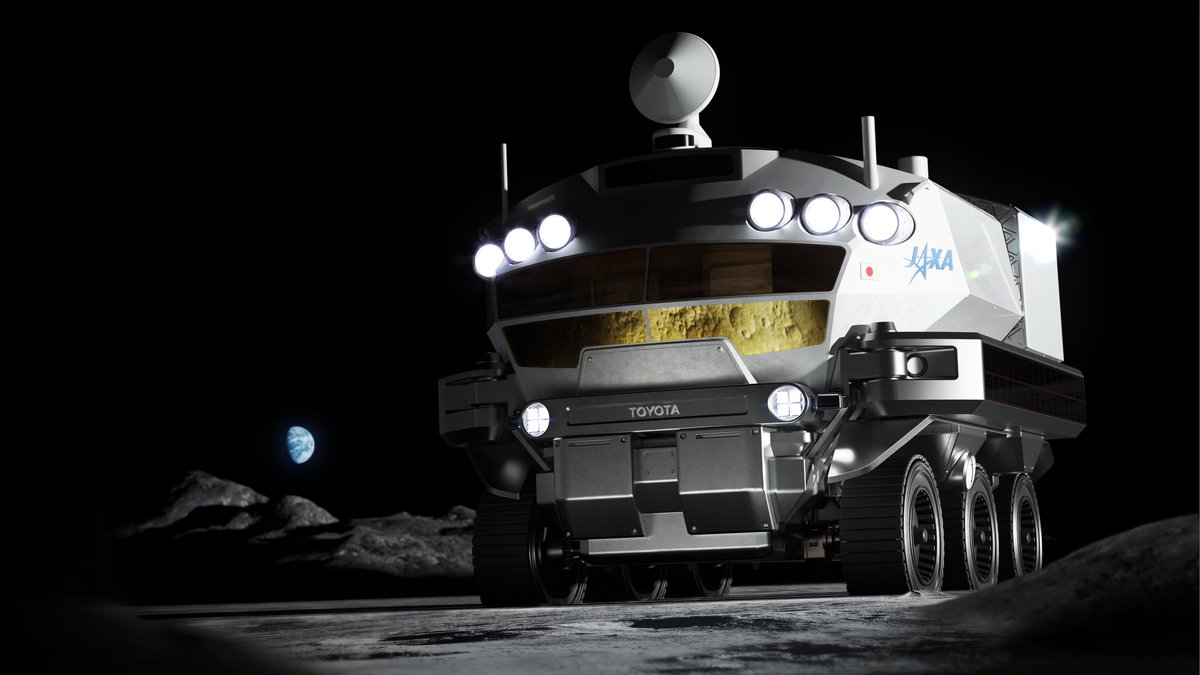
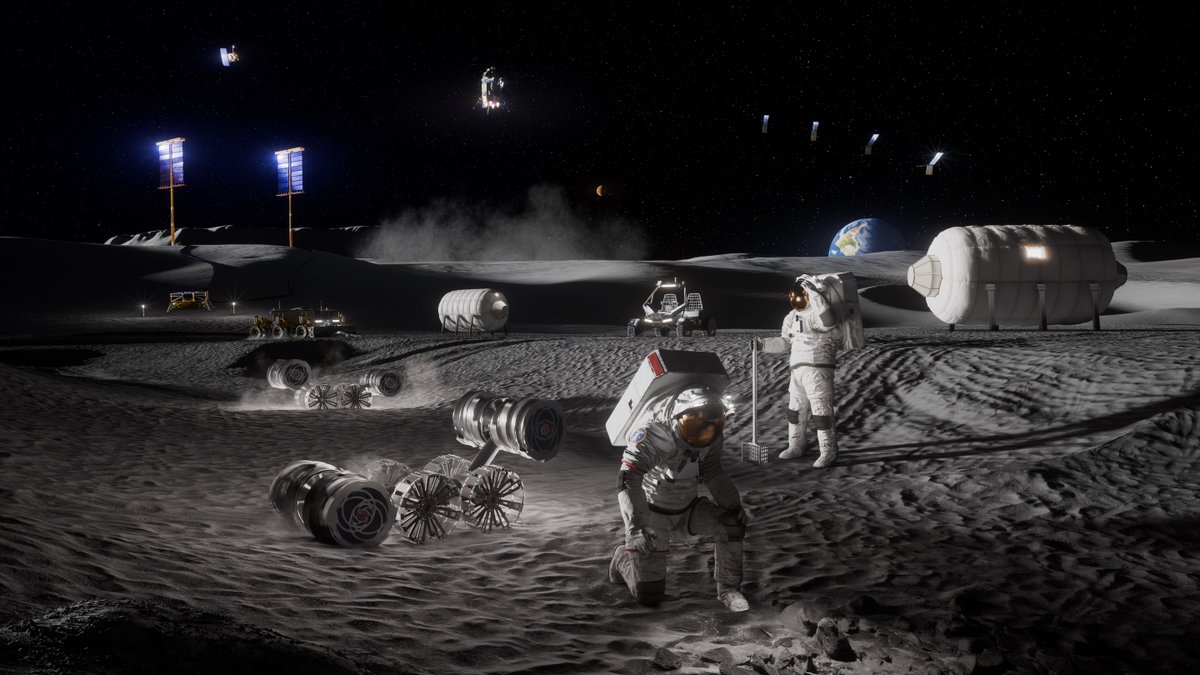
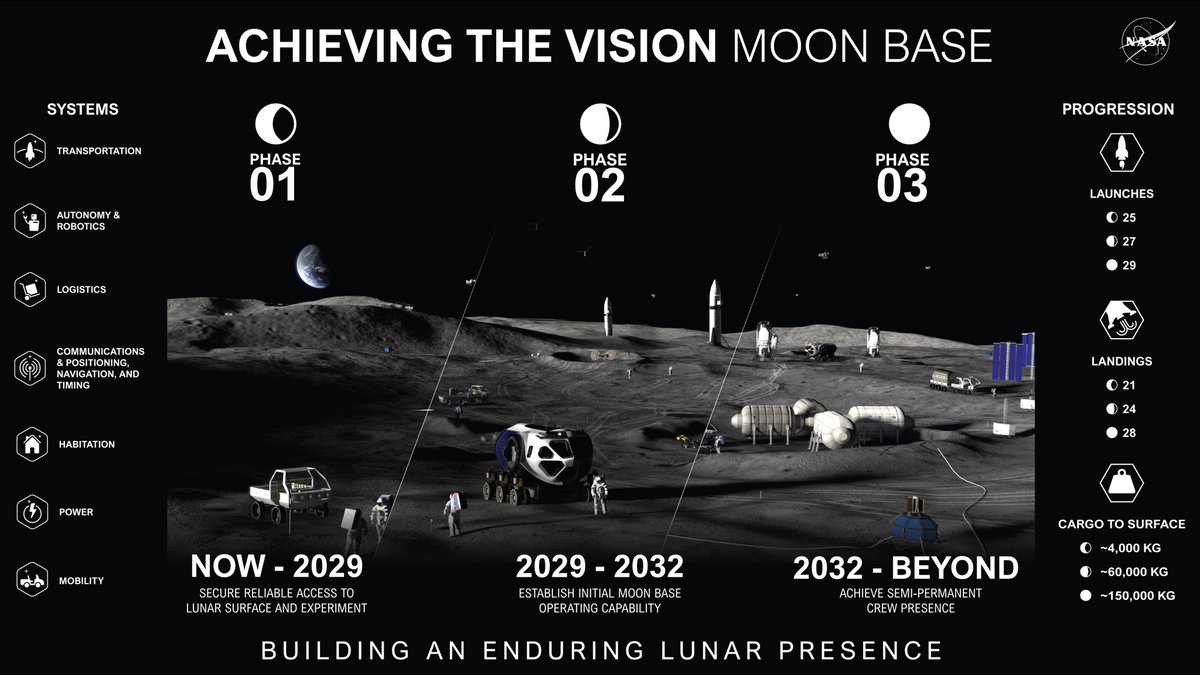
NASA has just launched a new website for its Moon Base missions, which aims to build a permanent $20 billion U.S. base on the Moon. @SpaceX's Starship rocket will play a big role in these missions.
"The Moon Base is a home away from Earth for Artemis astronauts who will live and work at humanity’s first lunar outpost. NASA is leading global teams of innovators across international space agencies, industry, and academia to build the Moon Base and establish an enduring human presence near the lunar South Pole for the benefit of all.
Phase One (Now–2029): Experiment and Learn
NASA will begin with a rapid series of robotic missions to scout the lunar South Pole region, test technologies, and prepare for surface operations ahead of future astronaut missions.:
• A major increase in lunar activity, with up to 25 missions, including 21 landings.
• Crewed and autonomous rovers for mobility demonstrations and surface preparation, along with four drones known as MoonFall and communications relay and observation satellites.
• Early demonstrations of power, navigation, communications, and nuclear radioisotope heater unit technologies designed to endure the long lunar night.
• Scientific payload opportunities integrated across landers and rovers.
• The first tangible footprint of Moon Base effort, with four tons of payload delivered to test what works on the lunar surface.
Phase Two (2029–2032): Early Habitation
By 2029, NASA will transition to assembling semi-permanent infrastructure and initiating early habitation and logistics operations:
• Deployment of expanded solar power systems and initial nuclear surface power capabilities, potentially including fission reactors and radioisotope power systems.
• Upgraded rovers, potential advanced MoonFall drones, and early habitation elements.
• Enhanced surface-to-orbit communications networks to provide reliable connectivity across the lunar South Pole region.
• Delivery of up to 60 tons of cargo through as many as 24 landings using low-, medium-, and heavy-class cargo landers.
Phase Three (2032 and Beyond): Sustained Human Presence
This phase will scale operations to achieve a true enduring presence, with routine crew rotations and continuous surface activity. This is when living and working on the Moon becomes a reality:
• Semi-permanent habitation modules with spacious interior for crew living and operations.
• Operational fission surface power systems capable of delivering steady, reliable energy through the long lunar nights, leveraging in situ resource manufacturing.
• Advanced logistics networks supported by crewed and autonomous rovers to keep the base supplied and functioning year-round.
• Delivery of up to 38 tons of cargo annually to sustain habitats, power systems, logistics operations, and major science outposts, enabled by low-cost reusable heavy-lift capabilities."
Moon base website: https://t.co/nefXl3J2FR
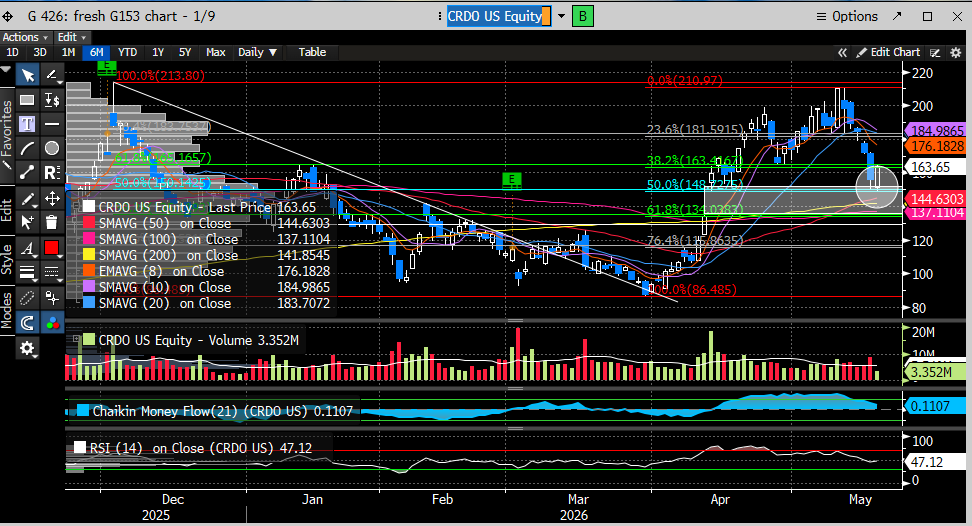
seeing some early signs of rotation back into momentum names.
$CRDO is leading the pack
This is happening while SW stocks are leaking
erratic mkt
$IWM
#stocks#SPX#stockmarket#investing#trading
$ES
$QQQ
$SPY
$TNX
$RSP
#DeMark
$SPX king node tap, usually price drifts away if we tap early in the session, decent support under QQQ and SPX, upper exposure lit up still on SPY and QQQ. Mean reversion of SPY and QQQ king node on the books. Still risky as the map way too messy but that's the read from me for now.