I'm asking you to urgently help the Jason Becker Creative Care Project, which I co-founded, give the gift of care and support to others with ALS who are trying desperately to stay alive and at home against terrible odds. Donate: Link in the comments!
Removing protection for Mexican wolves as AZ Rep. Gosar proposes could reverse decades of work. We’re on the cusp of an American wildlife success story, like the bald eagle or American alligator. It would be extremely unfortunate if Congress interferes. https://t.co/iKLHpRc4fc
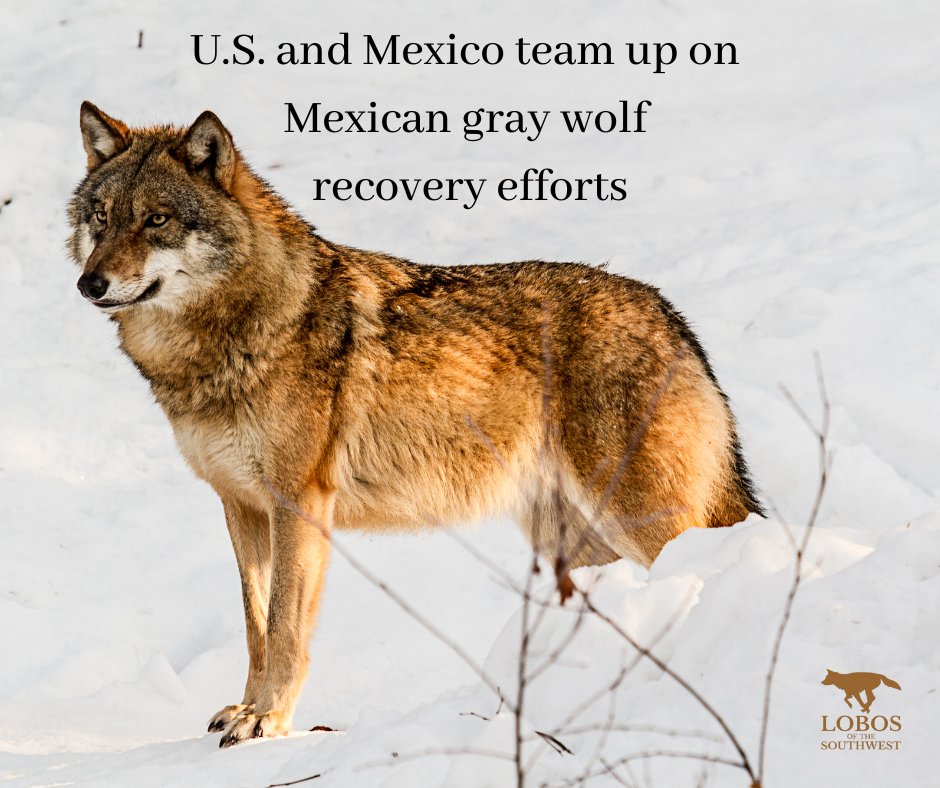
#DYK: Mexican gray wolves were wiped out in the U.S. by the mid-1970s, with just a handful existing in zoos?
In 1998, USFWS released 11 wolves back into the wild. As of 2025, the latest official count is at 286 wolves!
➡️ https://t.co/NAvSNsL5yh #WildlifeWednesday#LoboWeek
Full Super Moon 4:28 PM EST/1:28 PM PST–Taurus Moon/Scorpio Sun alongside the Leonid Meteor Shower that peaks on the 17th, signaling change for the better. Courage, creativity, leadership, and passion along with the desire to “clean out” and “clear up” – release and let go.
BREAKING: We are disappointed in the disastrous House Interior appropriations proposal that is riddled with an immense number of riders that severely undermine the lifesaving protections of the Endangered Species Act.
Read our statement. https://t.co/0mjoXdPxWW
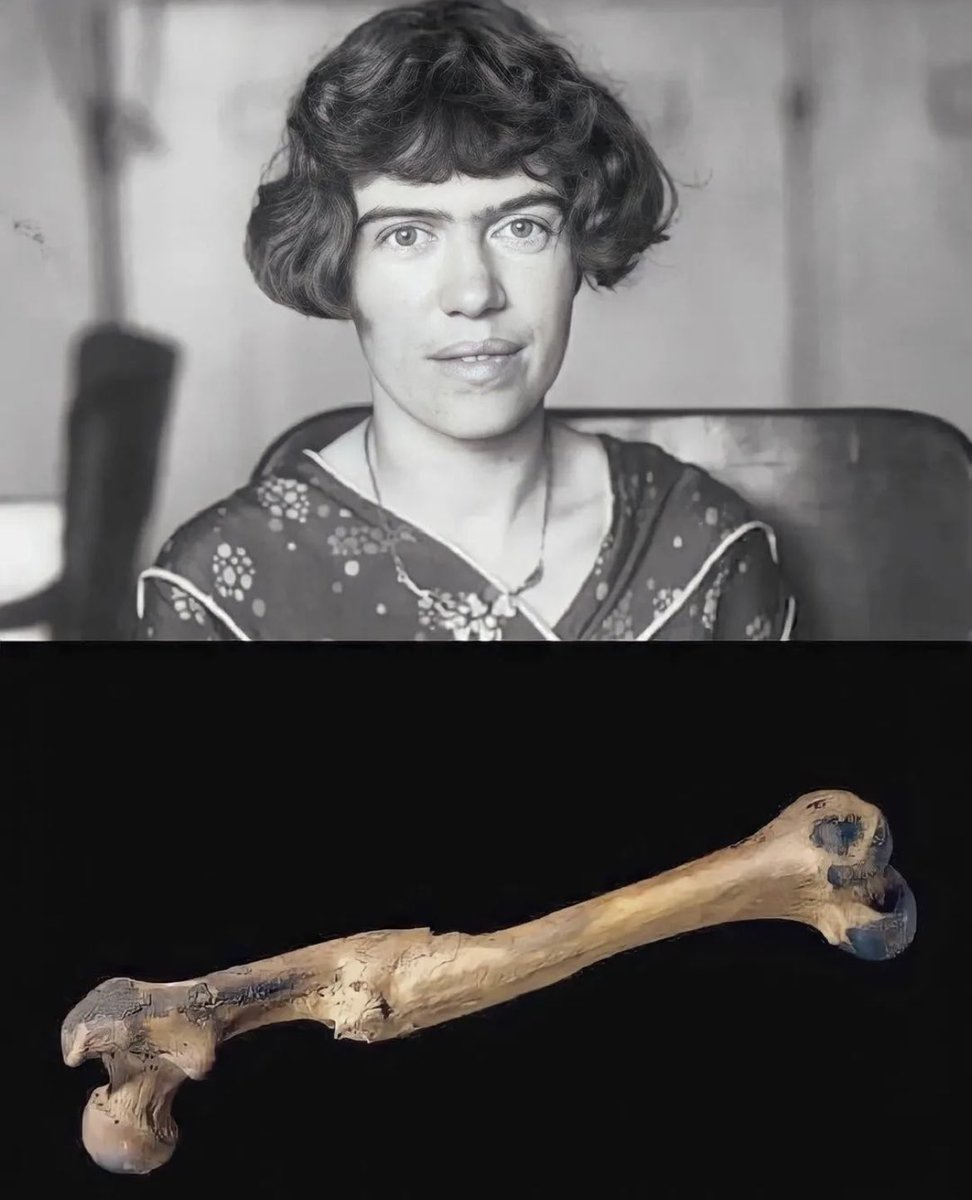
The concept of civilization is often associated with various tangible artifacts and advancements, such as tools, architecture, or systems of governance. However, anthropologist Margaret Mead presented a different perspective when she was asked about the first sign of civilization in a culture. Rather than focusing on material objects, she emphasized the significance of a healed femur bone.
In Mead's view, the animal kingdom provides a stark contrast to human civilization. When an animal breaks its leg, survival becomes nearly impossible. The inability to escape from danger, access water, or procure food renders the injured animal vulnerable to predators. Consequently, no animal lives long enough for a broken leg to heal naturally. Thus, the healing of a femur bone is a profound indication of civilization.
Why is a healed femur bone considered the first sign of civilization? Mead's explanation lies in the collective care and empathy demonstrated by a community. When someone breaks their leg, it is a moment of extreme vulnerability and danger. However, if the injured individual receives aid and support from others, they can overcome this critical period.
The act of caring for someone with a broken leg requires time, compassion, and a sense of responsibility towards others. Mead suggests that the healing process involves multiple steps. First, someone must have witnessed the accident and recognized the injured person's distress. Then, they would have provided immediate assistance, possibly by binding the wound and ensuring the person's safety. Finally, they would have stayed by their side, offering ongoing care and support during the recovery period.
By highlighting the significance of collective care, Mead emphasizes that civilization begins with the recognition of the suffering of others and the willingness to help. It is through acts of compassion and support that a community establishes its foundations of empathy, cooperation, and social cohesion. The healing of a broken femur, symbolizing the survival and recovery of an individual within a community, reflects the values and actions that underpin a civilized society.
Mead's perspective challenges the notion that civilization is solely determined by material progress or technological advancements. While such developments are undoubtedly important, they are built upon a deeper foundation of human connection and mutual aid. The healing of a broken femur bone serves as a metaphor for the care and support that individuals provide to one another, promoting the well-being and progress of society as a whole.
In conclusion, Margaret Mead's unconventional response to the question about the first sign of civilization reminds us of the fundamental importance of collective care. Civilization, she argues, is not solely defined by tangible artifacts or structures but by the empathy and support extended to those in need. The healing of a broken femur bone represents the compassion and responsibility that underpin a civilized society, highlighting the significance of human connection and mutual aid in fostering progress and well-being.
One of the cornerstones of our mission is research, so we're excited to be working with graduate students from @ucdavis in collaboration with @oakzoo on a research project investigating captive #graywolves. You can help support the project:
https://t.co/6kiFReFjNr
Certain species of birds can master the skill of mimicking, reproducing the sounds exposed to in their environment. 🪶 sound up! 🔊
https://t.co/dACYMLJXLx
For over four decades, the U.S. and Mexican governments have worked to recover the population of endangered Mexican gray wolves. Much work remains to achieve long-term conservation: https://t.co/tZCoXhYWbO
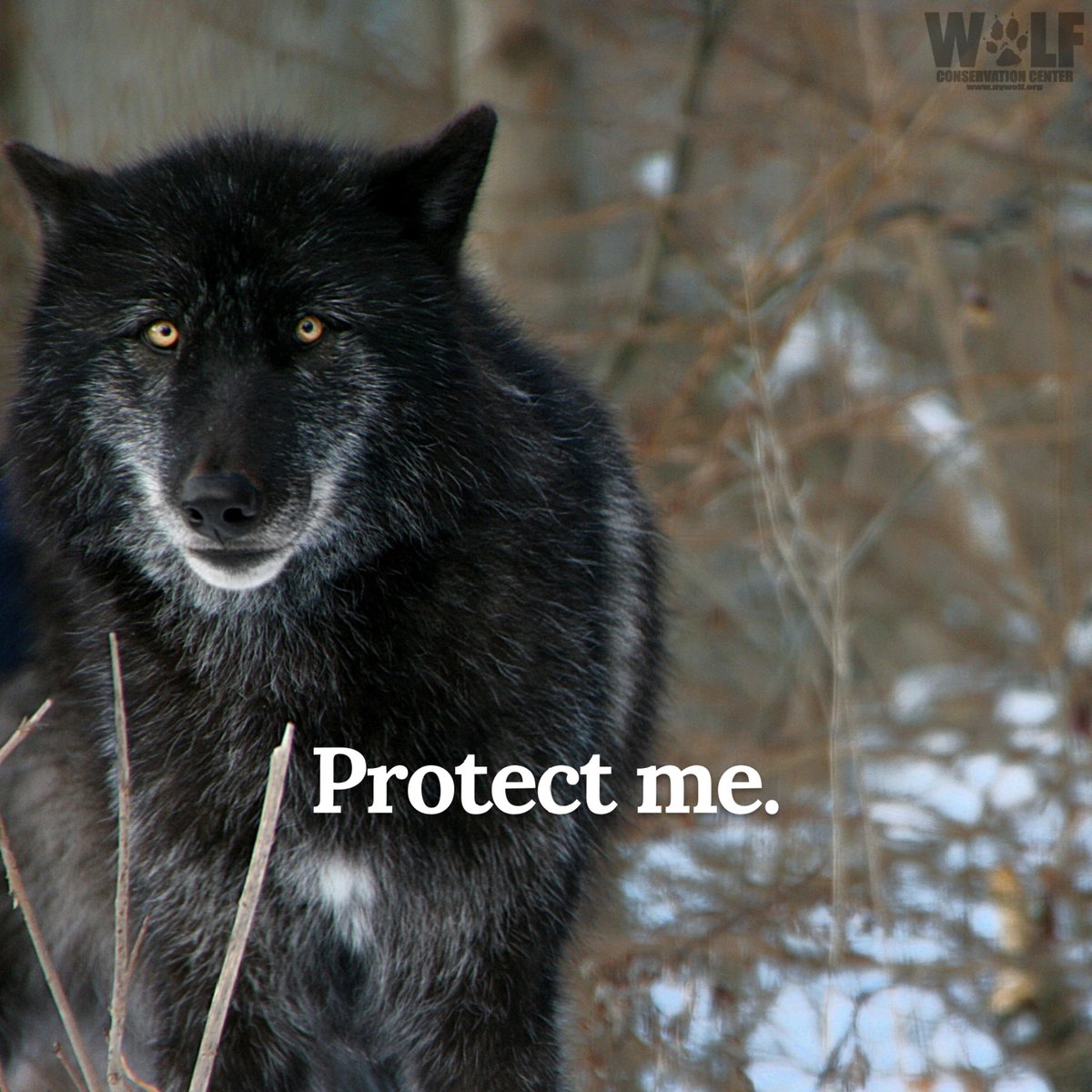
95 wolves have been killed so far in MT's controversial hunt.
These wolves, so carelessly slaughtered for fun, have immense value to their families + ecosystems.
Call on the @Interior to immediately enact an emergency listing of wolves in the N. Rockies→ https://t.co/ioDuOVQEck
@PromedicaSrCare Maybe if your people at #manorcareruxton gave patients their mail they wouldn't be depressed. I just got my package returned from 2 YEARS AGO. #FAIL#elderneglect