Coffee consumption linked to healthier body composition and metabolic markers. People with higher coffee consumption had lower total and visceral fat and greater skeletal muscle mass. In men, it is linked to a more favourable glucose–insulin profile, and higher bioavailable testosterone.
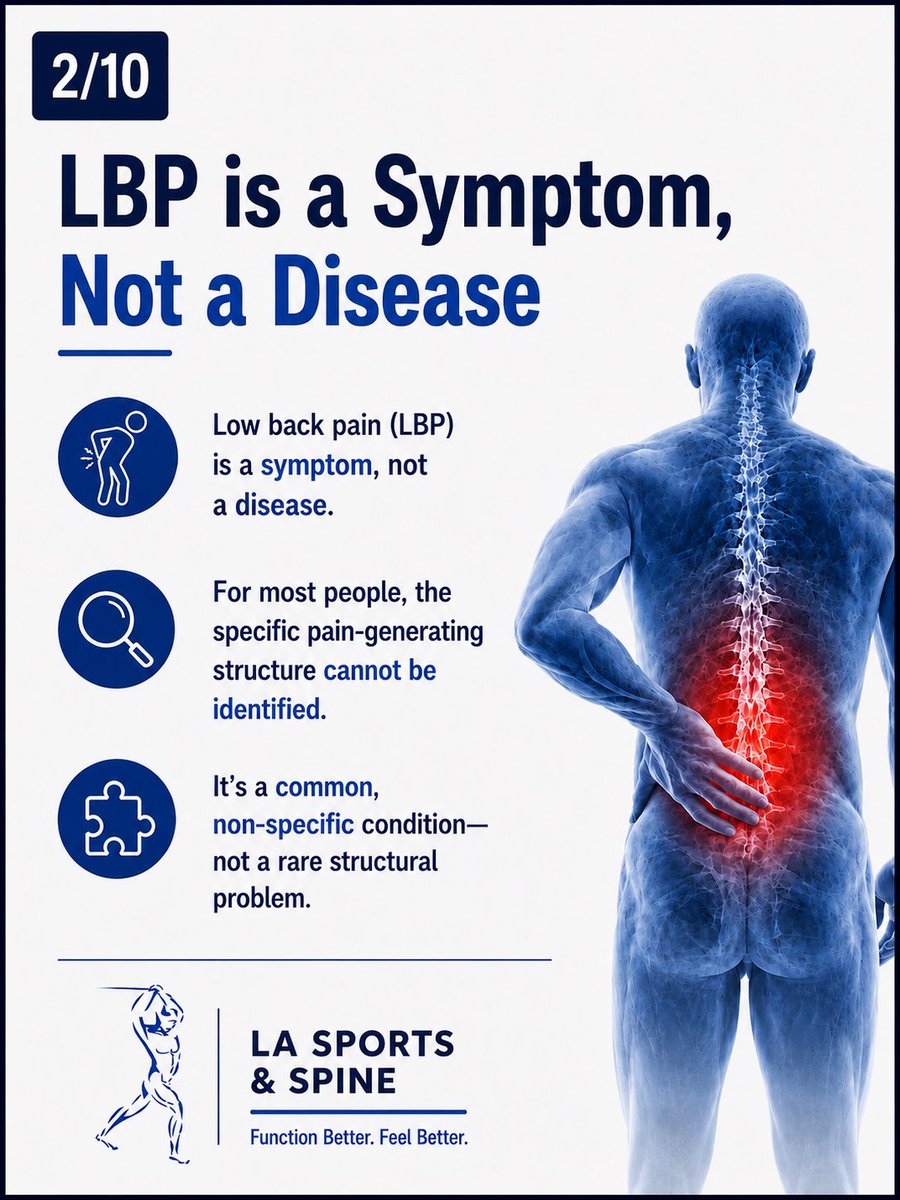
“A major challenge will be to stop the use of harmful practices while ensuring access to effective and affordable health care for people with low back pain.”
Lancet Series on low back pain @janhartvigsen1234
https://t.co/hROBQyThBs
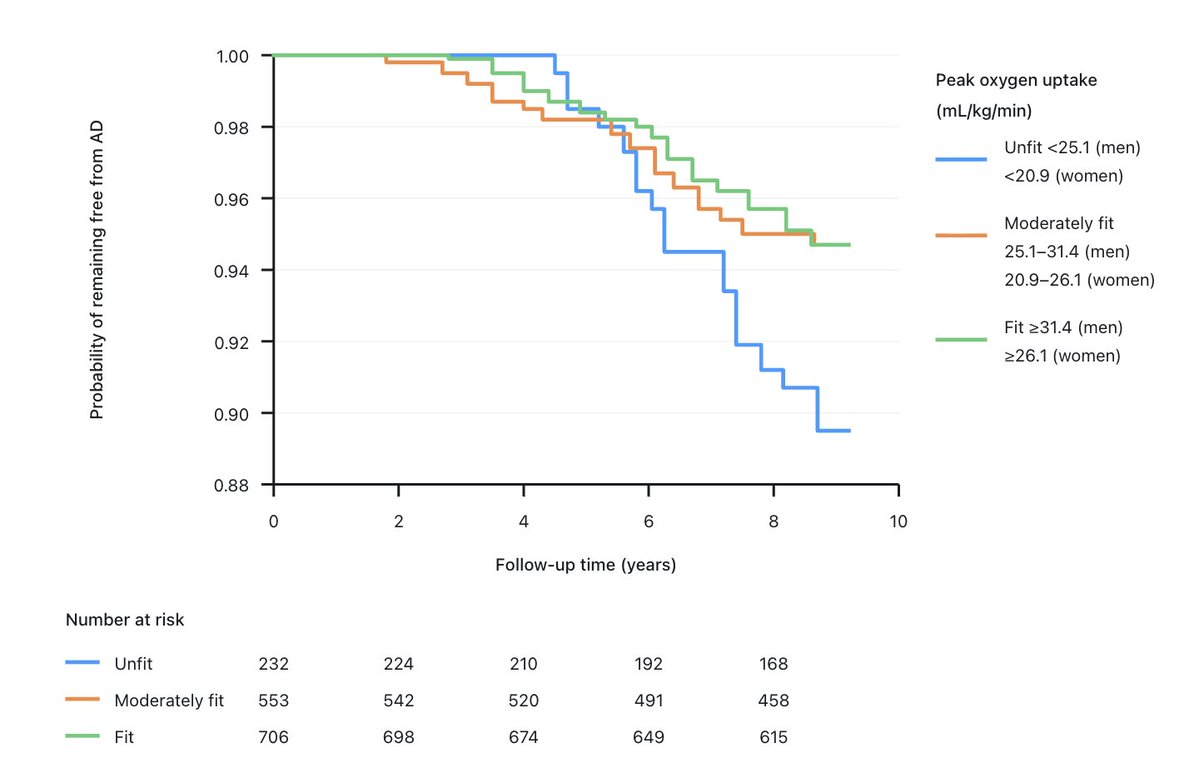
Higher aerobic fitness is associated with a lower Alzheimer's risk.
Moderately fit and fit adults had a 46% and 48% lower risk of developing Alzheimer’s, respectively, and every 1 mL/kg/min higher VO₂ peak was associated with a 4% lower risk.
Remaining above 80% of the sex-specific average VO₂ peak (25.1 for men and 20.9 for women) was associated with a substantially lower risk.
*Among adults aged 70-77
Effects of High-Intensity Interval Training on Cardiovascular Health: An Umbrella Review of Systematic Reviews and Meta-analyses
https://t.co/LTDGF7w3KY
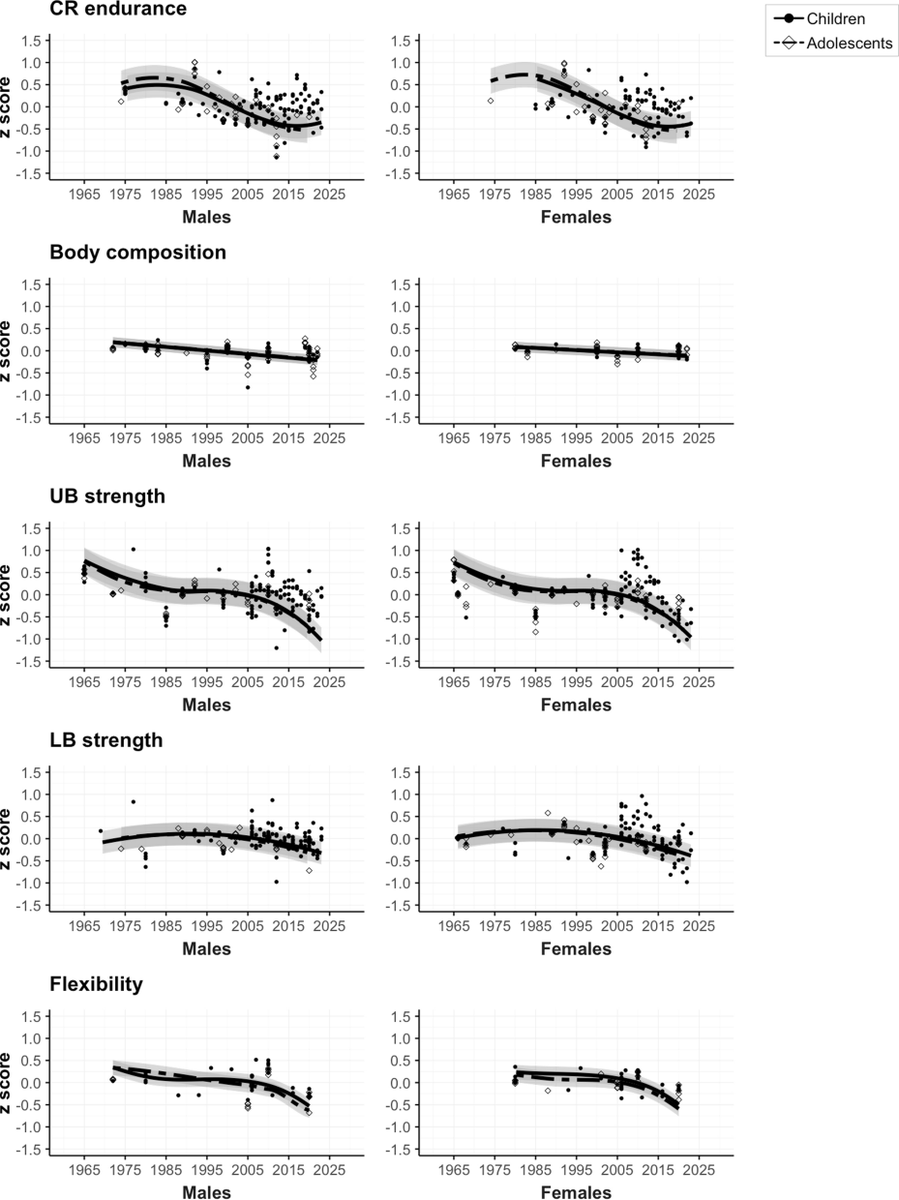
🚨 ¿Son las nuevas generaciones físicamente más débiles?
📉 En Europa, una revisión con 417.362 niños/as y adolescentes muestra descensos en fuerza muscular y flexibilidad, junto con un empeoramiento de la composición corporal: más adiposidad🧒👧
https://t.co/GjKPx5T7Xd
Mechanical tension appears to be the primary driver of muscle hypertrophy.
📚current evidence suggests that high tension within muscle fibers is the key stimulus triggering growth.
Train for progression, not soreness
https://t.co/0uiCPwAhTL
For years, my colleague, Prof. Martin Gibala, and I have appeared on literally hundreds of podcasts. Today, we dropped our own podcast! As lifetime faculty members of the McMaster Department of Kinesiology, we thought it was time for our take on reality in the world of exercise, nutrition, health, and more.
The Podcast is Real Exercise Science, and you can pick it up on all your favourite platforms.
The goal? Real science, not hype. Not fluff, not the latest paper, but evidence, with scientific humility. But reality means disappointment sometimes. That stuff you heard about protein, lifting, Zone 2, peptides, GLP-1... It's often more than the data shows, extrapolation, overstatement, or downright wrong.
Hard facts, no hype!
Episode 1 dropped today https://t.co/ekPprWMkYn and featured a chat about the updated American College of Sports Medicine position stand in honour of day 1 of the ACSM annual meeting in Salt Lake City!
I'm in Salt Lake City with Marty, and you can hear an amazing update on the position stand https://t.co/uG9pWYdQf9
Wednesday, May 27, 3:15-4:45 MDT - see you there.
🫀 Salud
EULAR 2025 lo deja claro, en artritis y artrosis, el movimiento es parte del tratamiento🚶♀️💪:
✅ Moverse es seguro
✅ Sentarse menos también cuenta
✅ Fuerza, cardio, flexibilidad y equilibrio importan
✅ Adaptado a cada persona
https://t.co/r4HtdGjMzr
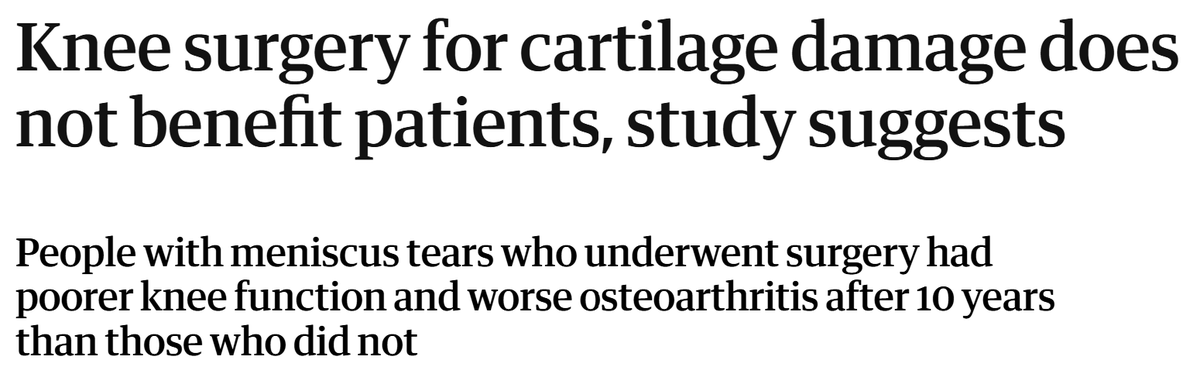
Many years ago I hurt my knee playing sports. I was referred to the orthopedist for one of the local pro teams. After keeping me waiting for 2.5 hours, he diagnosed a cartilage tear and recommended surgery. I was so mad at his manner and tardiness I left without scheduling.
The next week I got a second opinion from a much younger doc who was likely more current on the recent medical literature. He looked at the same MRI. He said he could do surgery now but his advice was to wait 30 days and see if it healed on its own. It did.
Medical reversal is when a practice that became widely used is later shown to be ineffective or even harmful. Examples like meniscus surgery show the need to keep gathering evidence. A not immaterial part of the practice of modern medicine doesn't improve health, and may be net harmful.
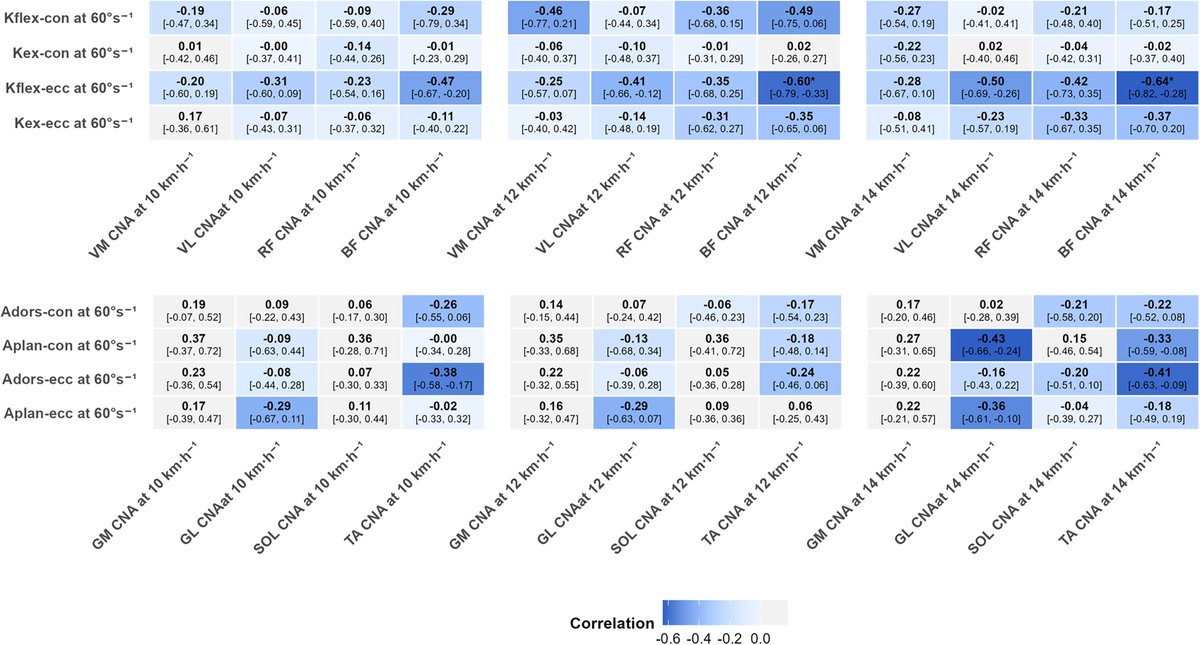
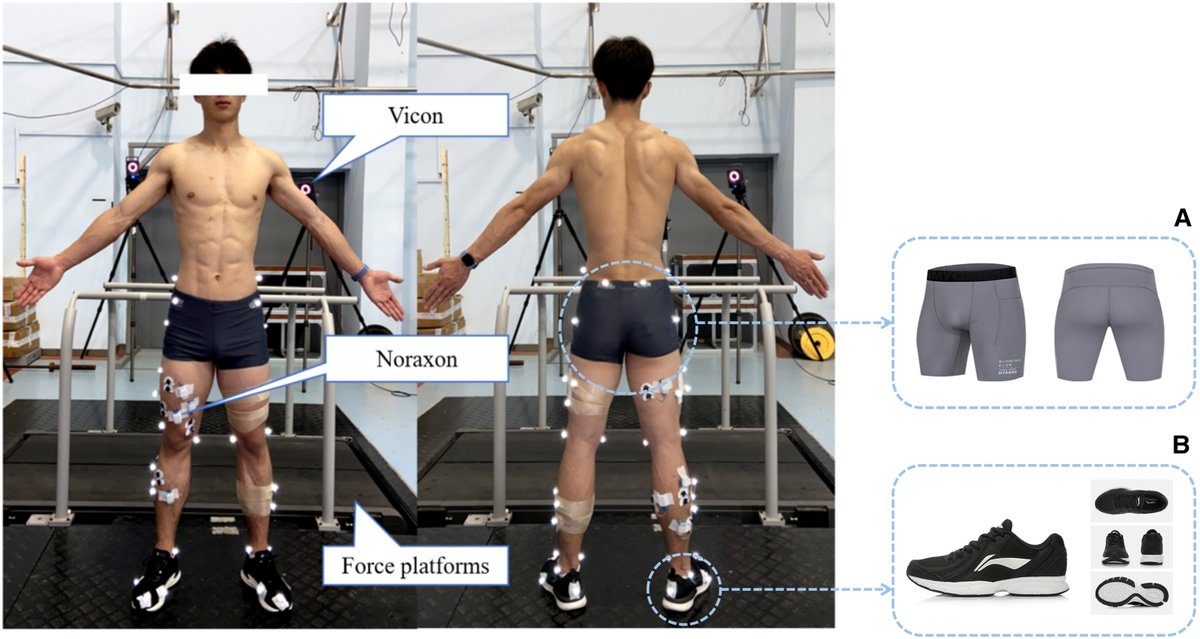
New paper led by Qin Zhang where we show that runners with greater muscle strength show lower muscle activation during running
Mechanistically, hypertrophy enhances a fibers’ force capacity, thereby decreasing the need to recruit motor units
Full-text
https://t.co/iT3tnd4mjJ
This paper examines heart rate recovery (HRR) and its link to metabolic recovery after exercise. Faster HRR correlates with lower lipid metabolite levels, particularly after vigorous cycling.
https://t.co/J4mYs8jDby
A common bodybuilding strategy is to perform a single-joint exercise for a given muscle group immediately before a multi-joint exercise that targets the same muscle group. The rationale is that pre-fatiguing the target muscle may allow it to receive greater stimulation during the subsequent compound movement before fatigue in assisting muscles limits the set.
For example, during the squat the spinal erectors often become the limiting factor, fatiguing before the quadriceps. By first performing leg extensions to pre-fatigue the quads, the quadriceps may be pushed closer to their limit during the squat before the erectors fatigue and terminate the set.
Our recently published study put this theory to the test. We randomized 41 resistance-trained individuals to perform either a pre-exhaust protocol (leg extension → squat and leg curl → RDL) or a traditional straight-set protocol using the same exercises over 8 weeks.
Results showed similar improvements in strength and muscle power between groups. Interestingly, hypertrophy was slightly greater with the traditional protocol, possibly due to the substantially higher volume load accumulated during traditional training. On the other hand, the pre-exhaust approach was more time-efficient, reducing workout duration by about 36%.
Bottom line: Contrary to popular belief, pre-exhaust training does not enhance muscle growth and may even slightly compromise results. It’s a good reminder that what seems logical in theory doesn’t always translate into better outcomes in practice. 💪
https://t.co/bEzG25zUG9