1/ Thari communities organized a protest on 5th of June to demand restoration of their lands and water supplies, as well as ensuring the rights of communities are protected. Their demands include:
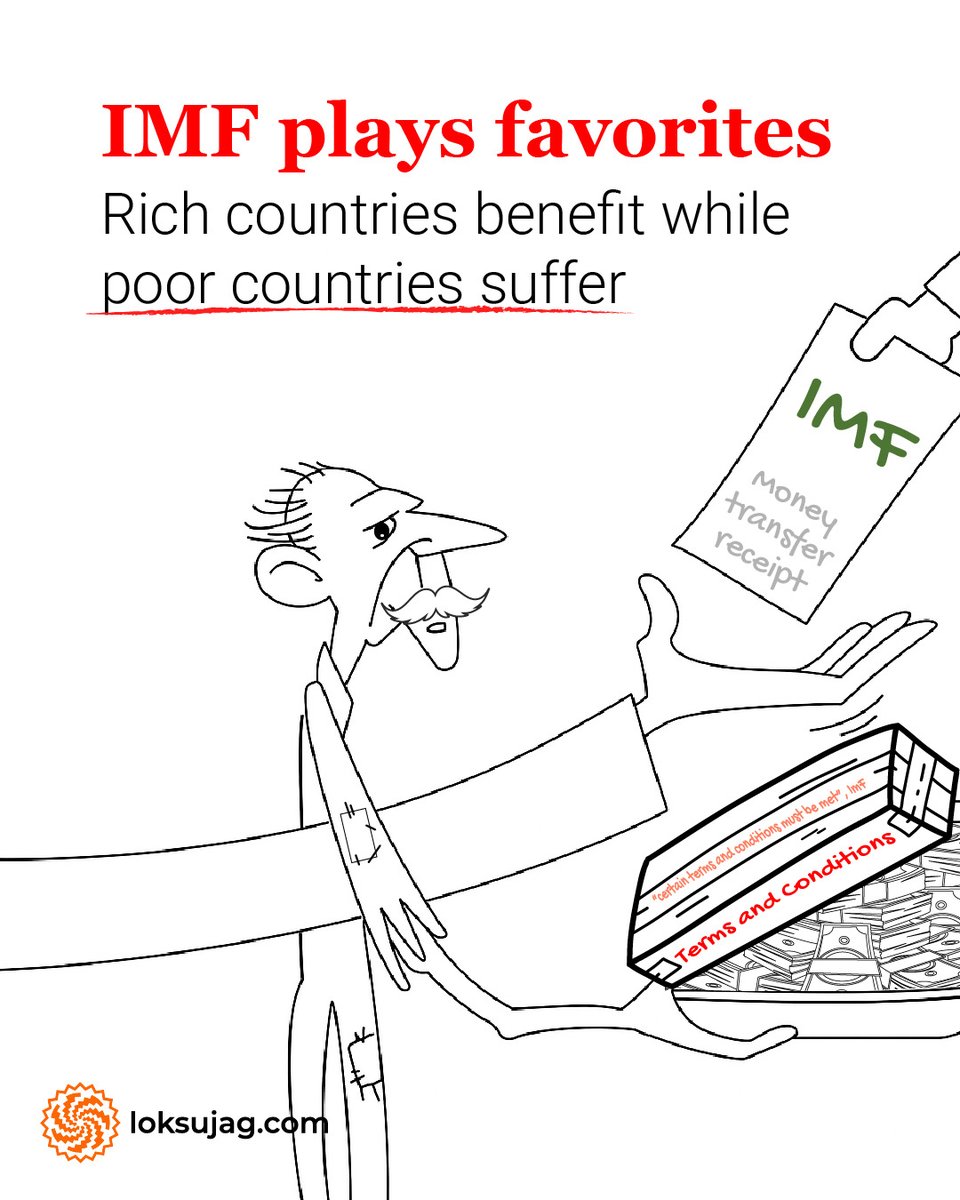
@IMFNews -mandated austerity requires that the government increase revenue through
tax hikes, subsidy removals, and levies that reduce spending on development
This creates a crowding out effect that takes money away from initiatives necessary for growth and towards debt repayment
The data shows a disconnect between the IMF's model compared to on-the-ground assessments, creating a dangerous planning deficit
Even the IMF’s understated numbers imply 85–110 % debt-to-GDP, yet the Fund offers no financing plan except to raise taxes and borrow more.
Penalising Efficiency, Raising Costs: How IMF-backed conditions hurt industry in Pakistan
The IMF took away gas subsidies and imposed a “grid-transition levy”
The aim of this tax → to force factories to buy electricity from the grid.
@IMFNews@LokSujag
The combined impact of Solar taxes, Gas levies, and Tariff hikes has shrunk energy choices for the industry and is forcing firms to either move to cheaper and dirtier fuels, or to move out of Pakistan altogether.
Pakistan’s debt-first austerity framework means no fiscal room in disaster years. This delays reconstruction & protective works. Every flood erodes infrastructure & livelihoods, but IMF policy demands more repayment & less rebuilding, leaving the country weaker each time
The IMF is undercounting Pakistan’s climate needs. It estimates adaptation at $18.7b over 5 years. Pakistan’s Climate Ministry & World Bank say it's $152b by 2030—6x higher. Even by its own numbers, the IMF admits climate action would push Pakistan's debt to unsustainable levels