We are a group of over 200 Yale faculty members dedicated to promote the active contributions of our members to the mission and core values of Yale University.
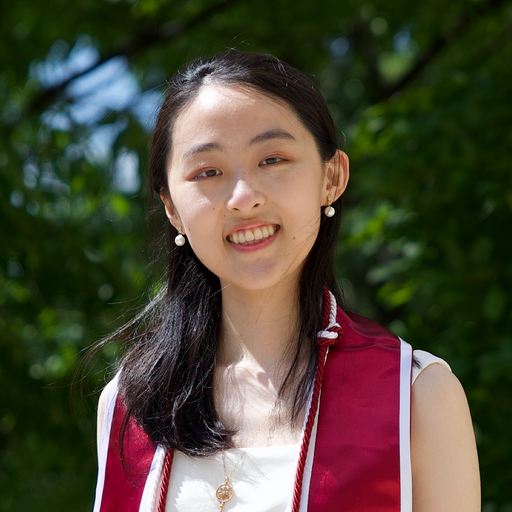
The Federation of Asian Professor Associations (FAPA) calls for the immediate release of Princeton PhD Student Eva Yi Xie on humanitarian grounds. https://t.co/gxhn3a8B4r
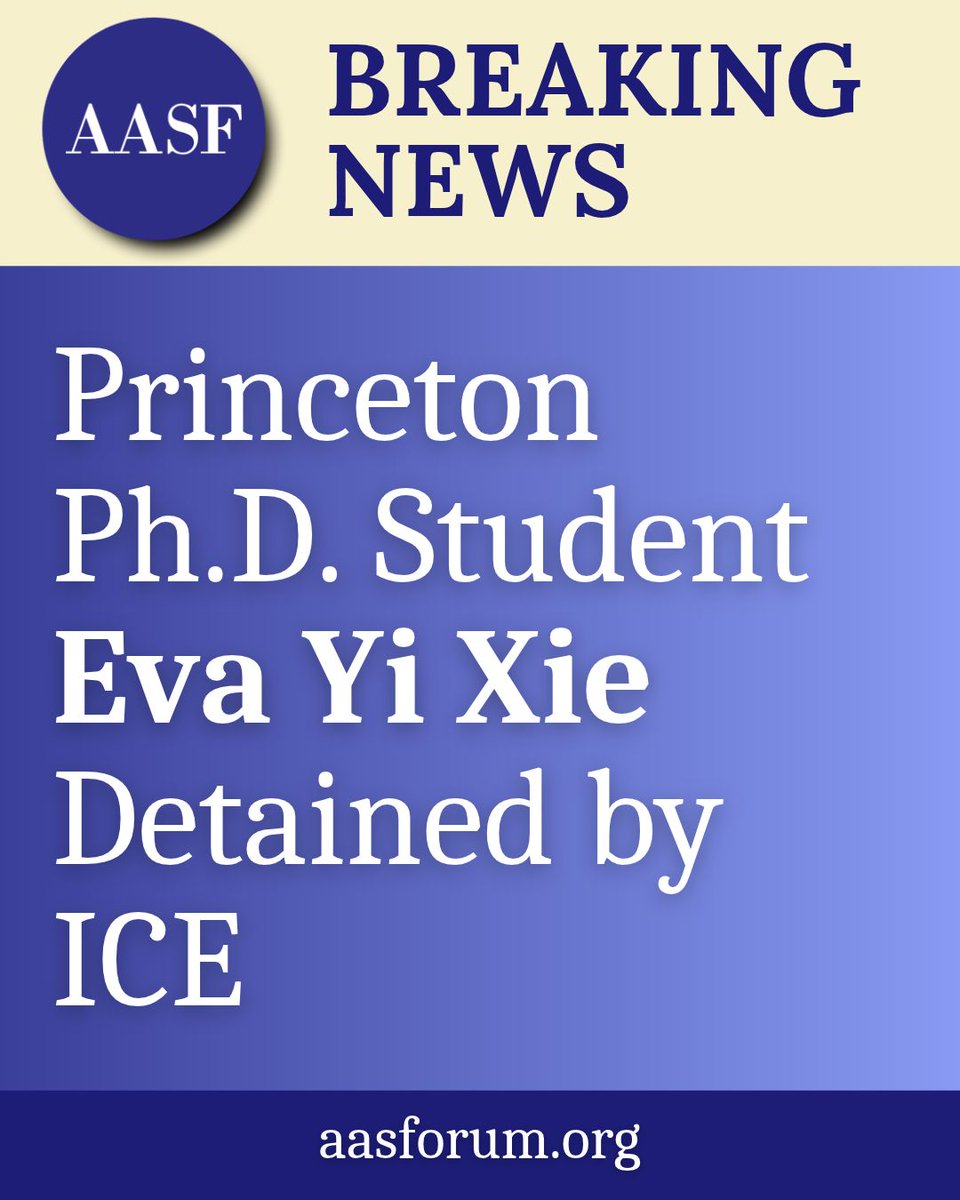
🚨 BREAKING NEWS: Asian American Scholar Forum Raises Concerns Over ICE Detention of Princeton Ph.D. Student Eva Yi Xie.
Read our full press release: https://t.co/QAT8iES63T
Statement from Dean of the Graduate School Rodney Priestley about third-year graduate student Yi (Eva) Xie, who has been detained by federal immigration authorities:
"News of Eva’s detention is distressing for me and many members of the Princeton University community. The University has arranged for Eva to be represented by legal counsel, and we will remain in contact with her legal team, her family, and colleagues to provide support. We hope Eva will soon be able to resume her studies at Princeton."
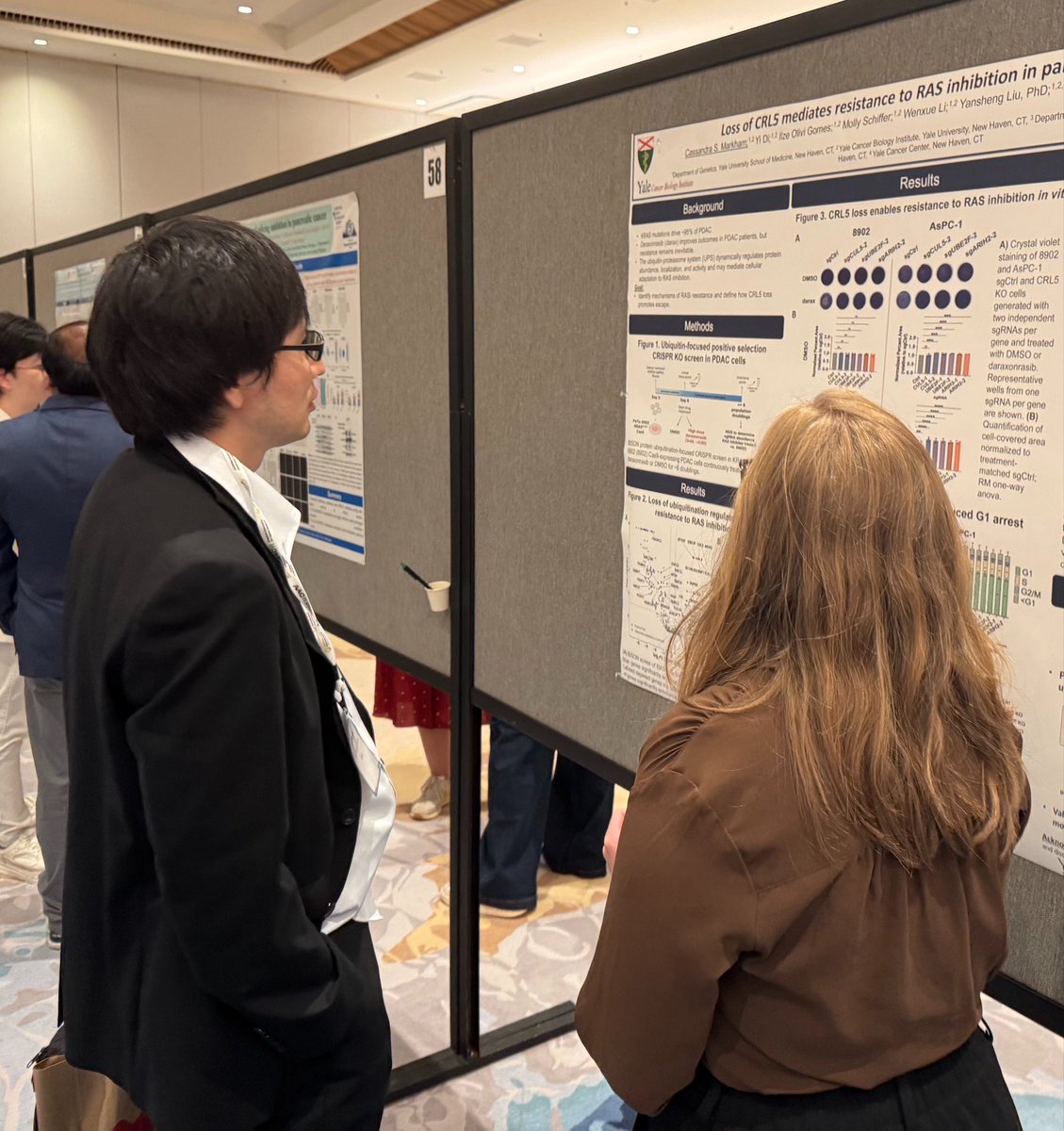
Our colleague Eva Yi Xie, a Princeton neuroscience PhD student, was detained by ICE at Reagan National Airport on her way home from SfN, where she’d just presented her poster. She’s being held in Chantilly, VA. Please help us bring her home. 📷
Another kidnapping: Princeton neuroscience Ph.D. student Eva Yi Xie, who came from China in 2016 and graduated from MIT, was abducted by ICE at an airport near D.C. right after presenting her research at a neuroscience conference.
Adviser Carlos Brody: “It is cruel, and it is our country shooting itself in the foot.” If they can grab a @Princeton Ph.D. at an airport, NO ONE is safe. This must stop now.
https://t.co/jhDlLX28Z1 #ICE #Princeton #EvaXie #Immigration #Neuroscience #HigherEd
Honored to host Dr. Ibrahim Cissé, Director of Max Planck Institute of Immunobiology and Epigenetics during his invited seminar visit to @YaleGenetics@YaleMed. Thank you Dr. Cissé for sharing with us your groundbreaking works and for the inspiring discussions with our colleagues and trainees!
@LilyQiMaryland@UofMaryland Moderated by UMD Professor Min Wu, this book talk explores leadership, identity, and finding your voice.
📅 Nov. 16 | 12–1:30 PM ET
📍 UMD College Park + livestream
🍱 Free lunch + book raffle for early in-person attendees!
Register: https://t.co/Yq1uSR4DIr
Join Maryland State Delegate and author @LilyQiMaryland on November 16 at @UofMaryland for the AASF DMV Regional Forum!
Hear her personal stories, career insights, and lessons on leadership, perseverance, and navigating the immigrant experience.
Join award-winning journalist, MS NOW anchor, and filmmaker @RichardLui on Nov. 16 at @UofMaryland for the AASF DMV Regional Forum!
Hear career insights and how storytelling can challenge perspectives, build understanding, and inspire change.
#DMVEvents#MarylandEvents
Glad to share our latest publication in @naturemethods: Nondisruptive 3D profiling of combinations of epigenetic marks in single cells.
Epigenetic states and 3D chromatin folding are critical regulators of many genomic functions. While these mechanisms are known to be closely interlinked, studying their relationship remains challenging due to technical limitations. Sequencing-based single-cell or spatial histone modification profiling techniques often suffer from low sequencing read count per cell or per spatial spot, limiting gene-locus-specific analyses at the single-cell level. A recent imaging-based method termed epigenomic MERFISH (Cell 2022) enabled single-cell in situ histone modification profiling in a locus-specific manner with high genomic resolution (~2 kb). However, epigenomic MERFISH is limited to profiling only one epigenetic mark at a time, performs poorly when profiling repressive mark, and as we show in this work, disrupts the 3D genome thus prohibiting 3D genome co-profiling.
To address these limitations, we developed Epigenetic Proximity Hybridization Reaction (Epi-PHR), an imaging-based technology that represents the first epigenetic profiling method that:
🧬1) can simultaneously profile more than one histone modification and chromatin associated protein at numerous genomic loci with high genomic resolution,
🧬2) is non-disruptive and retains 3D chromatin architecture, and
🧬3) inherently provides single-cell, single-copy and in situ information.
We first demonstrated Epi-PHR's sensitivity at small genomic targets of 2 kb. We further showcased multiplexed Epi-PHR to profile combinations of epigenetic marks (including both active and repressive marks) at 200 genes in the same single cells in culture and tissue. Finally, we developed allelic Epi-PHR and combined it with fine-scale chromatin tracing to simultaneously profile epigenetic state and chromatin folding at the same genomic target with parent-of-origin specificity, generating the first single-cell phased examination of histone mark deposition and 3D genome architecture at an imprinted locus by any technique.
In the study of the imprinted locus, surprisingly we found among the maternal copies of this locus, the relationship between the histone mark and a chromatin domain boundary is opposite to what one would expect. This insight cannot be derived from existing bulk allele-specific CUT&RUN and Hi-C approaches. Our unexpected finding was uniquely enabled by allelic Epi-PHR combined with chromatin tracing.
We expect Epi-PHR will find broad application in diverse biomedical contexts. This work was co-led by Dr. Yanbo Chen, Dr. Jonathan Radda, and Dr. Myles Alderman III, and was done in collaboration with my @YaleGenetics colleague Professor Andrew Xiao. Thank you all my co-authors for your contributions to this work!
Link to paper: https://t.co/iXoPN8D8lr
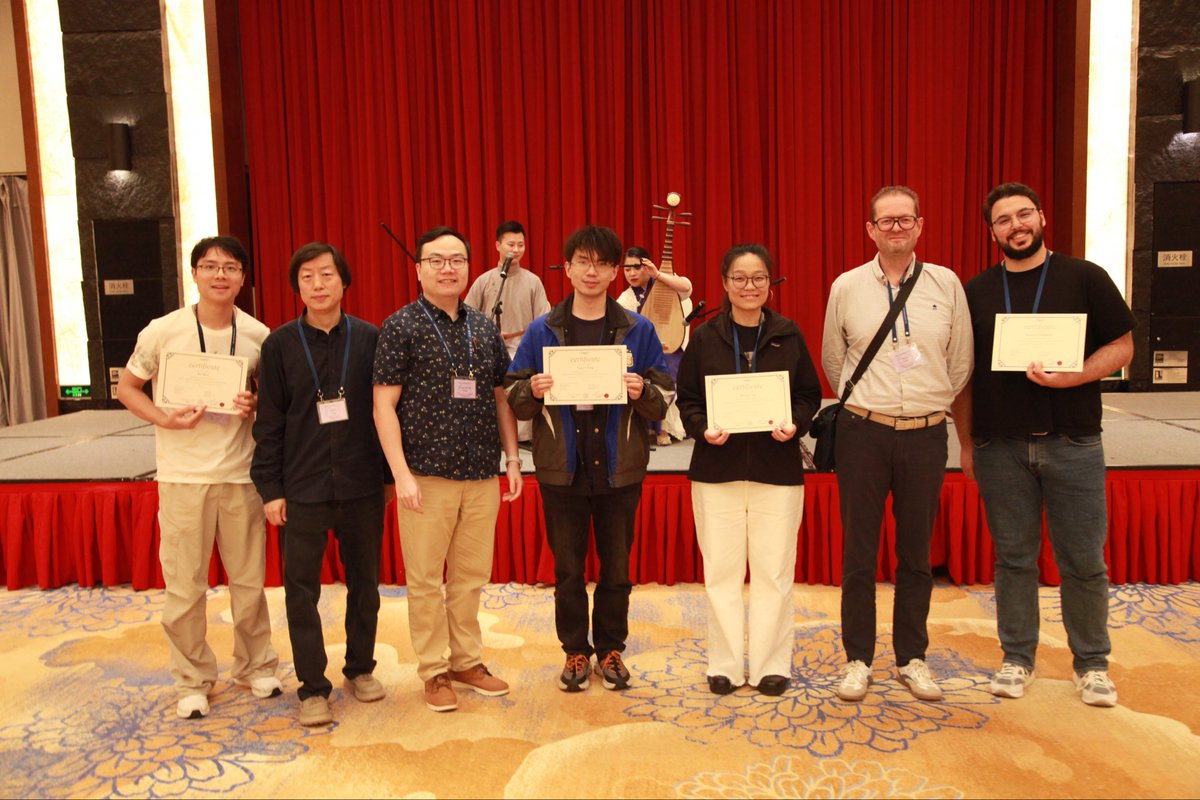
Thank you Professor Fuchou Tang for inviting me to co-organize the Cold Spring Harbor Asia Meeting on the “Frontiers in Single-Cell and Spatial Omics” together with Professor Woong-Yang Park and Professor Thierry Voet. Such a pleasure. Congratulations to all poster award winners! See you all next time!
“He agrees with critics that the China Initiative damaged the reputations of many innocent scientists and “deterred good people from coming to the U.S.” But he also thinks it “has helped the country more than it has hurt the country by deterring bad people from coming here … and making the country safer.” And he strongly defends the government’s tactics.”
China Initiative destroyed the lives of many innocent scientists and led to the death of the innocent Professor Jane Wu.
I wonder whether Dao and other @RiceUniversity leadership similarly defend the Japanese American internment camps during WW2, which imprisoned all Japanese Americans with 1/16 Japanese heritage, children under 10, seniors above 70, and people with disabilities, since the camps likely deterred spying activities.
A foundermental issue of the infamous China Initiative is its “punish-first-until-proven-innocent” approach. This immoral and un-american approach was not addressed by Dao in this report. Innocent Chinese American scientists should not be considered and treated as “necessary sacrifices” for any purpose, and be subject to such injustice.
By the way, claiming that FBI agents know better about how the world works is completely false. One piece of false evidence against Professor Anming Hu was a wrong translation FBI generated using Google Translate. In Professor Franklin Tao’s case, the procecutor argued in court “who would work for free?” We academics work for free all the time in routine academic activities. What FBI and Dao call “facts” are questionable. They are just common blokes too.
After China Initiative, Dao landed the likely much better paid position of Associate Vice President of research security at Rice University. Such great career incentive for FBI agents to start the next China Initiative, regardless of the many innocent lives destroyed.
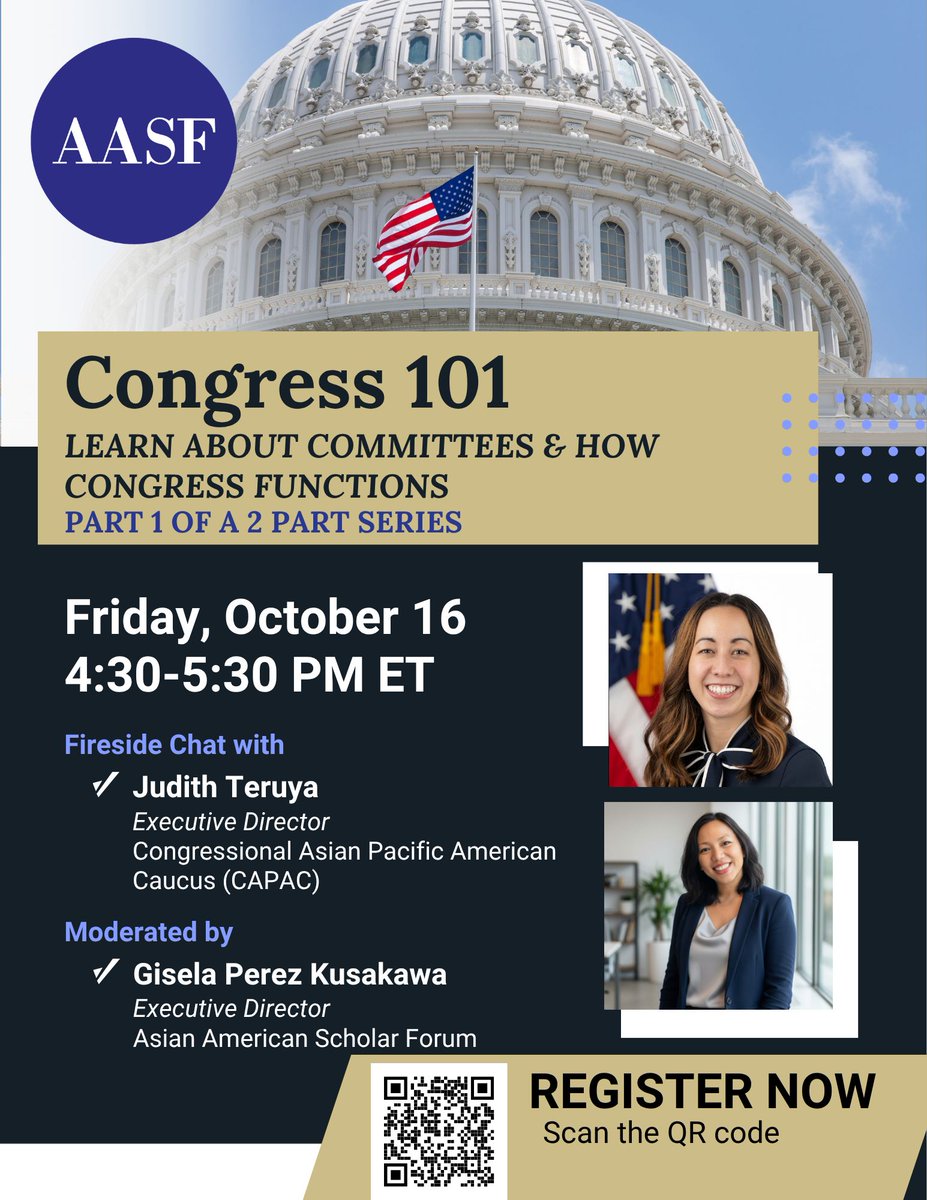
Join a fireside chat with @CAPAC Executive Director @judith_ateruya, moderated by AASF Executive Director @GKusakawa. Learn how Congress makes decisions and how scientists can engage with policymakers.
Register: https://t.co/EyueFWVrU0
#SciencePolicy#Congress
Excited to share our new Expert View in Vita! We explore lineage plasticity as a cellular “time machine”: how cancer cells rewind developmental programs to escape therapy, and how this could help us identify the next key regulator of lineage plasticity. https://t.co/wNTlp41zEw
Join the Asian American Scholar Forum for Congress 101, the first in a two-part webinar series exploring how Congress works and how federal decisions impact U.S. science and research.
📅 Friday, October 16
⏰ 4:30–5:30 PM ET
https://t.co/EyueFWVrU0
#SciencePolicy#Congress
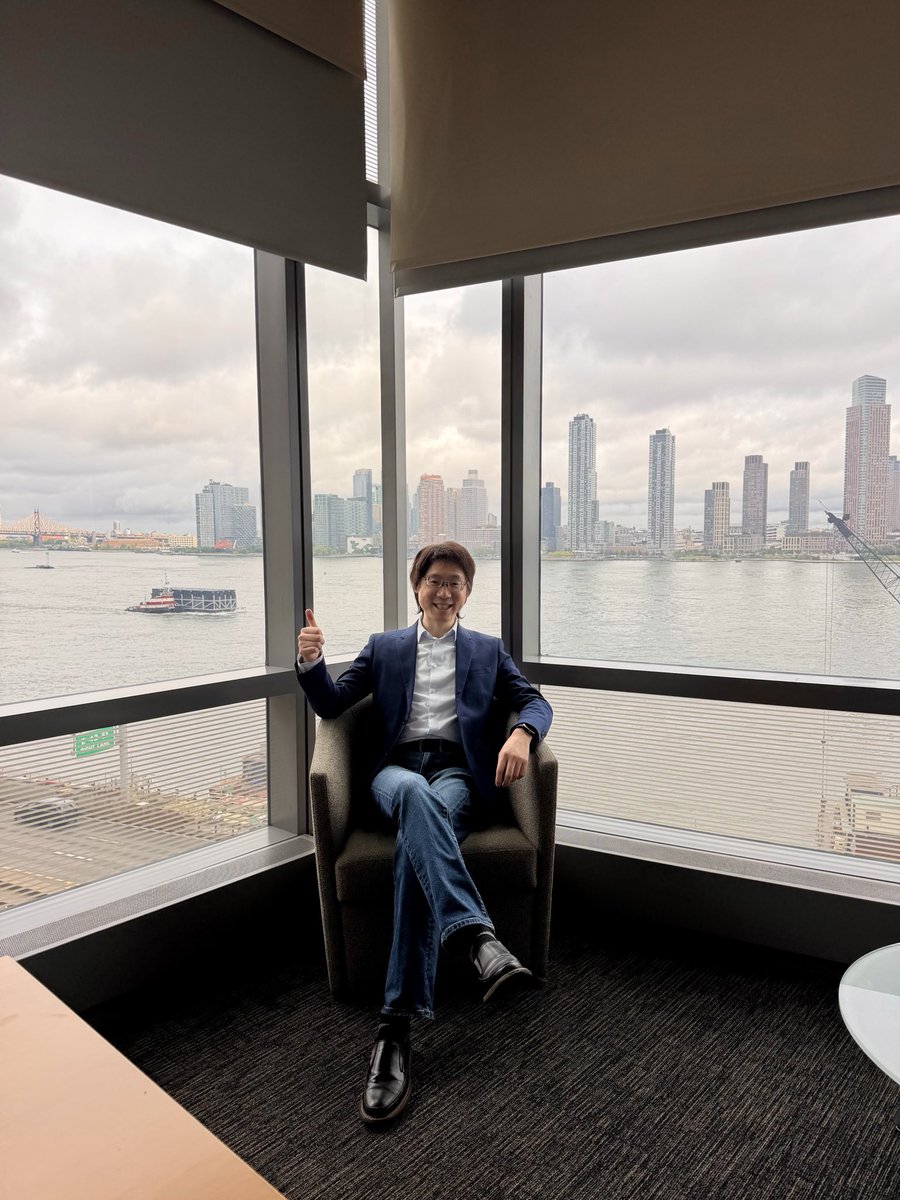
Thank you so much for the invitation!! It was such a great pleasure visiting NYU Pathology. I truly enjoyed all the meetings and stimulating discussions, always accompanied by that amazing panaromic East River view! 🤩