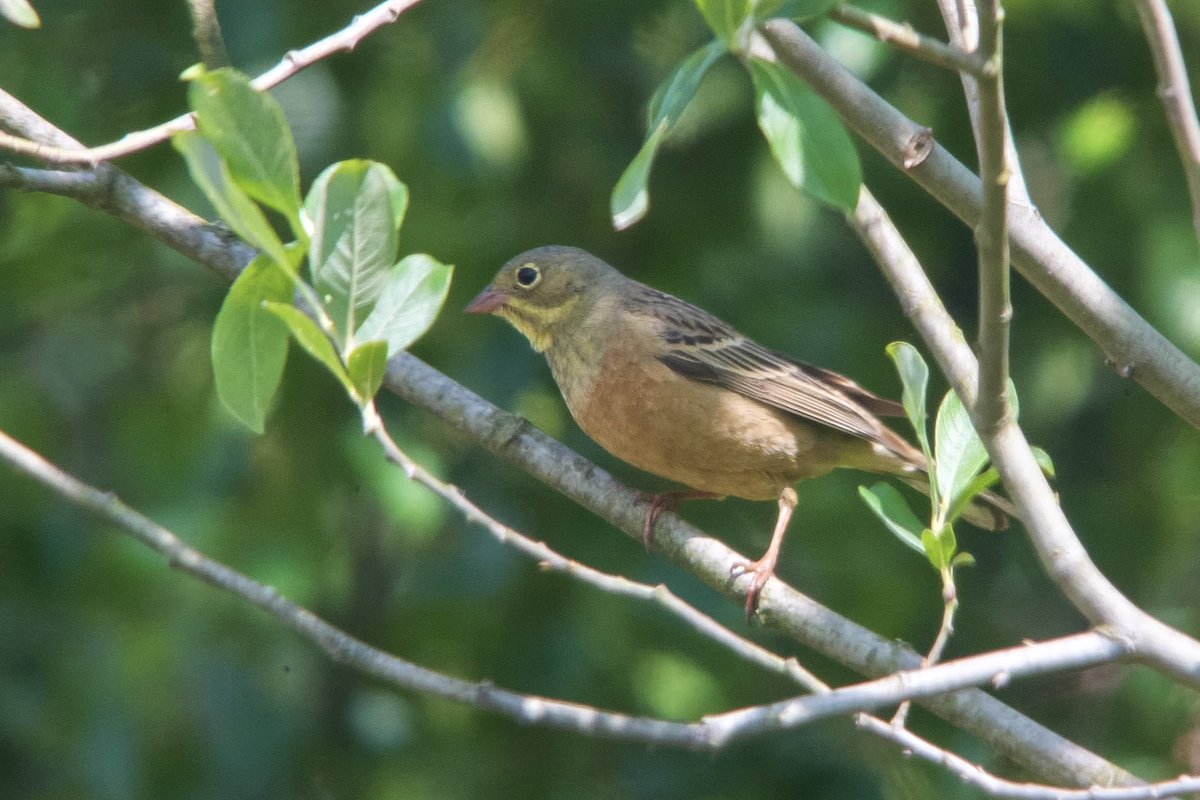
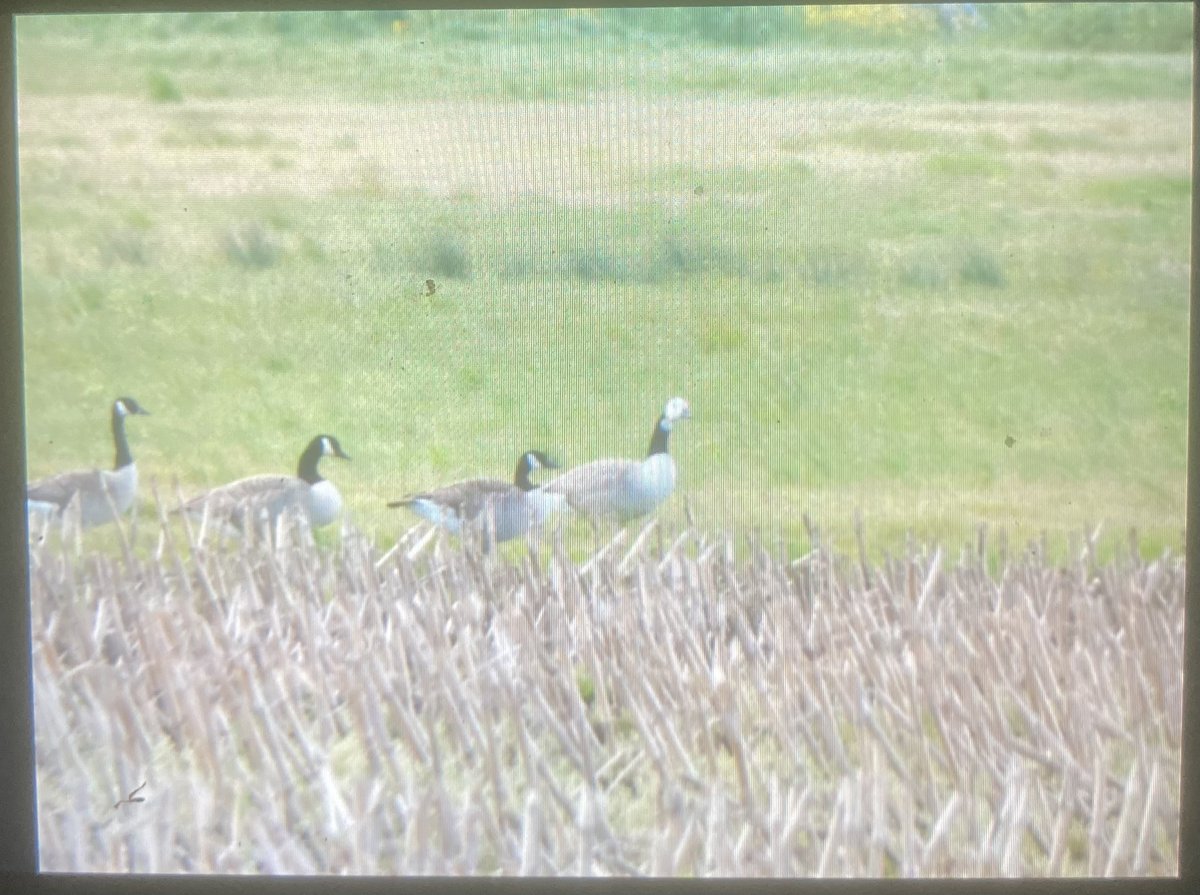
Female Ortolan Wykeham Forest, seen copulating with a Male Yellowhammer at least twice, Phonescoped videograb @RareBirdAlertUK@BirdGuides Phonescoped Videograb cropped
A century ago Ortolans were commoner than Yellowhammers in some areas around Oslo. Declines started in the 50s and a nest I found 2 years ago may well be the last ever of this species in Norway. This year there is only 1 known singing and seemingly unpaired male, and here he is.
@SteveOnHilbre@SeanOHa19117792@AllanConlin It can only be a matter of time before one is recorded by keen nocmiggers. The call is distinctive, as shown by this bird with Common Scoters in Sweden: https://t.co/YutCa6Ei7H
Andrew Birch's (@LALABirding) and my paper on separating silent Willow and Alder Flycatchers just came out in Western Birds. Hundreds of hours spent analyzing specimens in museums and thousands in the field. A hint of what's to come in Volume 3 of Flycatchers of North America.
https://t.co/VuEnKWGJQX
We are delighted to announce that Alex Penn is our new Head of Ornithology and Jonnie Fisk is the new Hospitality Manager. Both Alex and Jonnie will take up their posts in early spring and we look forward to working with them as the Observatory reopens.
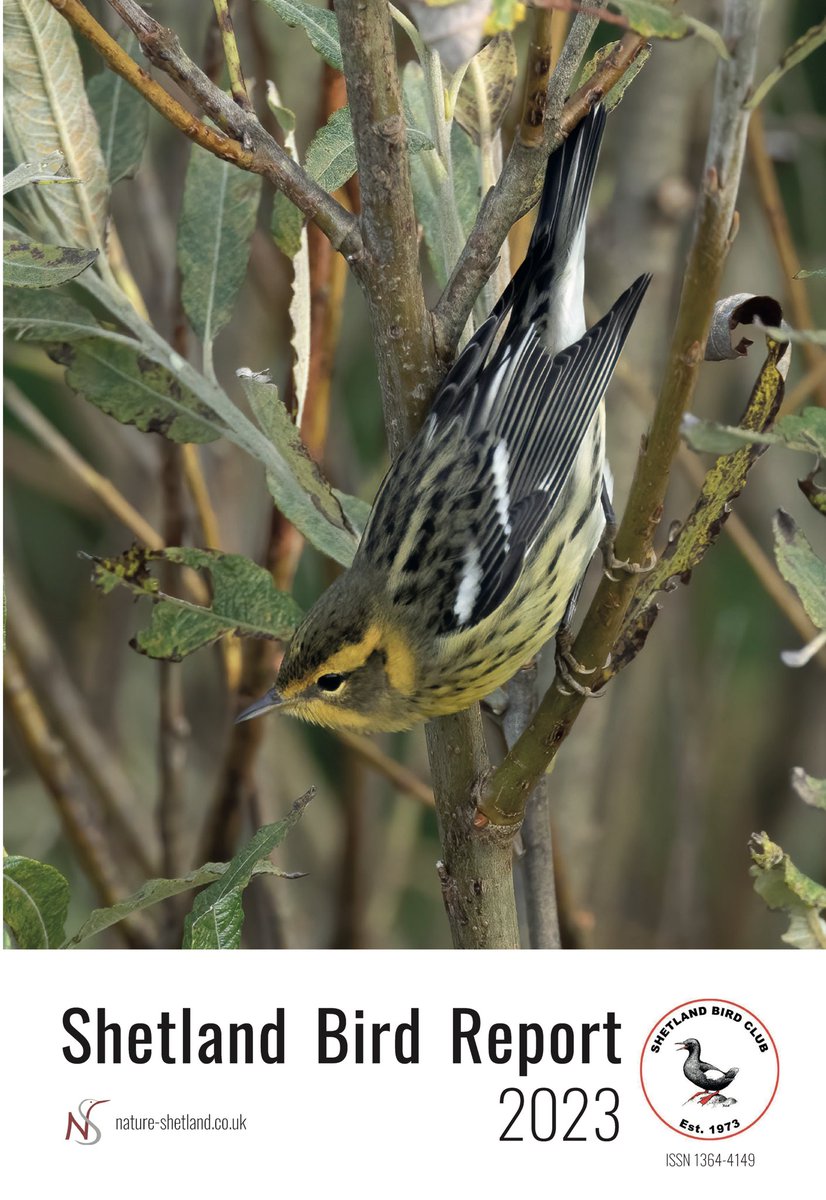
The much anticipated Shetland Bird Report 2023 is now out! Members of the Shetland Bird Club have received or will receive their copies over the next few days. Orders now being taken, please specify 2022 or 2023 report when ordering: https://t.co/z3Hc5kHSBd
Visual identification of male American Wigeon and Eurasian Wigeon hybrids has been discussed in some detail (e.g. Harrop 1994, Gillham & Gillham 1996, 2002, Jiguet 1999, Votier et al. 2003, Reeber 2015), the vocalisations of these hybrids are poorly known. https://t.co/k8JgIfWGUI
It’s horrible, but true. The ethereal, enigmatic Slender-billed Curlew has been eradicated. We are to blame. My blog below. @CurlewAction @CurlewLIFE https://t.co/c2O6HcIRPl
My hot take that people look to rule out the possibility of the Scarlet Tanager being a potential escape - based solely on these images below and a vague location seems to be causing a meltdown for some on Birdforum. So here's some more thoughts 1/🧵
@LewisStuff Excellent work, though I was left wondering what you would have done if it hadn’t been seen again (or photographed) after CDRH confirmed it.
@jarpartridge @NiallMachin1 @pilning@WiWildlife It would be good to see more images, but if I saw that I'd be considering a hybrid with some Spot-billed (not Black Duck) genes. A wild origin is possible, but human agency might be more likely. Apologies if I've missed any other comments.
https://t.co/g1ALNTn8EE This bird currently in Devon looks remarkably similar to the one below which I photographed at Westhay Moor, Somerset, on 15 April - could it be the same bird? Plumage abnormalities are unusual in this species. @DevonBirds@somersetbirds
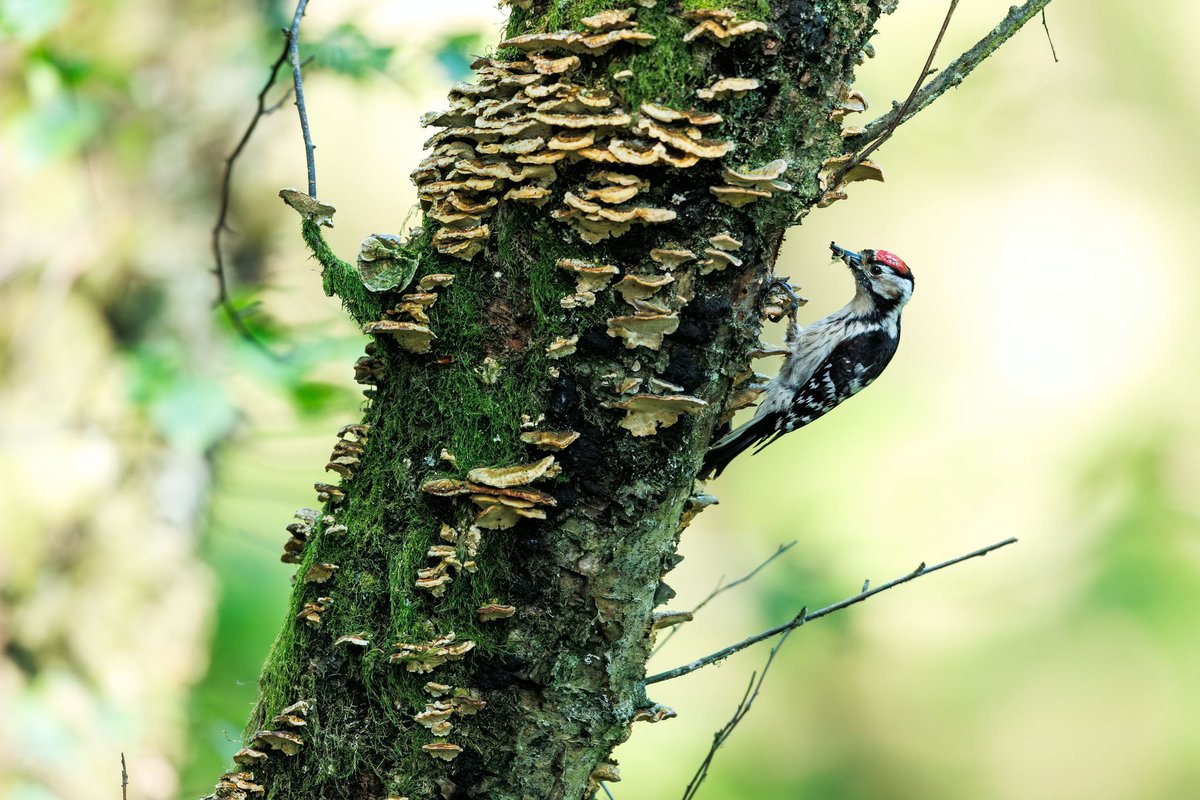
Sadly 2024 was one of the poorest breeding seasons for Lesser Spotted Woodpeckers since we started in 2015. Only 9 nests were found/monitored & on average only just over one young fledged per nest. This is probably not enough to sustain the population, see https://t.co/P4QZIjKgUK
The Yellow-browed Warbler rush continues - this morning I ringed another 2 at a site in Rutland, these are the 3rd & 4th I’ve ringed this autumn, a few years ago an unimaginable total for an inland site @LandRbirds@BeidaiheBirder@Lufbrabird87910@c4hub@PaulDufour80