🇺🇸 🇷🇺 NEWS: Polish PM Donald Tusk insists Europe won't let Washington or Moscow write new security rules "over our heads," after reports said the US sought a continental security proposal from Russia
Iran’s refusal to discuss its nuclear program before Washington accepts its ceasefire conditions remains a central obstacle to ending the war, the Associated Press reported Saturday.
Serious disagreements have emerged between President Donald Trump and Vice President JD Vance, Iranian lawmaker Farhad Bashiri told parliament’s ICANA news agency on Saturday.
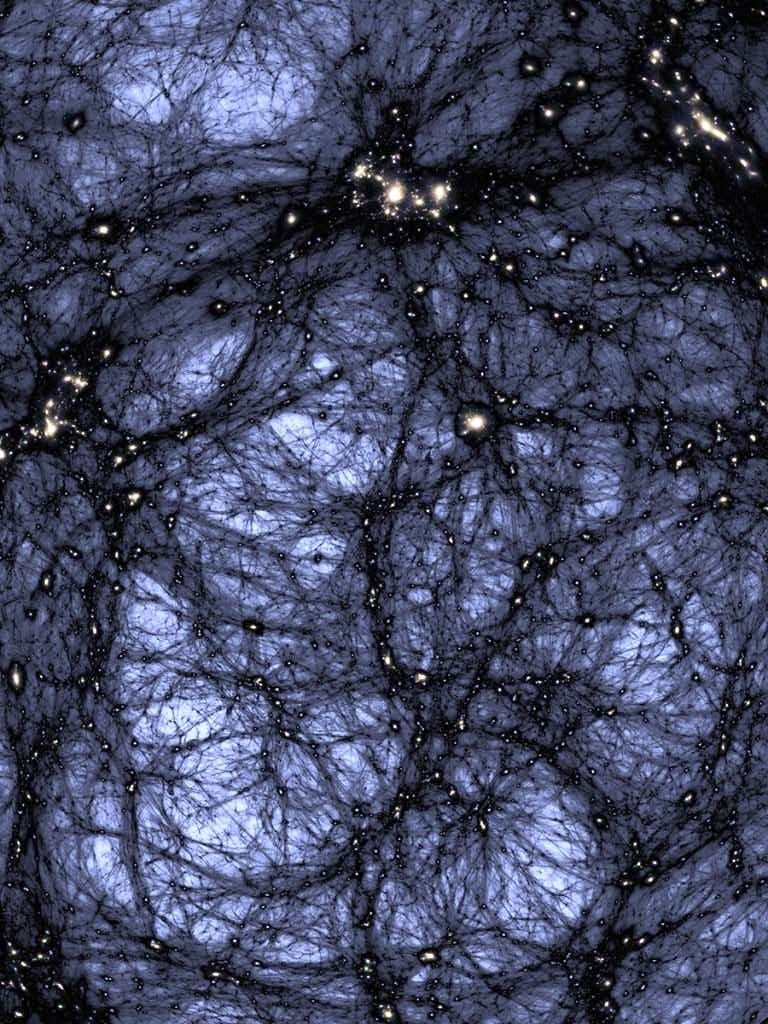
🚨: Evrenin derinliklerinde, binlerce galaksiye ev sahipliği yapması gerekirken neredeyse tamamen boş olan 330 milyon ışık yılı genişliğinde devasa bir karanlık var. Adı ise Boötes Boşluğu.
Dünyadan 700 milyon ışık yılı uzaktaki bu bölgede, istatistiksel olarak yaklaşık 2.000 galaksi bulunması gerekirken sadece 60 tanesi gözlemlenebildi. Eğer Samanyolu bu "Büyük Hiçlik"in merkezinde yer alsaydı, insanlık 1960'lara kadar evrende başka galaksilerin var olduğunu bile keşfedemeyecekti.
Kozmik bir karanlığın ortasında doğsaydık, evrenin yalnızca kendi galaksimizden ibaret olduğunu sanardık.
🚨☄️ BREAKING DOWN THE FLYBYS: SIX ASTEROIDS, FOUR INSIDE ONE LUNAR DISTANCE
🌍 NASA/JPL data reveals how close these small worlds passed Earth on November 11–12, 2026.
Live earth: https://t.co/6Ul2gIFNCp
▌│█║▌║█│▌│█║▌║█│▌
SPACETRACKER • ASTEROID REPORT
▌│█║▌║█│▌│█║▌║█│▌
🔎 THE CLOSEST: 2026 VQ11
An estimated 1.8–4.1 metres across, VQ11 passed approximately 31,453 km from Earth’s centre, roughly 25,082 km above the surface.
That is just 0.082 lunar distances.
Its relative speed at closest approach: 13.90 km/s, about 50,000 km/h.
🕒 Closest approach: November 11, approximately 15:13 UTC.
━━━━━━━━━━━━━━━━━━
📡 ALL SIX VERIFIED FLYBYS
━━━━━━━━━━━━━━━━━━
All distances below are measured from Earth’s centre. Times are UTC, rounded to the nearest minute.
☄️ 2026 VR12
November 11 • 09:40 UTC
📍 109,693 km • 0.285 LD
💨 12.00 km/s
📏 Estimated diameter: 7.6–17.0 m
☄️ 2026 VY
November 11 • 10:29 UTC
📍 7.04 million km • 18.315 LD
💨 6.52 km/s
📏 Estimated diameter: 13.6–30.4 m
☄️ 2026 VS8
November 11 • 13:46 UTC
📍 294,714 km • 0.767 LD
💨 14.25 km/s
📏 Estimated diameter: 2.8–6.2 m
☄️ 2026 VQ11
November 11 • 15:13 UTC
📍 31,453 km • 0.082 LD
💨 13.90 km/s
📏 Estimated diameter: 1.8–4.1 m
☄️ 2026 VX1
November 11 • 15:18 UTC
📍 3.05 million km • 7.936 LD
💨 4.28 km/s
📏 Estimated diameter: 7.3–16.4 m
☄️ 2026 VC11
November 12 • 01:47 UTC
📍 118,512 km • 0.308 LD
💨 9.71 km/s
📏 Estimated diameter: 3.5–7.9 m
━━━━━━━━━━━━━━━━━━
🌙 WHAT “INSIDE LUNAR DISTANCE” MEANS
━━━━━━━━━━━━━━━━━━
One lunar distance is approximately 384,400 km.
Passing closer to Earth than that does not necessarily mean passing near the Moon. At VQ11’s closest approach to Earth, the Moon was still about 397,000 km away from the asteroid.
Similar flyby times also do not establish that these objects travelled together or share an origin.
━━━━━━━━━━━━━━━━━━
🎥 WATCH THE TRAJECTORIES
━━━━━━━━━━━━━━━━━━
SpaceTracker’s narrated reconstruction shows all six encounters using JPL coordinates, animated paths, UTC clocks, and scale bars.
Earth and Moon sizes share the main view’s distance scale. Asteroid markers are enlarged for visibility. Separate surface-detail views are clearly labelled.
These are reconstructed trajectories, not spacecraft footage.
🔬 All six are classified as Apollo near-Earth asteroids. Their listed sizes are brightness-based estimates using assumed reflectivity. Masses and detailed shapes remain unmeasured in the retrieved records, and orbital estimates can be revised.
Which surprises you more: the closest distance, the speed, or how small these objects are?
🌐 https://t.co/7Y1mPuUTIJ
Sources: NASA/JPL Small-Body Database, CNEOS close-approach data, and JPL Horizons.
Data retrieved November 13, 2026.
#Asteroid #NearEarthObjects #SpaceNews #Astronomy #NASA #JPL #CNEOS #PlanetaryScience #Earth #Moon #SpaceTracker
If you had $70,000 in Bitcoin, you never have to worry about cashflow another day in life
Here’s the strategy:
Treat your Bitcoin like real estate.
Borrow 30–40% against your BTC.
Deploy that capital into carefully selected DeFi pools earning trading fees.
Reinvest 50% of profits back into pools.
Use 40% to accumulate more BTC.
Reserve 10% to cover borrowing costs.
The goal? Generate cash flow while continuously increasing your Bitcoin holdings.
This is how I built my own DeFi flywheel to generate $4K–$8K/month while accumulating 0.6 BTC in just 6 months.
Want 1-on-1 help building your own flywheel?
Comment “DEFI” 👇
Arguably Ethereum is one of the worst things to happen to humanity. The amount of capital lost to hacks, human capital lost due to developing with suboptimal tooling and retail capital destroyed from longing the asset makes it a contender for the worst asset of all time.