رضا رکجان، از اعضای ناو دنا، که از کودکی در بهزیستی بزرگ شد و به دلیل شوق خدمت به کشور به ارتش پیوست، اکنون پیکر او در آبهای بینالمللی سرگردان است.
#ناو_دنا
A View from Tehran: Iran's Leadership Is Entering a New Phase But Not a New Direction
A. As Iran prepares for the post-Ali Khamenei era, it is worth examining the power dynamics emerging inside Tehran. Khamenei was the architect of the Islamic Republic's strategy of resistance for more than three decades, and only weeks after what Iranian leaders view as a war of survival against Israel and the United States, the system is beginning a new phase of adaptation.
B. It is still too early to draw definitive conclusions. The Islamic Republic is only at the beginning of what could be called its "3.0" phase. History offers a useful reminder: when Ali Khamenei himself became Supreme Leader in 1989, he was chosen largely because he was perceived as a compromise candidate rather than the strongest figure in the system.
C. Still, The emerging leadership appears likely to be more collective than under Khamenei. Mojtaba Khamenei is widely seen as first among equals, but not as an undisputed decision-maker like his father. For the first time since the 1979 Revolution, senior Islamic Revolutionary Guard Corps (IRGC) commanders are likely to play a much larger role not only in security affairs but also in shaping the Islamic Republic's broader strategic direction.
D. The current leadership seems relatively pragmatic, but that should not be mistaken for moderation. There appears to be broad agreement among the political and security elite that negotiations with the United States should continue, but only within the Islamic Republic's established red lines. The fact that even Mohammad Baqer Zolghadr, the secretary of the Supreme National Security Council, publicly endorsed the memorandum of understanding with Washington reflects that consensus.
E. At the same time, Tehran has not become more trusting of the United States. Quite the opposite. Iranian leaders continue to assume that Washington could return to military action if diplomacy fails. As a result, Iran is determined to preserve what it considers the strategic gains achieved during the recent conflict, particularly its expanded leverage in the Strait of Hormuz. From Tehran's perspective, control over Hormuz is no longer merely a military asset, it has become an ideological symbol of sovereignty and an essential pillar of deterrence. Likewise, Iran's nuclear program remains a non-negotiable bargaining chip. Tehran is unlikely to make meaningful nuclear concessions before reaching a comprehensive agreement with Washington.
F. Lebanon remains another major obstacle. Iran is unlikely to abandon its demand for a full Israeli withdrawal from southern Lebanon. Combined with the practical difficulties of maintaining continuous negotiations, this makes it unlikely that the current talks will conclude quickly. If both sides continue to see value in diplomacy, an extension of the negotiating process appears more likely than a rapid breakthrough.
G. Iran's willingness to pursue diplomacy is driven largely by economic necessity. The country's economy was under severe strain even before the recent war, and the conflict only deepened those challenges. The leadership increasingly appears to believe that a favorable agreement, one that provides economic relief while preserving Iran's strategic capabilities, would strengthen, rather than weaken, the long-term survival of the Islamic Republic.
H. Meanwhile, internal political tensions remain visible. The recent interruption of Parliament Speaker Mohammad Bagher Ghalibaf's televised interview highlighted underlying rivalries. Beyond personal competition, hardline factions such as Paydari continue to oppose diplomatic engagement. Supreme Leader Khamenei's reported effort to reassure critics, while backing President Masoud Pezeshkian after receiving guarantees about Iran's red lines, suggests an effort to manage these divisions rather than allow them to widen.
I. At the same time, Tehran continues preparing for the possibility of future confrontation. It is rebuilding military capabilities while deepening strategic cooperation with China, with Ghalibaf playing an increasingly prominent diplomatic role. The vacuum created by Ali Khamenei's departure has not destabilized the system, but the new leadership structure remains a work in progress.
The bottom line is that Iran's leadership wants to preserve negotiations with the United States, but not at the expense of what it considers its core strategic assets. That is likely to produce a prolonged negotiating process rather than a quick agreement. Although internal rivalries persist, there is broad consensus around a pragmatic strategy that combines diplomacy with deterrence. Mojtaba Khamenei appears to be the ultimate arbiter, but unlike his father, he is likely to govern through a more collective leadership whose contours are still taking shape.
#iran
250 سال از تاسیس ایالات متحده آمریکا گذشت، کشوری که از دل مبارزه با استعمار متولد شد و خود به استعمارگر بدل گشت.
آمریکا در بسیاری از امور «کشور اول» جهان است، هم در خوبی ها و هم در بدی ها.
آمریکا را باید آن جور که هست، شناخت و فهمید نه صرفا از طریق آمریکا پرستی یا آمریکا ستیزی.
حقوقدان و نظریهپرداز برجسته آفریقایی:
آمریکا تهدید کرد ایران را به «عصر حجر» میفرستد، اما در این تقابل بینیاش خونین شد و مشخص گشت کار به آن آسانی که تصور میکردند، نیست/سنای آمریکا رسماً اعتراف کرد: «نمیخواهیم رئیسجمهورمان به این جنگ ادامه دهد»؛ این یعنی جنگ طبق سناریوی طراحیشده پیش نرفت...
Honoured to be welcomed by Iranian national media and invited to share my perspective as a UK journalist reporting from the ground in Iran.
At a moment when global attention is focused on the country, it's a privilege to offer firsthand insight and contribute to a broader understanding of the events unfolding here.
More coverage to come from Tehran.
NYC mayor Zohran Mamdani is now the biggest headache for Trump 🔥
🇺🇸 Trump: "We officially cut funds for research and health subsidies. It’s not that important."
🇺🇸 Zohran: "You think city-run grocery stores and Medicare are impossible, but you spent $500 million a day to kill people in Iran and Lebanon was necessary?" 🔥
He just blew up Trump’s talking points in 2 seconds👏
شهرام همایون:
توجه ندارید. همین حرفی که آقای ونس زده که میخواستند ایران را لیبی کنند. ایران الان لیبی نشده. اما لیبی شده.
چهجوری لیبی نشده؟ بالاخره یه حاکمیتی، یه زوری، یه نظامی وجود داره که کنترل کرده مملکت رو. اما، تو خونه هر ایرانی که میری، لیبیه. خواهره داره به این خواهر فحش میده. برادره به پدر فحش میده. پدره به مادر فحش میده. همگی به همسایه فحش میدن. همسایه ها به هم فحش میدن.
چه خبرتونه؟! ما رو به جون هم انداختن؛ و این یعنی تجزیه فکری جامعه. تجزیه که فقط خاکی نیست.
و بعد هم تو پرچم شیر و خوشید دست بگیری، بعد فحش خواهرمادر بدی؟! مگه میشه؟! بعدم بگیری پرچم مقدس؟ نفهمیدم. پرچم مقدس گرفتی، هموطن خودتو بهش توهین کنی. حالا هموطنت یه جو دیگه فکر میکنه. خب بکنه.
فکر هم نکنین این اتفاقیه ها! نه.
ملیاردها روش سرمایهگذاری شده. که من و تو به جون هم بیافتیم.
تیم ملی که ملی نیست. پتروشیمی بزنن، دوباره میسازیم. خب چی میمونه از ایران دیگه؟! چی میمونه از ایران؟!
شما نمیدونی رسانه چقدر قدرت داره. نمیدونی. دنیا میدونه. شما نمیدونی. شما نمیدونی قدرت رسانه از قدرت ارتش بالاتره.
برای اینکه شما رو بدونِ این که متوجه باشی، میاد توی ذهنت، توی مغزت، توی سلولهات نفوذ میکنه.
همین تیم ملی بیست و پنج سال پیش آمد امریکا. اگر شما بدونین مردم ایران توی امریکا چه کردن برای تیم ملی؟ تیم ملی یه مجموعه است.
[میگن] خونشورید شما. نمیدونم فلان.
اون خونشوره، اون خونشوره، اون بیوطنه...
ما نباید بذاریم تجزیهی فکری بشیم.
آدم حجم خرابیهای صنایع الکترونیک ایران(صاایران) رو که میبینه قلبش مچاله میشه و برای سلامتی پزشکیان و قالیباف و نیروهای نظامی دعا میکنه که اجازه ندادن بقیه مملکت اینجوری بمباران بشه...
تودهنی جانانه احمد وخشیته، استاد دانشگاه روسیه به مجری ضدایرانی شبکه انگلیسی:
تأکید رسانههای روسی و مقامات این کشور بر این است که تشییع آقای خامنهای نمایش ثبات نظام جمهوری اسلامی است که توانسته با وجود ترور رهبرش حکومت خودش را با اقتدار نگه دارد و میزبان نماینده کشورهای مختلف باشد.
حضور مدودف در این مراسم را میتوان در همین زمینه دید که بازتاب گسترده در رسانههای روسی داشته است.
🚨 خبری تکاندهنده! سرهنگ مکگرگور تأیید میکند که امارات و قطر با استیصال وارد عمل شدهاند تا میلیاردها دلار از وجوه مسروقه ایران را بپردازند؛ صرفاً برای اینکه جلوی وقوع یک جنگ فاجعهبار را بگیرند.
آنها از قدرت عظیم ایران وحشتزدهاند.
واشنگتن از پرداخت این مبلغ خودداری میکند؛ امری که ثابت میکند این امپراتوری کاملاً ورشکسته است!
https://t.co/aDxS0g7sot
Iranian political scientist sues FIFA for $1 billion over disputed World Cup elimination
——
Iranian political scientist, Lotfolah Kaveh Afrasiabi, who was previously accused by federal authorities of acting as an unregistered agent for Tehran, has filed a $1 billion lawsuit against FIFA, its president Gianni Infantino, and an unspecified group of unnamed FIFA officials. The case follows Iran’s national football team being eliminated after a disputed on-field decision.
Afrasiabi is seeking class-action status on behalf of up to 91 million “Iranian nationals and/or Iranian-Americans who supported the Iran football national team and who were emotionally scarred by the flagrant discrimination against their beloved team,” according to a civil complaint filed on 30 June in a federal court in Boston.
In the filing, the 68-year-old Massachusetts resident alleges FIFA showed “double standard, hypocrisy and outright discrimination” toward Iran’s team. He argues that a match-winning goal against Egypt was disallowed after video review determined the scorer was offside. The match ended in a 1–1 draw, allowing Egypt to advance to the knockout stage for the first time, while Iran was eliminated from the tournament.
Afrasiabi’s complaint claims there is “clear and incontrovertible” evidence that FIFA’s VAR (Video Assistant Referee) system issued an “erroneous” ruling that was “deliberately designed to deprive Iran of victory” in the 26 June match. The disallowed goal by center-back Shoja Khalilzadeh was described by Zlatan Ibrahimovic as a “theft” and one that required an apology to Iran, citing what the complaint says was clear evidence an Egyptian defender was onside.
The filing states that the defendants’ actions led the plaintiffs and others in the proposed class to believe Iran had been “robbed” of victory and denied advancement to the knockout stage of the World Cup, resulting in a traumatic experience of victimization.
Today, I introduced a resolution to honor the crew of the USS Liberty. 59 years ago, Israel attacked the ship, killing 34 Americans and wounding 174.
The President should declassify and publicly release all files related to Israel’s unprovoked attack on the USS Liberty.
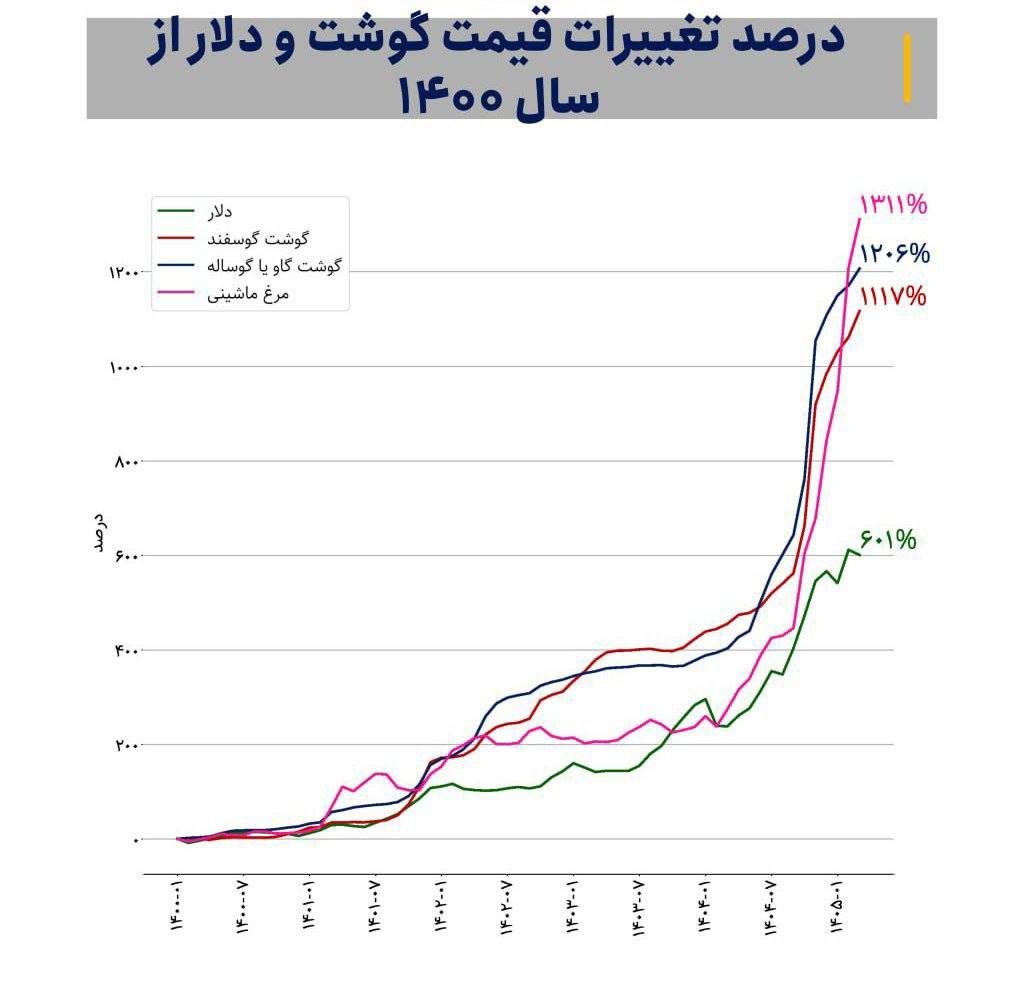
از سال ۱۴۰۰ تا امروز، گوشت و مرغ فقط گران نشدهاند؛ از سفره میلیونها خانواده عقبتر دویدهاند. وقتی قیمت گوشت بیش از ۱۱ برابر و مرغ بیش از ۱۴ برابر میشود، دیگر بحث گرانی نیست؛ بحث تغییر اجباری الگوی تغذیه و کوچکتر شدن سفره مردم است.
Distinguished UChicago Prof. John Mearsheimer on what the Iranians have to say about who controls the Strait of Hormuz:
"Any ship that goes through the strait, whether you go through Omani territorial waters or Iranian territorial waters, has to have our [Iran's] permission."
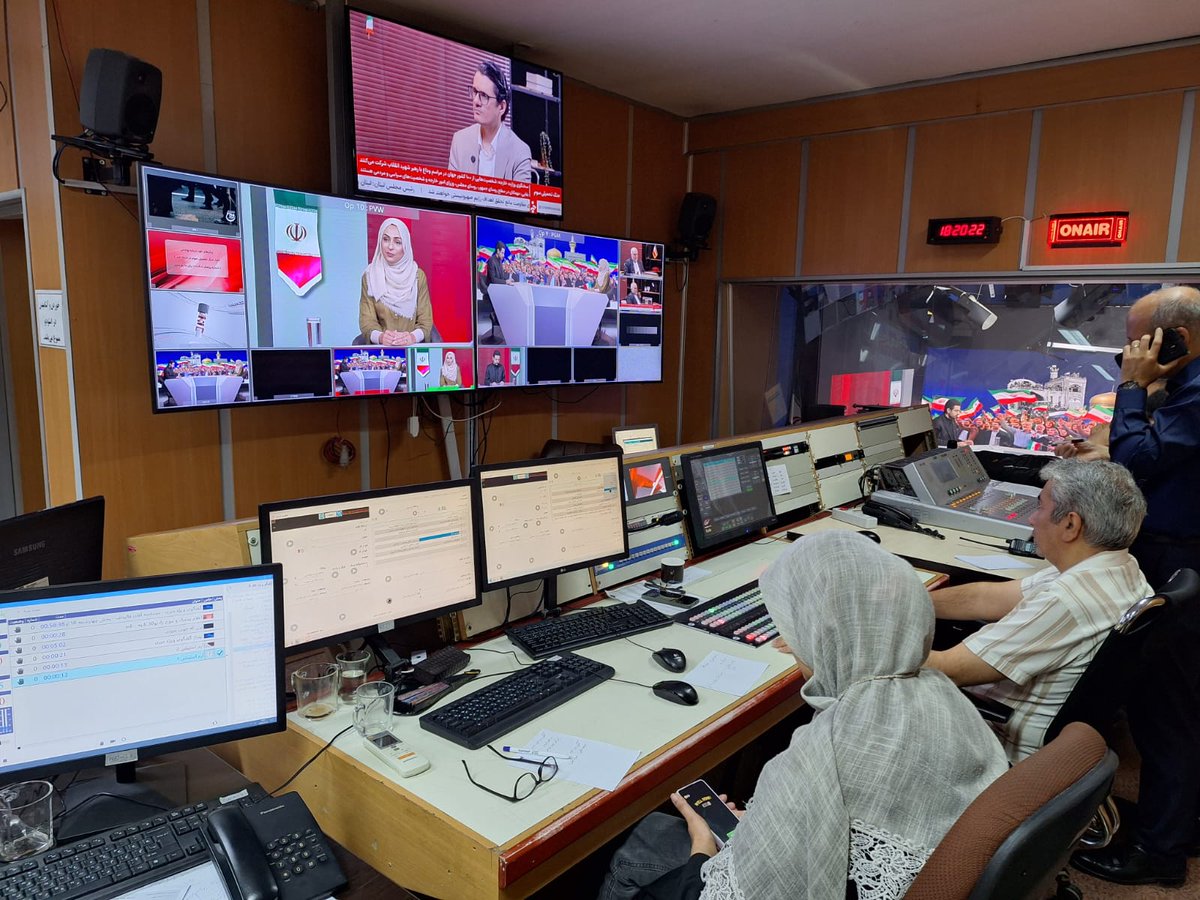
صدا و سیما گفتوگوی ضبطی رئیس قوه مقننه و سرتیم مذاکره ایران با آمریکا را قطع میکند و بعد انتظار داریم که روایتسازی و مرجعیت خبری در داخل کشور بماند!
از نان شب واجبتر، وزیدن تغییر در صدا و سیماست.
Prof Ted Postal DESTROYS 90% Patriot Intercept Claims
Single-digit success rate exposed.
Prof. Ted Postal shows the hard truth about U.S. missile defense in the Iran war — and the video evidence is devastating.
Postal proves the official narrative is false: "How do (our officials claim to) have a 90% intercept rate? Where's the 90%? Where are all these fireballs in the sky?"
"That is compelling video right there. That's compelling evidence." — evidence “even a member of Congress… should be able to understand.”
With 50-80 ballistic missiles incoming and almost none stopped, this raises urgent questions about U.S. strategy in the Iran war — and the integrity of those who are lying to the American public.
Watch the full clip now → https://t.co/KwrcOTDhRh
🏷️#PatriotMissile #IranWar #MissileDefense #TedPostal #IranMissiles #MilitaryAnalysis #DeepDive #USStrategy #MiddleEastConflict #BallisticMissiles #InterceptRate #Geopolitics
در تمام تجمعات تندروها، اونی که میکروفون دستشه و عربده میکشه، بلااستثنا یه ربطی به وحید جلیلی داره و یه گوشه صداوسیما مفت خوری میکنه
باورتون میشه با مالیات ما علیه خودمان فتنه میکنن
صداوسیمای میلی، این غده سرطانی روجراحی کنید.
جناب ثابتی!
واقعا حس خوبی از اینکه اسمت را بنویسم یا بگویم پیدا نمیکنم!
اما چطور شما با این روحیه ضد استکباری و ضد آمریکایی ماهانه دومیلیون تومان هزینه تیک آبی به آمریکایی ها می پردازید!
چطور از یارانه یک میلیون تومانیتان نگذشتید!
خوب نیست این حجم تناقض!
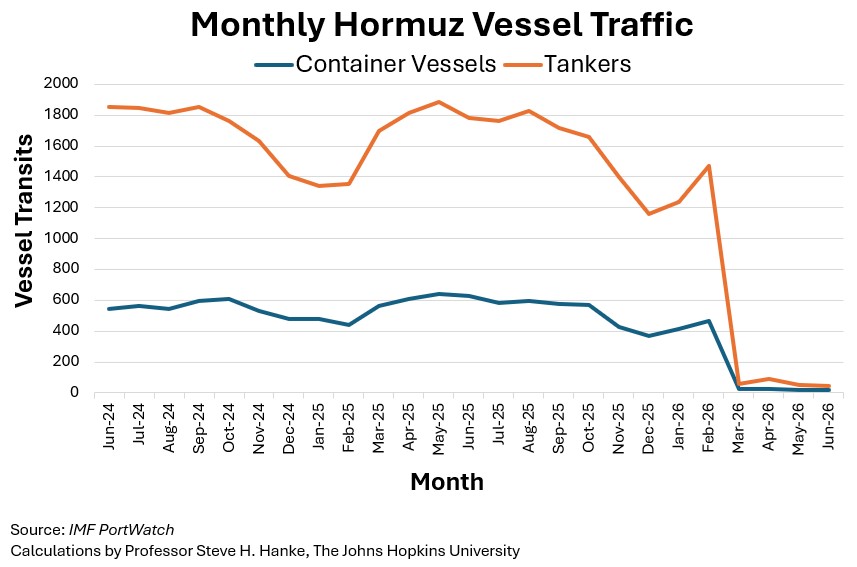
Last year, 64 tankers crossed the Strait of Hormuz on June 29.
This year, ONLY 7 tankers crossed on June 29.
FORGET THE HYPE ABOUT THE STRAIT BEING OPEN.