@phd_stranameme@Gozuyht Qualche giorno fa ho letto il nome di Solbiate Olona in un altro contesto, e non riuscivo a ricordare dove lo avessi già sentito. Grazie per avermi sbloccato questo ricordo🤣.
🧵L’approvazione della legge delega sul #nucleare alla Camera è un piccolo ma significativo passo avanti. Qui trovate alcune considerazioni generali e un approfondimento sulla scelta delle tecnologie. le modalità di finanziamento e l’individuazione dei siti 1/n
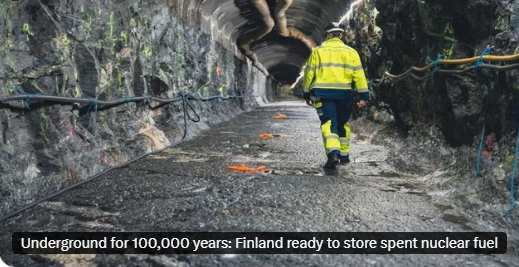
Finland's spent nuclear fuel repository is expected to get final regulatory approval to start loading. Actual loading is expected to start around the end of this year. They are the first nation to "solve" its nuclear "waste problem". Article link in reply.
The news is good but the public communications presented in the article is problematic. The talk about containing the spent fuel for 100,000 (or even a million) years, and extreme measures to ensure containment, suggests to the public that nuclear waste poses uniquely large and lasting hazards. The truth is the opposite.
Other energy sources and industries regularly dispose of wastes that remain toxic forever (i.e., infinity years). Toxic elements like lead, arsenic, mercury, cadmium, etc.. Radioactive wastes, OTOH, are unique in that they decay away exponentially. That is, they disappear over time. Most of the hazard disappears after a few hundred years.
Spent nuclear fuel's phyiscal and chemical form (i.e., ceramic pellets inside multiple layers of ultra-corrosion-resistant metals) is also much less prone to leakage and dispersal than other industrial toxic waste streams. The volume of spent fuel (and other nuclear wastes) is also extremely tiny.
Given its small volume, its physical/chemical form, decaying away, and the impeccible disposal requires, nuclear waste's risks/hazards are SMALLER than those of other, non-nuclear waste steams.
And yet, the public does not fear, or even think about, toxic wastes that last for infinity years, while they're scared of wastes that decay away and will be contained for at least 100,000 years. The main reason for this is that the media never talks about everlasting, non-nuclear wastes, while it talks about nuclear waste a whole lot! The public's perceived risk is based on how often they hear about it in the news (as opposed to scientific analysis).
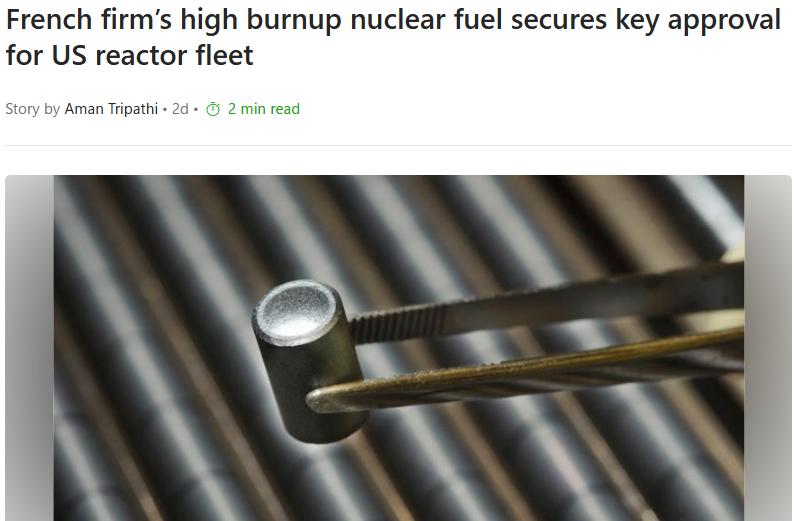
Framatome has developed a PWR fuel assembly design that can attain higher burnup, and will allow 24-month (vs. 18 month) fuel cycles for PWRs. They are now in the US NRC licensing process. Article link in reply.
The assemblies may use 5-8% enriched uranium that was recently approved by the NRC.
1/
Un sacco di misure largamente problematiche.
Intervenire sulle rendite significa aumentare la concorrenza e ció comporterebbe una riduzione degli incassi diretti statali e non un aumento. Sarebbe probabilmente positivo ma non porterebbe agli effetti sperati da Calenda.
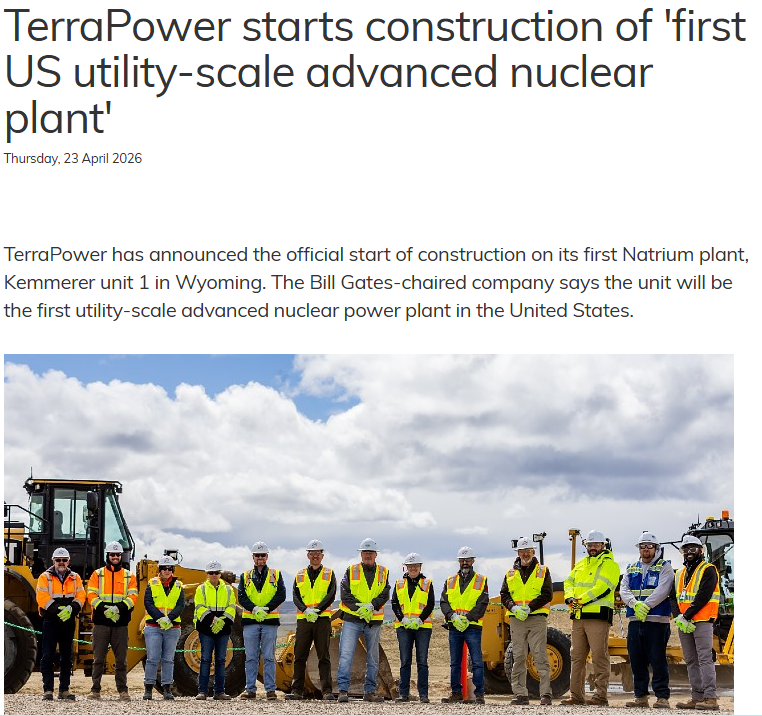
TerraPower has officially started construction of its Natrium plant in Wyoming. Completion is expected in 2030. Natrium is a 345 MWe sodium-cooled fast reactor. Article link in reply.
I'm assuming that they're starting construction of the nuclear part of the power plant. They started construction of the non-nuclear section in 2024. They got the full NRC construction permit last month.
Natrium is the first commercial reactor approved for construction for nearly a decade and the first non-light water reactor in more than 40 years.
Whatever happened to the World’s fastest constructed reactor?
The Advanced Boiling Water Reactor (ABWR) was built in just 38 months of nuclear construction but after its lightning deployment in Japan it failed to lift off internationally. What the heck happened. A mega 🧵
The U.S. Department of Energy has begun exploring alternatives to America’s flagship reactor, the AP1000. The proximate cause is not dissatisfaction with the AP1000’s design but rather frustration with Westinghouse’s slow pace. As a result GE Hitachi’s 1350MW Advanced Boiling Water Reactor (ABWR) is getting a second look.
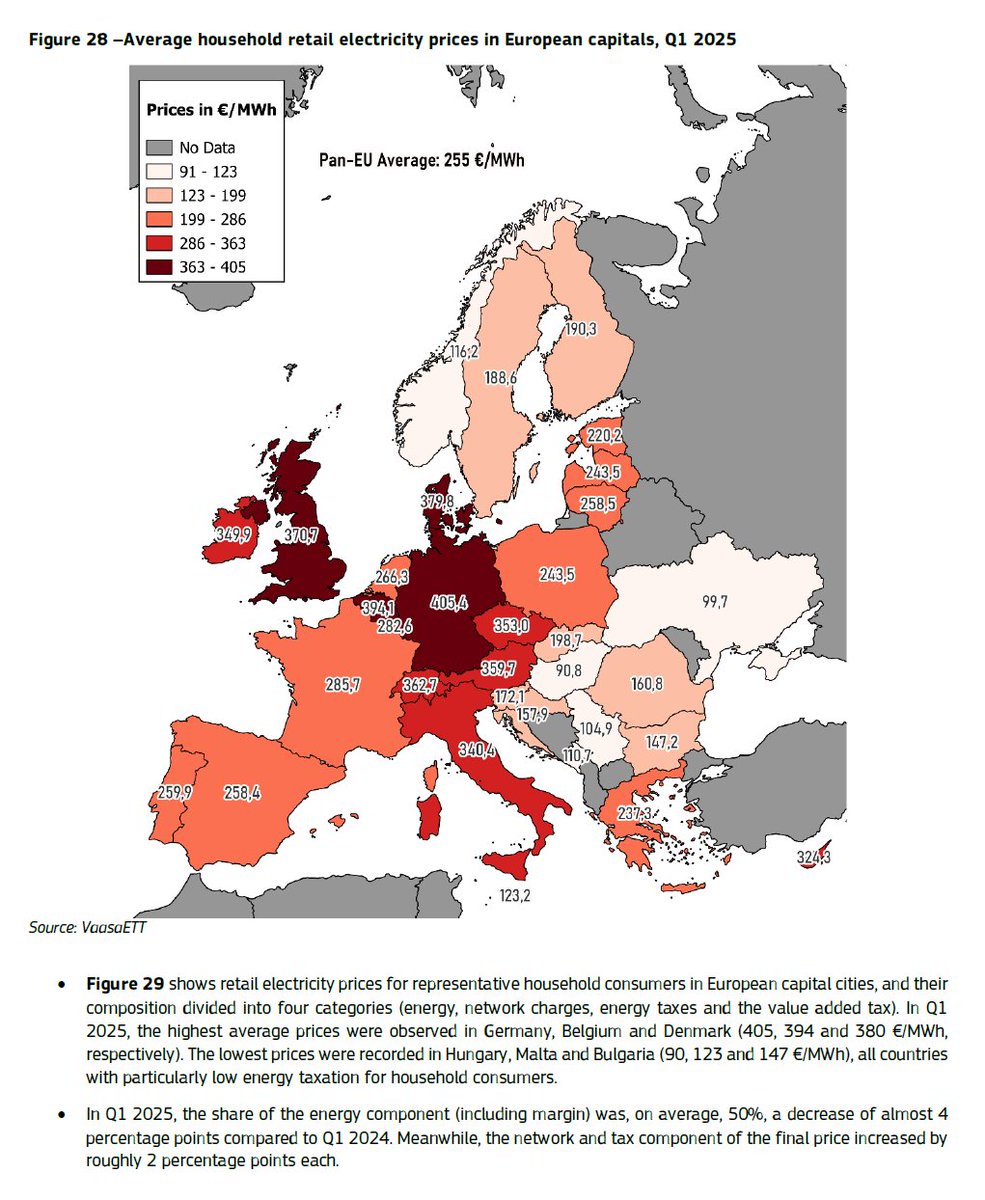
In Spagna le bollette elettriche sono più basse che in Italia, specie nei mercati all’ingrosso. La differenza dipende da fattori strutturali e scelte politiche diverse, che comportano anche rischi differenti. Ne parlano L. Lo Schiavo e @CarloStagnaro
https://t.co/OVQpSz9q8D
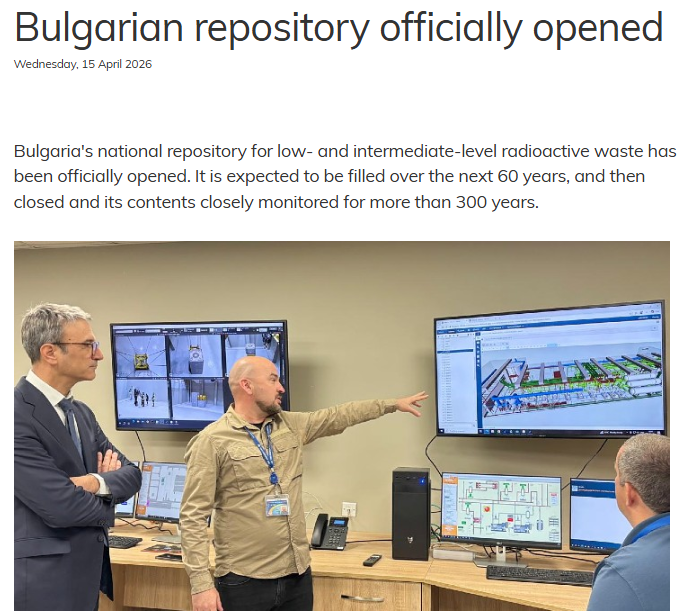
Bulgaria has opened its national repository for low and intermediate level radioactive waste. The repository will be near the Kozloduy nuclear power plant. It will take wastes from industry, medicine, households, and nuclear plant decommissioning. Article link in reply.
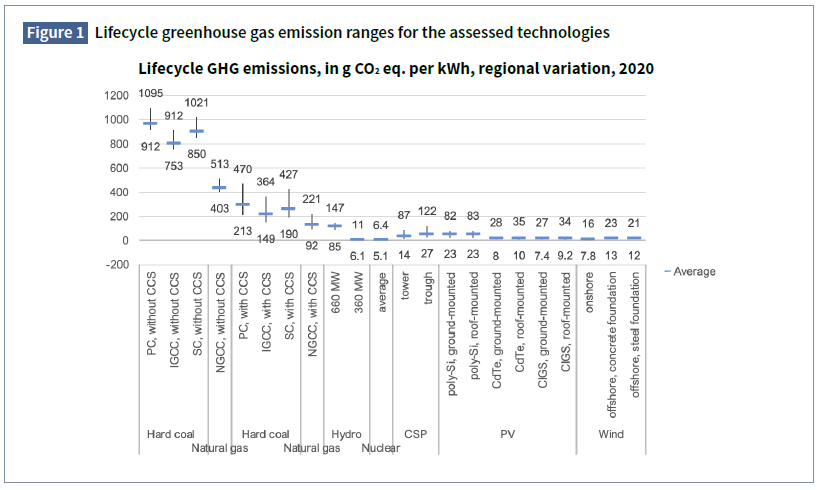
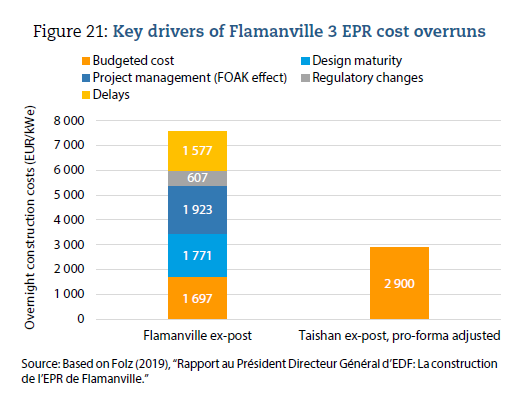
@andr3asavini@AvvocatoAtomico IL grafico é tratto dal report "Unlocking Reductions
in the Construction Costs of Nuclear:A Practical Guide
for Stakeholders" di NEA/OECD. È molto interessante, ne consiglio la lettura.
@andr3asavini@AvvocatoAtomico In generale, requisiti di sicurezza più stringenti comportano costi più elevati (per progettazione e manodopera), ma nel caso di Flamanville 3 sono intervenuti altri fattori, in particolare scarsa maturità del design e gestione del progetto non ottimale. (SEGUE⬇️)
Viktor Orbán cade rovinosamente, dopo sedici anni di "democrazia illiberale" e sovranismo coi soldi altrui che tanto piace ai nazionalisti italiani da operetta, per aver affossato l'economia ungherese. Ora viene il difficile
https://t.co/PupQONTQBs
@KersevanRoberto Purtroppo no. Va detto che qualche ora dopo lo hanno corretto, però rimane assurdo che una puttanata simile abbia passato la revisione prima della pubblicazione su IG.