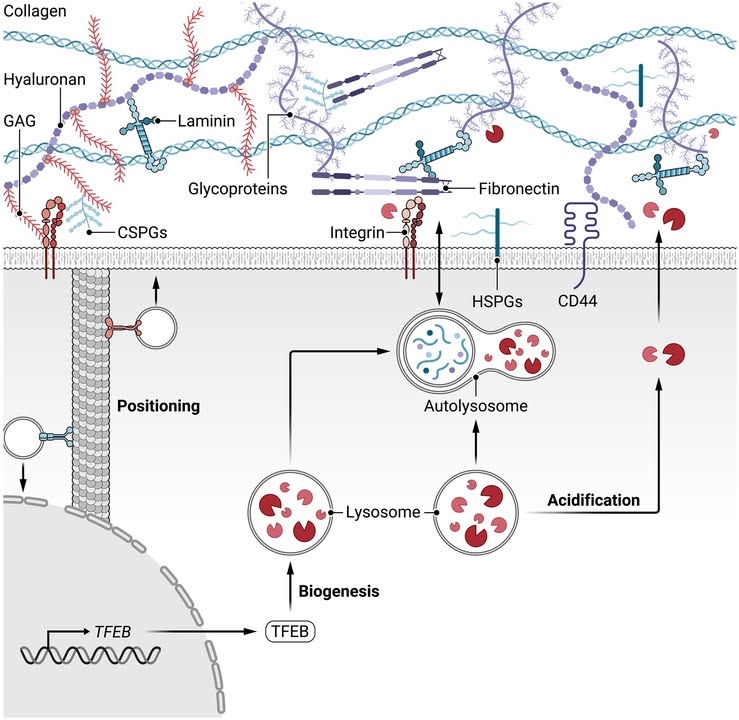
New discoveries are reshaping how scientists understand the molecular connections between the extracellular matrix and lysosomes—and the resulting implications for research and therapeutics for neurodegenerative disorders.
Learn more in this @scisignal Review: https://t.co/lu6XJsmK1o
Whales sing, orcas squeal, and sea turtles croak. But sharks are more the strong, silent type. Last year, researchers reported the first evidence that sharks make sounds, too.
Learn more: https://t.co/6yGjvBrnQ0 #ScienceMagArchives
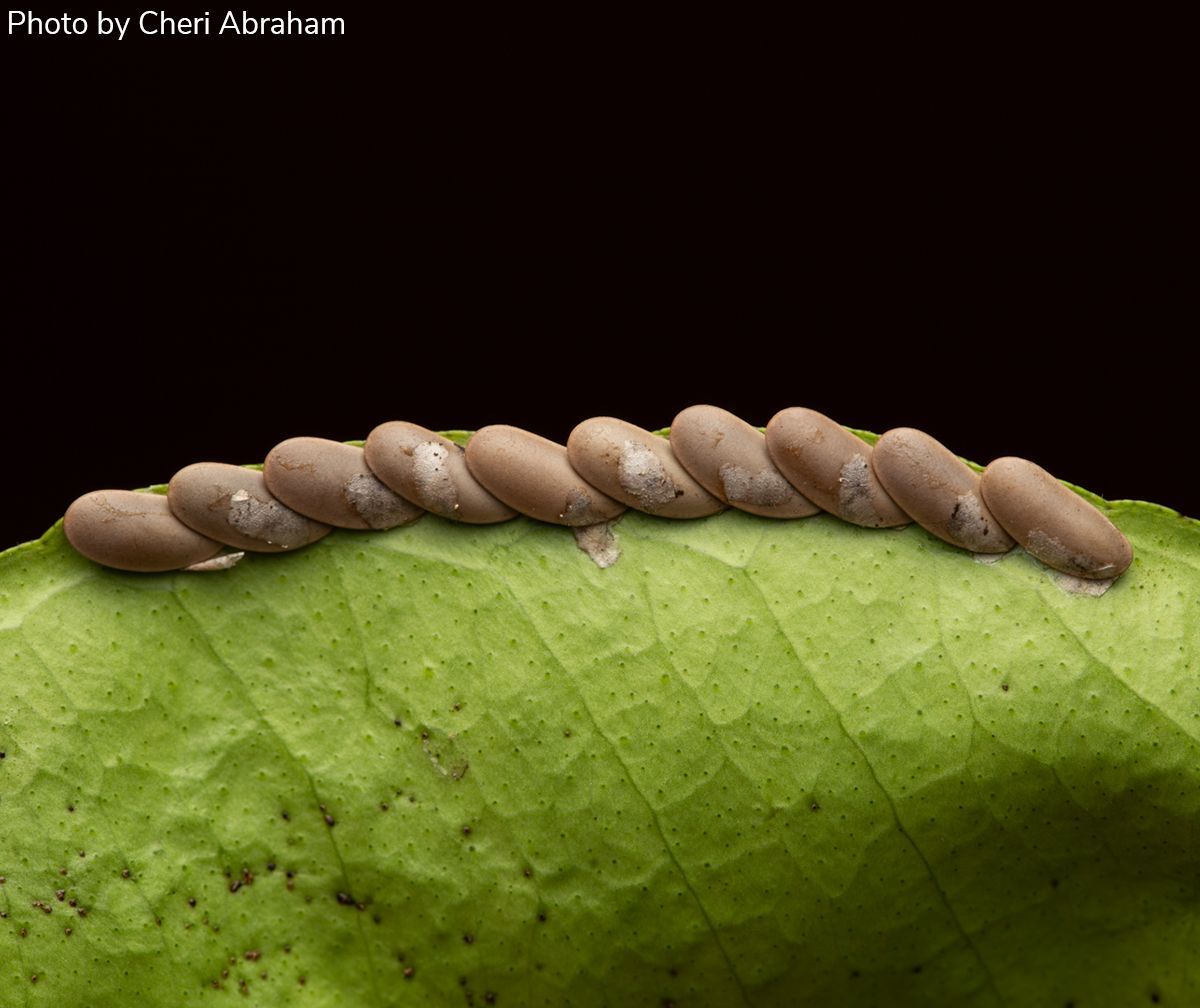
Arthropod Photo of the Week: January 7, 2026
Broadwinged katydid eggs
Microcentrum rhombifolium
Orthoptera: Tettigoniidae
Observed in Florida, USA
By Cheri Abraham (https://t.co/kdg0ZFBJxm), Florida, USA
#arthropodPOTW
The mysterious population decline of the imperiled Franklin’s bumble bee is not due to pathogens, but most likely to population bottlenecks and environmental issues, according to newly published museum genomic research in (PNAS). https://t.co/U5WtWQx4su
Invasive Threat Alert! 🚨 Asian longhorned tick (H. longicornis) confirmed in Kansas. Now in 21 states, this parthenogenetic tick threatens livestock with bovine theileriosis & is linked to Bourbon/ehrlichiosis! Vigilance is key. Read more @ https://t.co/XMKJrH99Y4
A large study including more than 130,000 people in the U.S. revealed that the shingles vaccine (Shingrix) and the respiratory syncytial virus (RSV) vaccine (Arexyv) are associated with a reduced risk of dementia.
https://t.co/nHPMpHO9DA
GSK Africa Open Lab's call for proposals is open. For African scientists in the early stages of research and an academic career. Deadline: September 3. https://t.co/DlPO9OAgBR
Public health & vector control pros: Don't miss APMEN's free online training on Vector Surveillance! Gain key insights from Aug 5-7, 2025.
Secure your spot now: https://t.co/9N7BvlYi8Q
Coffee changes connectivity in the brain.
Increased functional connectivity of the higher visual & executive control networks were seen with coffee, but not caffeine alone.
A major shoutout to my incredible University of Rwanda and UMass Boston collaborators for making this work possible! @CoEBrwanda@SimonMuhayimana@JabonJaimy@BethKaplin1 (and the other amazing folks who don't have accounts here).
It’s been a while since I’ve posted here, but I wanted to announce that our new paper is out in Microbial Ecology today! 🦟🦠🧫
A huge congrats to my co-authors @JabonJaimy@shemajado@simonmuhayiman1 (and the others who aren’t on X).
Check it out here:
https://t.co/k5FCIxt4qC
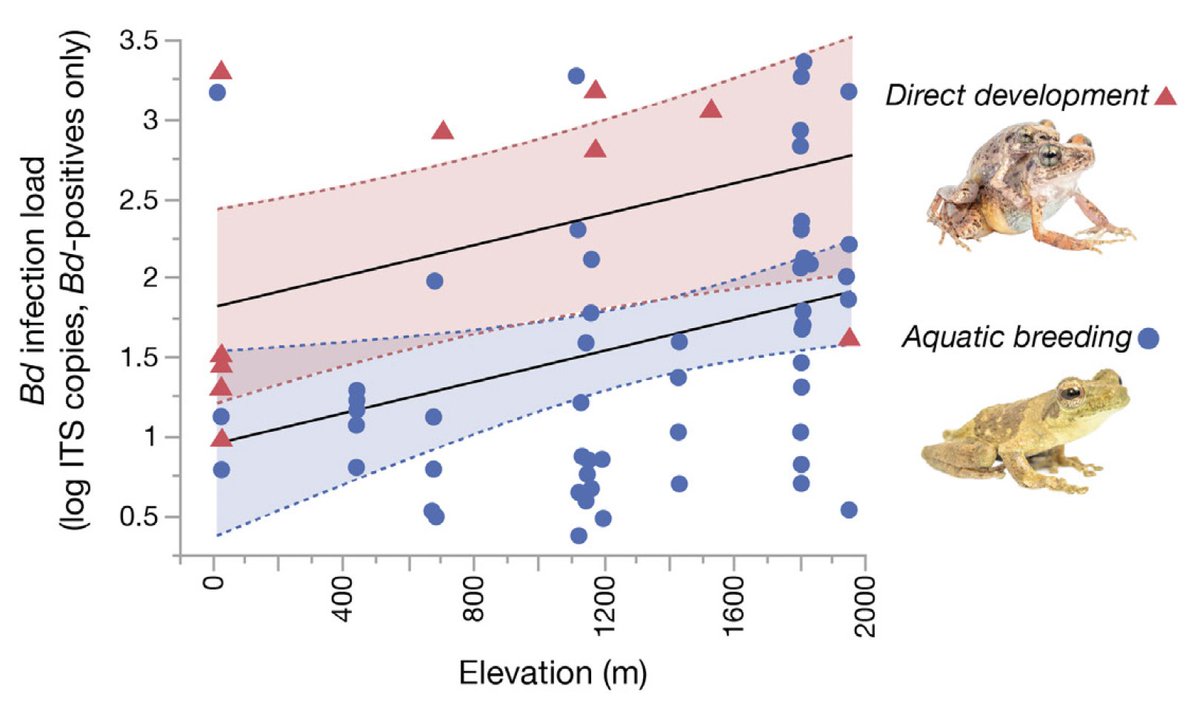
🐸New Research Alert!📢Our study on fungal pathogen infections in Equatorial Guinea frogs is out now. Learn how elevation and reproductive mode influence pathogen intensity in African frogs🏞️ https://t.co/mBQgbqPTsI
@ciddpsu, @PennStateBio, @PSUmBiome, @v_m_marshall, @RaynaCBell
I am looking for a highly-motivated Masters student to study disease vector ecology in my group at the University of Delaware starting next spring. If you are passionate about One Health, public health, vector-borne diseases send me a message and we can chat!
Call for #Application
Africa CDC – Pathogen Genomics and Bioinformatics Fellowship Program is open to National public health institutes & National Reference Laboratories personnel who wish to gain experience in NGS sequencing.
Deadline: May 31st
Apply : https://t.co/89Eq43fBir
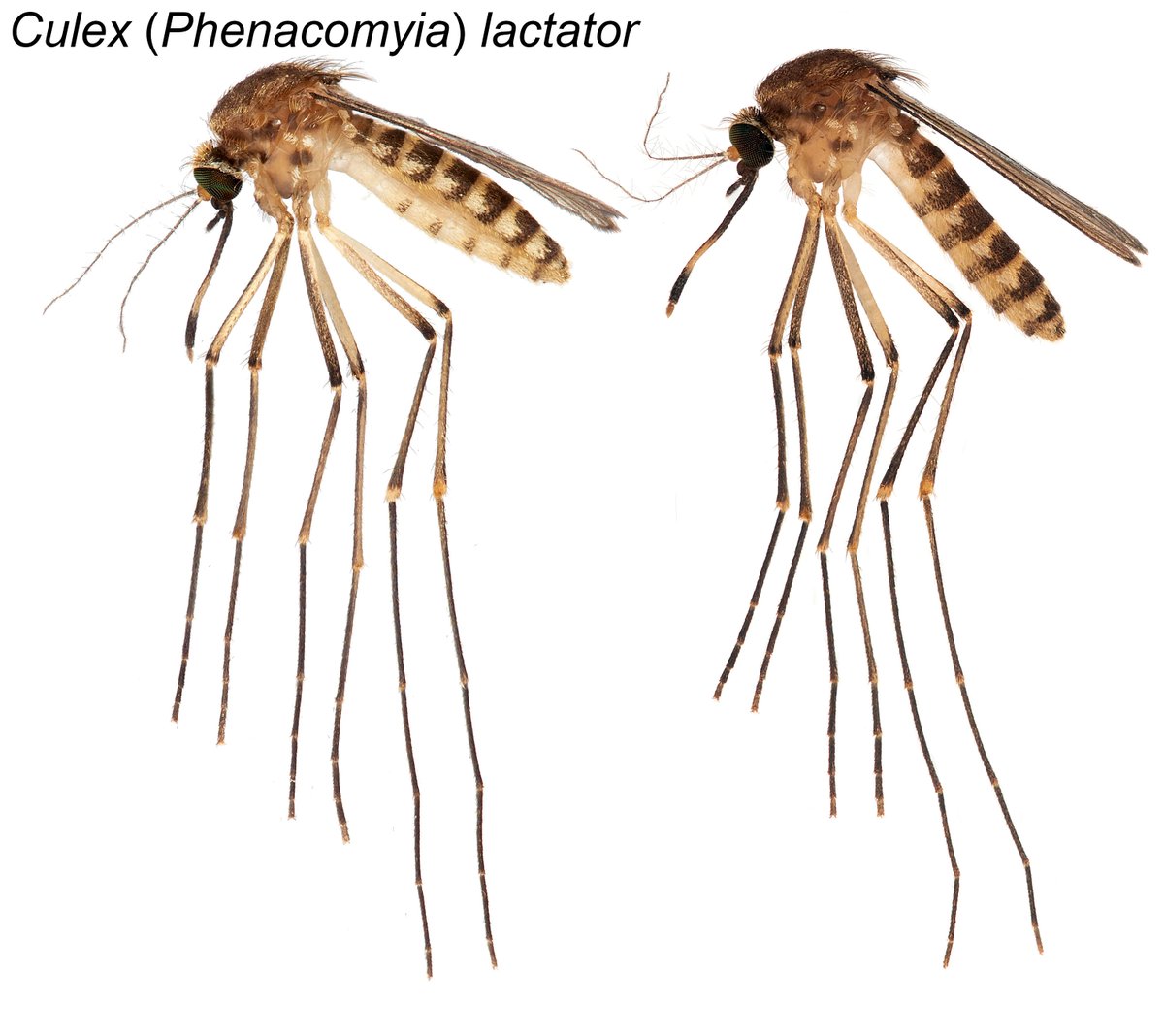
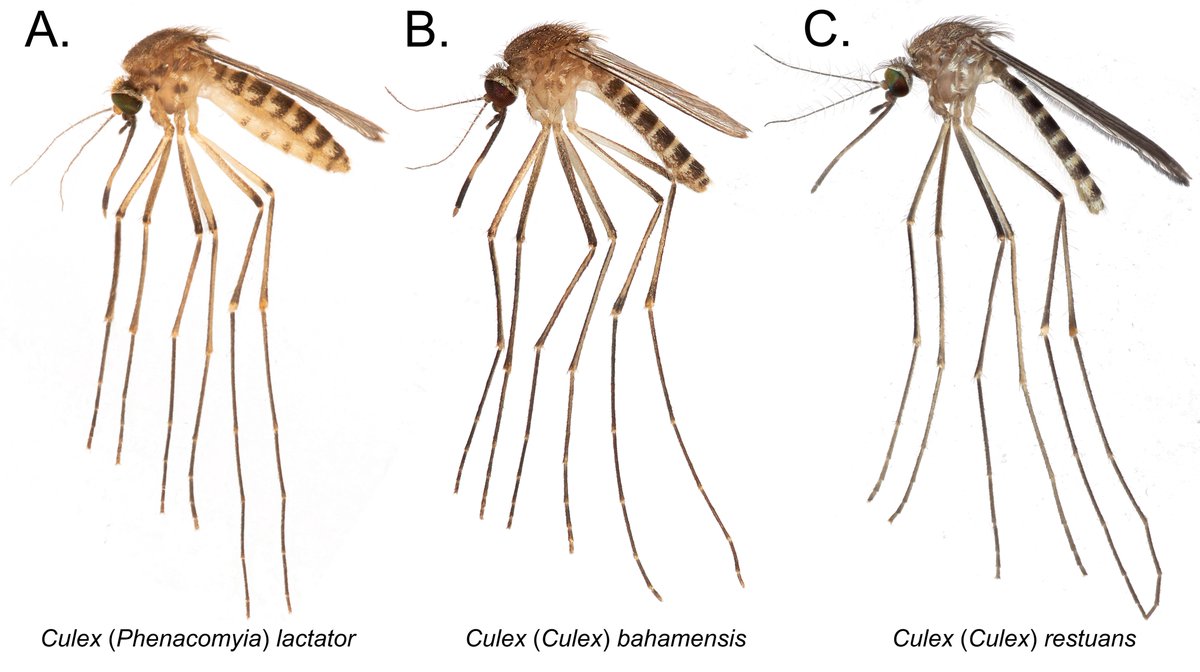
Our newest manuscript reporting the newest addition to Florida's mosquito fauna is out! Meet Culex (Phenacomyia) lactator - a new species and a new Culex subgenus for the US. #UFbugs https://t.co/DFx1Sm2MtP