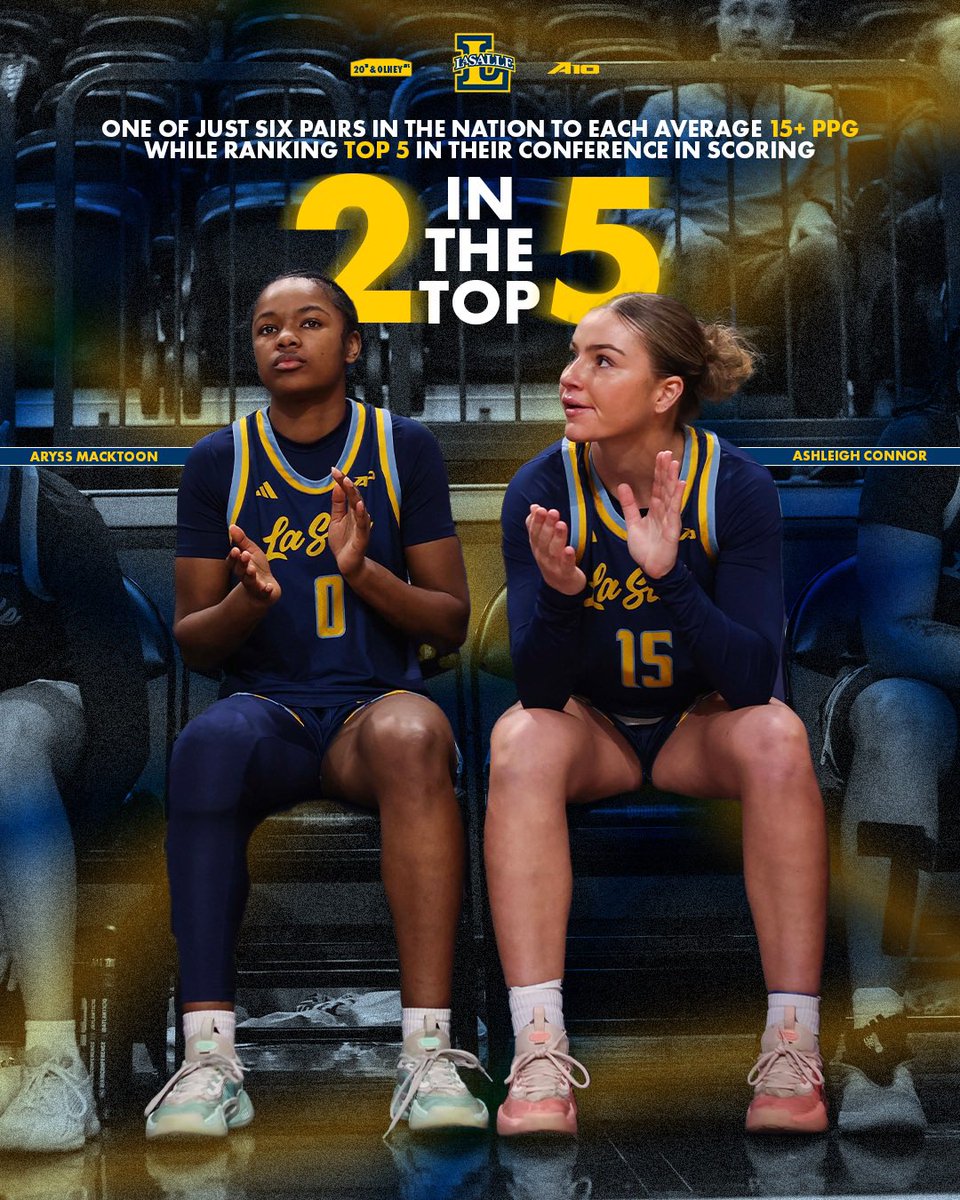
2️⃣ in the top 5️⃣
@aashleighconnor and @aryssmacktoon30 make up one of only six pairs in the nation to each average 15+ PPG while ranking top five in their conference in scoring🔥
“I used to think that I could affect winning and losing. I,I,I,I I keep using that word. Then it became more of, I have very little control of winning and losing, the only thing I have control of is…am I putting them in a position every day in practice to learn how to win?” Geno Auriemma
🎥 @WDWconvo
Transactional vs. Transformational Coaching
Dan Hurley shared a story about asking Geno Auriemma for advice after a rough start last season.
Geno didn’t mince words:
“Listen, if the only gratification and the only part of coaching that excites you is winning the national championship, then you’ve lost your way, buddy! Where’s the joy in the things that you’ve always been about as a coach before you went on the championship run, like relationships with your players, like helping people get better, like making your team the best it can be.
Be a coach, man. This is when you really need to be a leader. This team isn’t as good as last year’s, so what the hell are you going to do about it? Are you going home? Are you going to let this thing unravel?”
That’s the tension every coach feels: Transactional vs. Transformational.
Transactional coaching is outcome-obsessed. It’s about the wins, the losses, the trophies. The problem? When results don’t come, your purpose crumbles with them.
Transformational coaching is different. It’s about people. It’s about growth. It’s about building something that lasts whether the scoreboard agrees with you or not.
And this is why mentorship matters so much in coaching. Left on our own, it’s easy to drift into a transactional mode without even realizing it. A trusted mentor can pull us back to center, and remind us why we started coaching in the first place.
To build relationships.
To develop players as people.
To make teams the best they can be.
Wins matter. But they’re not the why. The why is impact. The why is growth. The why is leaving your players better than you found them.
The process is the prize.
Stay grounded. Stay on the path. Always remember your why.
Coaching looks fun from the outside.
But once you’re in it, you learn some hard truths that most people never see.
Here are 5 hard truths every coach needs to understand:
[THREAD] 🧵
The struggles you face today are building the foundation for your success tomorrow. They're building strength, resilience, discipline, commitment, confidence.
Keep showing up.
Keep moving forward.
🪵🪓
Before there is greatness/success, there are:
setbacks
failures
struggles
adversity
embarrassments
rejections
second-guessing
doubts
tears
losses
wrong decisions
This is what the path of growth and the process of greatness looks like.
Stay the course. Keep showing up.
🪵🪓
Most good things take time to come to fruition. They require effort, patience, persistence, discipline, a trust in the process, belief in the vision and in yourself.
Prepare today for your opportunity tomorrow.
Keep showing up.
Keep doing the work.
🪵🪓
The best assistant coaches are culture builders.
They reinforce the standard when no one is watching.
They coach the last player on the bench like a star.
They lead without needing the spotlight.
Championship programs are built on their shoulders.
Growth requires that you get uncomfortable, that you be vulnerable, that you risk failure.
Pursuing comfort may feel great today but it will ultimately hold you back from your potential.
Lean in, believe in yourself, do the work.
Larry Bird called it the 100% Theory:
“If you give 100% all of the time, somehow things will work out in the end.”
It’s not about perfection.
It’s about showing up, every day, with full effort.
Great players and great teams don’t coast.
They compete. Every rep. Every moment.