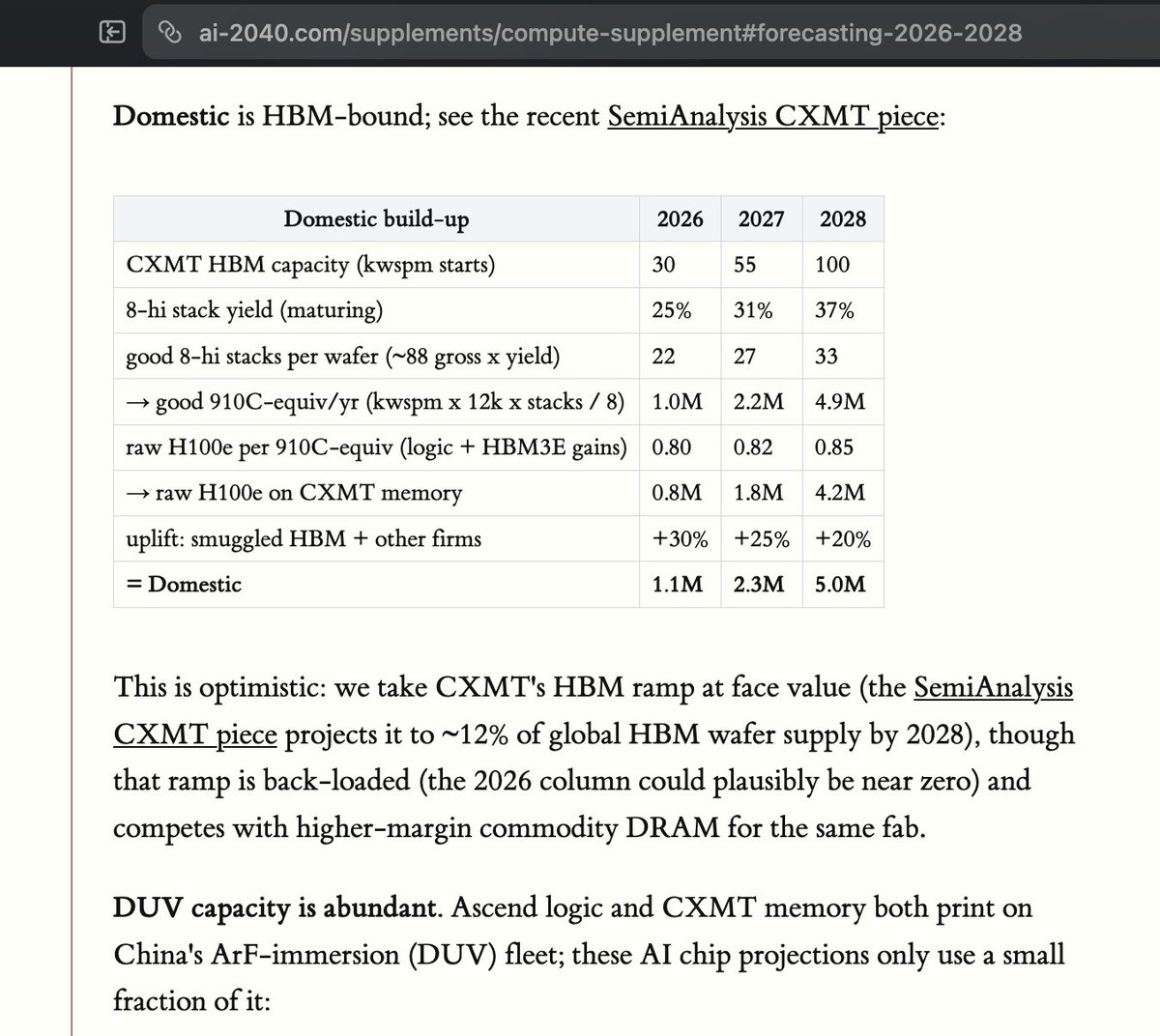
I have the feeling that CXMT will expand faster. Physically, I don't know how they'll pull it off. But politically, economically, spiritually – they must. The incentives are absurd, the money at stake is unlimited. This pressure will find some crack. There is one in everything.
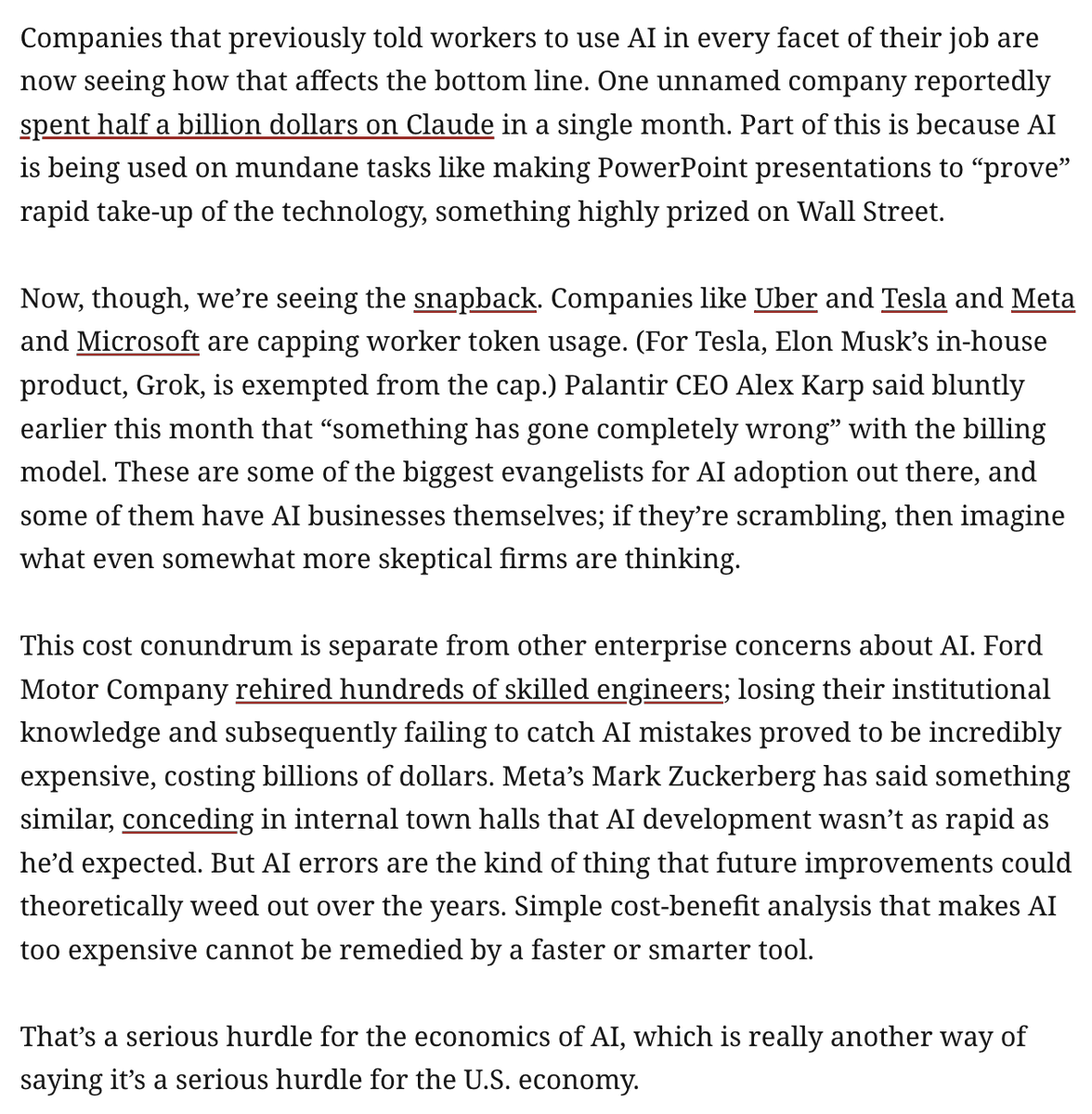
It's becoming the case that it costs more for a business to deploy AI and fire human workers than it does to keep the human workers around. That could be an economic death knell for the whole technology. From me.
https://t.co/39WYACJ2TH
Hyperscaler capex is expected to hit 50% of revenue this year
Capex rising faster than revenue is not sustainable indefinitely, which means there are two possible scenarios:
- Revenue starts rising on a relative basis once hyperscalers achieve good ROI on capex
- Hyperscalers will need to slow down capex if ROI is not high enough
The Atlantic’s new cover story by @rosehorowitch is absolutely definitive on the end of the age of reading in America—and the emergence of a new post-literate age in modern life
Some core facts and anecdotes:
1. Reading is shrinking. The share of Americans who read for pleasure declined by 43 percent between 2004 and 2023. While Americans might see more words than ever—between all those texts, posts, emails, and captions—less than half of Americans read books, anymore. The average sentence in NYT bestsellers are one-third shorter than a century ago.
2. Americans can swallow words and sentences, but they’re losing the ability to think deeply about writing that’s longer than an Instagram post. Nearly 30 percent of American adults cannot paraphrase or make inferences from a multipage text. In 2017, that number was less than 20 percent.
3. It’s worse for the young. Fourth- and eighth-grade reading scores have slid for the past decade. From 1984 to 2025, the percentage of 13-year-olds who said they rarely or never read for fun rose from 8 to 29 percent.
4. “Every year older a child gets, the less they like to read”: Most high-schoolers consider reading for pleasure an alien practice. Margaret Rennix, Harvard’s assistant director for humanities and social-sciences support, says some students view reading as an unnecessarily burdensome way of acquiring knowledge. “By asking them to read,” she said, it's as if “professors are arbitrarily withholding information from students by forcing them to get it through this more difficult medium.”
https://t.co/kk8qktY6fd
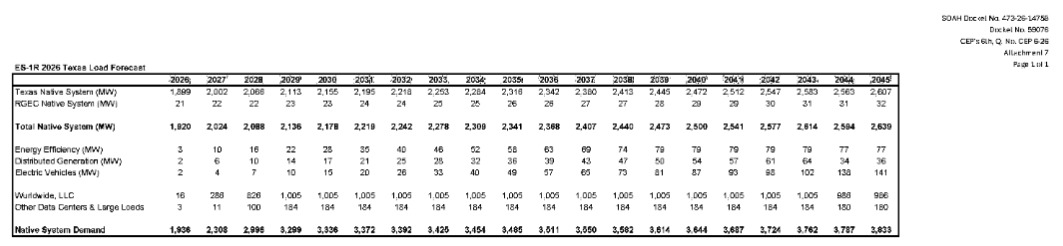
Hadn't seen this anywhere else yet: full load forecast for Meta's data center in El Paso:
2026 - 16MW
2027 - 286MW
2028 - 826MW
2029 - 1,005MW
And then stable through the 2040s
Table for fun - it'll be more than 30% of projected El Paso Electric load in the 2040s. via @halcyon
@benedictcooney On £20k your options are strictly limited by your spare capacity.
You need different class of advice to an HNWI. Add certainly you don’t need access to the risk products someone who can afford to have assets at risk can.
Great analysis @jason - there is a tail risk that you describe.
And the fact that everyone is getting into IN FIRM deployment shows either (a) this is hard and these are depserate acts
(b) this is amazing - you couldn’t retool a factory form the outside so committing to a piece of integration works is a stronger signal.
OR both
tokenmaxxing is like eating candy floss. but a integrated AI centric firm built around its own know how will be token efficient but it might be spinning that loop faster — so possibly more compute spend.
👍