The Horn's biggest risk is that geopolitical rivalries end up undermining the very connectivity the region needs to develop. Ethiopia's dependence on external trade corridors makes this bigger than a military calculation. When neighbours see each other's economic and strategic growth as a threat, the whole region pays the price.
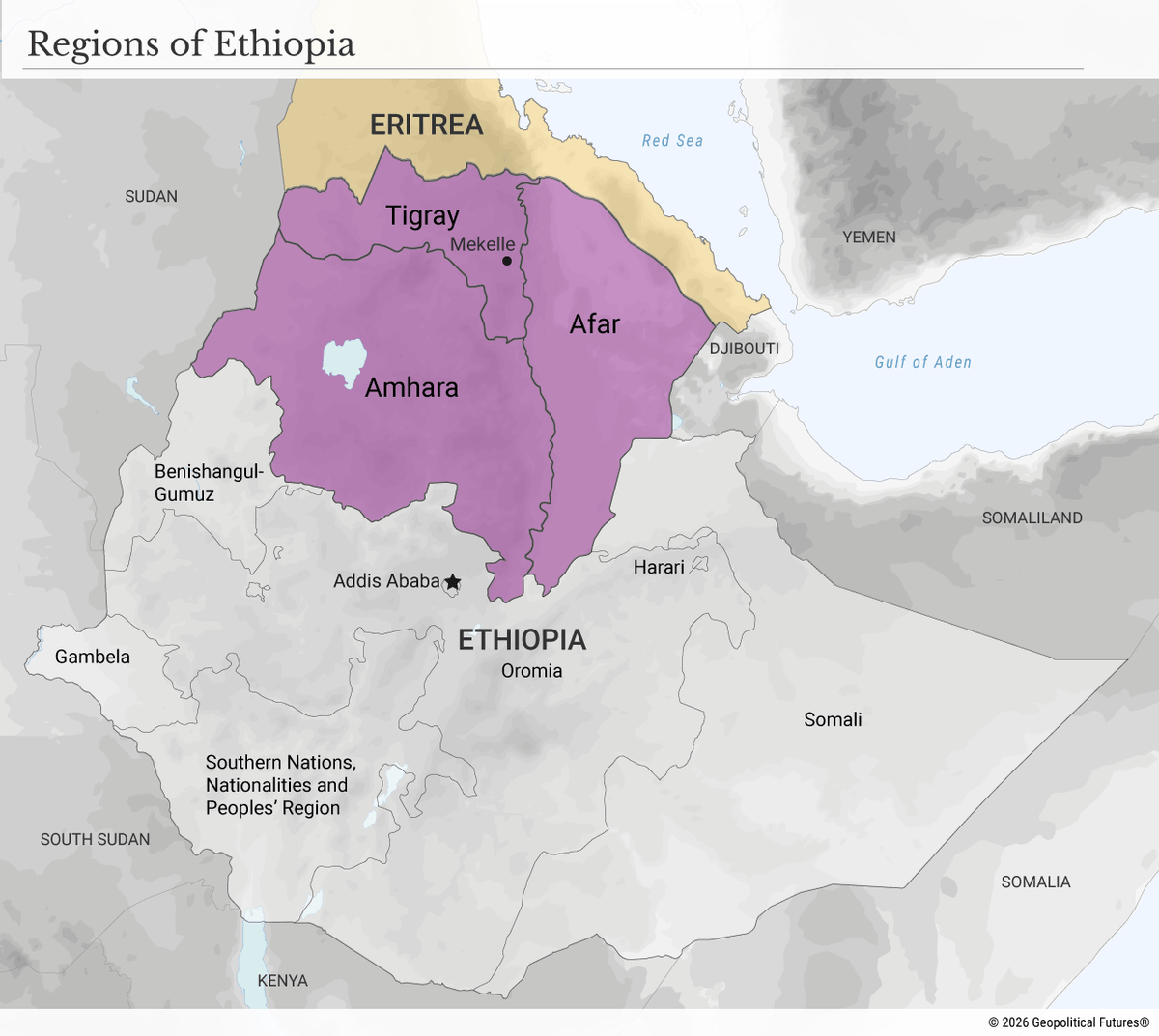
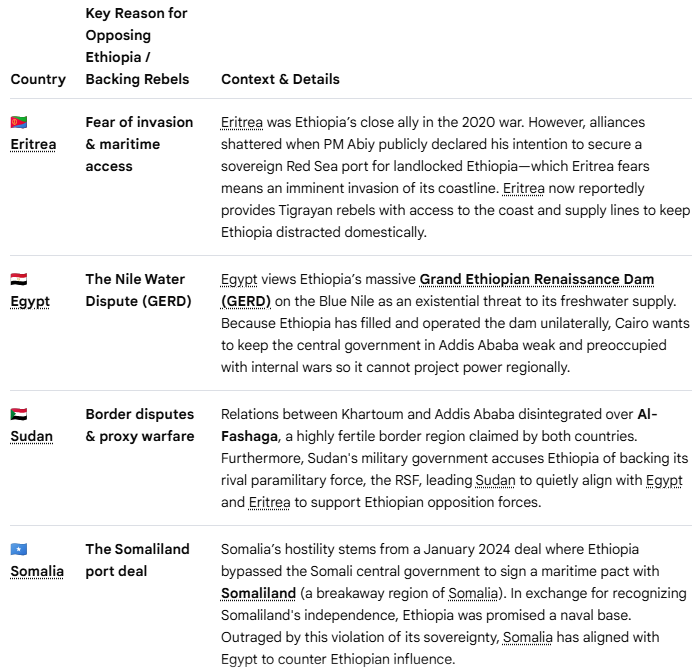
The ongoing war in Ethiopia could fundamentally reshape the Horn of Africa. Prime Minister Abiy Ahmed Ali faces a wider array of adversaries than he did during the previous Tigray war, yet his government also has superior drone capabilities, benefits from divisions within Tigray and retains access to important external suppliers.
Eritrean President Isaias Afwerki appears to have committed military support to the TPLF even as it lost ground. Isaias has an interest in preventing Ethiopia from becoming powerful enough to impose its will on its neighbors, but he has potentially widened the war.
GPF's Ronan Wordsworth has an in-depth analysis of the evolving situation: https://t.co/J6Qav5qXai
This is the kind of agricultural innovation worth paying attention to. In a water-stressed country like Botswana, improving food production without putting more pressure on scarce water resources could make a real difference. The next step is making it commercially viable for farmers to adopt at scale.
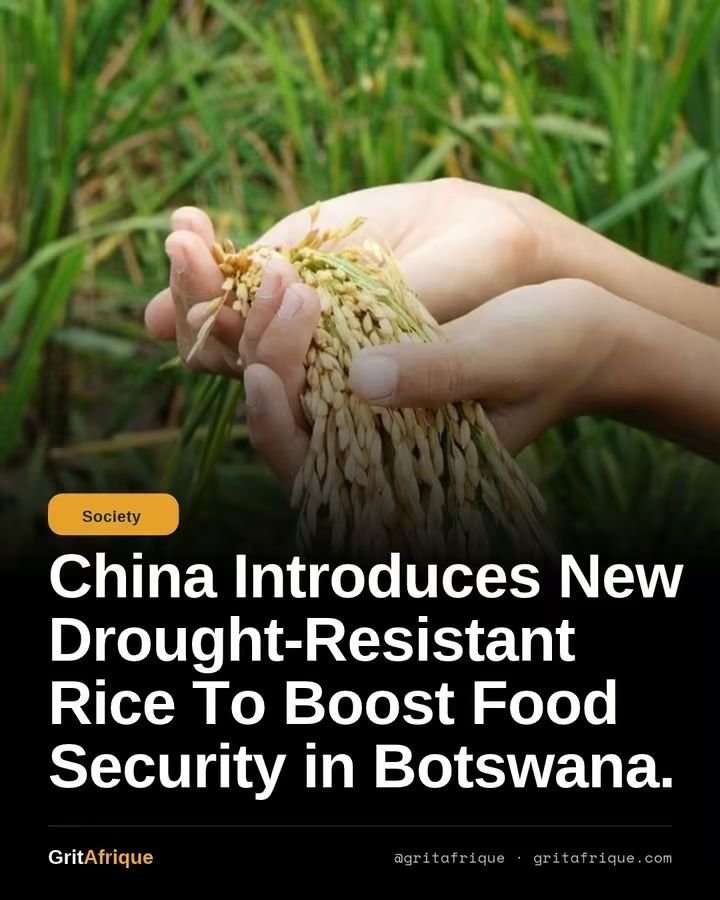
🔴 China Introduces Drought-Resistant Rice to Boost Food Security in Botswana.
Botswana, in partnership with China, has successfully tested its first rice varieties suitable for dryland cultivation. The initiative, led through long term collaboration between Chinese agricultural researchers, aims to overcome the water scarcity that has limited rice production in arid southern Africa.
The project has moved from early plot trials to commercial production in key agricultural zones, including Maun, Tuli Block, Borolong, and Pandamatenga. In addition to producing high grain yields, the model uses crop stover as valuable livestock feed, boosting rural incomes and strengthening food security.
Refining gold locally is a good start, but the bigger question is who captures the value beyond refining. If ownership, financing, technology and access to markets remain largely external, the gains will be limited. Africa needs to move up the value chain, not just add another step before export.
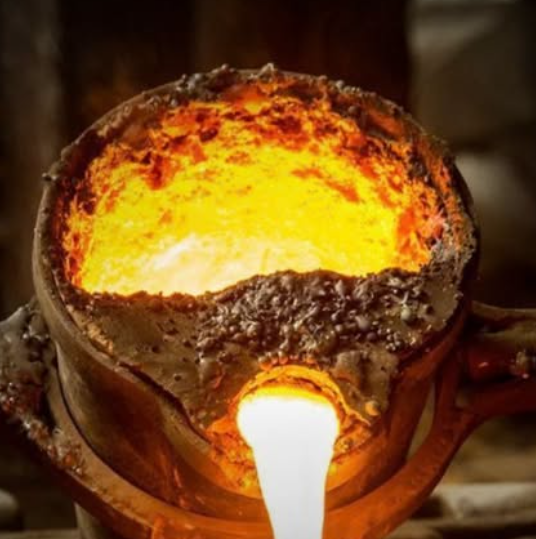
More than 14 African countries now have gold-refining facilities or projects underway as governments push to process more of their gold at home.
The 14 countries identified in reports are Ghana, Zambia, Uganda, Tanzania, South Africa, Sudan, Rwanda, Zimbabwe, South Sudan, Kenya, Burkina Faso, Mali, Ethiopia, and the Democratic Republic of Congo.
Some already run refineries, while others have plants under construction or projects still waiting to start full operations.
The aim is to create jobs, raise revenue, and keep more of Africa’s gold wealth on the continent.
The Horn of Africa has some of the world's most strategically important trade routes, but geography alone doesn't guarantee leverage. Ports, corridors and security partnerships only translate into power when countries can turn them into economic gains and negotiate from a position of strength. That's the part that requires real strategy.
𝗣𝗼𝘄𝗲𝗿 𝗿𝗲𝘀𝗽𝗲𝗰𝘁𝘀 𝗼𝗻𝗹𝘆 𝗽𝗼𝘄𝗲𝗿.
In geopolitics, those who cannot 𝗽𝗿𝗲𝗱𝗶𝗰𝘁 𝘁𝗵𝗲 𝗻𝗲𝘅𝘁 𝘀𝘁𝗼𝗿𝗺 are 𝘀𝘄𝗮𝗹𝗹𝗼𝘄𝗲𝗱 𝗯𝘆 𝗶𝘁.
The Horn of Africa is 𝗻𝗼 𝗹𝗼𝗻𝗴𝗲𝗿 𝗮 𝗿𝗲𝗴𝗶𝗼𝗻 𝗼𝗳 𝘀𝗹𝗼𝘄 𝗱𝗶𝗽𝗹𝗼𝗺𝗮𝗰𝘆.
It is a battlefield of constant movement: ports, alliances, weapons and influence.
The world is moving at lightning speed:
• New alliances are being built. • Ports are being taken over. • Trade corridors are shifting. • Security pacts are being signed.
In such a world, a passive, reactive foreign policy is not only outdated.
𝗜𝘁 𝗶𝘀 𝘀𝘁𝗿𝗮𝘁𝗲𝗴𝗶𝗰 𝘀𝘂𝗶𝗰𝗶𝗱𝗲.
Diplomacy is 𝗻𝗼𝘁 𝗮𝗯𝗼𝘂𝘁 𝘁𝗮𝗹𝗸𝗶𝗻𝗴 𝗻𝗶𝗰𝗲𝗹𝘆. Diplomacy is about 𝗳𝗶𝗴𝗵𝘁𝗶𝗻𝗴 𝗳𝗼𝗿 𝘆𝗼𝘂𝗿 𝗰𝗼𝘂𝗻𝘁𝗿𝘆 𝘄𝗶𝘁𝗵𝗼𝘂𝘁 𝗳𝗶𝗿𝗶𝗻𝗴 𝗮 𝗯𝘂𝗹𝗹𝗲𝘁.
Silence is not neutrality. Silence is 𝗮 𝘀𝗶𝗴𝗻𝗮𝘁𝘂𝗿𝗲 𝗼𝗻 𝘀𝗼𝗺𝗲𝗼𝗻𝗲 𝗲𝗹𝘀𝗲'𝘀 𝗱𝗼𝗰𝘂𝗺𝗲𝗻𝘁. No state can afford to remain in an 𝗲𝗻𝗱𝗹𝗲𝘀𝘀 𝗱𝗶𝗽𝗹𝗼𝗺𝗮𝘁𝗶𝗰 𝗰𝗼𝗺𝗮 while its future is negotiated in 𝗿𝗼𝗼𝗺𝘀 𝘄𝗵𝗲𝗿𝗲 𝗶𝘁 𝗶𝘀𝗻'𝘁 𝗲𝘃𝗲𝗻 𝗽𝗿𝗲𝘀𝗲𝗻𝘁. So If you are not moving your own pieces, somebody else will 𝘀𝗵𝗮𝗽𝗲 𝘁𝗵𝗲 𝗯𝗼𝗮𝗿𝗱 around you.
That is why roles as crucial as those in a 𝗙𝗼𝗿𝗲𝗶𝗴𝗻 𝗠𝗶𝗻𝗶𝘀𝘁𝗿𝘆 must be held by people with 𝗱𝗲𝗲𝗽 𝗲𝘅𝗽𝗲𝗿𝘁𝗶𝘀𝗲 in foreign policy, strategy and diplomacy, and led by those who understand 𝗽𝗼𝘄𝗲𝗿, 𝘁𝗶𝗺𝗶𝗻𝗴, 𝗽𝗿𝗲𝘀𝘀𝘂𝗿𝗲 𝗮𝗻𝗱 𝘀𝘂𝗿𝘃𝗶𝘃𝗮𝗹.
𝗡𝗮𝘁𝗶𝗼𝗻𝘀 𝘁𝗵𝗮𝘁 𝘀𝗹𝗲𝗲𝗽 𝘁𝗵𝗿𝗼𝘂𝗴𝗵 𝗵𝗶𝘀𝘁𝗼𝗿𝘆 𝗮𝗿𝗲 𝗲𝗿𝗮𝘀𝗲𝗱 𝗳𝗿𝗼𝗺 𝗶𝘁.
#HornOfAfrica #RedSea #Geopolitics #Diplomacy #ForeignPolicy
@AaliyahW_74 Yes, China, USA, Europe import the copper and turn it into motors, wire, EVs, solar panels, mining equipment and selling it to whoever wants to buy.
Would be nice if DRC/Angola/Tanzania could turn the copper into products...
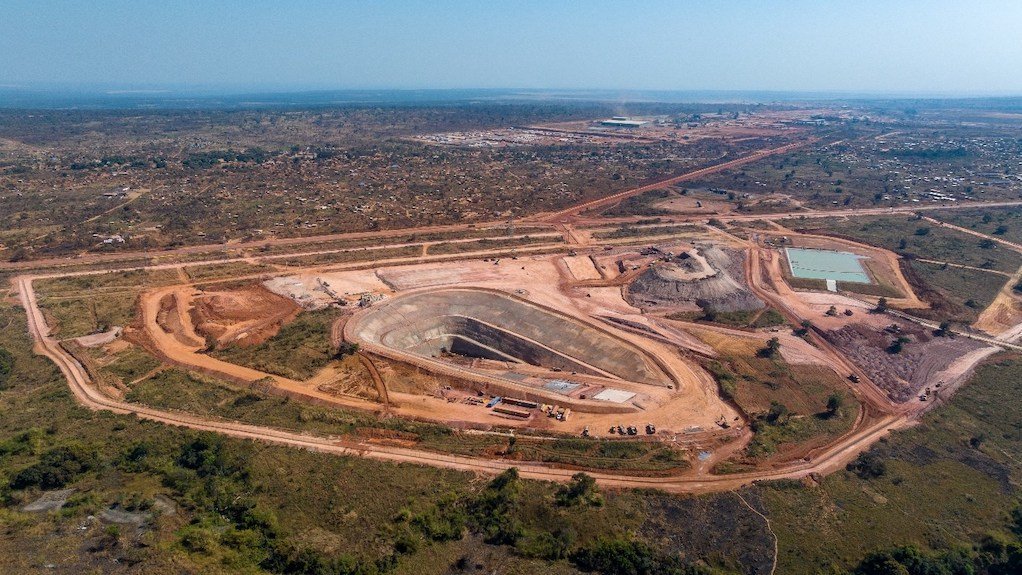
Kamoa-Kakula Copper Mine in DRC has now topped Africa as the biggest copper mine in Africa. The site now produces 800,000 tons annually.
Canada and China own combined shares of 80% while DRC government settles with 20%.
5/ The constraint is still delivery. A signed framework and secured permits are not electrons on the wire.
The test is whether the $300m package closes and the 200 km line is built on the schedule the parties are now selling.
Source: Trafigura release, Kinshasa, 6 October 2026.
1/ DRC and Zambia just moved a real cross-border power line, not a concept note.
On 6 Oct, FIS-RDC, EnPower, Trafigura and Gridworks signed a strategic framework agreement to finance, build and operate a 200 km high-voltage interconnector from Kalumbila (Zambia) to Kolwezi (DRC). 🧵
4/ The trade is two-way on paper. DRC mining and industry get a new source of competitively priced imports.
Zambian producers get export capacity and a transmission outlet they do not fully have today.
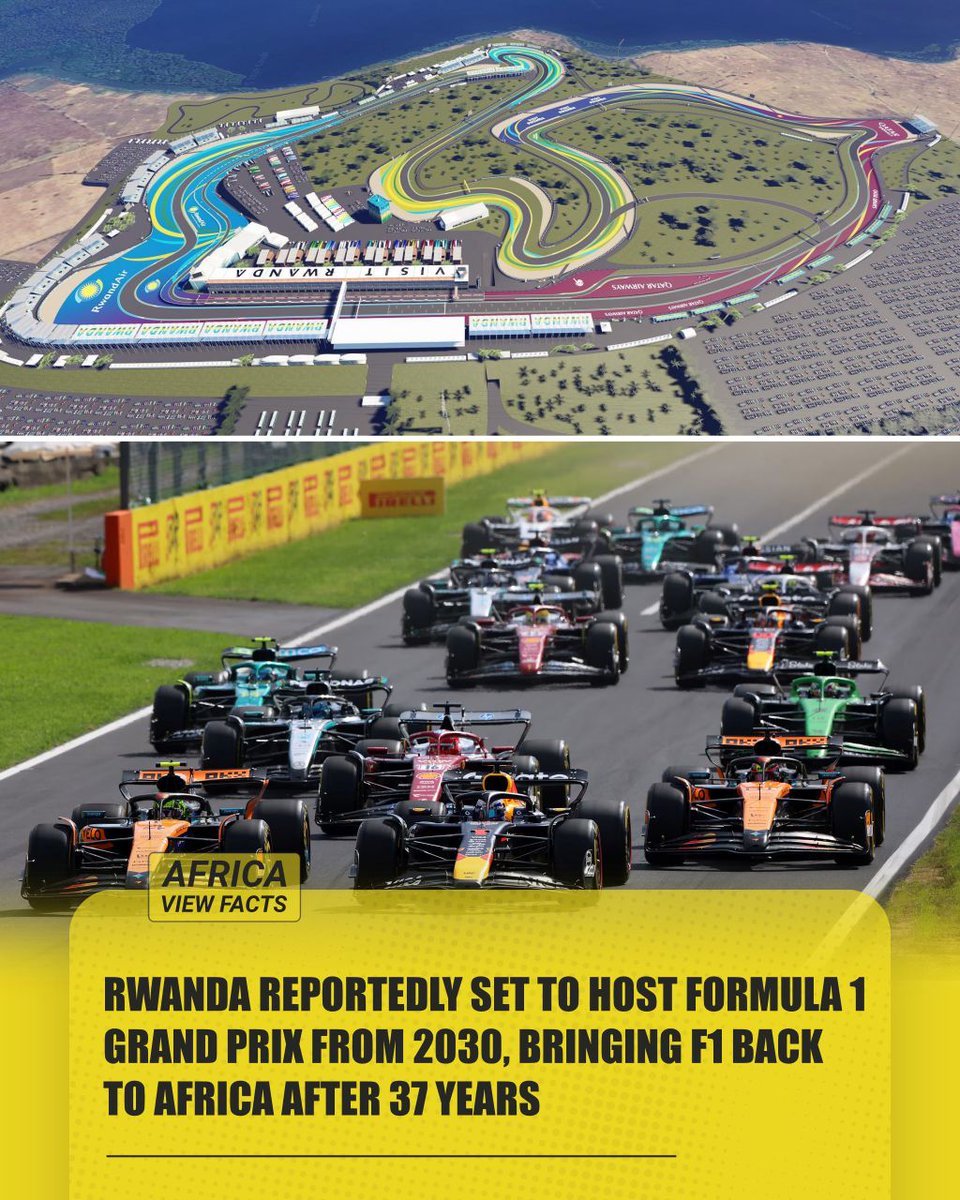
Formula 1 is reportedly set to return to Africa after 37 years, with Rwanda 🇷🇼 lined up to host a new Grand Prix from 2030.
A new permanent circuit is planned about 40 km from Kigali, near Bugesera International Airport, with design work linked to former driver Alexander Wurz.
An agreement has reportedly been reached, and an official announcement could come later on this year.
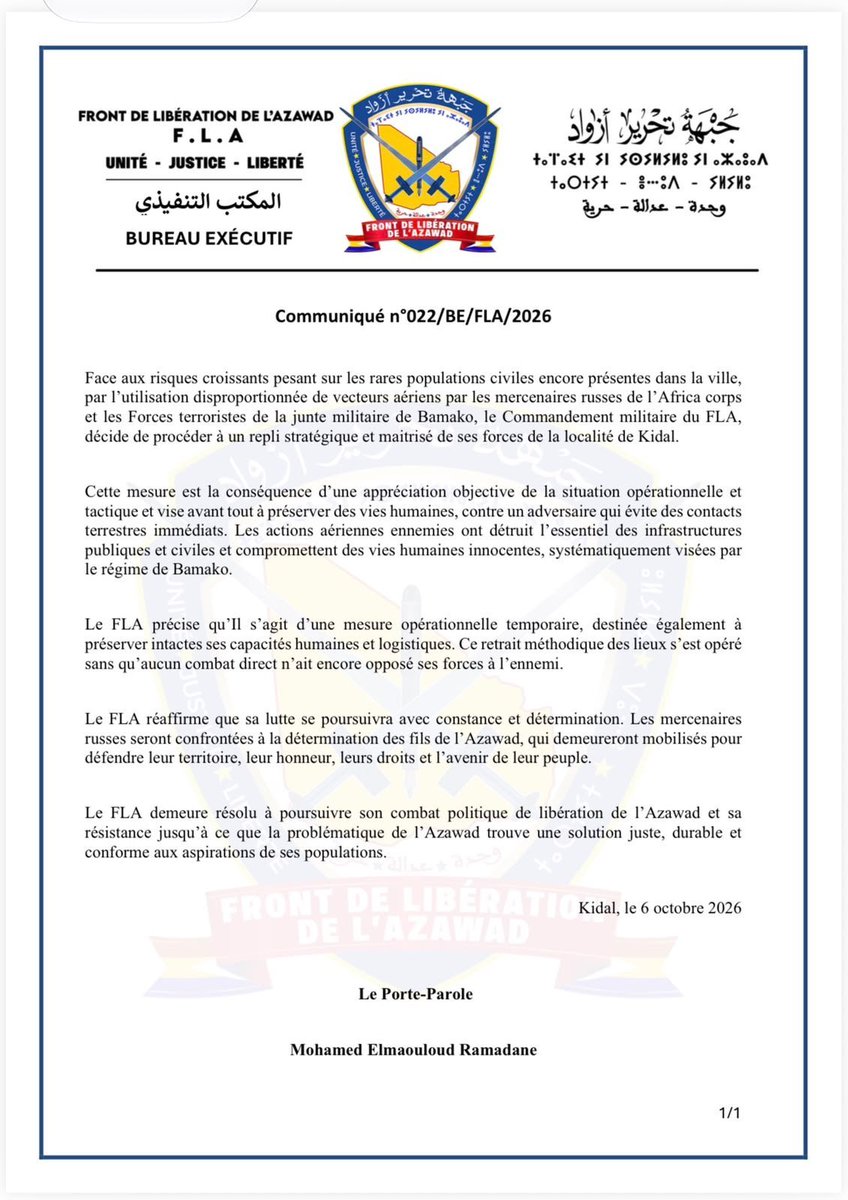
🔴 ÚLTIMA HORA - Situación crítica en MALI
Atención porque el FLA anuncia su repliegue de la ciudad de Kidal.
Las Fuerzas Armadas de Mali y los mercenarios rusos de Africa Corps se acercan a la ciudad. Un enfrentamiento podría saldarse con muchas víctimas.
El grupo independentista anuncia proceder a un repliegue estratégico ante los riesgos crecientes que pesan sobre los civiles presentes en la ciudad.
Esta medida busca, según el grupo de Azawad, preservar el mayor número de vidas humanas.
El FLA afirma que se trata de una medida operativa temporal y reafirma que su lucha continuará con constancia y determinación: "Los mercenarios rusos se enfrentarán a la determinación de los hijos del Azawad".
@WaMaps_News
Imágenes del Ejército Etíope desfilando por la calle tras tomar Mekelle, la capital del Tigray.
Lo curioso de este conflicto es ver la huella de los actores extranjeros: Israel, Emiratos, USA, China...
Aquí podemos ver obuses autopropulsados de 155 mm SH15 fabricados en China.
Airstrikes and artillery fire hit northern Ethiopia's Tigray region overnight into Monday morning, aid sources said, almost two weeks into clashes between federal government and rebel forces that have raised fears of wider fighting. https://t.co/GY52nw55Dd
Top 10 African countries that received the most U.S. foreign aid in 2025
1. Ethiopia - $920 million
2. DR Congo - $750M
3. Nigeria - $730M
4. Sudan - $709M
5. Kenya - $655M
6. Mozambique - $584M
7. Uganda - $513M
8. South Sudan - $507M
9. Somalia - $498M
10. Tanzania -$480M
https://t.co/wAnwByJqb3