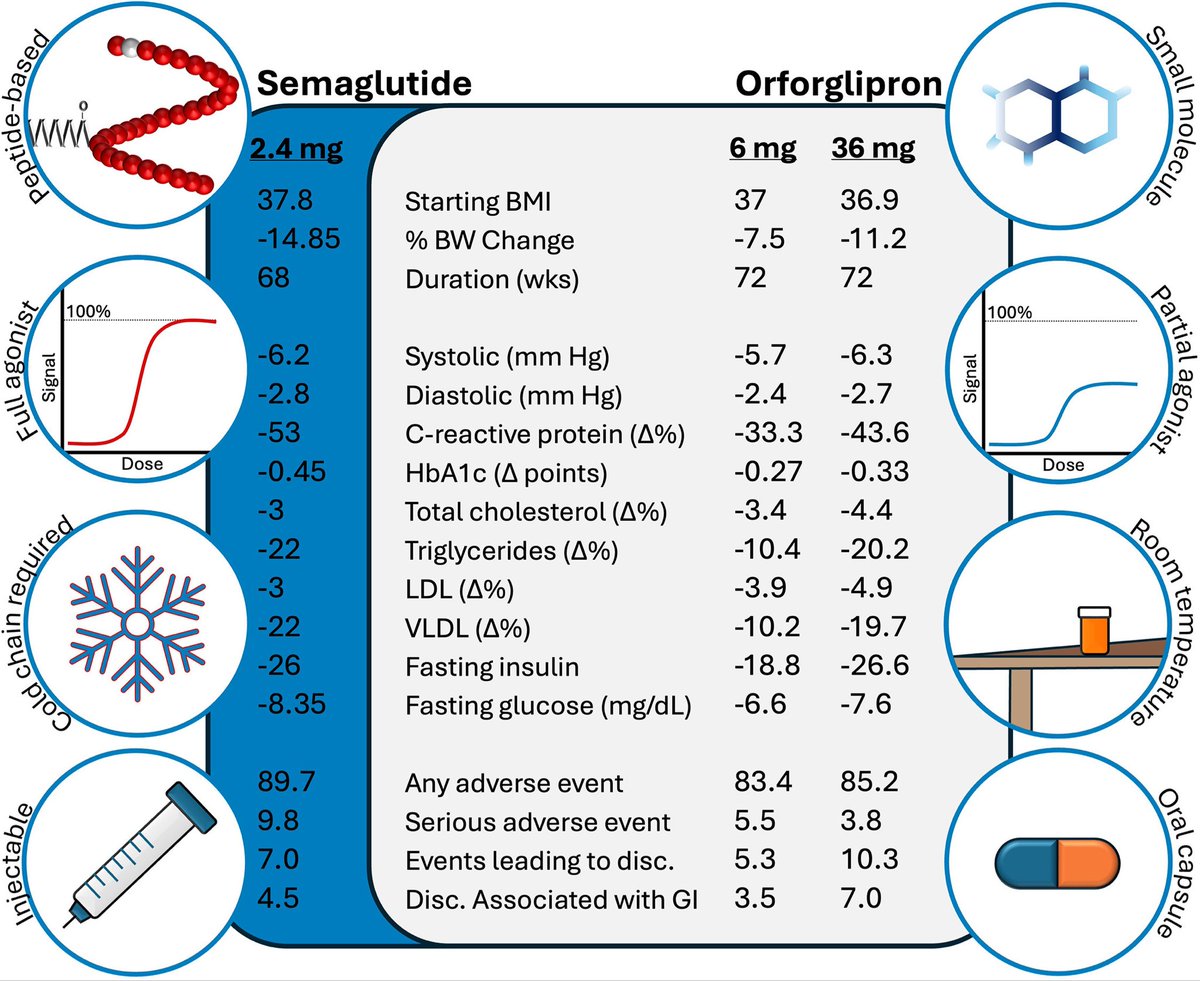
Another GLP-1R agonist is nothing new, but the first phase 3-trialed small molecule GLP-1R agonist has shown potential to change the landscape of treatment, combinatorial potential, and equitable accessibility. Want to know more? Below is our view!
https://t.co/9YXVyQInNs
This drug was discovered in the funniest way imaginable BTW. There was a theory that allopregnanolone could treat NPC -- but because it's a greasy neurosteroid with terrible water solubility, a group of researchers dissolved it in a pharmaceutical excipient called "hydroxypropyl-beta-cyclodextrin" (HPβCD for short, basically a really funky-looking cyclic oligosaccharide), which was supposed to make it easier to administer in NPC disease model mice.
What's insane is that what they discovered instead was that the SUGAR was actually improving the prognosis of the disease, not allopregnanolone! Since Niemann-Pick C is a disease of intracellular cholesterol trafficking (i.e. where cholesterol gunks up lysosomes) -- and HPβCD acts as a kind of "cholesterol trap" that helps dislodge and clear up this lysosomal buildup of cholesterol -- it ended up being an incredibly effective way to ameliorate the pathology of the disease.
So this molecule, which is structurally very similar to the cyclodextrins used in Febreze... nearly doubles median survival in patients with infantile-onset NPC. Amazing story of A) serendipitous drug discovery and B) creative drug repurposing.
Your move, @DarioAmodei
The Lean FRO and Mathlib Initiative have released a joint statement on the Lean verification of the Riemann Hypothesis.
On November 20, Levent Alpöge released a proof of the Riemann Hypothesis as a Lean library of 17 million lines of code. Over the past day, the Lean and Mathlib communities worked together to verify it. The statement certifies the proof as correct and describes how it meets all necessary verification criteria.
Congratulations to Levent on this achievement, and thank you to everyone in the community who contributed to the verification.
Full statement: https://t.co/edxEbkodw7
🎙️Meet the EASD Rising Stars of 2026!
Nick Thomas (@UniofExeter), @AaronNovikoff (@HelmholtzMunich), @carla_horv (@ETH) & Sarah Stinson (Oslo University Hospital) joined EASD TV to discuss their research & career journeys.
🎧Listen now: https://t.co/PIyXuwTybq
#Diabetes
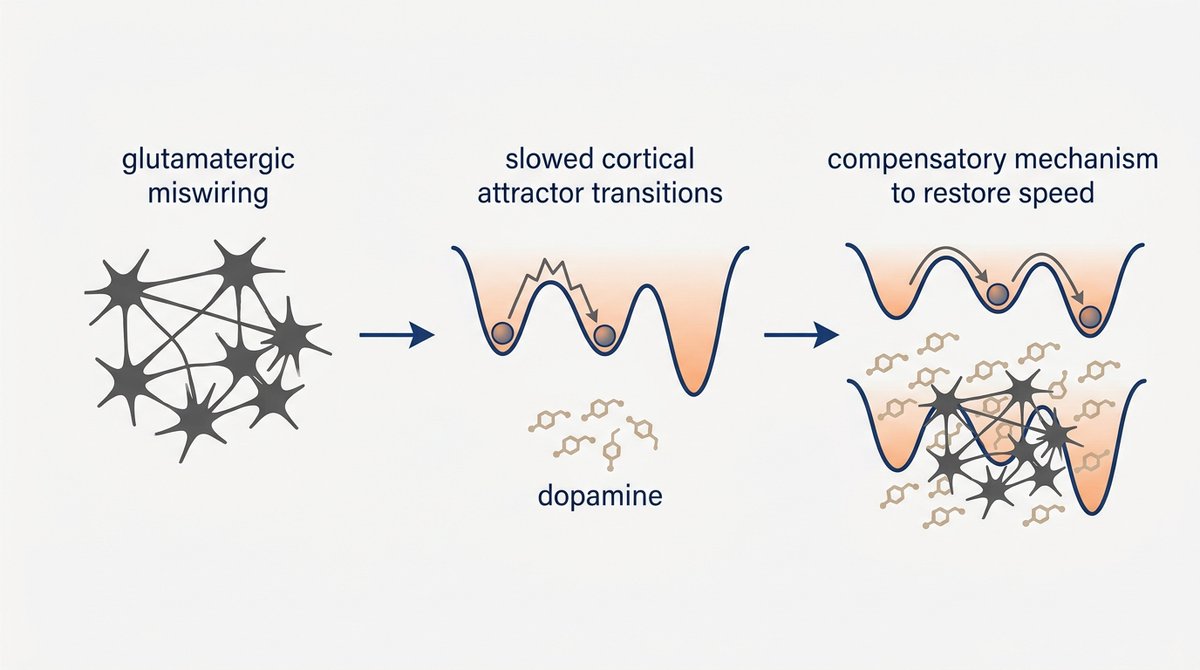
The control limit hypothesis proposes that schizophrenia stems from glutamatergic miswiring that slows cortical attractor transitions, prompting the brain to raise dopamine as a compensatory mechanism to restore speed. This reframes high dopamine as a response to underlying circuit dysfunction rather than the primary cause, explaining why antipsychotics alleviate psychosis without improving, or potentially worsening, cognitive performance.
https://t.co/gu3Qkm1PLE
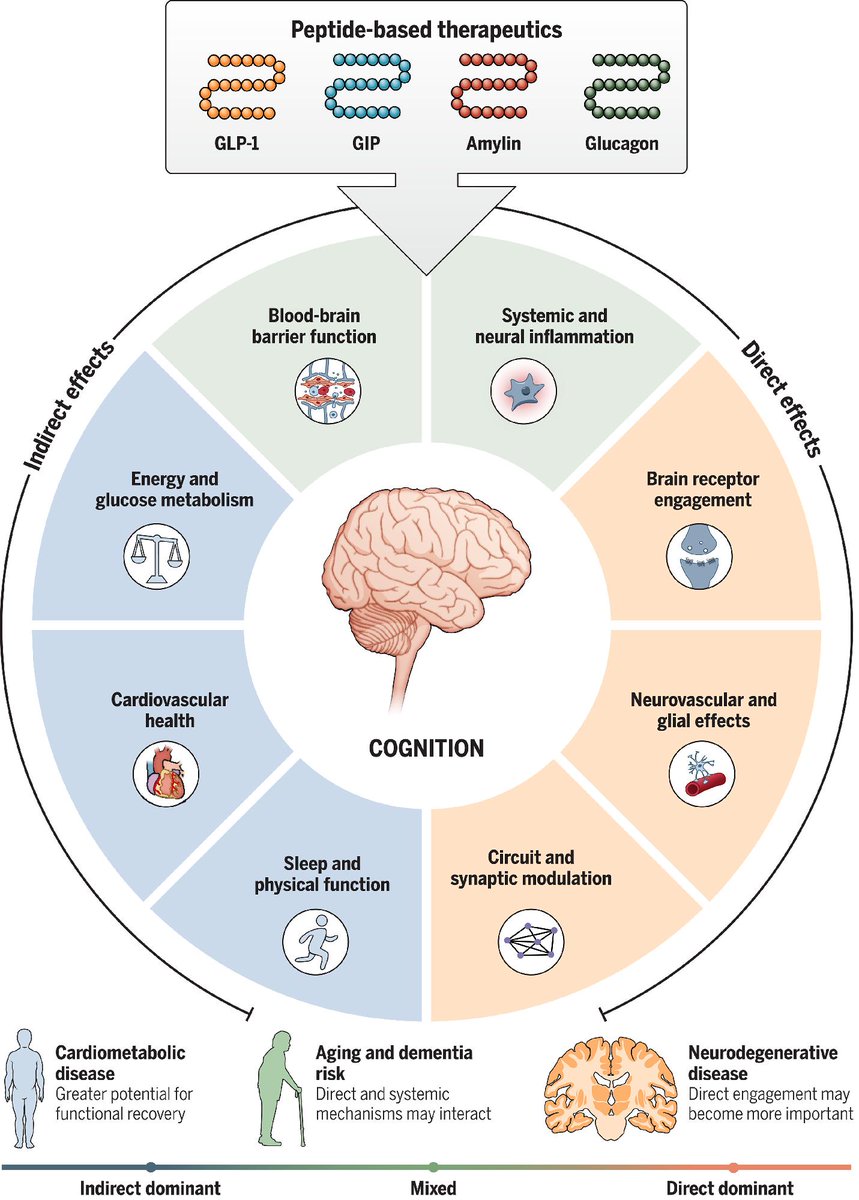
In a new #ScienceReview, researchers discuss the emerging effects obesity medications, such as GLP-1-based therapies, have on cognition and brain health.
Learn more: https://t.co/YUgIt8wxFI
The intellectually bankrupt framing of CFP expansion as this 1:1 value proposition of trading bowl games for playoff games is the stupidest part of it all.
Whatever value bowl games had was fixed to begin with…you either care or you don’t. The only value you’re actually redistributing here (not creating) is coming from regular season Saturdays.
Unfortunately there is a small but influential group of people incapable of defining value in CFB unless a CFP sticker is slapped onto the sentence.
Here’s to hoping proper leadership is in place by the time this deal expires.
By studying G protein–coupled receptors in mouse hippocampal slices, scientists provide new evidence of unconventional receptor signaling that has implications for the function of synapses in the brain. @SciSignal https://t.co/FdZ42x1Z63
Whoever at @Revolut suggested targeting advertisements within the connecting corridor between the terminal and plane, give them a raise.
On the go, changing countries, currency exchange, all in one place on your phone? Fantastic. That’s the corridor.
#hatethatihadtosayit
today i learned that Elon is getting into space drugs
it's called Starfall and it's basically a flying drug lab
> drug companies pack their ingredients into a 10-foot-wide capsule
> a SpaceX Falcon 9 rocket carries it into orbit
> the drugs grow on their own with nobody on board
> then the capsule falls back to Earth and parachutes into the Pacific
the reason they go through all that hassle is that drugs come out way better when they’re made in space
because the tiny crystals they’re made of grow evenly up there instead of lumpy like they do on Earth
take Keytruda, the best-selling drug in the world
scientists grew its crystals on the space station, which helped turn it from a 2-hour IV drip into a 1-minute shot
and the craziest part is that some medicine might only be possible to develop up there
for example: scientists couldn't get clean crystals of a key Duchenne muscular dystrophy protein on Earth
but the ones grown in space finally showed its shape and led to a new drug that went into human trials
so i think space will unlock a whole new class of drugs that are impossible to make on Earth
Hunger activates a single octopaminergic neuron (VUMa3) that drives ethanol seeking via the γ2 mushroom body compartment. This circuit motif links internal state to alcohol memory. Human relevance requires further study in mammals.
https://t.co/yhJ3SlJMRc
If I had a spare billion I’d invest in Blown Away, I’m talking reinstating the show, feeder schools of entrants, public competitions/celebrations, everything. Not often can the creative process be so well captured within a 20 minute period. I love it
@BlownAwaySeries@netflix
🔔 A new paper was published online earlier this month on nisotirostide, Lilly’s investigational NPY2 (neuropeptide Y2) receptor agonist. Lilly is currently investigating niso for T2D
The amino acid substitution profile was optimized to enhance NPY2R selectivity over NPY1R, NPY4R, and NPY5R relative to native PYY3-36.
In pre-clinical mouse studies:
▪️vehicle (placebo) mice gained 3%
▪️dulaglutide (GLP-1) treated mice were stable
▪️nisotirostide treated mice lost between -1 and -12%
▪️mice treated with a dula/niso combo lost -18 to -31%.
In P1 clinical (human) single ascending dose studies:
▪️t 1/2 was 8-10 days
▪️In healthy patients, an initial drop was seen in the first 4 days but then rose (niso doses 0.025mg to 1mg)
▪️In T2D patients, everyone received 1.5mg dulaglutide (with escalation of dula for 5-6 weeks prior to the niso dosing) and then patients received an either placebo or niso doses ranging from 0.075mg to 1mg. On the highest combo dose, patients lost up to 2kg and maintained that through 6 weeks.
🤢Vomiting was definitely an issue on the higher doses in this single ascending dose study, so titration will definitely be KEY.🔑
Paper: https://t.co/oAwKebYprE
Nisotirostide is currently in a Phase 2 T2D study as an add-on to semaglutide or tirzepatide treatment.
https://t.co/98te1uX9Sg
PF-07976016 Tests Small Molecule GIPR Antagonism in Obesity | https://t.co/0a5Mj2QdEz
PF-07976016 is an orally bioavailable small molecule GIPR antagonist developed by Pfizer for the treatment of obesity, including in combination with the GLP-1R agonist liraglutide. Following efficacy in a DIO mouse model and favorable PK supporting once-daily dosing, PF-07976016 advanced into clinical evaluation.
Although Pfizer discontinued the program after a review of Ph. 2a data, PF-07976016 provides an interesting case study in the clinical translation of GIPR antagonism—and the challenges of targeting the increasingly complex incretin axis.
Check out our article to learn more about the rapid discovery campaign behind PF-07976016, its preclinical profile, and how it fits into the evolving landscape of GIPR-targeted obesity therapies.
Read more on Drug Hunter: https://t.co/0a5Mj2QdEz
Not sure if $VKTX will report tomorrow early data on amylin 3019 SAD results. It is irrelevant for what SP could become next year.
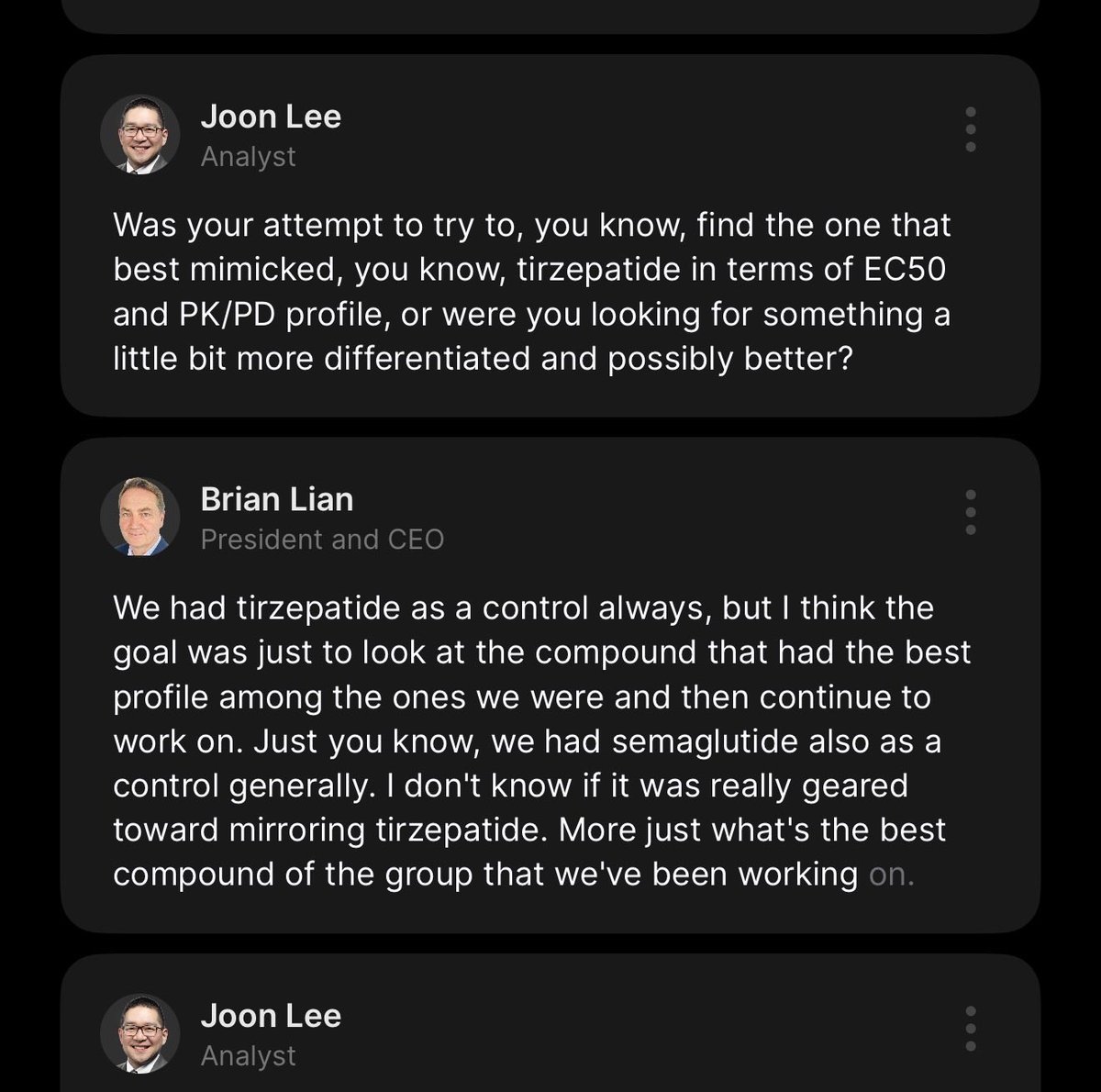
The unknown to institutions is vanquish performance on efficacy and tolerability. What I track is very encouraging and C/W phase 2 and maintenance.. tolerability is excellent and DC rate is low.
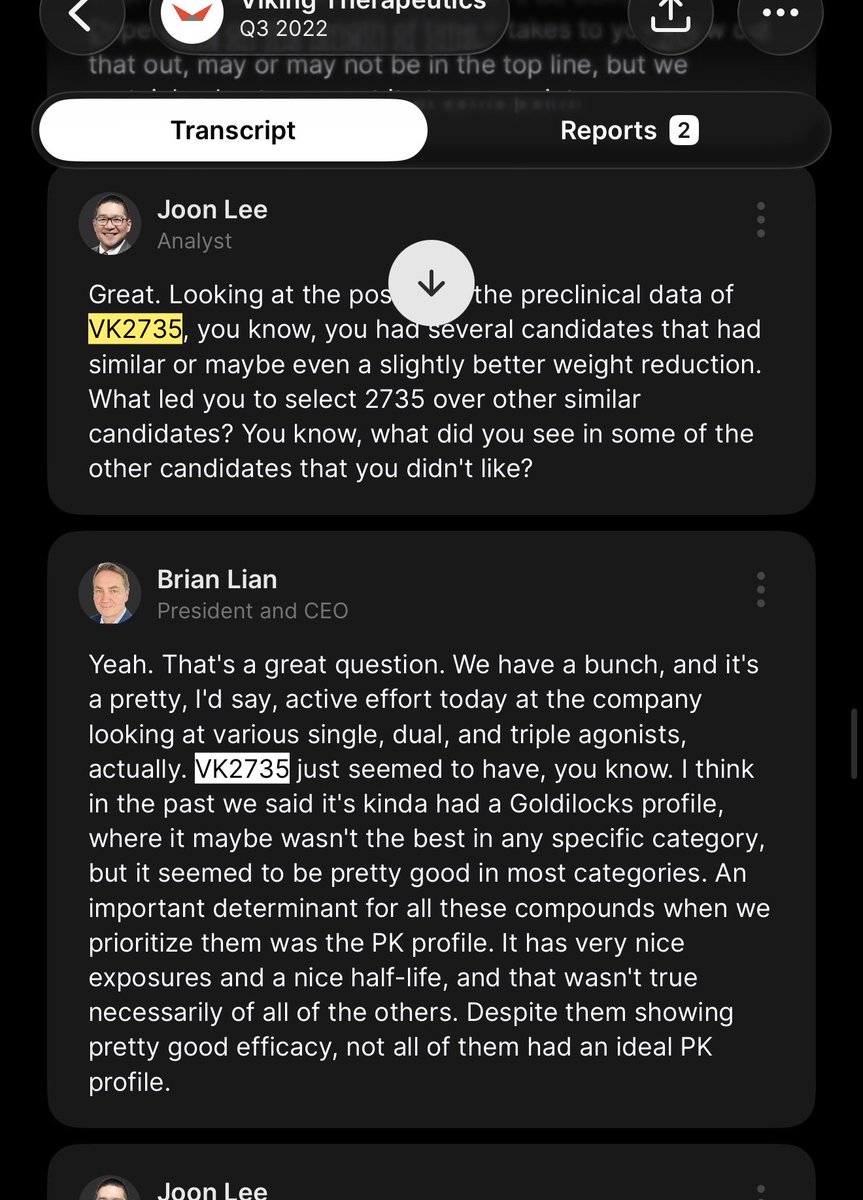
Can’t get exact numbers on efficacy in blinded fashion but $LLy TZP achieved > 20% wt loss in 55% of pts at the end . Retatrutide number was 64% at ITT analysis. What I gathered so far point to Vk 2735 getting > 60% of pts achieving same wt loss level ( > 20%) and trial not finished yet.
One could question why Vk decided on a peptide with identical aa to TZP and different lipid chain. From BL in 2023.. excellent PK was the primary motivation and it actually worked well as seen in maintenance..
my understanding patent people already cleared any issue with Lilly as VK passed multiple freedom to operate analyses and got multiple patents on composition , crystals , oral , schedule and monthly. The fact that Lilly also did modest modifications of $NVO NN2746 to come up with TZP makes any patent debate look silly .
I included BL clarification as they looked at different peptides and D Ricks prediction of what approached competitors might pursue in obesity.