Jangankan untuk langsung "Kembali ke Al-Quran dan Sunah", untuk bisa menelaah kitab-kitab pun mempunyai tahapannya. Di bawah ini adalah urutan dalam membaca kitab-kitab fikih, khususnya fikih Syafiyyah.
#NewRelease#OpenAccess
Canon and Censorship in Islamic Intellectual History
eds. Mohammad Gharaibeh et al. De Gruyter 2026
PDF 🎯
https://t.co/wAhgBjhDBn
https://t.co/XzjA7Mgk5S
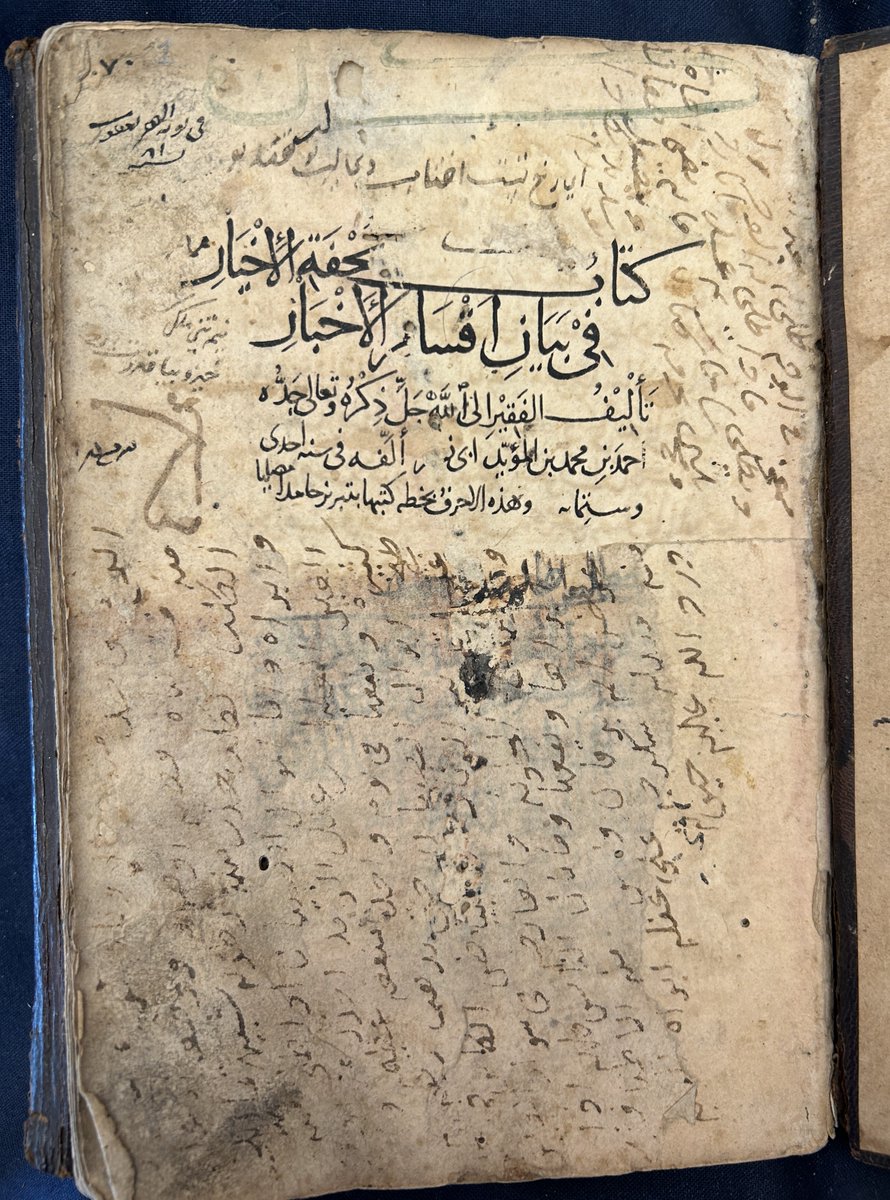
Elimizden gidenlerden. İbnü’l-Müeyyed’in Tuhfetü’l-Ahyâr fî Beyâni Aksâmi’l-Ahbâr'ının en erken nüshası. 2022’deki neşirde bu nüsha yok. Eserin yazıldığı 601/1205 tarihinde İshak b. İbrahim Secâsî tarafından Tebriz’de istinsah edilen nüshayı daha da değerli kılan ise zahriyede ve son sayfada müellifin el yazısını barındırması.
#NewPublication
Sufism in Ottoman and Post-Ottoman Europe
Entanglements in Past and Present
eds. Cem Kara et al. Routledge 2026
#OpenAccess Preliminary Material & Ch I. Entangled Sufism in Ottoman and Post-Ottoman Europe: An Introduction
Preview PDF 🔽
https://t.co/6hWmKYErov
Join us on 26th February 2026, for a seminar on 'The Principle of the Rule of Law in early Islam' by Professor Ahmed El-Shamsy, University of Chicago.
In-person, open to all and no registration required.
#Hilaryterm#oxfordcentreforislamicstudies
Hashiya was created as a space for Scholarship at the Edge, rooted in the Islamic tradition. As we reflect on our first issue, we want to hear your feedback.
Take our short 5–10 minute survey to help shape the future of Hashiya: https://t.co/JpNrCSngO4
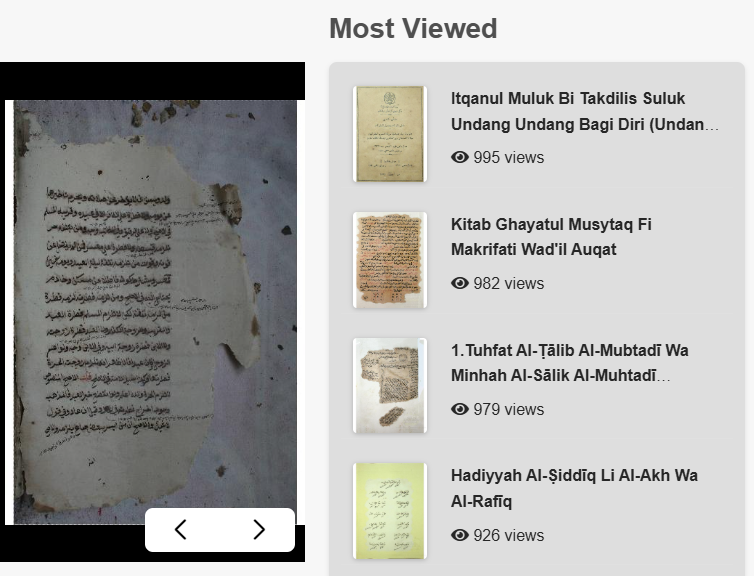
The UniSZA e-manuscript portal contains over a thousand digitised manuscripts in Arabic and Malay (and Javanese and Acehnese), mostly from Malaysian and Indonesian collections, and is fully and freely accessible once you register and log on: https://t.co/0RThejdWAv
Forthcoming conference at the Indonesian International Islamic University (UIII) in Jakarta on 19-20 August 2026 on “Manuscripts and the Diversity of Islam(s) in Southeast Asia" https://t.co/XMmY7Cn3xS
مخطوطات عربية وإسلامية:
مكتبة الشرق الأوسط الرقمية - DLME
https://t.co/C0dYebvJBK
الكتابدار
https://t.co/PjmnWMF7nG
Princeton University Library
https://t.co/yWxTqjMbA0
المكتبة البريطانية
https://t.co/Od0KfnkNCl
By the 16th century, humanist scholars were systematically erasing Muslim contributions from the history of algebra.
They replaced al-Khwārizmī with Diophantus, dismissed Arab influence as a "barbaric defect," and claimed French genius instead.
This pattern repeated across every field. Jonathan Lyons shows how: https://t.co/D7YiLalRW1
There is some alarmism in the West about the supposedly imminent “Islamist takeover” of the world.
But Faisal Devji's new book, "Waning Crescent: The Rise and Fall of Global Islam," offers a counterview: Islamism is waning.
My review for @LawLiberty:
https://t.co/SIwlnfLOni
🧵Unpopular opinion: after more than two years of closely following and reading Western academic studies of Islam, l've come to a blunt conclusion: Muslim apologists are SOCIALLY justified in their disdain toward the field. (1/19)