Argentina’s behavioral crisis in the World Cup final has brought to light traits many of us in Latin America have internalized and that we need to come to terms with.
In many countries, emotional self-control and the ability to admit mistakes are seen as virtues. A behavioral problem in parts of Latin America is that there are social circles where the opposite is often celebrated.
This is the idea that someone who remains in control of their emotions is a coward or, depending on the situation, a traitor.
If someone offends you, your family, your team, the reaction that is celebrated in these circles is not restraint but flipping the table. The more berserk you go, the more you show that you care. That is a harmful value to hold, and also, one that many of us once shared. I certainly had it internalized when I left Chile 20+ years ago. In fact, I’ve spent much of my adult life trying to unlearn what I grew up believing was the socially acceptable behavior.
The second trait is an unwillingness to admit mistakes. You can always find an excuse, move the goalposts, or, once again, start a fight instead of publicly accepting that you’ve made a mistake. Admitting fault is a sign of weakness. Defending a losing position is a symbol of courage or, in sports, a test of loyalty.
Together, these two traits are behavioral dynamite. People explode because they cannot admit fault, and double down. Instead of learning from their mistakes, they become prisoners of them.
I grew up watching football with my father. When I was 10 or so, I was learning what was right and wrong from the way he interpreted the game. This included behavior both on and off the field. Only later in life did I realize that every penalty he called for, or contested, had little to do with the play itself. Whether a call was fair depended entirely on which team benefited. He was happy if his team received a nonexistent penalty or an opposing player got an undeserved red card.
These traits are among the things that pushed me away from the continent. They are certainly not exclusive to Latin America or the Southern Cone. I’ve encountered them in people all over the world. In an important sense, these are behaviors that all of us exhibit as children. What strikes me as unusual from the place I am from is having been part of social circles where these behaviors were not seen as flaws of character but as virtues to be admired, celebrated, and enforced.
These excessive forms of pride are not conducive to learning. They make it psychologically difficult to update one’s beliefs, accept responsibility, or improve. Although they become particularly visible in sports, they are by no means confined to them.
Something I am proud to have learned is to apologize quickly and often. Not because it is too difficult, but because it was like learning a new language at old age. That doesn’t mean becoming a pushover. But I’ve learned that a man who never apologizes cannot be a man of integrity, because we all make mistakes.
Argentina’s behavior on and off the field during the World Cup final was, to me, a particularly blatant expression of values that many people continue to defend. In some circles, these attitudes have become intertwined with ideas of national identity and loyalty. Yet they are shackles that ultimately limit our development, not because they make us lose a football match, but because they make it harder for us to learn from our mistakes.
The right thing to do now is the least likely: offer an honest apology. If my interpretation is even partially correct, we are more likely to see the opposite. Never back down. Never apologize. Never control your emotions. There is such a thing as having the wrong values. I hope that one day we can do better.
🔴 ATERRADOR: Se ha revelado que más de 350 cristianos, incluyendo hasta 60 niños, fueron masacrados y quemados vivos por islamistas en Nigeria entre el 5 y el 6 de julio.
Las comunidades fueron masacradas y las iglesias destruidas.
https://t.co/hV7uQ9uZKd
BREAKING:
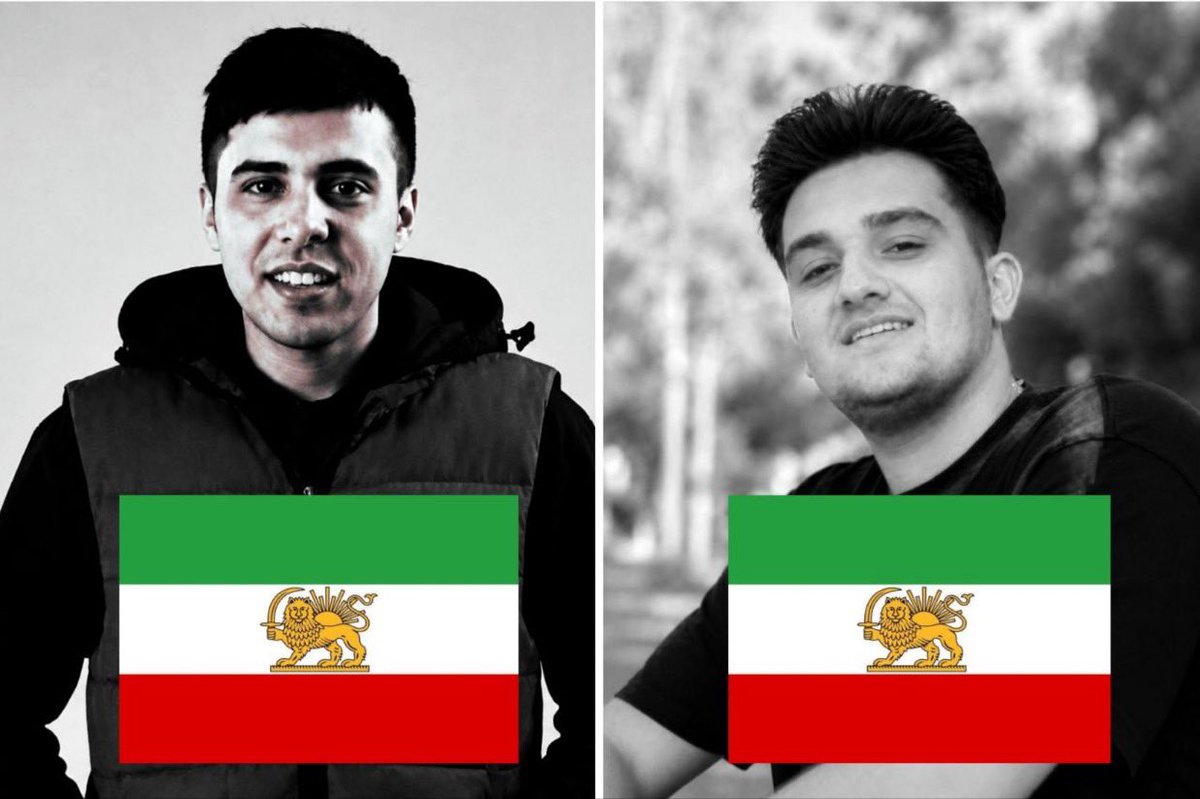
The Islamic regime in Iran just hanged 19-year-old Erfan Esfandiari and 23-year-old Gol Mohammad Mohammadi.
For taking part in the anti-regime protest in January, they were hanged secretly at dawn in Dastgerd Prison in Isfahan.
Murdering 40 000 anti-regime protesters in just two days wasn’t enough for the Mullah regime. They still want to kill more protesters.
During her 482 days of captivity, Hamas terrorists in Gaza sexually abused her almost every day.
They broke her ribs and starved her.
While held hostage in Gaza, she attempted suicide three times simply because she was Jewish.
Arbel says, "I tried to take my own life three times. I felt I couldn't go on. There were moments when I felt that was the only way out."
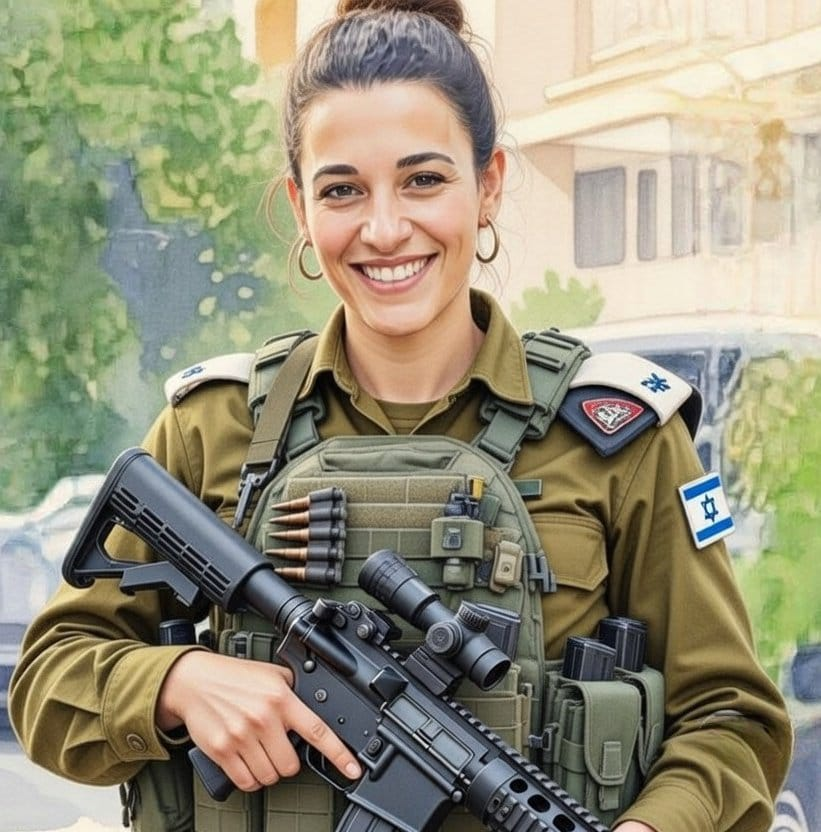
This is the harrowing experience of Arbel Yehud, an Israeli woman who was held hostage.
She is truly an extraordinarily brave woman. After surviving 482 days of hell, she asked how long it would take before she could fight again.
"I want to fight for Israel. I want to repay my debt to Israel."
A salute to this brave woman. She is an inspiration to the millions of peace-loving people fighting against radical Islamic terrorism.
- @heart_ISR
La capacidad de prohibición bruselense es inagotable.
Le Figaro - à lire : Textile : l’Union européenne interdit depuis ce dimanche la destruction de vêtements, accessoires et chaussures invendus https://t.co/nfD2oPUSVd
Estimados amigos, soy José Luis Rancaño, de La Dalia Films, productora del cortometraje “27 Minutos”.
El 6 de enero de 1979, día de Reyes, ETA mató a tiros en Beasain a un guardia civil y a su novia de 24 y 20 años, que iban a casarse en verano.
Después de dispárales en su coche, mientras se desangraban, el claxon sonó durante 27 minutos, sin que nadie fuera a auxiliarles.
Este cortometraje es un pequeño homenaje a los “novios de Cádiz”, Antonio y Hortensia
Ella fue la primera mujer asesinada por la banda por ser pareja de un agente.
Contra el proceso de blanqueo de la banda terrorista ETA, nos gustaría dar toda la visibilidad posible a
“27 Minutos”.
Pedimos que lo compartáis con las personas de vuestro entorno y en redes sociales utilizando #27minutos para contrarrestar el del pasado día 22 de septiembre en que se estrenó del documental “No me llame Ternera” del periodista Jordi Évole, durante el Festival de Cine de San Sebastián.
Nuestro cortometraje no cuenta con ayudas o subvenciones públicas y nunca se podrá ver en plataformas comerciales ni en televisiones públicas ni privadas.
“27 Minutos” es una obra contra el olvido y un sincero homenaje a todas las víctimas de la banda terrorista ETA.
MUCHAS GRACIAS POR VUESTRA COLABORACIÓN CONTRA EL PROCESO DE BLANQUEO DE LA BANDA TERRORISTA ETA.
Link de “27 Minutos”: https://t.co/ID2CebTuKB
🚨🎙️BREAKING: FIFA President Gianni Infantino:
“We are aware of the political message display from Argentina. We understand it’s against the rules but we also know it’s a matter of their nationality and we respect it.
We will make a decision after the final.”
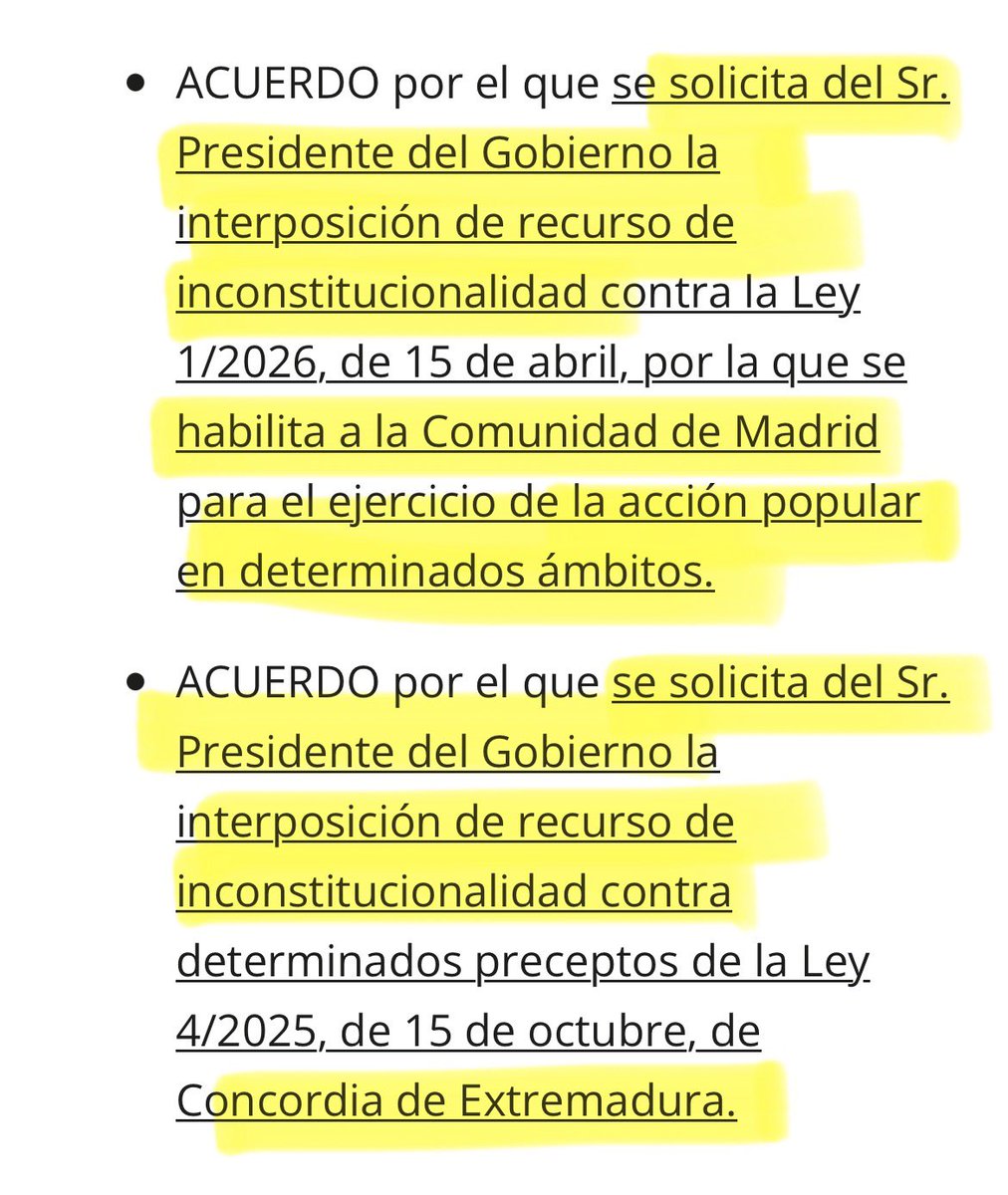
⭕️ ¿Sabían que el martes pasado se decidió en el Aquellarre Progre (consejo de ministros) que Sánchez presentara 2 recursos de inCE al Tribunal Constitucional (de su amigo) para:
-Que Ayuso no pueda ejercer la acción popular.
-Que se anule la ley de concordia extremeña.