Companies invest where they expect to compete successfully and can make a decent return.
Investment has diverged globally, stalling in Europe, shifting in the US, and increasing markedly in China.
See where investment happens and why: https://t.co/juA8mxnw6w
Students are learning how to lead from the politicians, business executives, and university presidents around them. Unfortunately, too many of today's most prominent leaders are teaching the wrong lessons. https://t.co/UNJ0ZPivVl
Discover the six leadership styles that can help managers adapt to different situations and team needs. From coercive to coaching, learn when and how to use each style to boost morale and drive long-term growth. https://t.co/bMAZpkAMDi
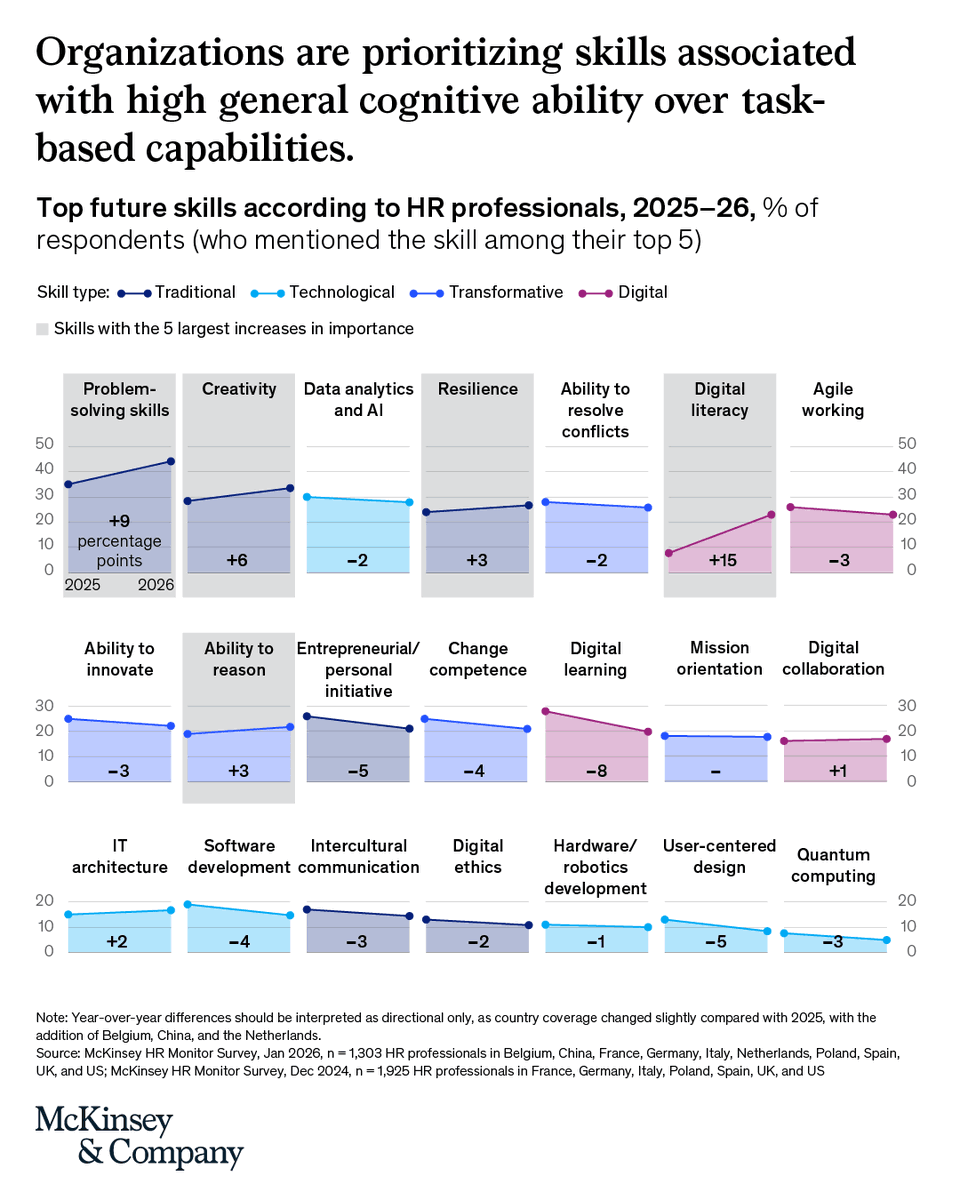
The path to expertise is changing.
As AI handles routine work, organizations are prioritizing judgment, creativity, and resilience—and rethinking how employees build them through coaching and real-world experience. https://t.co/fHQAVXo4WW
As AI capabilities improve, competitive advantage depends less on technology itself and more on leadership decisions: where to build proprietary advantage, how to deploy human-agent teams, and how to accelerate adoption. https://t.co/hZm7vJkZ8B
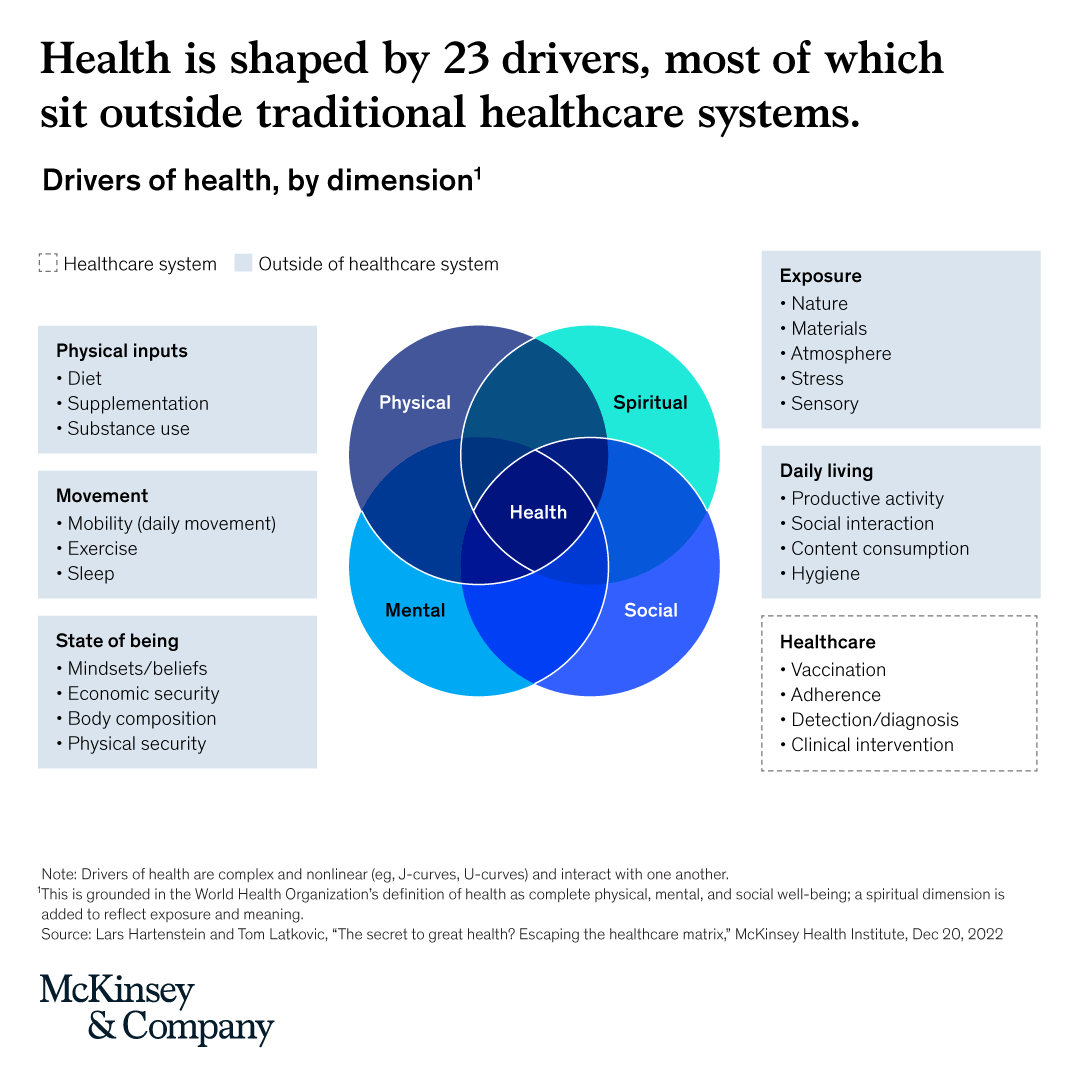
One shift that's becoming harder to ignore: Many of the biggest drivers of health sit outside the healthcare system.
Leaders are starting to think about healthy living as an economic strategy, not just a healthcare one. https://t.co/x1jdRLQXlX
"If you enforce conformity of background and thought, you inevitably end up with a room full of people who share the same blind spots. And the worst part is, nobody knows it." https://t.co/u0Vqam8pZF
New burnout data shows why steady output can hide overloaded employees, after-hours work, and the costly gap in what managers actually see each day. https://t.co/MjT4rKd7GE
Stress has become so common that many Americans see it as just part of life. APA CEO Dr. Arthur C. Evans Jr. says that’s a problem. Chronic stress takes a toll on well-being—and we shouldn’t accept it as inevitable. Read the 2026 Stress in America report: https://t.co/vbYrdvnKeh
Managers improve not by consistently emphasizing traditional or emerging leadership tactics, but by developing the ambidexterity to move between the two as the context requires. https://t.co/BXu8y8qvp2
Bringing on seasoned leaders in “fractional” roles can help companies gain expertise without the expense and commitment of a full-time hire. https://t.co/OJwWhsvzvN