Scientists have developed an energy-efficient, #brain-inspired #localization system that enables small robots to perform visual place recognition while traveling over 8 kilometers. @QUT
Read more in Science #Robotics: https://t.co/AdQxFKpdGM
A new Science #Robotics study describes LENS, a #neuromorphic#localization system that enables small robots to perform visual place recognition in real-time while using less than 8% of the energy required by other systems. @AdamDHines
https://t.co/AdQxFKpdGM
Out now in @SciRobotics, we developed an ultra-compact and energy-efficient robotic localization system.
Maps up to 8km using just 180kb using mW of power using fully event-driven vision and neuromorphic proccesors.
https://t.co/HfbWIUajWj
Our system, Locational Encoding with Neuromorphic Systems (LENS), is fully open-source and documented for your next event-based place recognition implementation
Code - https://t.co/fsl21yL31U
Documentation - https://t.co/NA3a2VCbqX
@joensuumerja Trusting your gut with the ‘vibe check’. Was the PI late to your first meeting or interview? Did the questions they asked you make you uneasy? Little things can add up to a picture of how you will be respected and treated as a postdoc.
Our JNeuro paper is out now in full and was featured by @SfNJournals as one of the most discussed articles for the entire month of May. Great to see so much discussion and interest in our work understanding how general anaesthetics work 🔬🧠
Full paper 📄 https://t.co/53TsmzjmOF
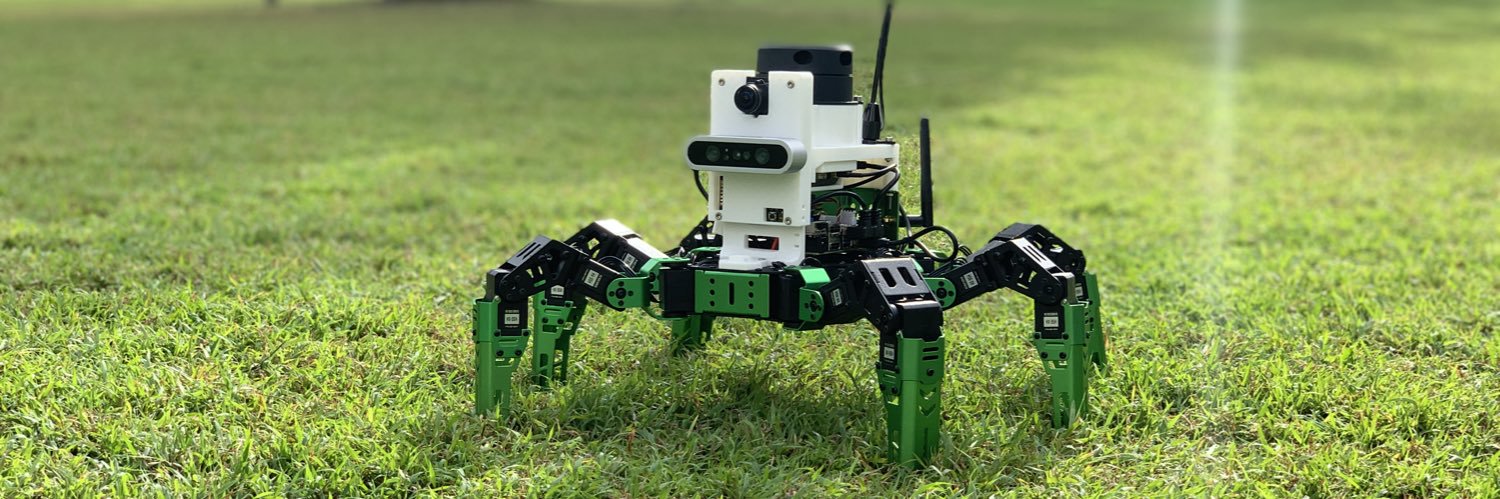
Playing around with our Hexapod robot and getting ready for some upcoming experiments!
Definitely turns heads around the @QUT Gardens Point campus as she scuttles about 🤖
A (nearly) whopping 80k people read my article in the @ConversationEDU - with a few media follow-up requests to boot. Great to see the interest in what we found with general anesthesia
If you haven't seen it yet, check out our paper here https://t.co/j5I5JFxgjL