Social psychologist at the University of Bath. Associate editor at SPPS. Research on social cognition, attitudes, stereotyping and prejudice. 🏳️🌈 He/him/his
Ep 60! Are people really unaware of their implicit bias? I talked with @AdamHahn_Psych about his research on implicit attitudes + what it means for the concept of unconscious bias.
Apple Pods: https://t.co/T4vrydFerK
Spotify: https://t.co/Gx1HaZK2M5
Web: https://t.co/LrIEaTC1G9
Taught my last lecture this week before going on a two-year Leverhulme research fellowship, a day after I received the acceptance offer. A tad emotional, but I'm excited.
Super proud to contribute to questioning portrayals of Africa with our research - my first collaboration with a political organisation. Actual report (May 26) and then scientific publications (hopefully) to follow. @africanofilter@BathPsychology
https://t.co/eCdNdv8O7J
I will give a talk at SPSP Annual Convention 2025 on The Positive Effects of Remembering Our Similarities Alongside Our Differences. Hoping for a great turnout! #SPSP2025 - via #Whova event app
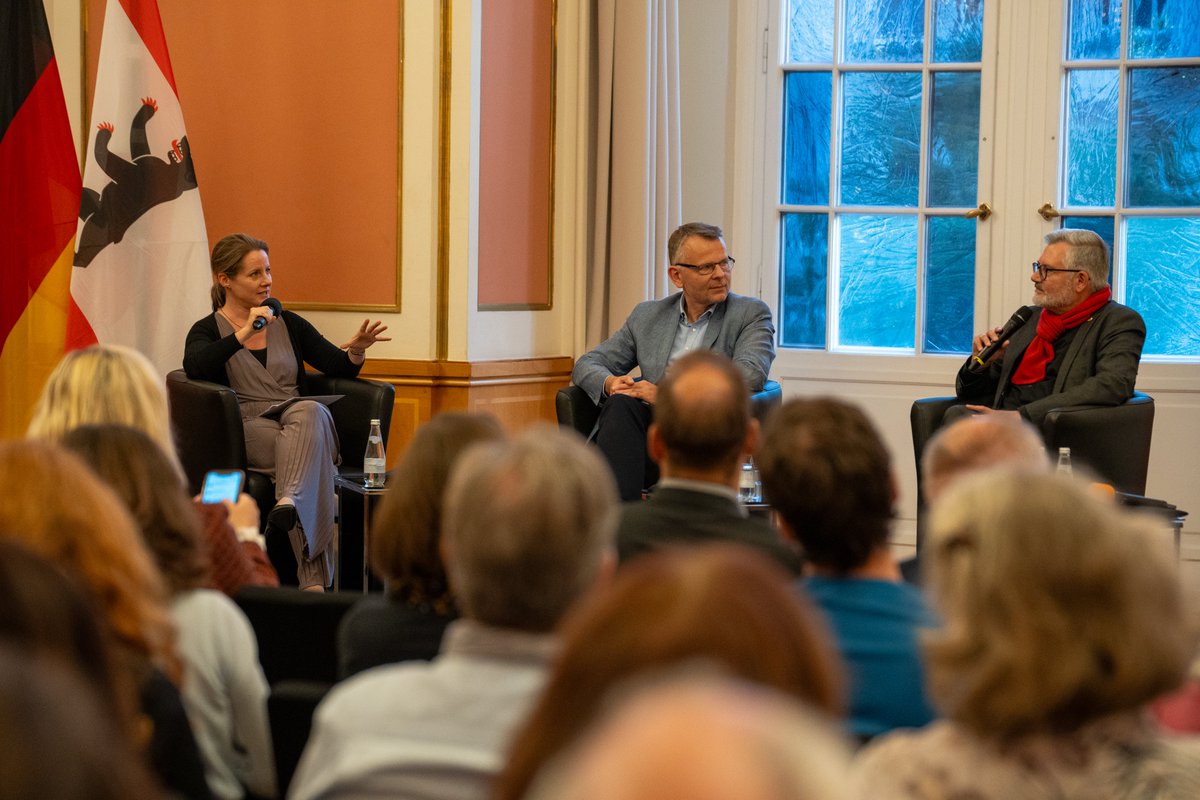
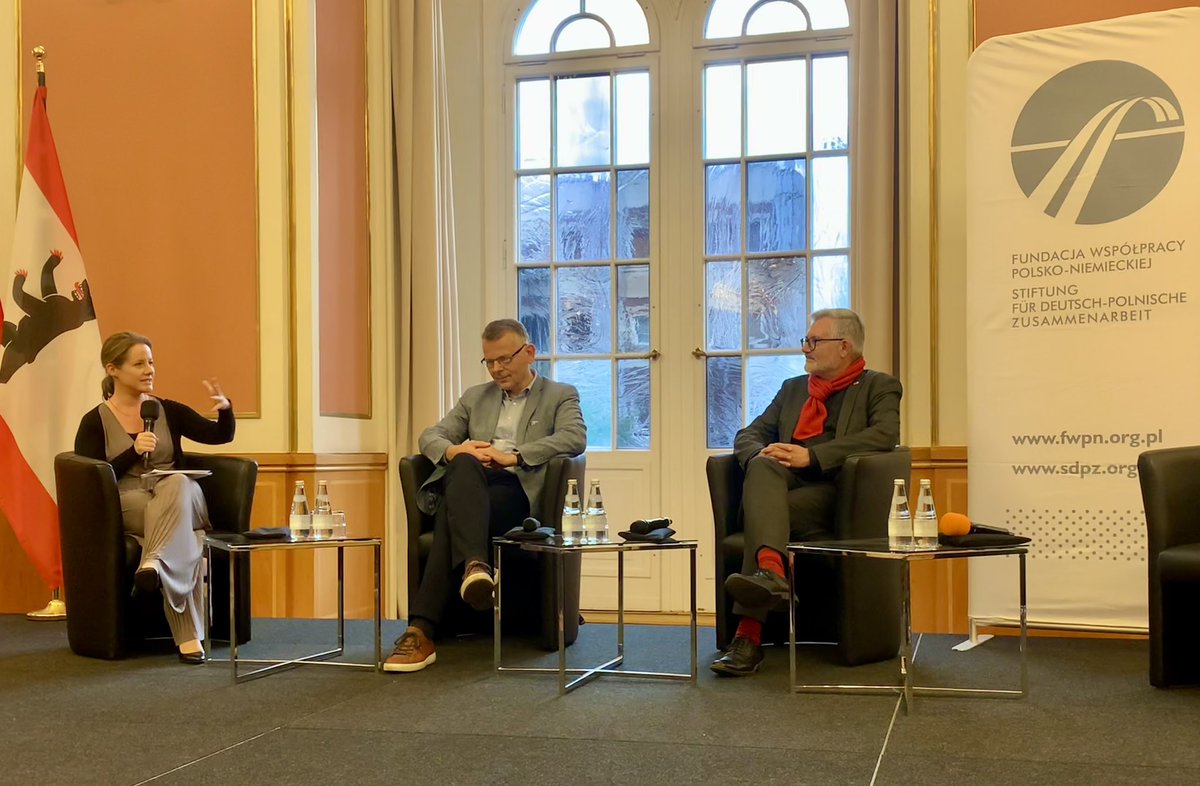
🇩🇪🇵🇱 Wo stehen die Beziehungen #Deutschland#Polen ein Jahr nach dem Antritt der neuen polnischen Regierung heute? Wie lässt sich die grenzüberschreitende Zusammenarbeit intensivieren? Welche Dynamiken lassen sich nutzen?
Wichtige Bestandsaufnahme der bilateralen Beziehungen heute im #RotenRathaus #Berlin: Mit dem neuen polnischen Deutschlandbeauftragten Krzysztof Ruchniewicz und dem "Polen-Beauftragten“ der Bundesregierung Dietmar Nietan, Moderation von @liberalemoderne Geschäftsführerin @IreneHahnFuhr, Grußwort von Staatssekretär Florian Hauer @RegBerlin.
Wie können wir die neue Dynamik in den 🇩🇪-🇵🇱 Beziehungen nutzen, um diese zu vertiefen und die Zivilgesellschaft zu stärken? Die beiden Koordinatoren @KrzyRuch und Dietmar Nietan stehen @IreneHahnFuhr Rede und Antwort. Dank an @RegBerlin für die Kooperation!
...social-group IAT scores with considerable accuracy (corr. r = .56) beyond ideas about cultural norms, although less so online (corr. = .37) then in the lab (corr. r = .61). Data, analysis codes, and the preregistration is available at https://t.co/L5N6c7Ujd9 (4/4)
Are people aware of their implicit biases? A paper by @AdamHahn_Psych (2014) suggested yes by showing that people accurately predicted their pattern of IAT scores. But is this effect replicable and does it hold across different settings and samples? https://t.co/VFMJG8vcrn (1/5)
...on the meaning of these findings in light of newer developments, such as discussion around “implicit bias” vs “bias on implicit measures” and recent critiques of research with implicit measures. Results continue to show that people can predict the patterns of their... (3/4)
It is extraordinary that the USA gets treated to a dismantling of the Tory party orders of magnitude better than the tame efforts anyone dares attempt here.
(And no, it's not the swearing that makes the difference - it's the accuracy of the attacks.)
Very proud to see our first data paper on the difference between being aware of your biases and calibrating them in line with social norms finally published at PSPB, spearheaded by my former PhD student @Alexgoedderz@SocCulCog_Bath#implicitbias https://t.co/kQdlrzm5v5
Ever wondered what an IAT on bread would look like? This is your chance to find out! @AdamHahn_Psych and my paper on awareness and calibration in IAT score predictions is finally in press @SocialPsychBull. What does it have to do with bread? Find out here: https://t.co/qnoz5PYZzU