Something really cool happened in swimming this week. After 16 years, the 50m free world record got broken by Australian swimmer McEvoy.
What’s very interesting is the approach he has been following for a few years now. Super low volume (2-3 sessions per week, less than 1000m per sessions which some swimmers do more than just for warm up) in a pool with cameras and other devices to track different values and of course getting stronger with weights.
Farmer pays $5–$8 per cow per month.
A New Zealand company puts a solar-powered smart collar on cows.
It tracks location 24/7, health, temperature, chewing activity, breeding.
Farmer just opens a simple app and draws a line on the map.
That line becomes the fence.
As cows approach the boundary, the collar beeps and vibrates.
With one tap, the whole herd moves to fresh grass or the milking shed.
No physical fences. Less labor. Huge cost savings for farmer.
Already on 700k cows across New Zealand, Australia, and the US.
and now in talks to raise at a $2B valuation led by Peter Thiel.
I asked Claude to build my daughter an app that plugs into our piano, can read live key strokes, can show her sheet notes and key view and ends with a Guitar Hero style game. All while giving progressively harder songs. Today she’s using It and crushing It.
Wow.
Alibaba just quietly released one of the most useful AI products of all time.
It's an AI agent that you can install instantly in any browser to do tasks for you using Qwen 3.5.
No setup, no token costs, 100% free and open source.
Try it now: https://t.co/VXZqKicvgn
this is actually insane
> be tech guy in australia
> adopt cancer riddled rescue dog, months to live
> not_going_to_give_you_up.mp4
> pay $3,000 to sequence her tumor DNA
> feed it to ChatGPT and AlphaFold
> zero background in biology
> identify mutated proteins, match them to drug targets
> design a custom mRNA cancer vaccine from scratch
> genomics professor is “gobsmacked” that some puppy lover did this on his own
> need ethics approval to administer it
> red tape takes longer than designing the vaccine
> 3 months, finally approved
> drive 10 hours to get rosie her first injection
> tumor halves
> coat gets glossy again
> dog is alive and happy
> professor: “if we can do this for a dog, why aren’t we rolling this out to humans?”
one man with a chatbot, and $3,000 just outperformed the entire pharmaceutical discovery pipeline.
we are going to cure so many diseases.
I dont think people realize how good things are going to get
List everyone you know who started by launching a startup every month, and the ninth one was really successful.
List everyone who has 1 really good idea / year, and obsessed over it, and was successful.
The second is 100x more common.
We can all list the people in the first category, exactly because there’s so few of them. Whereas the latter describes every single unicorn startup, as well as nearly all bootstrappers. So many you can’t even name a small fraction.
This is because startups are hard, good ideas are few, there needs to be good reasons for it to work, they are not haphazard A/B tests, they take 6-24 months to really get going even in the success case, they require obsession and dedication.
It’s like thinking you’re going to become a concert pianist by getting 5% through a piece and then moving on to the next one, 20 times. That doesn’t add up to 100%. That means you’re probably pretty good at the 5%, and a shit musician, and unsuccessful.
Doing 10 reps of failed startups gives you “reps” in setting up default infrastructure and having AI make a Next.js template with auth. That is not a “rep” at building products that people want to buy.
Doing 10 reps of failed “marketing” where people aren’t attracted, and the ones who are attracted bounce off, and the ones who don’t bounce off don’t buy, and of the 12 that ever bought, 8 cancelled, is not “learning.” You still have no idea how to market or sell products that people want to buy.
Being at a small, successful startup for 1 year would teach you 100x more than all those “reps” at failure. You 𝘤𝘢𝘯 learn from failure, but you learn 10x more from success. Failure doesn’t even teach you “what not to do;” some people do that same stuff and succeed.
Now list all the people on this website who have launched 7 ideas they knew were weak from the start, thinking they will be the next @levelsio, where their products are all doing $670 in MRR, just a string of failures, getting no closer to “success.”
Don’t try to mimic outliers. Outliers are very interesting, exactly because they’re rare and uncopyable. So why are you trying to copy the strategy that works 1/100th as often? Getting “reps” at failure and calling it “learning?”
And before you say “What about 𝘺𝘰𝘶! Why should we copy you!”, remember that for nearly two decades I have been saying “do not copy me.” I’ve written about rampant survivor bias in business advice including my own, and my “path” to PMF calls 𝘮𝘺𝘴𝘦𝘭𝘧 out for not necessarily walking that path.
You shouldn’t copy anyone. You should cherry-pick things you like -- attitudes, frameworks, tools, insights, prioritization schemes, decision philosophy -- and further change them to match yourself. That’s good; you should accelerate yourself using others’ wisdom. That’s not a “copy.”
Try to find a good idea that’s actually worth doing. Get obsessed and stay obsessed. Get inspired by others, cherry-picking things that make you a better version of yourself, but be yourself.
Stop building 1% of a bad idea and calling it “learning.”
@UltrahumanHQ My ring melted on its charger and no one is responding on you support chat, your X DMs, or your email support. How about you respond to customers and don’t make rings that die in less than 6 months.
When people think of menswear crafted with a high-degree of workmanship, they think of places such as France, Italy, and the UK. Some may think of Japan. But few will think of India, even though some of the most incredible workmanship is happening there now. Let me show you. 🧵
Alright, I know I've kept you all waiting long enough😅
Creating on-brand backdrops with Midjourney: Ingredients Edition!
Here are my top 3 ingredient styles that I use on a daily basis
Before we dive in, we'll be applying the following formula:
(Composition) + (Scene Description) + (Colours) + (Style of Shot)
1/ Flat Lay / Shot from Above
Flat lay compositions are incredibly popular because they grab your attention and visually showcase product ingredients all in a single shot.
PROMPT:
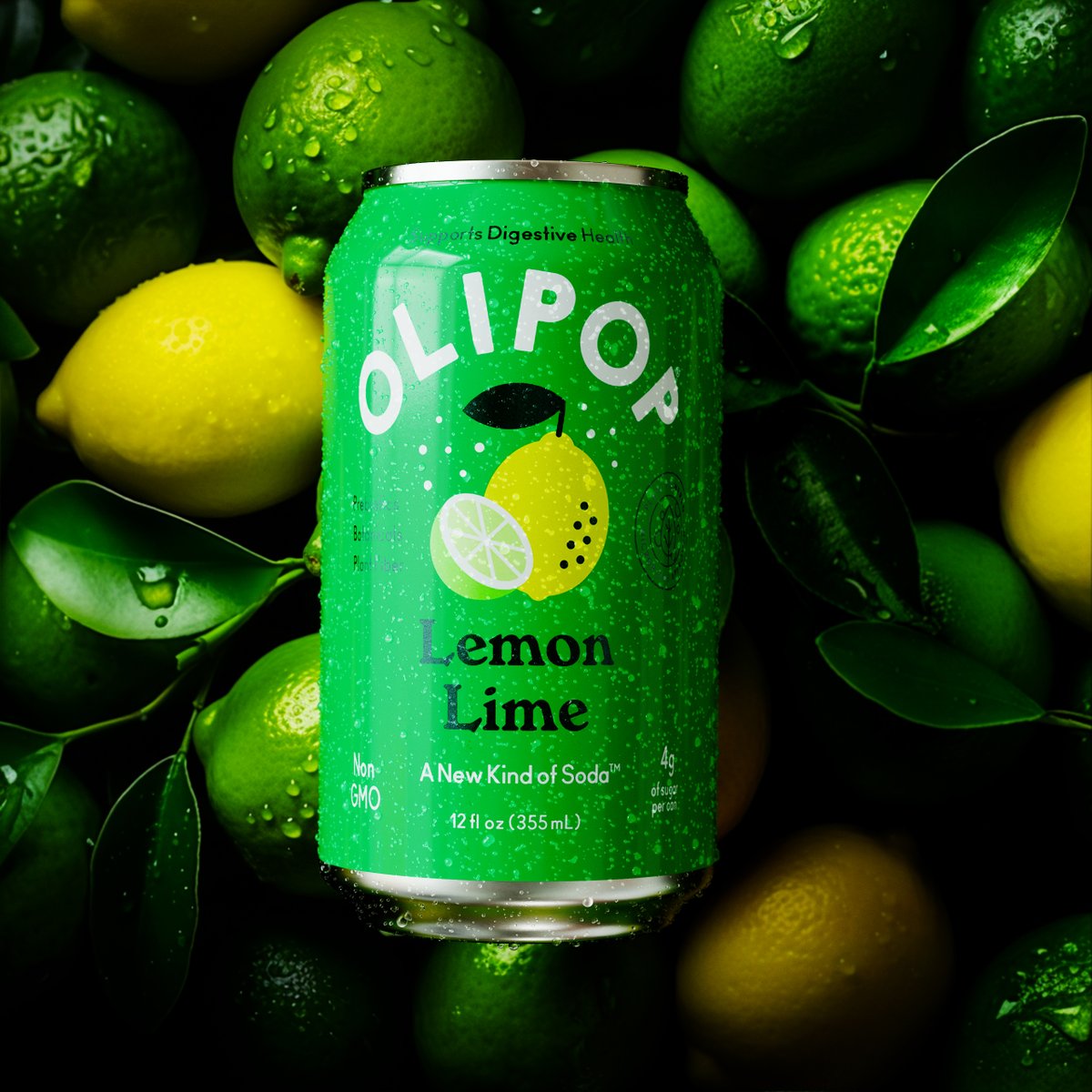
close up shot from above, yellow lemons, green lime
Notice the water droplets? I swear, MJ must be reading my mind! In this case, less is more.
2/ Fun and Playful
This style is excellent for promotions and helps the audience visualise the ingredients in a fun and playful manner.
PROMPT
straight-on shot of 4 strawberries, sliced, thrown in air from table, light peach-coloured blends background, in the style of minimalist playful
Midjourney added some bubbles to the image. If you're a perfectionist like me, you might want to remove the bubbles and duplicate some of the "perfect" strawberries before using this backdrop.
3/ Standard Photography Shot
This is another popular style in product photography. I've covered this one before, it's straightforward and safe but let's push the boundaries a bit by adding some unique ingredients.
PROMPT
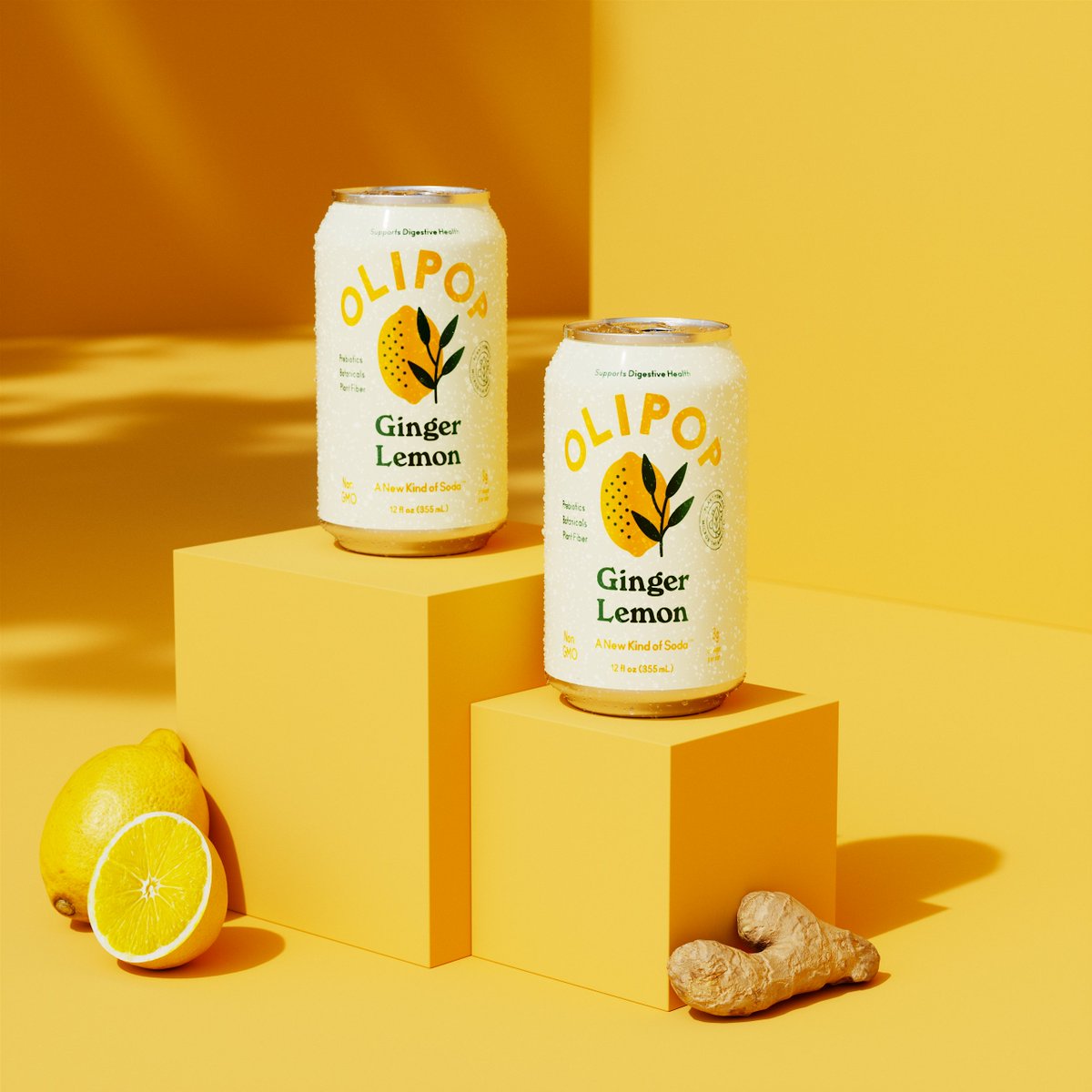
Straight on composition, two boxes, slightly angled sits on top of table, gradient yellow colour blends, lemon, sliced lemon in the style of minimalist background, commercial photography
You can use the inpaining feature to add and remove props, or use Qreates (currently in closed beta) to tie everything together seamlessly.
I hope you found this guide helpful! For more practical use cases and real-life applications, follow @Salmaaboukarr for more
Next up- expanding on this topic and introducing Stable Diffusion into this workflow👀
One day in the year 1892, when Edvard Munch was going for a walk near Oslo, the sky turned blood red.
He went home and created one of the most famous works of art in history.
But what is The Scream screaming about?
Fasten your seatbelts for another Rajasthan story, this time from the slightly more recent past.
In 2015, the Rajasthan government launched an ambitious scheme under the Swachh Bharat Abhiyaan: door-to-door urban garbage collection.